

Excerpt: A coastal emergency prompted one renter to cancel a beach trip, but a disputed contract and a strict cancellation policy put the full $2,200 rental payment at risk.
A state emergency declaration can change a vacation plan in hours. In this case, a woman canceled a coastal rental after an impending tropical system placed the community she planned to visit under a state of emergency.
The property manager initially refused both a refund and new travel dates. The dispute turned on the paperwork, and on whether the renter had received the policy the company later cited.
An Emergency Declaration Changed the Vacation Plan
The renter had booked a beach getaway in a coastal community. However, when the state declared an emergency because of an approaching tropical system, she decided not to make the trip.
That choice is understandable. Severe weather warnings can bring road closures, evacuation concerns, hazardous conditions, and uncertainty about whether local businesses and rental properties will remain accessible. A planned vacation can quickly become an expense with no clear path forward.
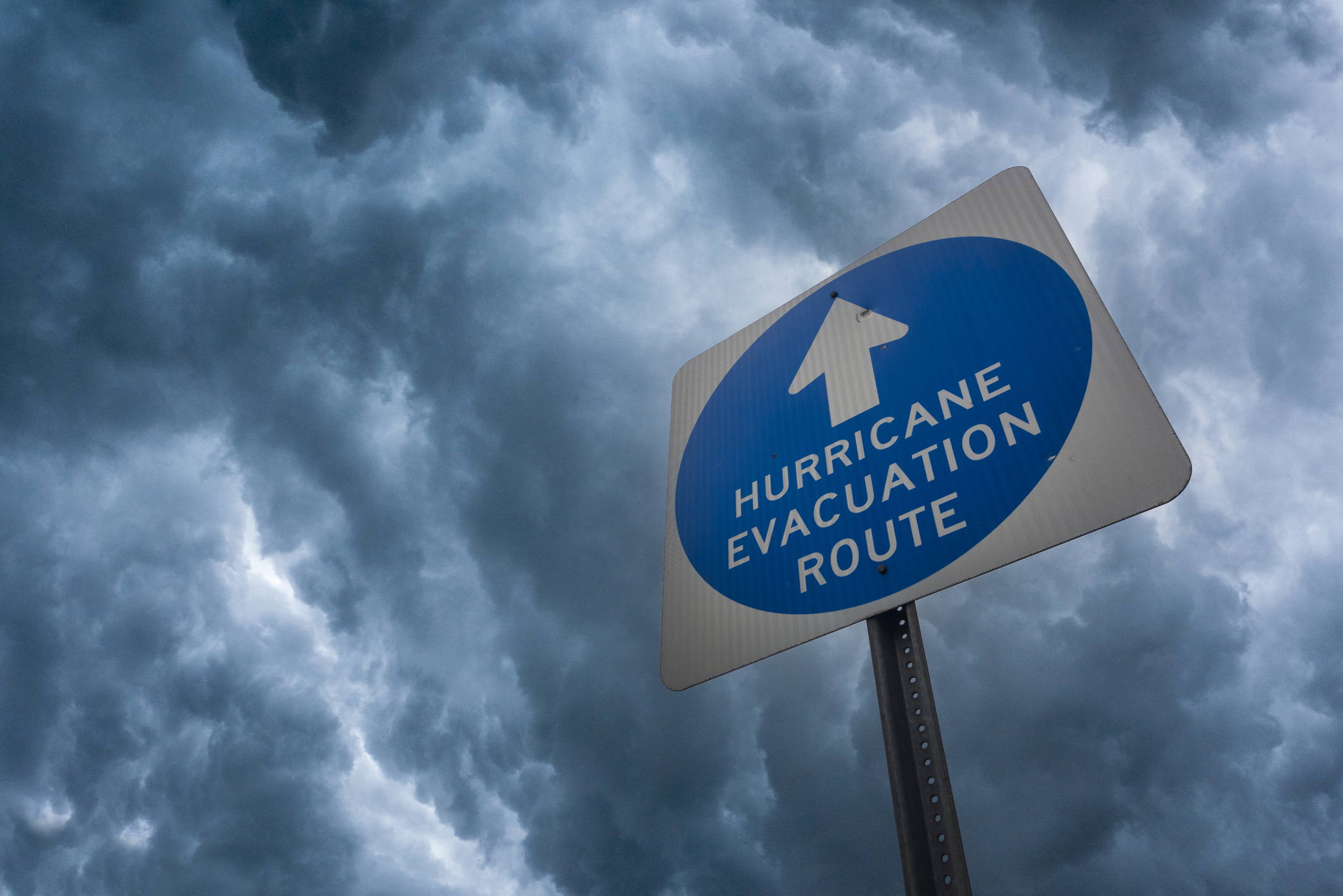
She contacted the property management company to cancel. Instead of offering a refund or an opportunity to move the reservation, the company said it would retain the entire payment.
The Property Manager Pointed to a Strict Policy
The company told the renter that its contract allowed no refunds after a certain deadline, even when storms or other natural disasters affected the destination. It also declined to let her reschedule.
The company further said that travel insurance had been offered during the reservation process. According to the company, the policy would have covered the cost if she had purchased it. Because she had not opted in, the canceled trip would cost $2,200, the full amount of the rental.
Travel insurance can be less expensive than losing a prepaid reservation, but its protections depend on the specific policy and its exclusions.
The incident shows why a cancellation policy should not be treated as a routine checkout screen. A renter needs the complete terms, including disaster-related provisions, before money changes hands. The same expectation applies when homeowners hire Home Service Companies for large projects or business managers retain Commercial Service Companies for work that may be delayed by weather or other emergencies.
The First Contract Did Not Match the Company's Position
After the renter contacted TrustDALE, the team began with the material she had received by email. The version provided by the renter did not include language about hurricanes, storms, or natural disasters.
That detail mattered because the property manager's refusal relied on such a policy. A company may maintain a cancellation rule internally, but a consumer also needs a clear record of the terms supplied and accepted at the time of booking.
TrustDALE then spoke with the property management company. The company sent a different copy of the contract for review. This version included a cancellation-policy section that showed the renter's digital initials.
The two documents created a basic but serious question: which version was actually delivered to the renter, and what information did it contain?
Why Contract Records Matter in Consumer Disputes
Digital agreements can make a reservation quick, but they can also complicate a disagreement. A renter may receive one emailed document, while a company retains a different version in its system. That is why consumers should save confirmation emails, policy attachments, receipts, screenshots, and any notices about changes to the booking.
In this case, the contrast was plain:
| Document reviewed | What it showed | | | --- | | Copy emailed to the renter | No information about hurricanes or natural disasters | | Copy sent by the property manager | A cancellation-policy section with digital initials |
The comparison did not produce a refund. Still, it gave the parties a factual issue to discuss instead of leaving the renter to confront a rigid policy with no review of the records.
For service work, the same discipline can prevent disputes over scope, price, timelines, warranties, and cancellation fees. A written estimate should state what the customer receives, what can change the price, and how either side can cancel or postpone work. Consumers seeking local providers can Find Vetted Home Service Providers through TrustDALE's directory.
The Rental Company Allowed New Dates
After TrustDALE spoke with both the renter and the property management company, the company made an exception. It allowed the woman to reschedule her trip and apply the money she had already paid toward the new dates.
That resolution did not erase the company's stated cancellation policy. Instead, it recognized the unusual circumstances and the uncertainty created by the two versions of the paperwork. The renter avoided losing the full $2,200, while the company kept the reservation value attached to a future stay.
The result also shows the practical value of a clear paper trail. Complaints carry more weight when they rest on saved documents and a specific difference between what a company says and what the customer received.
Travel Insurance Is Part of the Booking Decision
The central lesson from the case is straightforward: travel insurance deserves consideration when a trip involves a substantial prepaid cost. The expense paid at booking may be a fraction of a rental deposit, airfare, or other nonrefundable costs that could be lost if plans change.
Still, insurance should not be viewed as a substitute for reading the rental agreement. Coverage varies, and a policy may contain limits for weather events, cancellations, evacuations, or pre-existing disruptions. The renter should review both the policy terms and the rental company's cancellation rules before committing.
A few details deserve attention before booking:
- The cancellation deadline and the amount refundable at each stage.
- Weather, hurricane, evacuation, and natural-disaster provisions.
- Whether the company permits date changes, travel credits, or transfers.
- The policy version attached to the reservation confirmation.
- What travel insurance covers, and the events it excludes.
Keep the Agreement, Not Only the Confirmation
A vacation reservation is often treated as a simple transaction until weather interrupts it. This case shows that the agreement behind the confirmation can decide whether a consumer loses money, receives a refund, or gets another chance to travel.
The property manager ultimately allowed the renter to move her dates. Yet the outcome depended on more than a request for flexibility. It depended on the difference between the contract copy in the renter's email and the version later provided by the company.
For any high-cost purchase, written terms and saved records remain the strongest starting point when a problem needs to be put right.