

Labor Day gatherings and cookouts mark the unofficial end of summer, making the long weekend feel like a pause button. Yet while you enjoy the day off, skilled people keep hospitals staffed, power flowing, deliveries moving, businesses open, and homes safe.
Labor Day honors more than employment. Rooted in the American labor movement, it recognizes workers whose knowledge, honesty, and follow-through shape daily life, especially when a problem can't wait. That legacy reminds us to value honest, dependable craftsmanship in modern service work. It also offers a useful hiring standard: respect work, verify credentials, and expect accountability.
Key Takeaways
- The Central Labor Union organized a workers' parade in New York City in 1882, and Labor Day became a federal holiday in 1894.
- The holiday honors the economic achievements and social achievements of American workers.
- Dependable workers protect your property, time, safety, and operating income.
- Trustworthy service requires clear terms, skilled work, honest advice, and responsibility after the job.
- Before hiring, compare written estimates, confirm credentials, and review warranty and payment terms.
How Labor Day grew from a workers' march into a national holiday
Labor Day emerged from the American labor movement, when workers sought reasonable hours, fair wages, safer job sites, and public respect. Those concerns weren't abstract. Long hours and dangerous conditions could affect a family's health, income, and future.
The U.S. Department of Labor's history of Labor Day describes the holiday as an annual tribute to the social and economic achievements of American workers. That purpose still matters when you depend on capable people to maintain your home, serve customers, or respond to an emergency.
The first Labor Day celebration took place in New York City
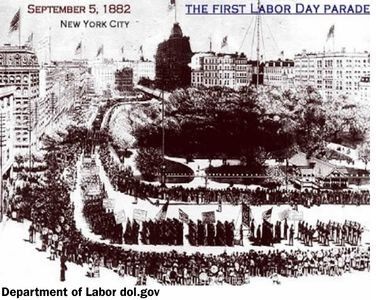
The Central Labor Union organized the first Labor Day parade on Tuesday, September 5, 1882, in New York City. Workers marched from City Hall to Union Square, then gathered for food, speeches, and recreation.
Historians still debate whether Peter J. McGuire of the American Federation of Labor or Matthew Maguire of the Knights of Labor first proposed the holiday. The event, organized by the Central Labor Union, showed how labor unions and other labor organizations could bring workers together publicly.
According to GovInfo's account of the first Labor Day parade, between 10,000 and 20,000 workers joined the march. The turnout showed that workers wanted recognition for the labor powering factories, shops, transportation, and growing cities.
States recognized Labor Day before the federal government did
Public celebrations helped the idea spread, but local action gave it legal force. Oregon passed the first state Labor Day law on February 21, 1887. Colorado, Massachusetts, New Jersey, and New York followed that same year.
By 1894, 23 additional states had recognized Labor Day. After the Pullman strike created national unrest, President Grover Cleveland signed legislation on June 28, making the first Monday in September a legal holiday.
The Pullman strike was a major labor strike, and its aftermath influenced the federal response. The American Federation of Labor and the Knights of Labor were among the groups shaping public conversations about workers' rights.
Why the holiday falls in September
The United States chose September instead of May 1 for a national observance. Early labor organizations wanted distance from the violence of the 1886 Haymarket affair and May Day's radical associations.
The Haymarket affair began with a labor rally in Chicago and became tied to international workers' day. Leaders also worried that celebrating international workers' day could connect the American holiday to foreign political movements.
That caution reflected the Haymarket affair's lasting influence. It helped explain why the United States developed a separate September tradition rather than adopting May 1.
The holiday honors achievements, not just time off
Parades, back-to-school sales, and backyard gatherings are familiar parts of the weekend. Even the etiquette tradition of wearing white after Labor Day reflects how the holiday entered American culture.
Still, those customs shouldn't bury Labor Day's original message. The holiday honors people whose work builds local economies and supports everyday life.
When you thank a dependable employee, pay a contractor fairly, or recommend a business that handled a problem responsibly, you put that message into practice.
Why trustworthy workers matter to your daily life
Reliable tradespeople and technicians keep essential home systems functioning smoothly. You notice their value most when something goes wrong. A plumber who finds a hidden leak, an electrician who identifies an unsafe connection, or a restoration crew that responds quickly can limit damage before it spreads.
Trust goes beyond a friendly greeting or polished advertising. You should expect accurate information, fair terms, competent work, respect for your property, and a clear answer when a job changes.
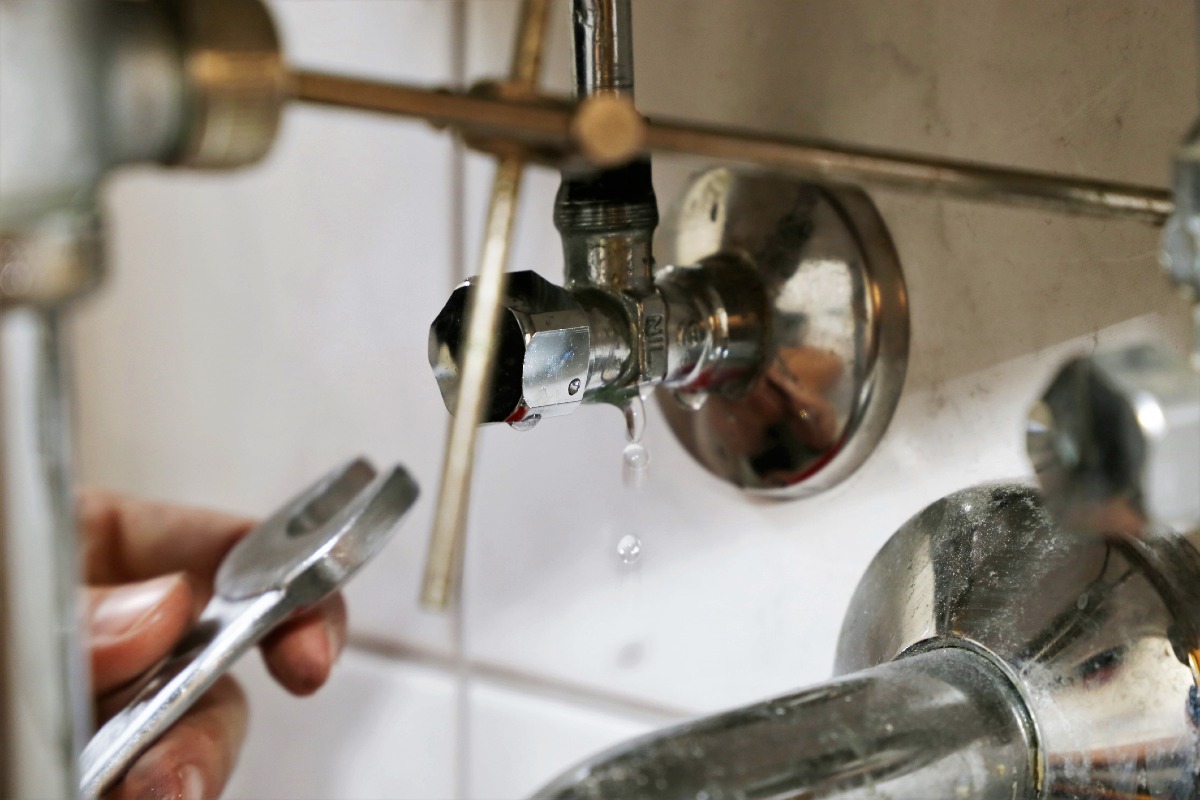
Reliable work keeps essential services moving
A careless repair can create a larger bill, a safety hazard, or costly downtime. For example, an HVAC technician who correctly diagnoses a failing part may prevent a business from losing a day of operations. A driver who arrives as promised can keep a supply chain moving.
The same standard applies to healthcare workers, teachers, appliance technicians, restoration professionals, and small-business employees. Their work affects your comfort, safety, customer relationships, and ability to earn a living.
Water damage shows why urgency and competence belong together. When water reaches drywall, carpet, wood, or insulation, a qualified mitigation team should explain the source, document affected areas, remove damaged materials when needed, and monitor drying progress. Fast action without clear communication isn't enough.
Honest advice can save you money
A trustworthy professional doesn't recommend the most expensive option by default. Sometimes a repair makes financial sense. Other times, an older appliance has several weak components, making replacement the more responsible recommendation.
You should value a technician who explains that difference before starting work. A clear diagnosis, an upfront repair price, and an honest assessment of remaining useful life help you make a decision based on facts rather than pressure.
A provider earns trust when they can explain both what needs work and what does not.
Trust creates value for customers, employers, and communities
When workers show up as promised and complete work properly, customers return. They refer friends, leave useful reviews, and spend less time chasing corrections. Businesses also benefit because dependable teams reduce missed appointments, rework, disputes, and avoidable waste.
For property managers, accountability limits disruption. A restoration contractor that communicates with occupants, documents damage, and coordinates trades helps a building return to normal faster. For homeowners, the same habits protect schedules, belongings, and budgets.
Professional conduct is visible before the invoice arrives
You can often spot accountable work early. The company confirms the appointment, identifies who will arrive, explains the process, and gives you a way to ask questions. During the job, workers protect nearby surfaces, keep the work area orderly, and report unexpected findings before adding costs.
Afterward, a reputable provider gives you records, warranty details, and practical next steps. If a mistake occurs, the response matters. A company that owns the problem and corrects it has shown more character than one that disappears after payment.
Respect for workers supports better service
Trust has to run both ways. The fair compensation, safe conditions, and clear accountability championed by historical labor unions and labor organizations also support better service. These standards help employers retain experienced workers, reduce turnover, and create greater value for customers and property managers.
Employers who provide safe conditions, clear expectations, usable equipment, and fair compensation are more likely to retain people who know their trade and care about results.
As a customer, you support that standard when you respect agreed schedules, review the scope before work begins, and avoid demanding unpaid extras. Fair dealing makes it easier for good workers and responsible companies to stay in business.
How to recognize trustworthy work before you hire
To choose a reliable service provider, you need enough information to compare contractors on more than star ratings or a low verbal quote.
For projects affecting safety, property value, business operations, or insurance, get at least three detailed estimates when time permits. Emergency work may require a faster decision, but you should still request documentation and ask who will manage the job.

Questions and documents that protect you
Before you authorize work, take these practical steps:
- Confirm the contractor's licensing or registration when required by your state or local jurisdiction.
- Ask for proof of current liability insurance and workers' compensation coverage when applicable.
- Request a written scope that identifies materials, labor, exclusions, timeline, and total price.
- Ask who will perform the work and whether the company uses employees or subcontractors.
- Review warranty terms, including what is covered, how long coverage lasts, and how to request service.
- Check recent reviews and references, then ask about similar completed projects.
- Avoid pressure to make a large upfront payment before you have clear terms and a written agreement.
A written estimate protects both sides by reducing misunderstandings and supporting contractor accountability. If the provider finds additional damage or a needed repair, pause long enough to get the change in writing. Know the added cost before the work proceeds.
Frequently Asked Questions
Does a low estimate mean you found a better deal?
A low estimate may be legitimate, but you need to compare its scope against the others. Missing labor, lower-grade materials, vague exclusions, or absent warranty terms can make a lower price more expensive later.
Can strong online reviews replace references and paperwork?
Reviews can reveal patterns in communication, punctuality, and complaint handling. However, they don't replace a written agreement, credential verification, or clear warranty terms for your project.
TrustDALE Certified Partners have passed a rigorous seven-point inspection process and are backed by TrustDALE's free $10,000 Make It Right Guarantee for qualifying work.
What should you keep after a service job is complete?
Save the estimate, contract, invoices, photos, warranties, permits, and written change orders. These records help with future repairs, warranty claims, property sales, and insurance questions.
What should you do if the provider finds more damage?
Ask the provider to explain the condition, show you the affected area when possible, and give you a written change order. Don't rely on a rushed verbal price for added work that could affect your budget.
Labor Day's practical reminder
Labor Day honors the people whose work keeps your household, workplace, and community functioning. Beyond marking the unofficial end of summer, the holiday reminds us that skilled work deserves respect, fair treatment, and honest recognition.
When you hire someone, demand accountability, fair pricing, and reliable workmanship instead of choosing the lowest unverified price. Verify the provider before work begins, read the terms, and expect the same care with your property that you expect in your own work.