
When a reporter stops asking questions, important decisions can happen with far less public scrutiny. My experience in broadcast journalism and investigative journalism taught me early that powerful people often want important stories kept out of view.
The loss of local journalism affects more than newspapers. It affects civic life, including whether residents know what their city council, school board, courts, and local businesses are doing before a problem becomes harder to fix.
It's a subject that's been on my mind a lot lately, so my senior producer Marnie Zambri and I sat down with two fellow journalists to talk about it in the latest episode of our Trust Issues podcast titled "Truth Under Fire: What We Lose When Journalism Disappears." It's a complex issue these days, and I appreciated the insights of Rough Draft Atlanta publisher Keith Pepper and Editor-in-Chief Beth McKibben.
Key Takeaways
- Local journalism gives residents reliable information about city councils, school boards, courts, businesses and decisions that affect daily life.
- Investigative and accountability reporting can expose corruption, consumer wrongdoing and privacy concerns while giving people without power a public voice.
- News deserts mean fewer reporters are attending meetings, reviewing records and following important story threads, which can reduce public oversight.
- Journalism is different from online information because it depends on sourcing, verification, context and a clear distinction between news and opinion.
- Sustainable support—including subscriptions, advertising and community engagement—is essential for local news organizations to continue serving the public interest.
Investigative Reporting Keeps Watch
Investigative reporting serves the public interest. In my experience, it means asking the next question after someone says "no comment," reading the document others skipped and listening to people who don't have a public relations team, lawyer or microphone to get their message out.
Sometimes, the simple fact that a reporter is watching changes how a person in power behaves. Reporters and independent news organizations practice public service journalism by putting information before the public. That work can lead to an investigation, accountability, policy change or reform. Other times, nothing changes right away. Still, somebody has asked the questions that might otherwise have gone unanswered.
The work depends on journalism practices such as reviewing documents, developing sources and verifying what people say.
Asking Questions Others Avoid
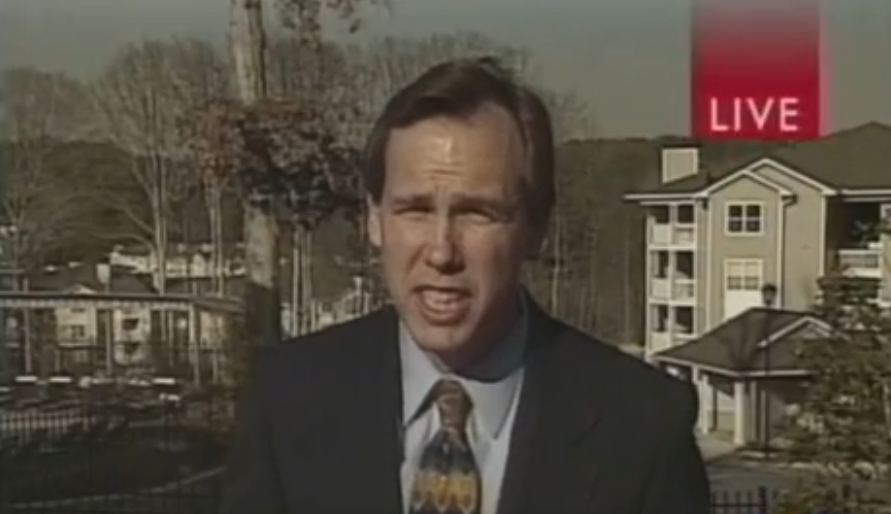
My years in television investigations taught me that accountability reporting can carry real pressure. I reported on public corruption and consumer wrongdoing because I believed people deserved the truth, even when those involved didn't welcome the reporting.
In 2000, a death threat connected to my reporting on a DeKalb County sheriff involved my family. That moment forced me to consider the personal cost of pursuing high-profile investigations. Still, the work mattered because corrupt behavior and dishonest businesses can harm people who are simply trying to live and work by the rules.
Giving Consumers a Voice
Consumer reporting also gives people a platform when they feel ignored by a company, court system or government office. My work has often focused on people who lost money and struggled to get someone to listen.
For example, a porch contractor fraud investigation documented how a homeowner's complaint ultimately drew law enforcement attention. A reporter can't decide a case or replace the courts, but public scrutiny can put facts in front of the people responsible for acting on them.
Good journalism makes it harder for important things to happen in the dark.
Local News Is Disappearing
The loss of local reporting shows how quickly local journalism infrastructure can disappear. It is happening across the country, including communities with few reliable ways to follow public decisions.
According to Northwestern University's 2025 State of Local News report, nearly 40% of local U.S. newspapers have disappeared during the last two decades. The report also found that about 50 million Americans now have limited or no access to a reliable local news source.
The figures below should be checked against the cited 2025 report as research is updated. During this discussion, we also cited troubling figures about the reporting workforce and coverage:
- About 75% of newspaper jobs have disappeared.
- Roughly 70% of U.S. counties lack a local newspaper or another community news source.
- More than 200 counties have no community news source at all.
- Around 1,500 counties rely on only one source.
Northwestern's local news research describes widening news deserts and continued newspaper closures. The shift away from traditional newspapers also reduced print circulation during the industry’s digital transformation. These figures describe a loss of reporters, editors and public attention in places where people still need reliable information.
Declining newsroom staffing, reduced advertising revenue and weaker online advertising income limit how much coverage communities receive.
Fewer Reporters Mean Fewer Eyes on Public Decisions
A local paper disappearing means more than one less publication in a mailbox. It can mean fewer journalists at city hall, fewer people sitting through school board meetings and fewer reporters reviewing public records or following money in the public interest.
Those meetings can be long and dull. I remember attending superintendent meetings as a young intern in California and wondering whether I would ever get out of the room. Yet those hours taught me how to find the small but important details inside public business.
Zoning decisions, school closures, water-rate increases and development plans may not be exciting, but they can shape daily life.
The Disconnect Between Value and Attention
Pew Research Center data found that 80% of Americans say local news is at least somewhat important to their community's well-being. Yet only about one in five say they follow it very closely, a decline of 37% over the past decade.
News readership reflects changing news consumer habits, while social media further fragments audience attention. People value community coverage, but they often don't spend time with it. Meanwhile, many community newsrooms no longer have the revenue to employ enough reporters to cover everything happening in a community.
Information Is Not the Same as Journalism
People now receive updates through digital media, including news alerts, podcasts, YouTube, TikTok, Facebook groups, blogs, text chains and social media feeds. There is more information coming at us than at any other time in my life.
However, information and journalism aren't the same thing. Anyone with a phone can say what they think happened. A journalist's job is to find out what actually happened.
Polished Posts Can Still Be Wrong
An online post can look professional, gather hundreds of thousands of shares and still be inaccurate. A compelling voice, polished graphics or a large following doesn't prove that somebody checked the facts.
Artificial intelligence adds another layer of confusion. Content can now sound and look persuasive even when it has no reliable sourcing behind it. That makes it harder for consumers to separate original reporting from rumor, advocacy or what Marnie called "keyboard journalists."
A professional-looking website does not automatically make something journalism.
The same principle applies when you look for a business online. A listing that appears first in a search result doesn't confirm that it is legitimate. My investigation into a cleaning-company bait-and-switch scheme showed how an Atlanta-area consumer believed she had booked a familiar brand but had reached an unaffiliated company instead.
Speed Rewards the Wrong Thing
Social platforms often reward speed, outrage, shares, likes and clicks. Responsible journalism often moves more slowly because it requires phone calls, documents, interviews and verification.
Beth McKibben, editor-in-chief of Rough Draft Atlanta, tells reporters to be right, not first. Sourcing, confirmation and editorial responsibility matter. Before a story is posted, a reporter needs to verify claims, locate records and speak with people who have firsthand knowledge.
There is nothing wrong with waiting for confirmation. False information can move through a community or across social media before a reporter has had time to make a single phone call.
Rough Draft Atlanta Takes Readers Behind the Scenes
Rough Draft Atlanta covers Metro Atlanta through print, digital media, daily newsletters and social media. This mix reflects the publication’s digital transformation and the many ways readers find information. The organization also delivers its print papers by mail to the communities it covers, rather than depending on people to pick up a paper or subscribe.
Publisher Keith Pepper said readers had long asked when Rough Draft would create a podcast. The company is small and independent, so any new project had to be sustainable. The team eventually added Summer Evans, who had the production skills and voice to host the new show, From the Paper to the Pod.
Why the Podcast Focuses on Lasting Stories
Breaking news can have a short shelf life in audio. By the time someone listens, a fast-moving story may already have changed.
Rough Draft's podcast instead goes behind stories with more lasting value, including investigative pieces and feature reporting. Listeners hear how an idea began, where a reporter found sources, why certain interviews mattered and what information didn't fit in the published article.
Reaching People Where They Are
Rough Draft added an Instagram reel to its daily newsletter because more people were consuming its content through Instagram and social media. The organization uses a website, newsletters, print delivery, social media and now podcasting because audiences exist in different places.
Keith made an important point about newsletters. Unlike social feeds, newsletters create a direct relationship with the publication and support community engagement. They can grow news readership and support online advertising, which can contribute to advertising revenue. The organization does not have to wait for an outside algorithm to decide whether local reporting appears in someone's feed.
TrustDale also communicates with consumers through newsletters. Our Weekly Watchdog newsletter goes out every Monday. Three for Thursday is also weekly. And our monthly Dale's Do's and Don'ts appears in subscriber Inboxes on the first Tuesday of each month. You can sign up to receive those here.
Local News Should Show the Whole Community
Beth said that if a newsroom only covers the most dramatic events, it tells only half the story. Crime, politics, traffic and weather matter, but they don't tell readers everything about the communities where they live or serve the public interest.
Local news also covers restaurants, small businesses, historic neighborhoods, families, cultural institutions, arts, music, food and festivals. Those stories can attract readers while showing the full life of a community.
| Stories That Often Dominate Attention | Stories That Show Community Life |
|---|---|
| Crime and public safety | Restaurants and small businesses |
| Elections and political conflict | Historic neighborhoods and preservation |
| Traffic and weather | Arts, music and local events |
| Major public disputes | Families and community institutions |
Coverage of food, real estate, arts and entertainment can support the government reporting many people say they want but fewer actively support. It can also help bring in online advertising without turning the newsroom into a revenue-first operation.
News Deserts Reduce Accountability
Keith Pepper argues that the lack of local coverage can create "lazy government," and I agree. Local journalism helps prevent government decisions from going unobserved. Elected officials may have good intentions, but public institutions work differently when nobody regularly attends meetings, reads agendas or reports on decisions.
A mayor in a market Rough Draft was considering covering told Keith that the absence of a news source created less pressure on government to stay alert and accountable. A Norcross city council member also contacted Rough Draft because nobody was covering the community. Rough Draft later launched city council coverage there.
Long Meetings Can Produce Important Stories
Rough Draft reporters attend meetings of the Atlanta, Tucker, Brookhaven, Dunwoody and Sandy Springs city councils. Atlanta City Council meetings can run all day. Reporters sometimes need to review the transcript afterward because key details can emerge at any point.
The newsroom also follows story threads over time. Beth credited executive editor Collin Kelley with finding older information connected to the Ansley Park preservation story and recognizing that it deserved further reporting.
That follow-up work reflects investigative journalism. It often requires tracing story threads, verifying records and connecting decisions over time. This work often begins with an overlooked detail. The reporter's job is to recognize that detail, verify it and explain why it matters.
Surveillance Cameras Need Public Discussion
In the podcast episode, I raised Flock cameras as an example of why awareness matters. The technology may be welcomed by law enforcement because it can help address crime, yet residents may also want to discuss privacy, oversight and the public interest in deciding how broadly cameras should be used.
In a community with regular coverage, residents and reporters may have a better chance to raise those questions before a program becomes widespread. Limited coverage can mean those public conversations happen later, if they happen at all.
Responsible Journalism Checks, Labels and Context
The best reporters don't assume their first understanding of a story is complete. As a field producer in broadcast journalism for Fox News Channel, I could be assigned to cover one version of events, arrive on the scene and find the real story was completely different.
When facts change, the reporting has to change too. That requires research, patience and a willingness to follow evidence instead of forcing a story to fit the first assumption. It also serves the public interest by keeping the facts ahead of the narrative.
Reliable Sources Should Be Identified
Beth described journalism as research, conversations and a search for the pieces of truth that help form the fullest picture possible. That work includes finding trustworthy sources and seeking more than one viewpoint.
A responsible story may include documents, named sources, background and an explanation of where the information came from. Sometimes the reporting reveals so much information that one article cannot cover it all. In those cases, the story may become a series.
"We don't know yet" can be one of the most responsible things a journalist says.
That phrase recognizes that reporters may still be checking records, waiting for sources to respond or working through conflicting accounts. Online content often presents speculation as certainty. Reporting should not.
News and Opinion Should Be Clearly Different
Opinion has a place in publishing, but readers should be able to recognize it. Rough Draft labels opinion pieces as "Opinion" in print and in the website category.
A reported article focuses on verified information and identified sources. An opinion piece presents a person's viewpoint. Confusing those two forms of content makes it easier for commentary to be treated as fact.
Journalists have opinions and vote like everyone else. However, Beth said reporters must set aside their own viewpoint while gathering information from different sides and keeping their reporting balanced.
How to Evaluate a Story Before You Share It
You don't need a journalism degree to look more carefully at a story. The following habits came directly from our discussion about responsible news consumption.
Check the Original Reporting
Before you treat a story as fact, look beyond the person who shared it. Find the original article, announcement, interview or document.
Look for these signs of reporting:
- A byline identifies the journalist or organization behind the story.
- Sources are named or the article explains why a source could not be named.
- The story explains where its information came from.
- Supporting documents, records or evidence are linked or described.
- The article gives context beyond a headline or a single claim.
A shared post is not original reporting. A post on social media may repeat information that someone hasn't read or checked. The person who puts a link in a Facebook group may be doing the same.
Read More Than the Headline
Headlines need to draw attention, but a responsible article should also give you sources, details and context. If you form an opinion based only on a headline, you may be arguing with a headline instead of the facts.
Don't assume a popular or shocking story is accurate. Read the full article, then compare it with reporting from other reliable sources when the issue is significant.
Expand Beyond One Feed
Facebook groups, Nextdoor and social media can help residents see what people are discussing. Rough Draft posts stories on those platforms too. However, they should not be your only news source.
Even a neighborhood group that looks diverse can have an agenda or a limited perspective. Reading information you disagree with can also help you understand what claims are circulating and whether the reporting supports them.
Algorithms compound the problem. Social media platforms can filter what you see based on past activity and popularity. Two neighbors can use the same platforms and still receive completely different news feeds and perspectives of reality. Popularity in a feed does not confirm accuracy.
Comparing sources matters as news consumer habits shift toward algorithmically filtered feeds.
Local Journalism Needs Resources to Continue
Journalism requires reporters, editors, equipment, time and legal protection. Adequate newsroom staffing depends on stable income, and news organizations can't continue without it.
Keith said readers sometimes complain that a publication doesn't provide enough election or government coverage while also saying they'll never pay for it. A subscription business model can help, but a newsroom can't hire more journalists or expand coverage without resources.
Advertising Funds Reporting
Rough Draft focuses on producing a strong product for advertisers because advertising revenue supports the newsroom's reporting. The company also seeks content that readers want, including food, real estate, arts, music and local events.
Changes in online advertising have made coverage harder to fund. Advertising revenue can shift quickly as online advertising platforms change, so newsrooms need more than one source of support.
Keith used The New York Times as a larger example. Its games and recipes attract readers and help fund costly reporting on major events in places such as Ukraine and Iran. Philanthropic investments can provide another source of support, but they can't replace a sustainable operation.
Stories that attract attention can help fund stories that hold institutions accountable.
Support the Reporters Covering Your Community
Pay attention to who covers your school board, city council, county commission, courts and neighborhood development. Those stories may never trend nationally, but they serve the public interest by affecting your housing, public services, taxes, fees and quality of life.
Read local reporting. Watch it, listen to it, subscribe to newsletters and share verified work. If a local organization is doing credible reporting in your community, it needs people who will support that work.
My work at TrustDALE grew from a desire to do more than warn people after they had already been harmed. That's why I built a resource for consumers to identify companies that have already passed TrustDale's rigorous vetting process, so they can avoid that harm. When you need help with a home project, you can find vetted Home Service Providers backed by our $10,000 Make It Right Guarantee on TrustDale.com.
Frequently Asked Questions
Why is local journalism important?
Local journalism helps residents understand decisions involving schools, government, courts, development, public safety and local businesses. It also provides context and accountability that social media posts and online rumors often lack.
What happens when a community loses its local news source?
Fewer reporters may attend public meetings, review records or follow decisions over time. Without regular coverage, important issues can receive less public scrutiny and government officials may face less pressure to remain accountable.
How is journalism different from information on social media?
Journalism involves reporting, source verification, document review and context. A social media post can share information quickly, but its popularity, polished appearance or large following does not prove that the information is accurate.
How can people support local journalism?
Residents can read local reporting, subscribe to newsletters or publications, share verified work and support credible news organizations financially when possible. Following coverage of schools, city councils and other local institutions also helps sustain community engagement.
Local Reporting Must Not Disappear Unnoticed
We have more information available to us than ever before. Yet communities can lose reporters who ask hard questions and read public records. They may no longer attend long meetings, pursue investigative journalism, or speak with people who lack power or a platform. That work serves the public interest, even when it isn't viral.
Reliable local reporting gives you context that an algorithm, viral post, or flashy website cannot provide. It tells you who reported the information, where it came from, and what remains unknown.
A healthy news system needs multiple sustainable revenue sources, including online advertising, to keep that work going. The future of local news depends on preserving the verification and accountability that reliable reporting provides.
Don't wait until the local reporter is gone to realize what they were watching.