

-default.jpg)
Why Some Stains Feel Impossible to Remove
A spilled glass of wine, muddy paw prints, or a morning coffee mishap—these accidents seem small until the stain refuses to budge. Every homeowner has tried the old tricks: blotting with club soda, sprinkling baking soda, or scrubbing until the fibers look worse than before. Yet some stains seem destined to stay.
The truth is, stain removal isn’t just about persistence. It’s chemistry. Certain compounds bond with carpet fibers in ways that ordinary household cleaners can’t undo. Understanding why helps explain why professional carpet cleaners succeed where DIY often fails.
Why Stains Bond to Carpet Fibers
Not all stains are created equal. Many of the most stubborn ones have a chemical makeup that makes them cling to fabrics.
- Dyes and pigments found in drinks like red wine or grape juice bind to fibers on a molecular level, making them resistant to water-based cleaners.
- Tannins, a natural compound in plants, seep deep into porous carpet fibers and create long-lasting discoloration.
- Proteins in organic matter—such as pet accidents—react with carpet fibers and bacteria, producing stains that are both visible and odorous.
- Once a stain has time or heat (like from hot water or a steam attempt), it “sets,” meaning the molecules chemically bond with the fiber permanently.
This is why that coffee spill left untreated for a few days is far harder to remove than one blotted immediately.

The Stains That Cause the Most Trouble
Some stains have reputations for a reason. They don’t just sit on the surface; they embed, react, and spread.
- Wine and juice: Rich in tannins and pigments, these liquids bind quickly and deeply. Once dry, even professional cleaning can take multiple treatments.
- Coffee and tea: Acidic oils in these drinks don’t just stain—they leave behind a yellow-brown halo that resists water-based cleaning.
- Pet messes: Proteins, bacteria, and ammonia don’t just stain fibers; they penetrate into padding and subflooring, causing odors that linger long after the spot looks clean.
- Ink and grease: Unlike food-based stains, these have complex chemical structures. Water alone does nothing, and scrubbing can spread the mess. Specialized solvents are required to break them down.
Knowing what type of stain you’re dealing with is half the battle—but the other half requires the right tools.
How Professionals Remove What DIY Can’t
The biggest difference between household methods and professional carpet cleaning is precision. While DIY often involves guesswork, pros match specific solutions to the stain’s chemistry.
- Enzyme-based cleaners break down proteins in pet stains at the molecular level, eliminating both discoloration and odor.
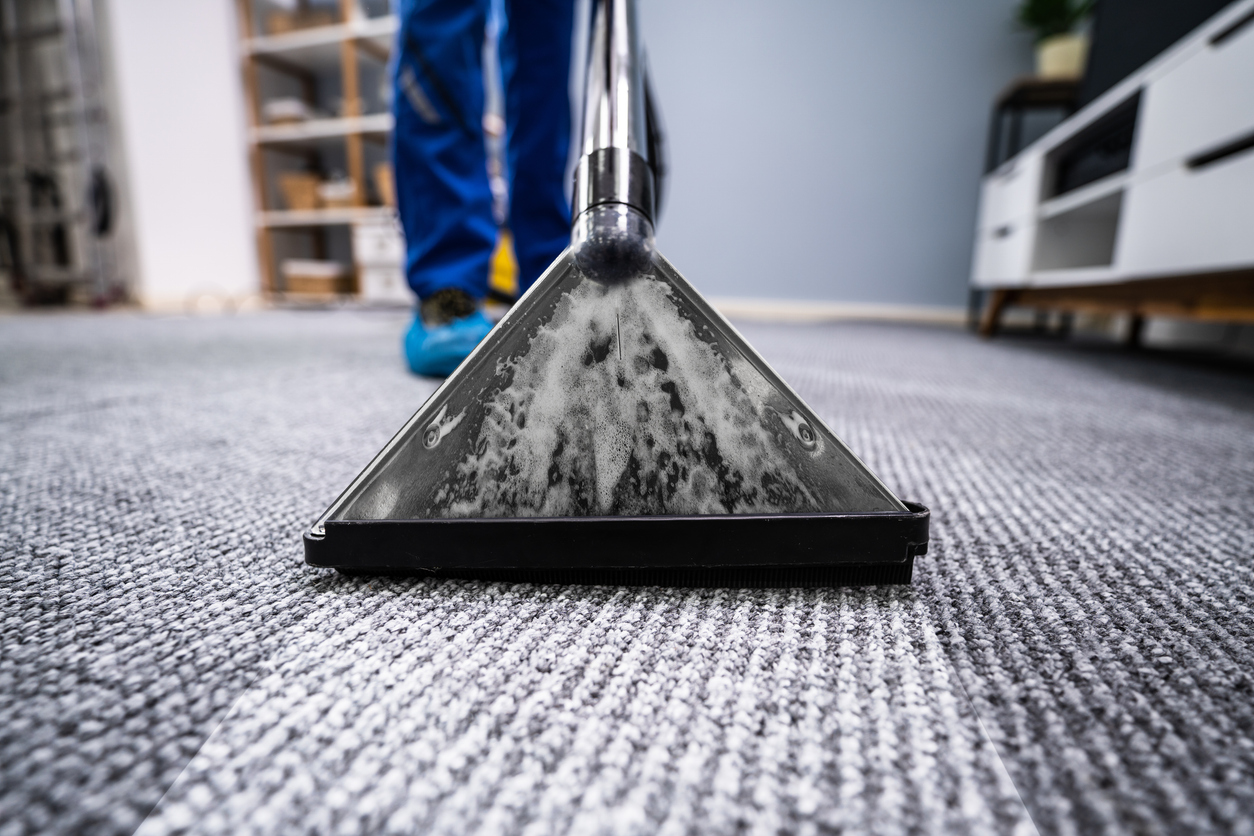
- Hot water extraction systems flush stains out from deep inside fibers, far beyond the reach of store-bought cleaners.
- Targeted heat treatments loosen and dissolve set-in stains without damaging the fibers.
- Controlled application prevents stains from spreading—a common problem when homeowners scrub or soak an area.
Professionals not only remove stains more effectively but also preserve the life of your carpet. Aggressive scrubbing or repeated chemical use can weaken fibers, making them wear out faster.
Why Calling a Professional Makes the Most Sense
Understanding the science behind stains is helpful, but it won’t lift that red wine blotch from your living room rug. Removing the toughest stains requires both specialized cleaning agents and equipment designed to reach deep into carpet fibers.
Instead of fighting a losing battle with DIY methods, homeowners can save time, money, and frustration by turning to a TrustDALE certified carpet cleaning professional. These experts are vetted for quality and accountability, so you can feel confident your carpets are in good hands.
Stains may be stubborn, but with the right science—and the right professional—they don’t have to be permanent.