


National Consumer Protection Week has a lot of good intentions floating around it, yet one day in particular comes with a very practical mission: help you keep your money and your identity. On Thursday, March 5, 2026, the Social Security Administration and the Social Security Office of the Inspector General lead the seventh annual National Slam the Scam Day, with a focus on recognizing and reporting government imposter scams.
This matters because these frauds do not rely on a complicated hack, they rely on a moment of fear, a rushed decision, and a believable voice on the other end of the line. Social Security related scams can arrive by call, text, email, or social media message, and the goal is usually the same: get your personal information or push you into sending money.
A National Day With a Simple Assignment
Slam the Scam Day sits inside National Consumer Protection Week, which runs March 1 through March 7 this year (you can read our recent blog on it here). It’s designed to be easy to join from anywhere. The SSA and OIG frame it as a nationwide push to help people spot, avoid, and report government imposter scams, with shareable resources that communities can pass along.
Think of it as a coordinated reminder that you do not have to be a “perfect victim” to be targeted; you just have to be reachable. Scammers count on the fact that many Americans have a relationship with Social Security, either for retirement, disability, Medicare related issues, or simply a Social Security number used across daily life. When a stranger claims they can suspend your number or “fix” a problem instantly, the story sounds official enough to hook attention before logic arrives.
Education and outreach are part of the week’s strategy, because awareness changes outcomes. If your household treats March 5th like a calendar nudge to rehearse what you would do, you’re already harder to scam.
The New Imposter Toolkit: Spoofing, Scripts, and AI Voices
Today’s scam attempts often look polished, sometimes eerily so, and you can’t be too careful. Fake calls, texts, emails, websites, and social media messages that claim to be tied to Social Security when they are not.
A common trick is spoofing, where the caller ID displays a government looking number even though the call is coming from somewhere else. Another tactic involves name dropping, using real employee names or official sounding titles to create a sense of legitimacy.
The script usually leans on urgency, because urgency shuts down verification. The Federal Trade Commission has repeatedly warned consumers that government agencies do not operate like scammers do: they do not demand money, they do not threaten you, and they do not pressure you into transfers. When you add AI generated voice tools into the mix, the delivery can sound calmer, more confident, and more “real,” which means your defense has to be a habit, not a hunch.
The Red Flags, and the Three Moves That Matter
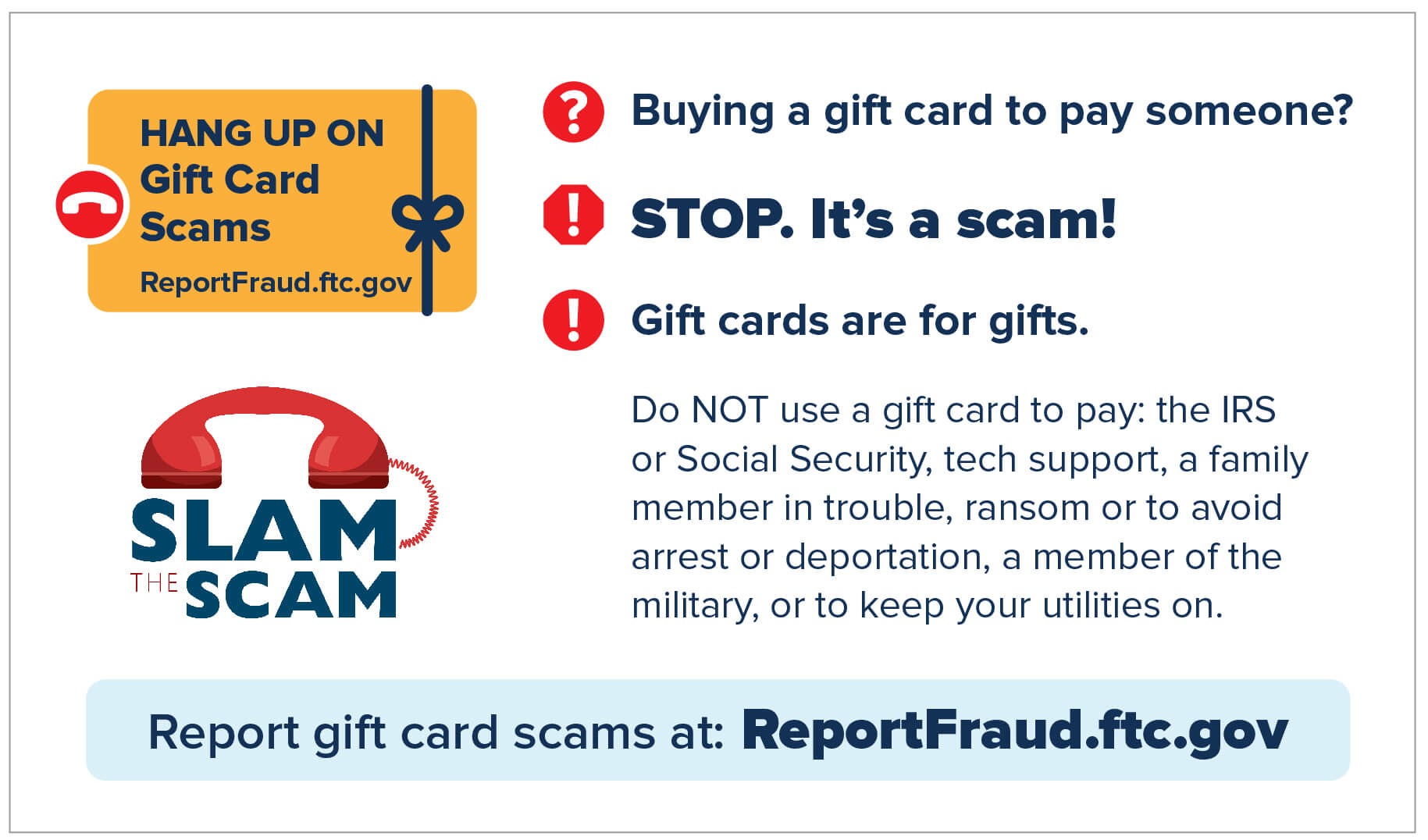
If you remember nothing else, remember this: Social Security will not threaten you with arrest, will not suspend your number, and will not demand payment by gift cards, cryptocurrency, wire transfers, or cash. Those warnings are central to SSA and OIG scam education materials for the public.
Here is a simple way to respond when something feels off:
- Hang up or stop responding immediately, especially if the message pressures you to act fast.
- Do not click links or open attachments, even if they look “official.”
- Report the attempt to the SSA Office of the Inspector General using its official reporting page.
- Report it to the FTC as well, since reports help track patterns and warn others.
- If you already shared information or sent money, report anyway, because embarrassment is a scammer’s favorite silence button.
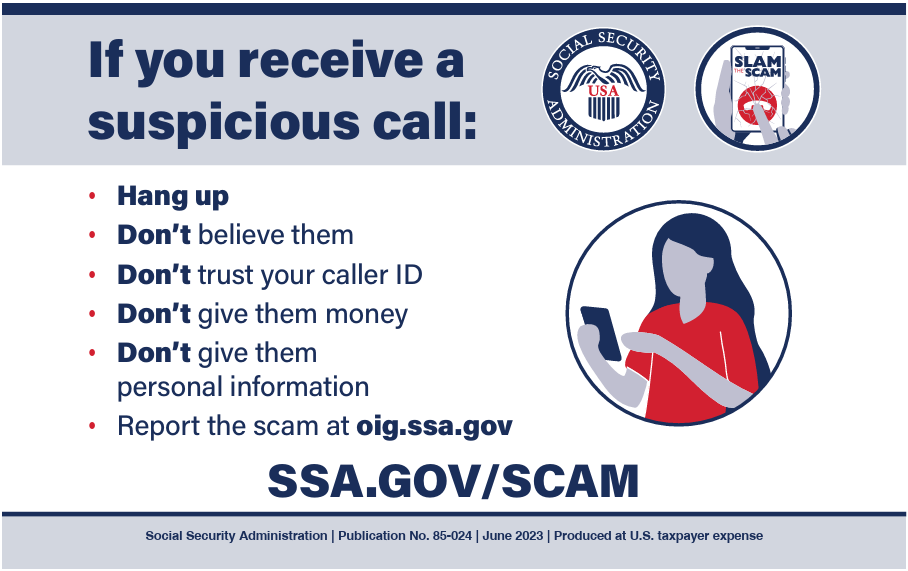
Notice what is missing from that list: debating the caller, proving them wrong, or trying to outsmart the script. The safer move is a clean exit followed by reporting, because real agencies want reports and scammers want conversation.
Turn March 5 Into a Household Drill
Slam the Scam Day works best when it becomes a short family conversation rather than a scary story you read once and forget. Take five minutes at dinner to describe one likely scenario, a call about “your Social Security number,” a text about “suspicious activity,” a message that offers to “fix” a benefits problem, then decide what your household rule will be when it happens.
If you manage an older relative’s tech, or you are the friend everyone calls when something looks weird, share SSA’s scam resources and remind people where to report. If you run or work at a small business, keep in mind that government imposters often target workplaces too, since one rushed employee can expose payroll data or payment accounts.
The point of National Consumer Protection Week is momentum, and March 5 gives that momentum a specific target. Use the day to practice refusing urgency, verifying through official channels, and reporting quickly, then carry the habit forward. When in doubt, close the door, lock it, and file the report through the SSA OIG and FTC tools that were built for exactly this moment.
You can read the SSA’s press release in its entirety here.
Visit the SSA’s Slam the Scam webpage here.