


A sunroom feels like a cheat code for your home. More daylight! More breathing room! A place that makes coffee taste better and rainy afternoons look intentional! All that, without packing a single box or sitting in endless traffic.
The thing is though, that fuzzy feeling can fade fast if the project is treated like a giant window install. Think of a sunroom as a small building attached to a bigger building. That means dealing with structure, water management, heating and cooling, and the awkward reality that your existing house may have opinions. Planning is where the value lives, and we’ll help you get there.
Pick the Purpose Before You Pick the Glass
Start with one blunt question: what will you do in this room, in July and in January? A casual three-season hangout has different needs than a year-round family room. Those differences show up in insulation, finishes, and mechanical planning. If you want plants to thrive, you’ll need to consider sun exposure. If you want movie nights, think about glare and outlets. If you want it to feel like part of the home, you’ll need to appraise things like ceiling height, flooring transitions, and how people move through the space.
Design choices stack. A soaring glass wall may look stunning, but then you remember privacy, furniture placement, and how the room will feel when the sun hits the same chair every afternoon. A roofline that matches the house can look seamless, but it can also complicate framing and drainage. Neither is wrong, yet each decision asks for another, second decision right behind it.
Comfort Is Built From Invisible Decisions
Sunrooms often run into trouble because they collect extremes. On a hot day, the room can turn into a sun powered greenhouse. On a cold night, it can feel like the home’s chilly appendix. Comfort comes from managing air, humidity, and surface temperatures, then making sure the room does not fight the rest of the house.
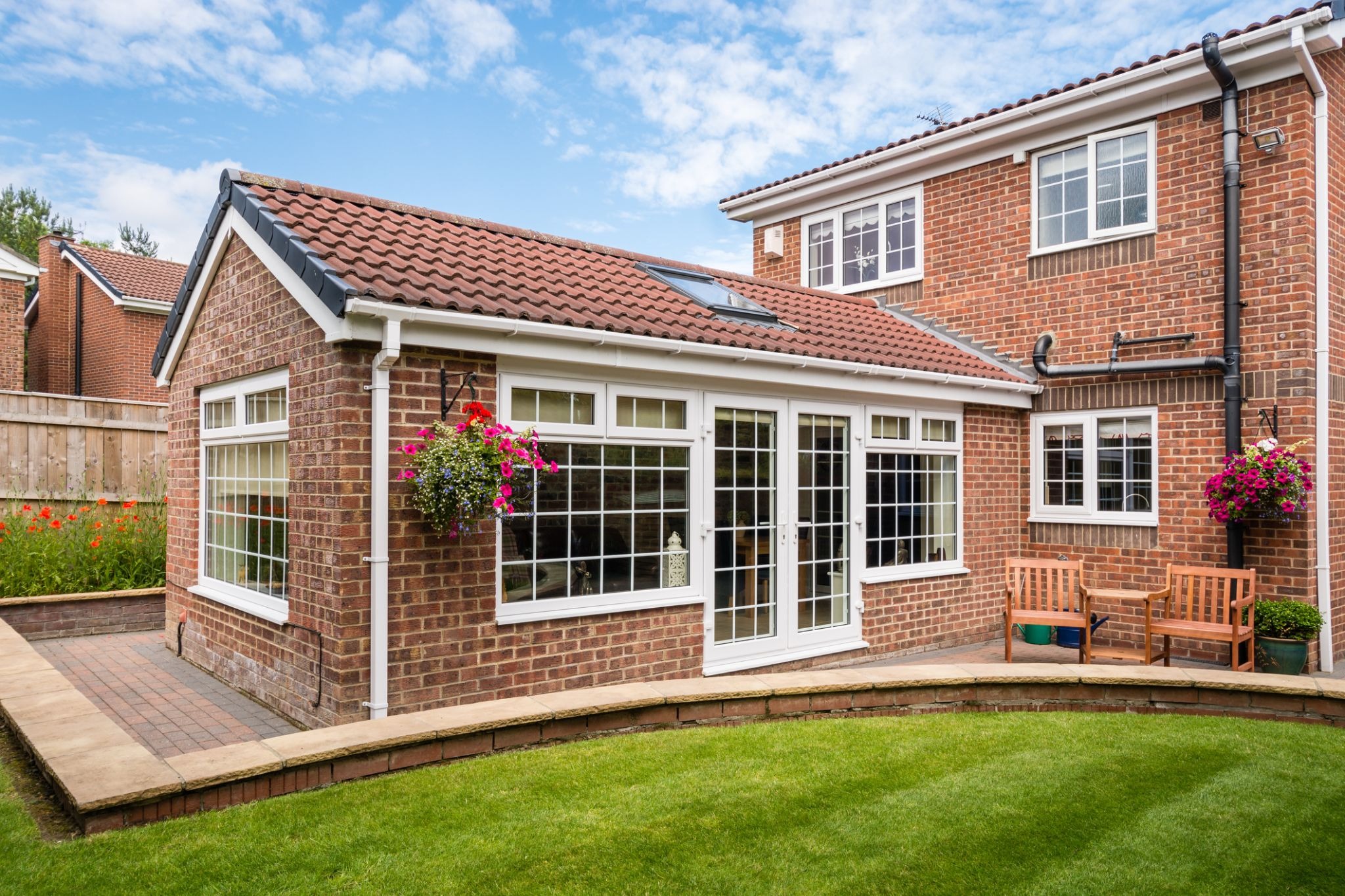
Think about ventilation and how air will move when the door is shut, which is how people actually live. Consider the floor, since tile, concrete, and thin surfaces can feel cold even when the air is warm. Pay attention to shading, because blinds added later can feel like an apology for a design choice that could have been handled earlier through layout, overhangs, or glazing selections.
Moisture deserves its own spotlight. A sunroom brings temperature swings, which can bring condensation, which can bring odors and damage if the room is sealed poorly. This is why details like air sealing, flashing, and the way the new structure meets the old one matter so much. It is not glamorous work, it is the work that keeps the room from aging like a banana.
Permits, Paperwork, and the Schedule You Actually Live With
A sunroom addition usually triggers a chain of approvals and inspections, and those steps take time. Your local rules may cover setbacks, roof tie-ins, electrical work, and structural requirements. A homeowner can sometimes handle the paperwork, though many people prefer a contractor who pulls permits and coordinates inspections because it reduces friction and keeps accountability clear.
The timeline is rarely only “build time.” You may wait on drawings, engineering, approvals, and lead times for windows and doors. Weather can slow foundation and exterior work, and a surprise under an existing patio or deck can force a rethink. The more complex the sunroom, the more that schedule matters, especially if you are living in the house while it is happening.
Plan for disruption like an adult, not like an optimist. Where will pets go, where will dust travel, which door becomes the daily entrance, and what happens if the kitchen table has to move for three weeks. These practical questions sound small until day nine.
DIY vs Pro: Where the Line Usually Gets Drawn
A handy homeowner can contribute to a sunroom project, and there are safe ways to do it. Painting, trim, basic finishes, and even some interior prep can be reasonable, assuming you are working around the schedule and not blocking the trades. The risk spikes when you touch structure, the building envelope, roofing tie-ins, and electrical, because mistakes there often hide until the first hard rain or the first full season of temperature swings.

When you hire a professional, the goal is not just workmanship. You are buying sequencing, coordination, and judgment, which is why vetting matters. Ask how they handle change orders, how they protect the home during construction, and what the plan is for water management where old meets new. Get the scope in writing, insist on clarity about materials, and treat vague promises like they are missing parts.
Use one tight checklist when you interview contractors for a sunroom:
- Who will pull permits and schedule inspections
- How the new roof and walls will be tied in and waterproofed
- What is included in the price, and what is not
- How heating, cooling, and ventilation will be handled
- What warranty is provided, and what it covers
A sunroom should feel easy once it is finished, a calm bright space that fits the home rather than hovering beside it. Spend most of your energy before the first hammer swing, choose comfort on purpose, and you will end up with a room you use for years instead of a project you keep explaining.