

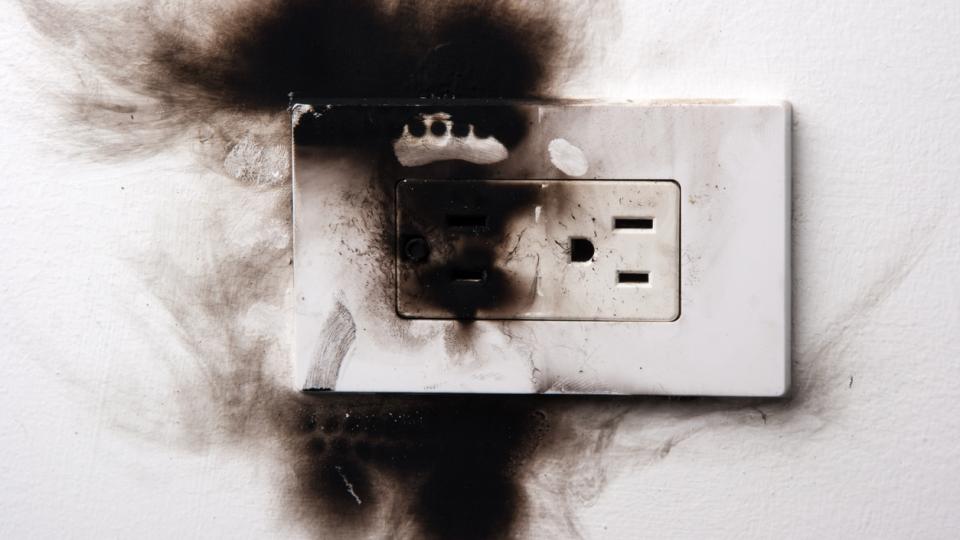
Most electrical problems don’t enter the room with smoke, sparks, and drama. They tend to whisper first, through a faint buzz behind an outlet, a lamp that flickers when the microwave starts, or an extension cord that has quietly become a permanent part of the living room furniture.
In this blog, we’ll look at the everyday electrical mistakes homeowners make without realizing it, why those habits can become risky, and when it’s time to stop troubleshooting and call a trained electrician. Electricity is wonderfully convenient when the system is healthy, but once warning signs start showing up, guessing gets expensive fast.
The Buzz That Shouldn’t Blend Into the Background
A buzzing outlet is never something to mentally file under “old house sounds.” A small hum can come from loose connections, worn components, overloaded circuits, or a device that isn’t sitting properly in the receptacle. The danger is that heat can build behind the wall before anything looks obviously wrong from the outside.
If the outlet feels warm, smells burnt, looks discolored, or makes noise even after unplugging the device, leave it alone and call a professional. Don’t remove the cover plate and start investigating unless you’re qualified to work safely around live electrical systems. That small plastic rectangle on the wall is connected to a much larger network, and the problem may sit deeper than the visible outlet.
Extension Cords Are Guests, Not Roommates
Extension cords are useful for temporary needs, such as powering a tool for a short job or running seasonal décor for a limited time. Trouble begins when a cord becomes a permanent workaround for too few outlets, a poorly placed appliance, or an overloaded room.
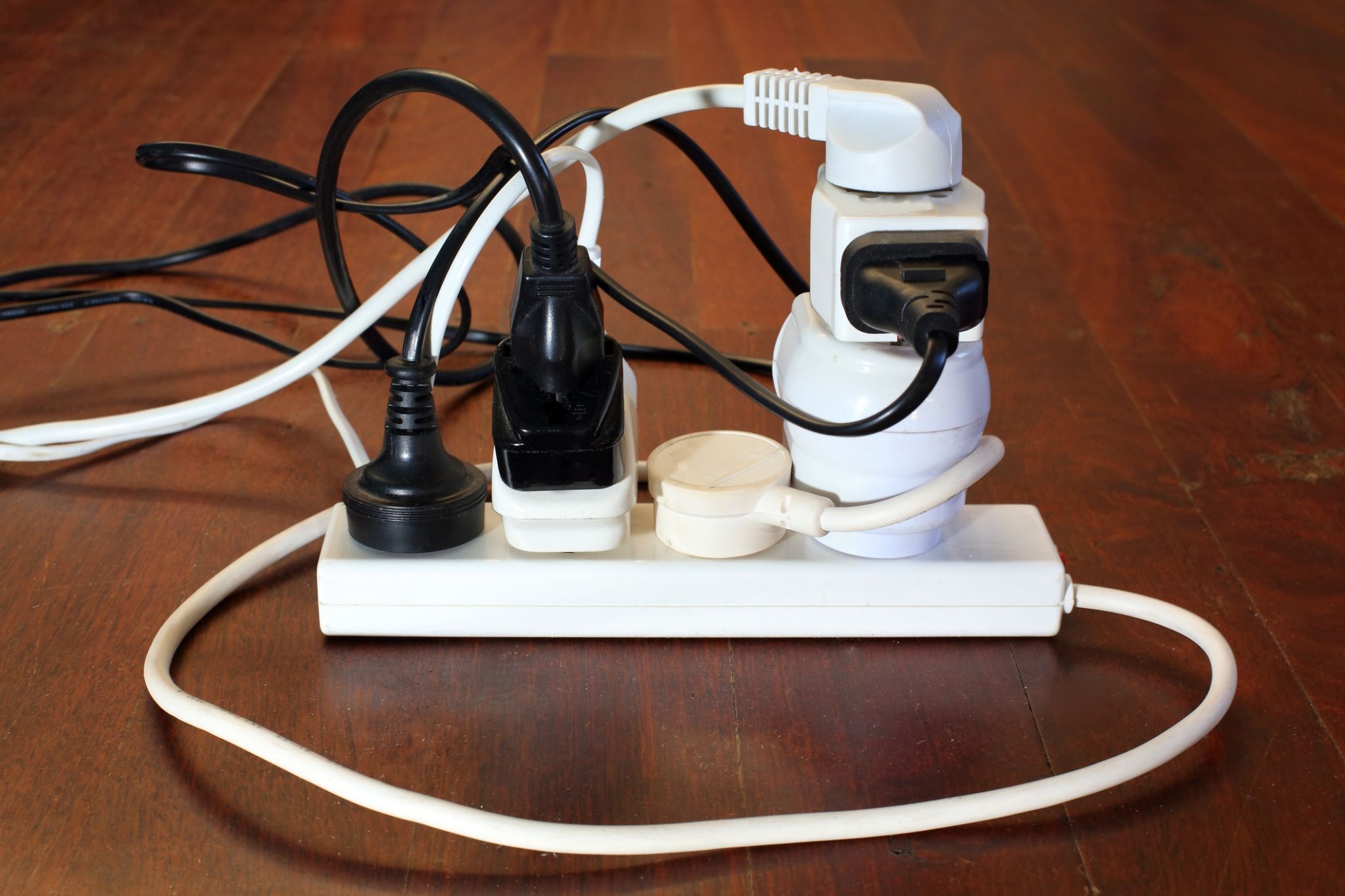
The U.S. Consumer Product Safety Commission warns that extension cords can overheat and cause fires when they’re overloaded, damaged, or used improperly, and specifically notes that they should only be used temporarily. Overheating often happens when a cord carries more wattage than it’s designed to handle, especially with appliances that pull a lot of power.
[Author’s note: my husband is an electrician, and he wanted me to add another major point to this section. Under no circumstances should you ever plug a space heater into an extension cord or surge protector. Even for a short amount of time, your chances of starting an electrical fire skyrocket when a space heater is plugged anywhere but a wall outlet. Just don’t do it.]
If you’re relying on extension cords every day, your home may need additional outlets, a dedicated circuit, or a broader electrical evaluation. That’s a better fix than hiding cords under rugs, pinching them behind furniture, or chaining them together because the nearest outlet is inconveniently far away.
Breakers Are Messengers, Not Annoyances
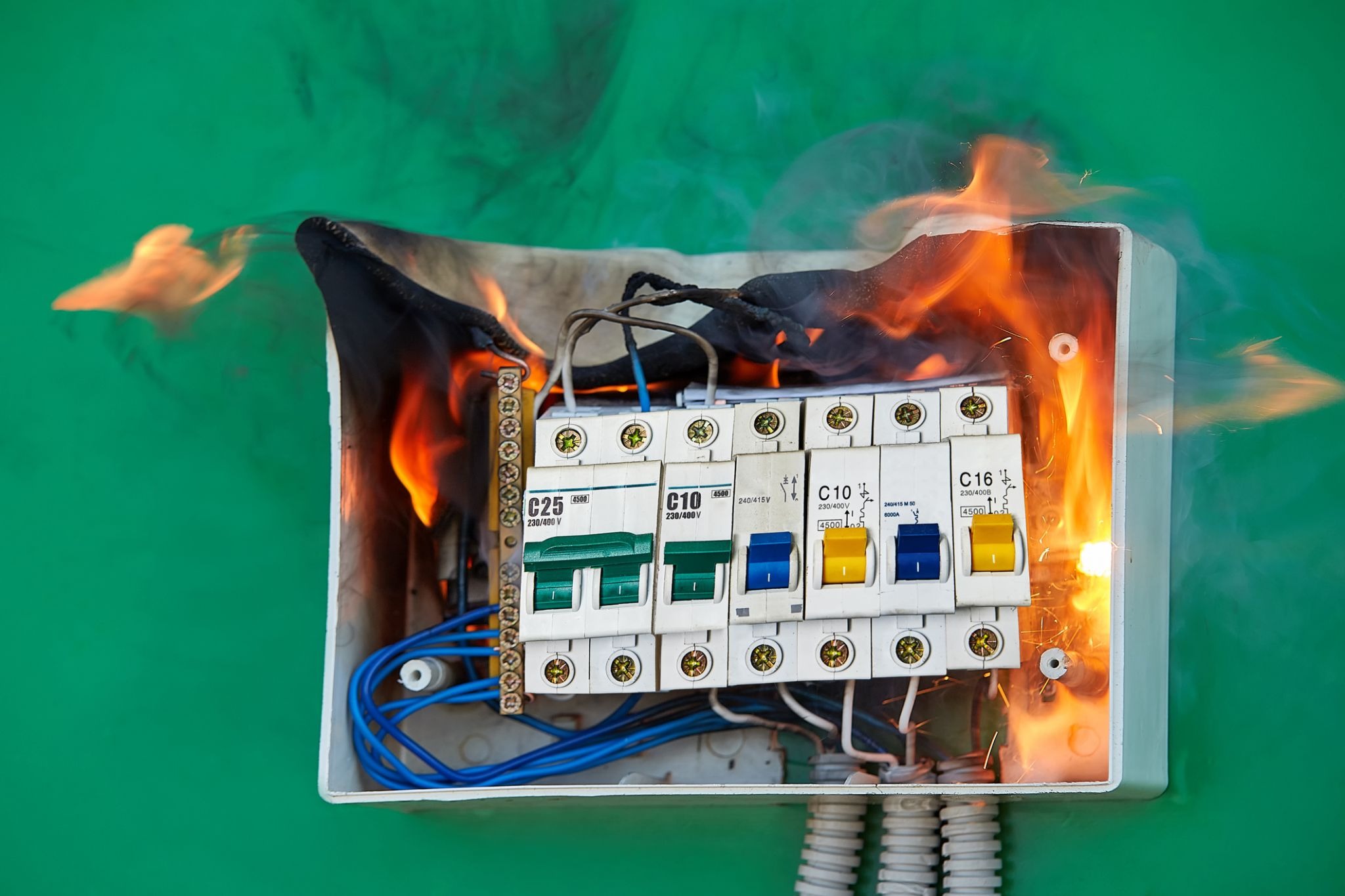
A breaker that trips once may simply be doing its job. A breaker that trips repeatedly is trying to tell you something, and resetting it over and over doesn’t solve the load issue behind the panel.
Frequent breaker trips can point to overloaded circuits, a short circuit, ground fault trouble, aging wiring, or equipment drawing more power than the circuit can handle. Homeowners sometimes treat the panel like a stubborn light switch, flipping the same breaker back on until the power stays put. That habit skips the reason the breaker shut off in the first place.
The National Fire Protection Association reports that electrical distribution or lighting equipment caused an estimated annual average of 31,650 home structure fires from 2019 through 2023, resulting in 430 civilian deaths, 1,300 civilian injuries, and $1.6 billion in direct property damage. Electrical systems deserve more respect than a quick reset and a shrug.
Little Warning Signs That Deserve a Second Look
Some electrical red flags feel small enough to ignore, especially when the lights still work and nothing has failed completely. That’s exactly why they get missed.
Watch for flickering lights that happen regularly, outlets that no longer hold plugs snugly, switch plates that feel warm, burning odors near electronics, sparking when plugging something in, or lights that dim when a major appliance turns on. One sign doesn’t automatically mean disaster is hiding in the wall, but repeated patterns deserve attention from someone who knows how to test the system correctly.
DIY repairs can also make problems worse. Replacing an outlet may look simple in a video, but the safety of that repair depends on wiring condition, grounding, circuit load, box fill, device rating, and whether the existing setup was correct to begin with. The visible part of the job is rarely the whole job.
What a Professional Electrical Visit Should Look Like
When an electrical issue has moved beyond a simple burned-out bulb or a one-time tripped breaker, homeowners should expect more than a quick glance and a vague repair quote. A qualified electrician should inspect the problem safely, test the affected area, explain what may be happening behind the outlet or panel, and make sure the proposed fix matches the actual risk. Electrical work often involves hidden connections, circuit loads, grounding, older wiring, and safety rules that aren’t visible from the room where the problem first appears.
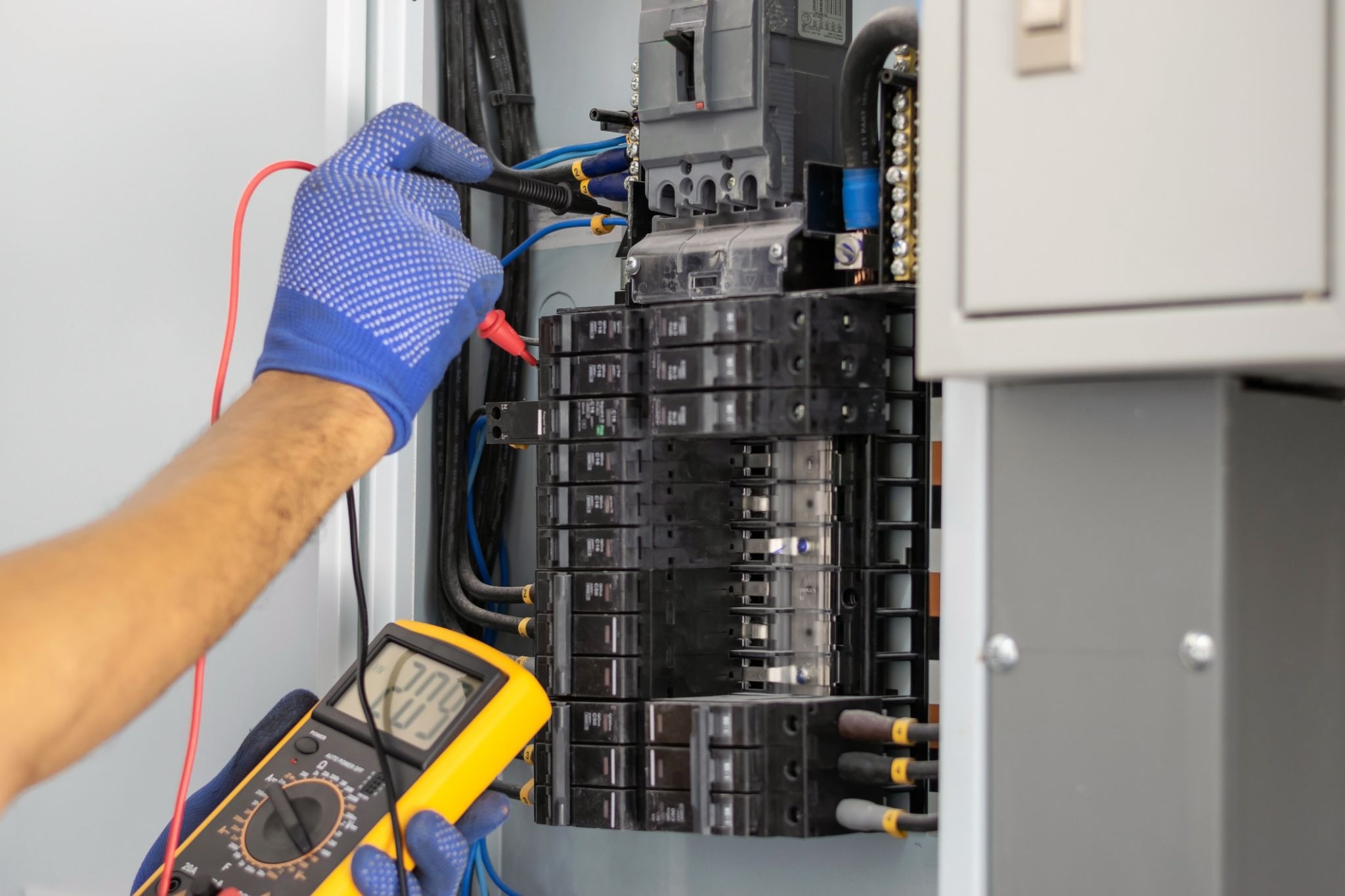
Snappy Services is a strong example of what homeowners should look for in a professional electrical company. Their electrical team handles repairs, inspections, lighting, outlets, panels, generators, surge protection, and other home electrical needs with trained technicians and a service process built around clear communication. For a homeowner dealing with buzzing outlets, flickering lights, or repeated breaker trips, that kind of professional approach helps replace guesswork with answers. The goal isn’t just to get power flowing again; it’s to understand whether the home’s electrical system is working safely enough to trust.
Stop Normalizing Electrical Weirdness
Electrical problems are easy to postpone because they often don’t interrupt daily life at first. The outlet still works. The breaker resets. The cord hasn’t failed yet.
That kind of thinking lets small warning signs become household wallpaper.
If something buzzes, trips, flickers, heats up, smells strange, or depends on a maze of cords to function, bring in a qualified electrician before the problem decides its own timeline. To protect your home and your peace of mind, contact TrustDALE certified partner Snappy Services or request a quote from a vetted electrical professional who can inspect the issue safely and explain your options clearly.