


Insulation is one of those home improvements people usually think about after the house has already made its case. The upstairs rooms feel stubbornly hot, the winter drafts find every weak spot, and the HVAC system seems to work harder than it should. Rebates can make the project more appealing, but you need to be careful about what kind of incentives that are actually available.
This blog explains the insulation rebate details homeowners often miss, including why the old federal tax credit conversation has changed, what Georgia homeowners should check now, how eligibility can depend on income and approved contractors, and why clear documentation matters before any work begins. It also explains how a trusted professional such as R.S. Andrews can help homeowners make sense of the house before they start chasing savings.
The Federal Tax Credit Door Has Mostly Closed
For several years, homeowners heard a lot about the Federal Energy Efficient Home Improvement Credit, which included certain insulation and air sealing materials. That credit was useful for qualifying projects completed during its active window, but it’s not the right path for insulation savings these days.
The good news is that the Energy Efficient Home Improvement Credit can be claimed for improvements made through December 31, 2025. So basically, if you had any qualifying insulation work done on your home between January 2023 and the end of 2025, you can still discuss snagging that credit with a tax professional.
The bad news is any new insulation projects aren’t going to qualify.

Rebates Are the Better Savings Option for 2026
For homeowners in Georgia, the better question is whether your insulation project qualifies for a rebate. Georgia’s Home Energy Rebates program includes incentives for insulation, air sealing, HVAC, electric appliances, and other home improvement measures. Eligible households can receive savings based on income and expected energy savings, with some able to qualify for larger incentives when the work fits program rules. You can review current program information through their website.
That’s a very different conversation from a tax credit, since a rebate may require a specific process before the project begins. Homeowners usually need an approved contractor, an energy assessment, income verification, or preapproval before being eligible.
Bureaucracy, amirite?
Homeowners who install insulation first and ask about rebates later tend to discover that they missed a program requirement hiding near the front gate.
The Contractor Rule Can Decide the Outcome
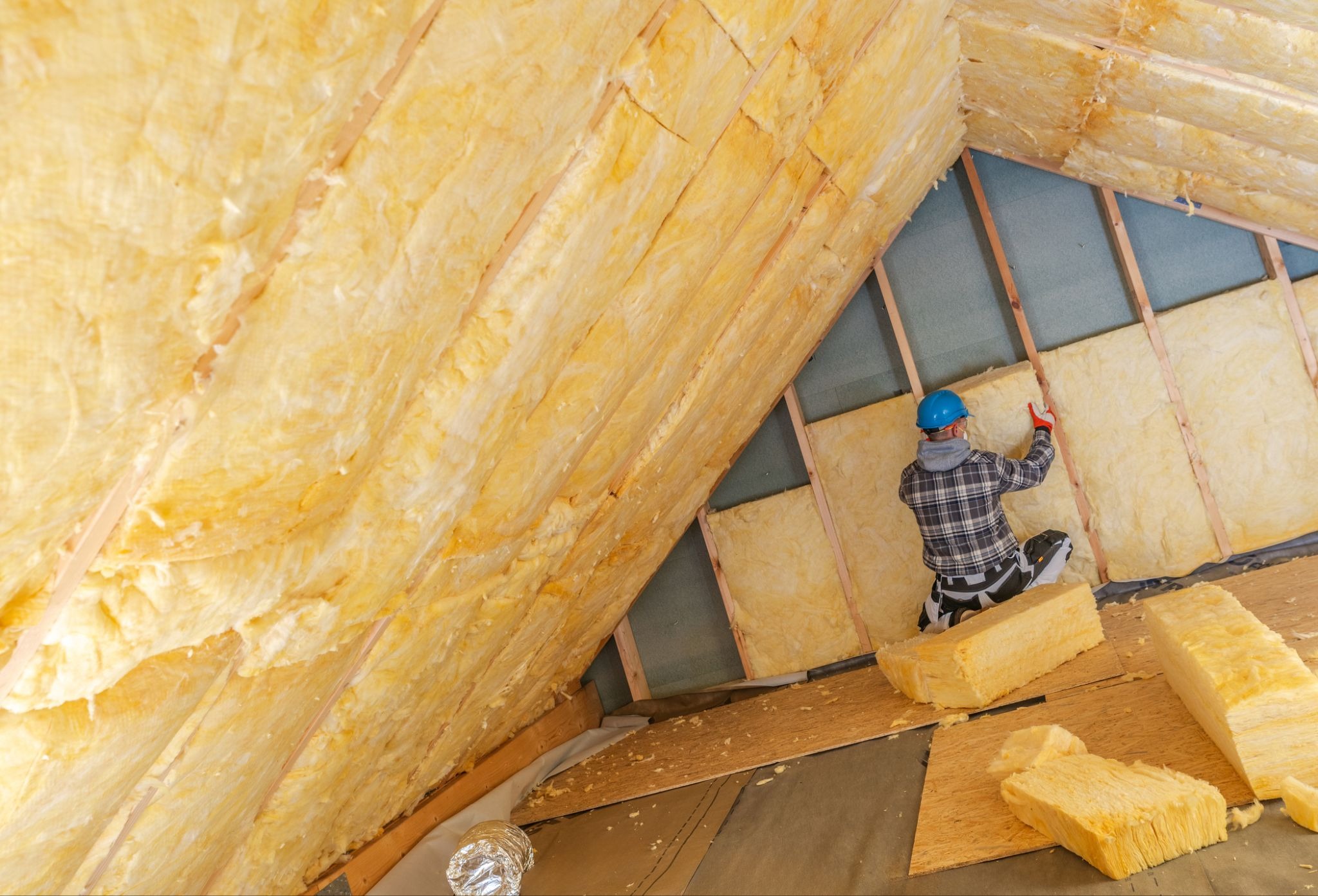
Rebate programs often care who performs the work, how the project is documented, and whether the improvement meets program standards. That can surprise homeowners who are used to thinking of insulation as a simple material purchase. Attic insulation may look straightforward from the hallway ladder, but the real work involves measuring existing insulation, checking air leaks, evaluating ventilation, protecting recessed fixtures, and understanding how the attic connects to the rest of the home.
Before signing a contract, ask whether the contractor participates in any rebate programs, whether the project needs preapproval, and whether the invoice will clearly describe the materials and work performed.
A vague invoice may be harmless for a small repair, but rebate paperwork tends to prefer cleaner evidence.
Don’t Let the Rebate Distract From the House
A rebate can help with cost, but it should not become the reason to choose the wrong scope of work. Some homes just need added attic insulation, while others need air sealing first, then duct work, ventilation adjustments, or a closer look at moisture.
A house with major air leaks can still feel uncomfortable even after new insulation is added, because conditioned air keeps escaping through gaps the homeowner never sees.T hat’s where an experienced insulation professional becomes valuable.
R.S. Andrews works with attic insulation, air leak sealing, duct related concerns, and broader home energy performance needs. For homeowners, comfort problems rarely arrive wearing name tags. A hot second floor, high utility bills, and drafty rooms may all point to the attic, but the right solution still needs a careful look before anyone starts blowing in more material.
The Paperwork Is Part of the Project
The most useful rebate advice is also the least glamorous: keep the paperwork clean from the beginning.
Save the estimate, final invoice, proof of payment, product information, project date, and any assessment results. If a rebate application requires contractor information or specific project details, it’s much easier to gather those items while the job is fresh (not weeks later when everyone is trying to reconstruct the attic from memory).
Photos help too, especially before and after pictures of attic insulation depth, air sealing work, or accessible problem areas. They may not replace formal documentation, but they can make the project record easier to understand.

Check Before You Insulate
The biggest insulation rebate mistake in 2026 is assuming last year’s incentive rules still apply. Federal tax credit language may still be floating around online, but homeowners planning new insulation work should focus on current rebate programs, eligibility rules, contractor requirements, and documentation before the project begins.
If your home feels drafty, uneven, or expensive to heat and cool, start with a professional assessment instead of chasing rebate rumors. TrustDALE certified partner R.S. Andrews can help Metro Atlanta homeowners understand whether insulation, air sealing, duct improvements, or a combination of upgrades makes sense for the home. From there, you’ll be in a better position to ask the right rebate questions before the work starts.