
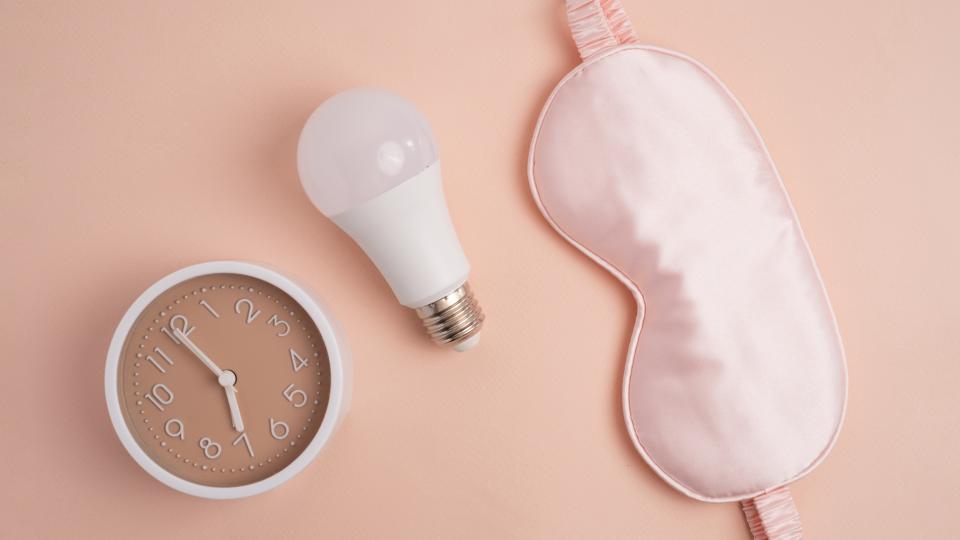
While most indoor lighting remains static, leaving us in harsh or dim environments that clash with our biological needs, circadian lighting follows the cues that our bodies already recognize . By investing in circadian lighting, a system that intelligently adjusts brightness and color temperature to mirror the sun, you can transform your living space into a tool for better focus, comfort, and restorative sleep. If you are tired of struggling with fatigue or the jarring feeling of bright lights at night, this guide explains how to design a smart lighting system that truly enhances your daily rhythm.
Modern smart lighting is moving beyond simple voice commands and lower power use. Often referred to as human centric lighting, this technology adjusts the brightness, warmth, and timing of indoor light to synchronize with our circadian rhythm. By borrowing cues from natural daylight patterns like sunrise, high noon, and the glow of the evening, these systems create an environment that feels biologically intuitive.
The Trust Issues podcast episode "Smart Moves" takes a deeper dive into circadian lighting with the pros at Intuitive AV
Key Takeaways
- Synchronized Rhythms: Circadian lighting mimics natural daylight patterns by adjusting light temperature and intensity throughout the day to support the body's internal sleep-wake cycle.
- Design Over Novelty: Effective systems prioritize thoughtful fixture placement and user-friendly controls rather than simply relying on automated color-changing bulbs.
- Gradual Transitions: To maintain comfort and avoid jarring shifts, lighting should change in small, imperceptible increments rather than abrupt transitions.
- Context Matters: A successful setup must account for individual room requirements, such as existing window exposure and specific tasks, while ensuring manual overrides are always available for occupants.
- Supportive, Not Curative: While these systems enhance comfort and productivity, they are intended to complement healthy lifestyle habits rather than replace professional medical advice for sleep or mood conditions.
What Circadian Lighting Means in a Smart Home
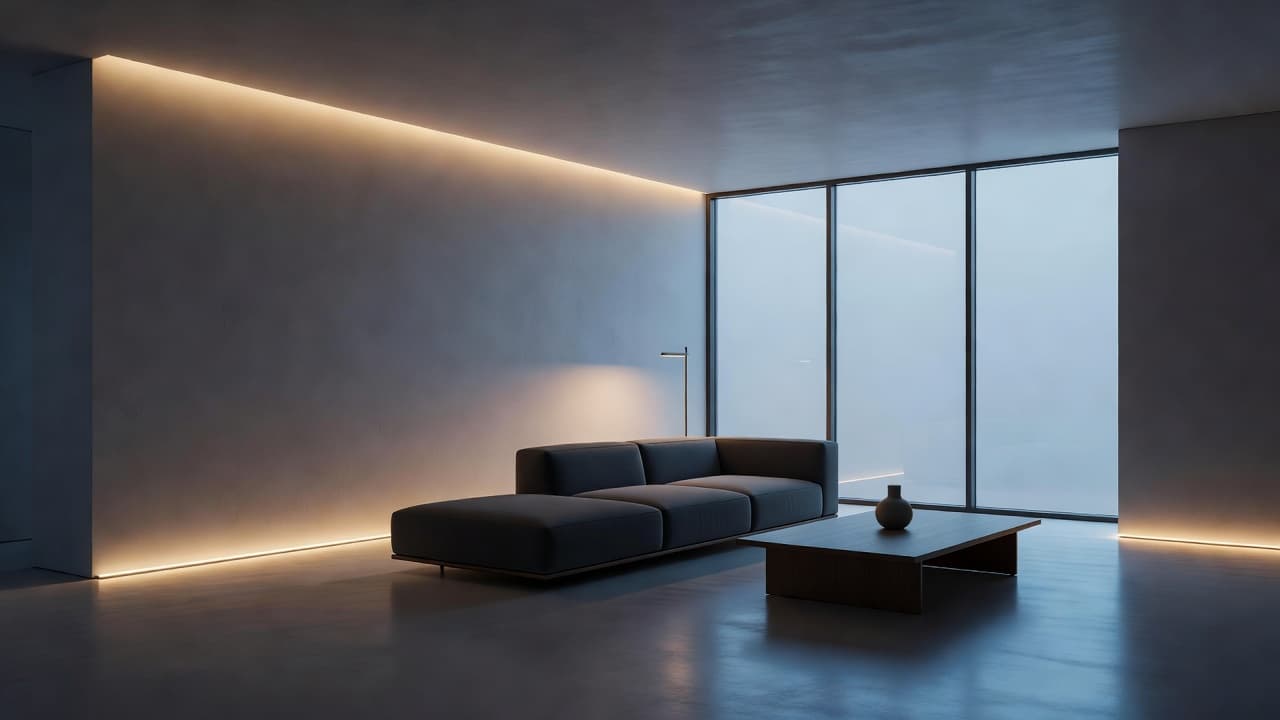
Circadian lighting is programmed lighting that changes gradually according to the time of day, occupancy, or a chosen schedule to align with your internal circadian rhythm. Daytime settings often use brighter, cooler white light to support the natural sleep-wake cycle. Evening settings shift toward dimmer, warmer light that feels less stark after sunset, helping to prepare the body for rest.
Ordinary dimmers only change brightness, and motion sensors simply switch lights on or off. While color-changing bulbs offer many hues, they do not automatically create a useful daily rhythm on their own. A professional circadian lighting system combines timing, intensity tuning, and color tuning to provide a more holistic experience.
Light is a primary environmental factor that affects both the visual and non-visual systems of the eye. By managing blue light exposure throughout the day, these systems can influence hormone regulation, specifically melatonin production. Because blue light exposure suppresses melatonin production at night, controlling these levels is essential for overall wellbeing. It is important to note that this is not a medical treatment; it cannot replace consistent sleep hygiene, limit late-night screen use, or cure underlying health conditions. Still, controlled indoor light can make a home or workplace feel more comfortable and less jarring during the wrong hours.
Systems may use smart bulbs, tunable-white fixtures, hubs, wall keypads, sensors, apps, voice assistants, or centralized automation. The most effective setup is usually the one occupants can control without having to open an app every time a room feels too dark or bright.
How Light, Color Temperature, and Timing Work Together
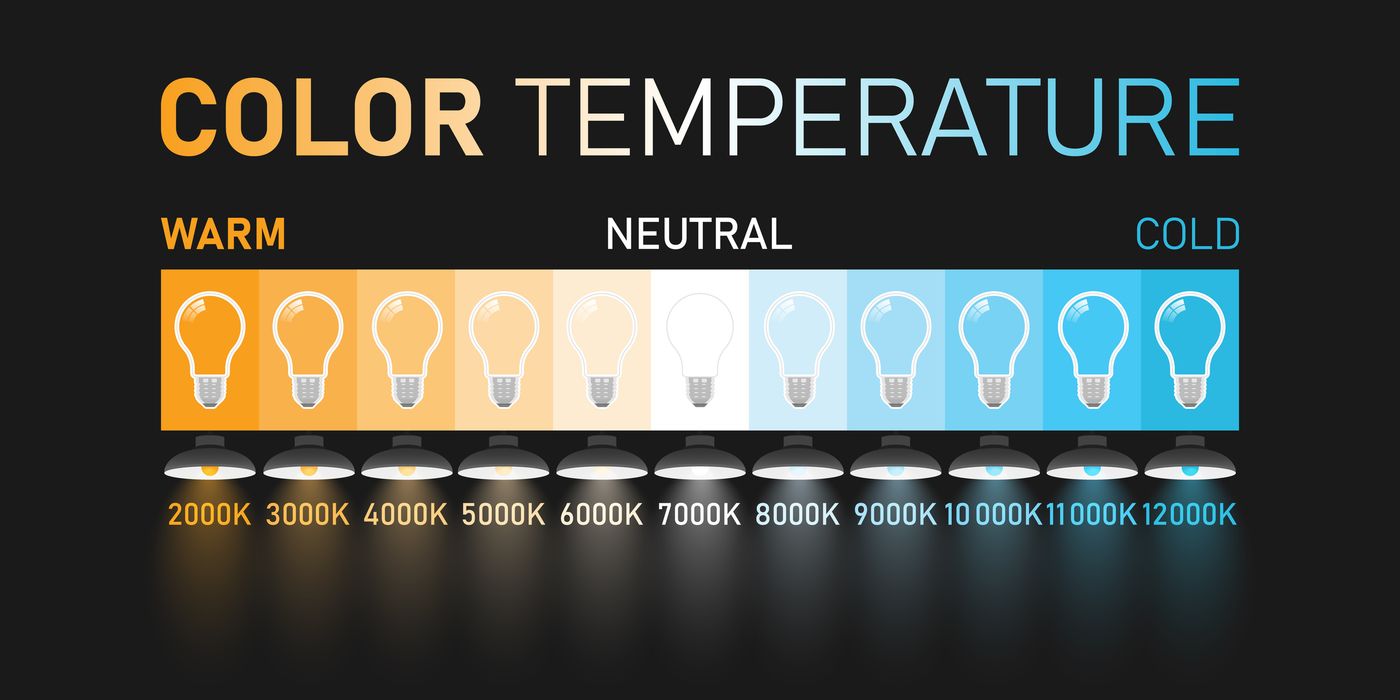
Light color is measured in kelvins, a scale used to define correlated color temperature. Lower settings, typically between 2200K and 3000K, appear as a warm amber or soft white. Higher settings, commonly ranging from 4000K to 6500K, appear as a crisp, cool light that mimics natural daylight hours.
A well-programmed system does not snap from warm to cool abruptly. Instead, it changes in small, imperceptible increments. Morning light may brighten slowly to help you wake up, midday light may shift to a cleaner, cooler white to encourage productivity, and evening light will soften significantly before bedtime.
The experience differs from room to room based on window exposure, lamp placement, reflective surfaces, and individual sensitivity. A dark north-facing office may require more intense daytime output than a sun-filled kitchen. Product guides on how circadian lighting works can help explain the basic warm-to-cool progression, but your specific room conditions determine whether that transition feels helpful or distracting.
Where Circadian Lighting Has the Most Value
Bedrooms often benefit from low, warm settings in the evening and gentle light in the morning to support the body's natural processes. Bathrooms can use a dim, warm nighttime path light that avoids a sudden blast of bright white illumination, which can disrupt sleep patterns. Kitchens, living rooms, and hallways benefit when schedules support both active daytime use and calmer evenings.
Home offices often need consistent, bright task lighting to maintain focus during work hours. In professional settings, such as healthcare environments, these systems are highly effective at promoting alertness and focus among staff members. However, a standard weekday program may not work for a restaurant closing at midnight, a medical office with irregular appointments, or a business with overnight staff.
Classrooms, clinics, and offices with long indoor hours gain significant advantages from tunable lighting. When implementing these systems, management should prioritize occupant comfort, manage glare, and account for the amount of natural light entering the space. While home circadian-lighting guidance often focuses on personal sleep and productivity, a truly comfortable environment requires thoughtful fixture placement and a sensible approach to light intensity, color temperature, and color consistency.
How a Circadian Lighting System Is Designed and Installed
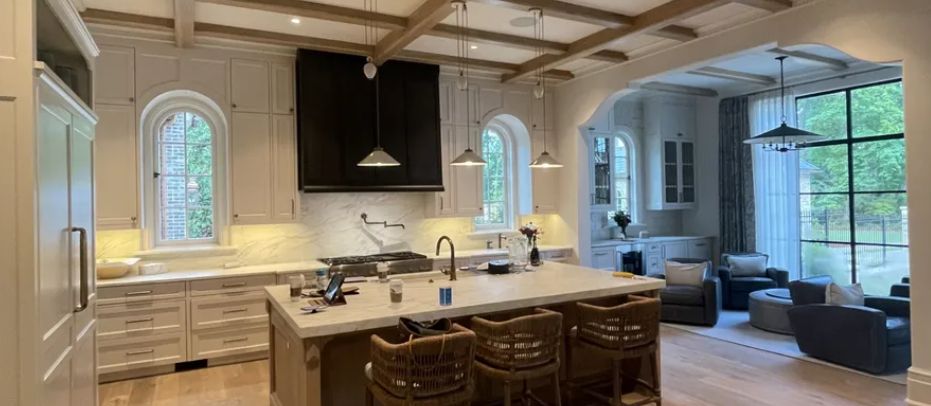 Intuitive AV installed a variety of lighting options in this kitchen
A proper design begins with the room, not the app. An electrician or smart-home integrator should assess existing fixtures, dimmers, switches, wiring, available natural light, and the way people actually use the space.
Fixture placement matters because a bright LED luminaire in the wrong location can create glare without providing useful light. Light output, dimming range, color quality, and flicker-free performance are essential to ensure visual comfort. Many smart lighting options can dim, yet not every bulb works correctly with every older dimmer.
Lighting should fit a larger plan for networking, power, controls, and backup behavior. Smart-home automation planning can prevent common problems, such as a wall switch cutting power to a smart bulb or an internet outage disabling basic room controls.
Smart Bulbs, Tunable Fixtures, and Whole-Home Controls
Smart bulbs are the simplest starting point. They work well for lamps, small rooms, and rental-friendly upgrades. However, they can become unreliable when someone turns off the wall switch, and replacing many individual bulbs creates long-term maintenance.
Tunable-white led luminaires cost more upfront but usually produce more even light and a cleaner finished appearance. They are often the stronger choice for kitchens, remodeled bathrooms, offices, and larger common spaces where lighting quality matters every day.
Connected lighting systems can link fixtures, shades, sensors, wall controls, and programmed scenes. They may use Wi-Fi, Bluetooth, Zigbee, Z-Wave, Matter, or a manufacturer hub. No protocol is right for every property.
Wi-Fi products may be easy to buy and install, although a crowded network can create delays. Hub-based systems can provide more dependable local control, but they require careful setup and future service access. Centralized systems reduce clutter on walls, yet they usually require professional design and wiring decisions early in a renovation.
In the Trust Issues podcast, automation expert Eric Rasmussen of TrustDALE Certified Partner Intuitive AV said circadian rhythm technology is really moving to mimic what the sun's color temperature has done for thousands of years.
Comparing Circadian Lighting Hardware
Choosing the right hardware depends on your budget, existing infrastructure, and desire for long-term maintenance. The table below outlines the trade-offs between common system types.
| Option | Pros | Cons | Best For |
|---|---|---|---|
| Smart Bulbs | Low entry cost, DIY install, fits existing sockets. | Fragile state if switch is off, high maintenance for whole-home. | Lamps, rentals, single-room tests. |
| Tunable Fixtures | Professional quality, even light, durable, cleaner look. | Higher upfront cost, requires electrical installation. | Kitchens, bathrooms, permanent upgrades. |
| Centralized Controls | High reliability, intuitive wall-mounted keypads. | Requires professional design, complex wiring. | Whole-home automation, new builds. |
The Daily Schedule Should Match the Space and the People in It
A schedule should reflect actual routines rather than a generic sunrise-and-sunset template. A kitchen used at 5:30 a.m. needs different settings than one used mainly for late dinners. A home office may need brighter daytime scenes, while a nursery may need warm, low-output settings that preserve a calm nighttime environment.
Useful adaptive automation for your home should include:
- Wake-up automation featuring gradual brighter light during active morning and daytime hours.
- A warmer, lower-glare transition during the evening.
- Very low nighttime pathways in bathrooms, halls, and kitchens.
- Separate schedules for weekends, vacations, and night-shift households.
- Manual overrides that offer total control while remaining simple for guests, children, and staff.
Testing matters. A setting that appears pleasant at noon may feel too bright after dark. Controls should allow occupants to pause an automated schedule or select a scene without disrupting every other room.
Costs, Benefits, and Limits of Circadian Lighting
The investment required for circadian lighting varies widely. A simple DIY retrofit using smart bulbs typically ranges from $50 to $500 per room. In contrast, a comprehensive whole-home system using advanced LED luminaires, integrated keypads, occupancy sensors, and professional programming often costs between $2,500 and $20,000 or more. Commercial projects add further complexity due to ceiling height, code requirements, network planning, and the specific needs of diverse work schedules.
Written estimates should clearly separate costs for fixtures, controls, labor, programming, wiring changes, and ongoing service. This structure makes it easier to compare a basic room upgrade with a large-scale, automated installation.
The strongest benefits of these systems are practical. Circadian lighting can reduce evening glare, make multi-use rooms more flexible, provide gentler nighttime navigation, and give property managers more control over energy and mood. Results vary because light quality, room design, and occupant habits differ from one space to the next.
A lighting system should not be sold as a cure for insomnia, fatigue, depression, or any medical condition. The role of light in a home setting is best understood as one part of a broader environment that includes daylight, sleep habits, work demands, and individual preference. When designing these systems, it is important to understand that bright, blue light can lead to melatonin suppression in the evening. Effective stimulus tuning allows the system to adjust intensity and color temperature to minimize this disruption, helping to align your home environment with your natural biological rhythms.
Circadian lighting does not typically provide significant energy savings compared to standard LED lighting, as its primary purpose is wellness rather than power reduction. Because the system continuously adjusts light output and temperature throughout the day, any potential savings from dimming are often offset by the power requirements of smart components and persistent connectivity. Ultimately, energy efficiency remains secondary to the goal of synchronizing your indoor environment with natural light patterns.
Questions to Ask Before Choosing Products or an Installer
The right questions expose weak proposals before equipment arrives. Homeowners and managers should ask whether current dimmers, fixtures, switches, hubs, and voice assistants will work with the proposed system.
Other questions matter just as much:
- What still works when Wi-Fi or internet service fails?
- Can staff or family members control lights manually at the wall?
- Who handles software updates, account access, and troubleshooting?
- Does the manufacturer collect usage data, and can those settings be limited?
- What are the product and labor warranty terms?
- Can the system expand without replacing the hub or existing fixtures?
Common Mistakes That Reduce the Value of a Smart Lighting Upgrade
The most common failure is assuming any smart bulb will work with any dimmer and switch. Flicker, buzzing, poor dimming, and dropped connections often trace back to mismatched equipment.
While many homeowners seek full spectrum light to replicate natural daylight, it requires proper fixture placement to avoid harsh glare. Cool, intense light late at night can defeat the purpose of a circadian schedule, so abrupt changes should be avoided. A gradual transition has more value than a dramatic scene change at a preset hour.
Poor fixture placement causes another problem. An overhead fixture can produce strong glare on screens, polished counters, or glasses. A room may need layered light, such as indirect ambient lighting, task lighting, and low-level night lighting, rather than one brighter bulb.
Complex automations also wear people down. A small pilot in one or two rooms can reveal network issues, control confusion, and unwanted brightness before a larger commitment. Smart lighting belongs alongside basic sleep habits and professional medical advice, not in place of either, as its primary goal is to support your long-term well-being.
Frequently Asked Questions
Can I install a circadian lighting system using only smart bulbs?
Yes, smart bulbs are an accessible starting point for individual lamps and small rooms. However, they can be unreliable if someone turns off the physical wall switch, and they may not provide the same level of consistent, high-quality illumination as dedicated tunable-white circadian lighting fixtures.
Will circadian lighting cure my sleep issues or insomnia?
No, circadian lighting is not a medical treatment. While it can help create a more comfortable environment that supports your natural sleep-wake cycle, it should be used alongside consistent sleep hygiene and professional guidance for underlying health conditions.
What happens to my lights if my internet goes down?
This depends on the system's architecture. Hub-based systems often allow for local control even without an internet connection, whereas some cloud-dependent smart devices may lose functionality or revert to a default state during a network outage.
Is it difficult to adjust the lighting for guests or non-tech users?
A well-designed system includes intuitive wall keypads or switches that allow anyone to manually override the schedule. The goal is to provide automated benefits for your overall well-being without creating a frustrating user experience that requires an app for basic adjustments.
A System That Fits Daily Life
Circadian lighting works best when fixtures, schedules, controls, and room use align. The technology can make indoor spaces feel more responsive to the hour, but it cannot compensate for poor lighting design or complicated controls.
A successful system gives occupants comfortable daytime light that mirrors natural daylight patterns, which promotes healthy alertness and focus, softer evenings, and simple ways to make changes when routines shift. Ultimately, the best setup is not the one with the longest feature list. It is the one people can use easily, trust to work, and adjust without friction. By prioritizing ease of use and long-term wellness, a well-integrated circadian lighting system ensures your home remains a supportive environment that evolves alongside your daily life.
Ready to Transform Your Home Lighting?
If you are ready to move beyond static, uncomfortable lighting, start by evaluating your most used rooms. Whether you are interested in a simple smart bulb pilot or a full-home tunable fixture design, the best next step is to consult with a qualified professional who can assess your specific electrical needs and long-term goals. Do not let complexity hold you back; contact a vetted home service provider like TrustDALE Certified partner Intuitive AV today to discuss how a customized plan can prioritize your well-being and better support your daily routine.