

It may seem hard to believe, but according to the Farmer's Almanac, the first freeze is closer than you think! In Atlanta, for example, you can expect to see frost on the ground by November 13.
A frozen pipe can burst, flood your home and leave you scrambling for an emergency plumber in the middle of a cold snap. The good news? A quick inspection now gives you time to catch leaks, protect exposed pipes and schedule repairs while service is still routine.
This fall plumbing checklist walks you through what to do before the first freeze, starting outside and working your way in.
Key Takeaways
- Disconnect outdoor hoses now. Drain them and store them indoors before cold weather arrives.
- Shut off and drain outdoor faucet lines if they have a dedicated indoor shutoff valve.
- Inspect exposed pipes and your water heater for leaks, corrosion or worn connections.
- Watch your local forecast. Open cabinet doors and let a faucet drip slowly during freezing conditions.
- Hire based on qualifications, not price. Look for licensing, insurance and a written scope of work.
Freeze Tag: Your Fall Plumbing Checklist
Try to finish these steps before freezing weather shows up in the forecast. If you find a damaged valve or a leaky connection, you'll have time to get it fixed without paying emergency rates.
1. Disconnect and Drain Your Garden Hoses
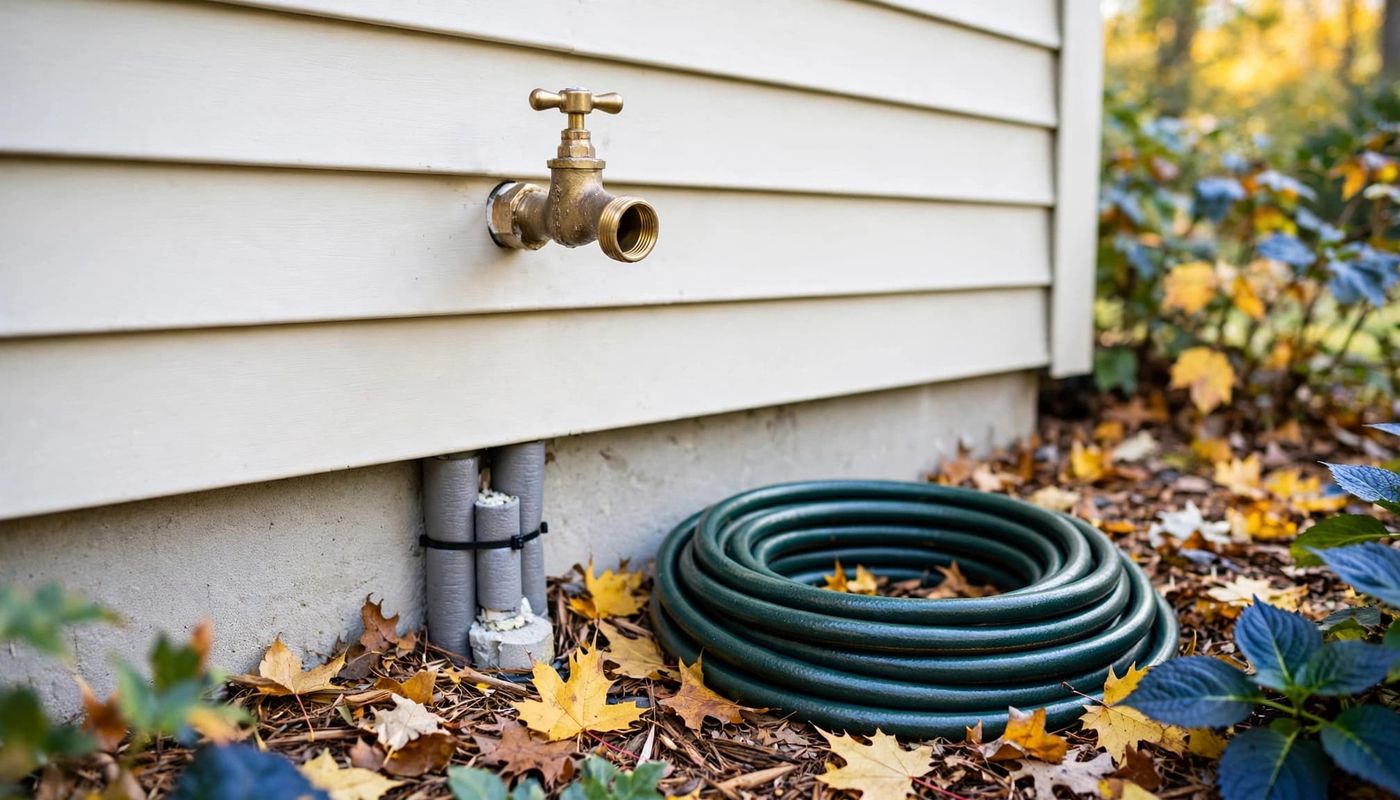
Remove every garden hose, drain the water out and store it indoors. Don't forget the hoses on faucets you rarely use, like the one on the side of the house.
2. Shut Off and Drain Outdoor Faucets
If an outdoor faucet has a dedicated shutoff valve inside your home, close it and drain the outdoor line. University of Georgia Extension recommends these steps before freezing weather.
Faucet covers add an extra layer of protection, but they're not a substitute for disconnecting the hose and draining the line.
Have a sprinkler system? Check the instructions or ask your installer how to drain or winterize the irrigation lines.
3. Find and Insulate Exposed Pipes
Look for pipes you can see without taking anything apart, especially in crawl spaces and along exterior walls. According to University of Georgia Extension, water expands as it freezes inside exposed pipes, and during a long freeze that can cause a pipe to burst.
To protect them:
- Use insulation made specifically for pipes, not ordinary insulation.
- Ask a plumber whether listed heat tape with a built-in thermostat makes sense for any especially vulnerable pipes.
Not sure how a pipe is supplied or drained? Add it to your list for the plumber. Guessing at an unfamiliar valve can leave part of your system unprotected.
4. Check Your Water Heater and Look for Leaks
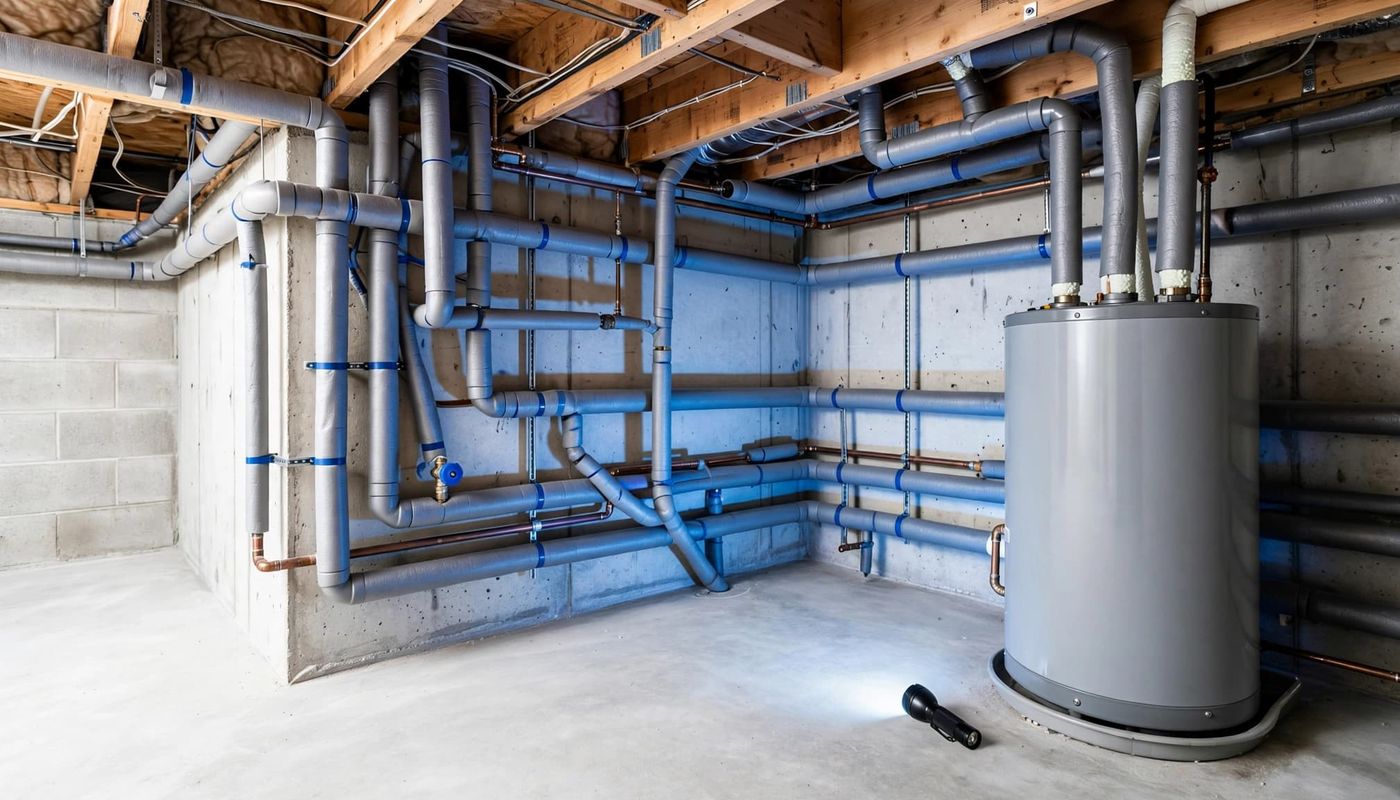
Look over your water heater for moisture, corrosion and worn connections. Then check around nearby fixtures and visible pipes for leaks. The U.S. Environmental Protection Agency recommends regular visual checks for leaks, aging gaskets and loose connections.
Keep this a visual inspection, not a DIY repair project. Snap photos of anything that looks off so you can show the plumber. If you already have a leak, your winterization visit is a good time to get it fixed.
5. Test Your Sump Pump
Pour water into the sump pit and make sure the pump turns on and pumps the water out.
What Should a Plumbing Winterization Visit Include?
Booking a visit that just says "winterization" leaves a lot of room for misunderstandings. Before you approve anything, ask the plumber exactly which parts of your plumbing the visit covers.
Inspection vs. Repair: Know What You're Paying For
Ask these questions up front:
- Does the price cover an inspection, preventive work or both?
- How do you handle problems you find? Inspecting a leaky connection and replacing it are two different jobs. Your written approval should separate the first visit from any extra work.
- Is drain cleaning included? If you have slow drains, find out whether that's part of winterization or priced separately.
- Do you charge a dispatch or diagnostic fee? If the company credits that fee toward repairs, get it written into the estimate.
Clear terms keep a simple service call from turning into a surprise bill.
Get Clear Answers About Any Problems
If the plumber finds corrosion or moisture on your water heater, ask for an explanation, not just a recommendation to replace it. You should understand:
- What's leaking
- What repair they're proposing
- Why replacement might be necessary
Ask for photos of anything you can't easily see yourself. And before you approve a replacement, confirm whether the estimate includes removal, installation and disposal.
Water softener in an unheated space? Check the manufacturer's winter instructions, or ask your plumber how to protect it.
Keep Good Records
File the final invoice and any written warranty together. Write down which outdoor lines the plumber shut off and drained so you know what to turn back on in the spring.
A good service record shows what the company inspected, what it fixed and what still needs attention. An invoice that just says "plumbing work" won't help you much if questions come up later.
Georgia Freeze in the Forecast? Do These First
If freezing temperatures are already on the way, check the forecast for your area and get moving. Don't wait to see whether the cold will stick around.
Protect Your Most Vulnerable Pipes
Start with exposed pipes and outdoor connections, since that's where pipes are most likely to freeze.
- Disconnect any remaining hoses. Faucet covers help, but they don't replace disconnecting hoses and draining outdoor lines.
- Call for help with any lines you don't know how to prepare.
- Open cabinet doors under sinks so warmer room air can reach the pipes. Move cleaning products out of children's reach first.
- Let a faucet drip slowly. University of Georgia Extension lists this as a way to protect pipes during freezing weather. Use it selectively, and follow guidance from your water utility or plumber rather than running water unnecessarily.
The American Red Cross also offers frozen-pipe prevention tips to help you plan for cold weather.
What to Do If a Pipe Freezes or Bursts
Know where your main water shutoff valve is now, before you ever need it. If a pipe bursts:
- Shut off the water if you can do it safely.
- Call a licensed plumber right away.
- Explain what happened and when it started so the company understands how urgent it is.
- Ask about cost and scope. Find out whether the visit is for an assessment, an emergency repair or both. Ask for the emergency service charge and how the company gets your approval for extra work.
Once the immediate problem is fixed, ask what caused it and what preventive work the plumber recommends. You deserve a clear explanation of the repair, not a vague recommendation to replace all the plumbing in your house.
Keep photos, service records and receipts together. They document any water damage and the work that was done.
If you have a sump pump, check its backup power and keep a plumber's number handy in case it fails.
Why the Cheapest Plumbing Quote Isn't Always a Deal
Compare Apples to Apples
Make sure the estimates you're comparing describe the same job. A temporary fix, a part replacement and a larger replacement aren't the same purchase.
Ask each company to spell out:
- Where the repair is
- What materials are included
- What labor is included
- What could change the price once work starts
If one plumber recommends a lot more work than the others, ask them to explain why based on the condition of your plumbing. And find out how they'll document anything new they find and get your approval before expanding the job.
How to Choose a Qualified Plumber
Ask for the plumber's professional license information and proof of liability insurance. Someone saying they "do plumbing" isn't proof of either.
Find a TrustDALE Certified Plumber
You'll find Vetted Plumbers on TrustDale.com. Every certified plumbing partner has passed our rigorous seven-point inspection process and is backed by our $10,000 Make It Right Guarantee.
Fall Plumbing FAQs
When should I winterize my plumbing in Georgia?
Before freezing weather is expected in your area. Go by the forecast, not a set date, since conditions vary by location and year. If your plumbing needs repairs, schedule a plumber earlier.
Do I need to disconnect my hose from a frost-free faucet?
Yes. Disconnect and drain hoses from frost-free faucets, too. The name doesn't mean you can skip that step.
Should I let my faucet drip during a freeze?
A slow drip can help protect your pipes in freezing weather, according to University of Georgia Extension. Follow your water utility's or plumber's advice on when to do it. Keep in mind that dripping an indoor faucet doesn't take the place of shutting off and draining your outdoor lines.
Should I approve extra work during a winterization visit?
Only once you understand the problem, the proposed repair and the price. If the scope changes, ask for an updated written estimate. If it isn't urgent, you can get a second opinion from another qualified plumber before committing to a major replacement.
When should I call a plumber?
Call right away if you suspect a frozen or burst pipe, have an ongoing leak or notice a problem with your water heater. You should also call if you can't figure out how to shut off and drain an outdoor line. There's no need to attempt an unfamiliar repair first.
Don't Wait for the First Freeze
Before cold weather hits:
- Disconnect and drain your garden hoses
- Shut off and drain outdoor faucet lines
- Find and insulate exposed pipes
- Check your water heater for leaks or corrosion
- Test your sump pump
- Locate your main water shutoff valve
If your checklist turns up a leak or a setup you're not sure about, schedule a qualified plumber before the cold snap. Get the work and the price in writing so you know exactly what's done and what still needs attention. A little prevention can keep you from watching a whole lot of money go right down the drain this winter!