
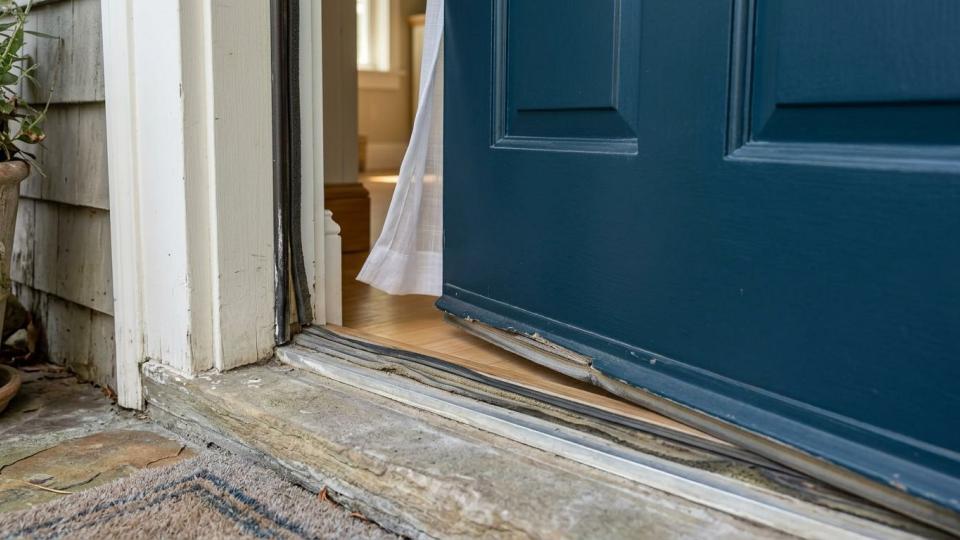
You walk past your front door on a chilly morning and feel it: a cold draft sneaking into your house. Before you start shopping for a brand-new door, here's some good news. You probably don't need one.
Most front door drafts come from one of four fixable problems: worn seals, a door that doesn't fit right, a gap at the threshold or an opening around the frame.
And here's the mistake to avoid: grabbing the thickest weatherstripping at the hardware store before you know where the air is coming in. You could end up with the same draft and a door that's harder to close. Find the leak first, then pick the fix.
Where's the Draft Coming From? Quick Guide
| Where you feel it | Likely cause | Try this first |
|---|---|---|
| Top or sides of the door | Worn or damaged weatherstripping | Replace the weatherstripping after checking the fit |
| Bottom of the door | Torn sweep or loose, uneven threshold | Check the sweep and threshold together |
| Door sags, rattles or is hard to latch | Loose hinges or misaligned latch | Tighten and adjust hardware before adding seals |
| Beside the trim, around the frame | Cracked or missing exterior caulk | Repair the caulk on the stationary joint |
Key Takeaways
- A drafty door doesn't mean a dead door. Worn weatherstripping, damaged bottom seals and loose hardware can all cause drafts and are often fixable.
- Find the leak with two easy tests. Look for daylight around the closed door, then use a sheet of paper to find weak spots.
- Fix the fit first. Adjust the door before installing new seals, and check the sweep and threshold together.
- Caulk only goes on parts that don't move. Never caulk the moving edges of the door or block drainage openings.
Call a pro for stubborn leaks, frame damage or a door that won't close right. Before you approve a replacement, get a written explanation of the problem and separate prices for the door and the installation.
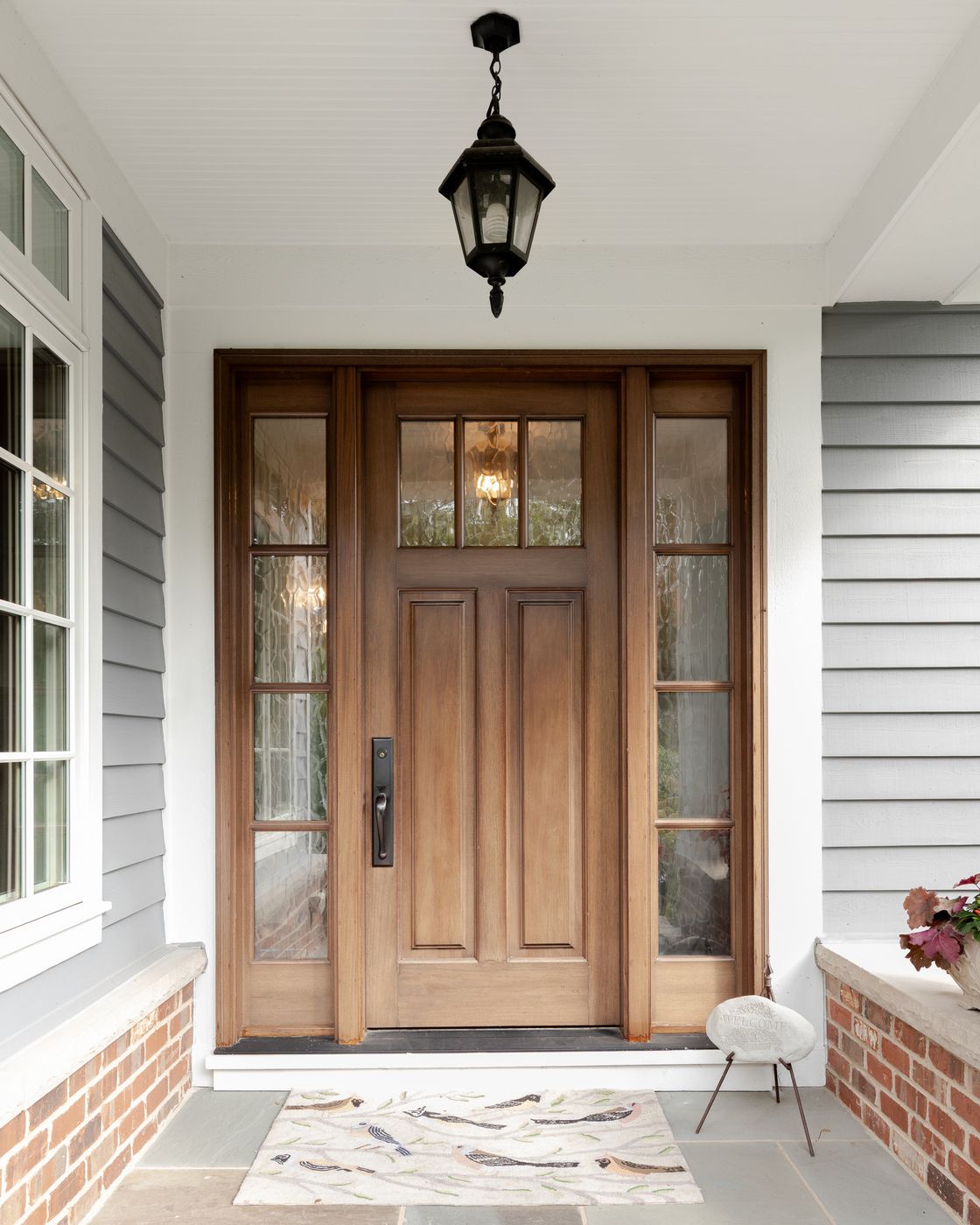
Why Is Cold Air Coming Through My Front Door?
Every exterior door has two places where it needs to seal:
- The moving edges, where the door itself opens and closes
- The stationary joint, where the door frame meets the wall of your house
Your fix has to target whichever one is actually leaking. Here are the four most common culprits.
Cause #1: Worn Weatherstripping
Weatherstripping only works when it stays in full contact with the closed door. Over time it can crack, flatten, pull loose or stop touching a door that's no longer even.
Signs to look for:
- Daylight peeking through along the top or sides
- A door that rattles when you gently push on it while it's latched, which suggests the seal isn't squeezing tightly enough
Columbia River People's Utility District's air-sealing guidance makes an important distinction: weatherstripping is for parts that move, and caulk is for joints that don't. Caulk can't do the job of a flexible seal around the door.
Cause #2: A Torn Sweep or Bad Threshold
At floor level, check both the bottom of the door and the threshold underneath it. The sweep (or door-bottom seal) should meet the threshold evenly across the whole width without stopping the door from moving normally.
- A torn sweep can leave a gap in one spot.
- A loose threshold or uneven door can leave a gap that a new sweep alone won't fix.
Check the corners especially. A seal that touches in the middle but leaves both ends open still lets cold air in.
Cause #3: Loose Hinges or a Misaligned Door
Loose hinges can make the door sag. A latch or strike plate that's out of line can keep the door from pressing firmly against its seals.
Do you have to lift, shove or yank the door to get it to latch? Fix that first. Adding extra weatherstripping to a door that already doesn't fit can make it even harder to close.
Cause #4: Gaps Around the Frame
Cracked caulk on the outside of your house can let air in around the frame itself. Check where the frame meets the wall separately, so you don't replace a perfectly good door seal and miss the real gap.
How to Find Exactly Where the Draft Is Coming From
Test with the door closed and latched the way you normally leave it. If you pull it tight against the frame while you test, you might hide the very gap that's letting the cold in.
Test #1: Look for Daylight
Check the top, the hinge side, the latch side and the bottom of the closed door. Then look at where the frame meets the wall for gaps, cracked caulk or damaged material.
Test #2: The Paper Test
This one takes about as long as it sounds:
- Close the door on a sheet of paper.
- Gently pull the paper out.
- Repeat at several spots around the door.
If the paper slides out easily in one spot but holds tighter in others, that's a weak seal.
The U.S. Department of Energy describes this method in its home energy assessment guide. Think of it as a quick screening tool, not a precise measurement.
Pro tip: Write down where the paper slides out and whether the seal looks damaged there. Check your other exterior doors, too. If they leak in the same places, the problem may be bigger than one door. And a list of specific trouble spots will get you much better advice at the store than "my door feels drafty."
Test #3: The Smoke Test (Use Caution)
Moving smoke near a suspected gap can reveal airflow that's hard to feel. Watch for smoke that wavers or drifts toward or away from the opening.
The U.S. Department of Energy's air-leak detection guidance describes a version of this test that uses exhaust fans to pull air through leaks. If you try it, turn off fuel-burning appliances like gas furnaces and water heaters first.
A few safety rules:
- Don't use a candle, lighter or other open flame.
- Skip this test if you're not comfortable safely shutting down and restarting your appliances. Have a professional do it instead.
- Keep any smoke source away from curtains and anything that can burn.
- Avoid smoke testing if it could bother anyone's breathing.
Easier option: Wet the back of your hand and move it slowly near suspected gaps. You'll feel the cool air coming in.
How to Fix a Drafty Front Door Yourself
Buying every sealing product on the shelf won't tell you what's wrong. Follow this order instead:
- Find the leak.
- Fix the fit.
- Replace the failed seal.
- Test again.
Fix #1: Adjust the Hardware Before You Add Weatherstripping
Check the hinges and latch for anything loose. Tighten screws carefully, but stop if they spin without biting into the wood or the door still hangs crooked.
The U.S. Department of Energy's exterior-door weatherstripping instructions put hardware adjustments before installing new seals, for good reason.
Fix #2: Replace Worn Weatherstripping
- Measure the top and both sides of the door.
- Choose weatherstripping that's compatible with your door.
- Remove the old, failed weatherstripping instead of layering new material over it.
- Follow the product's installation instructions.
Make sure the door still opens, closes and latches smoothly.
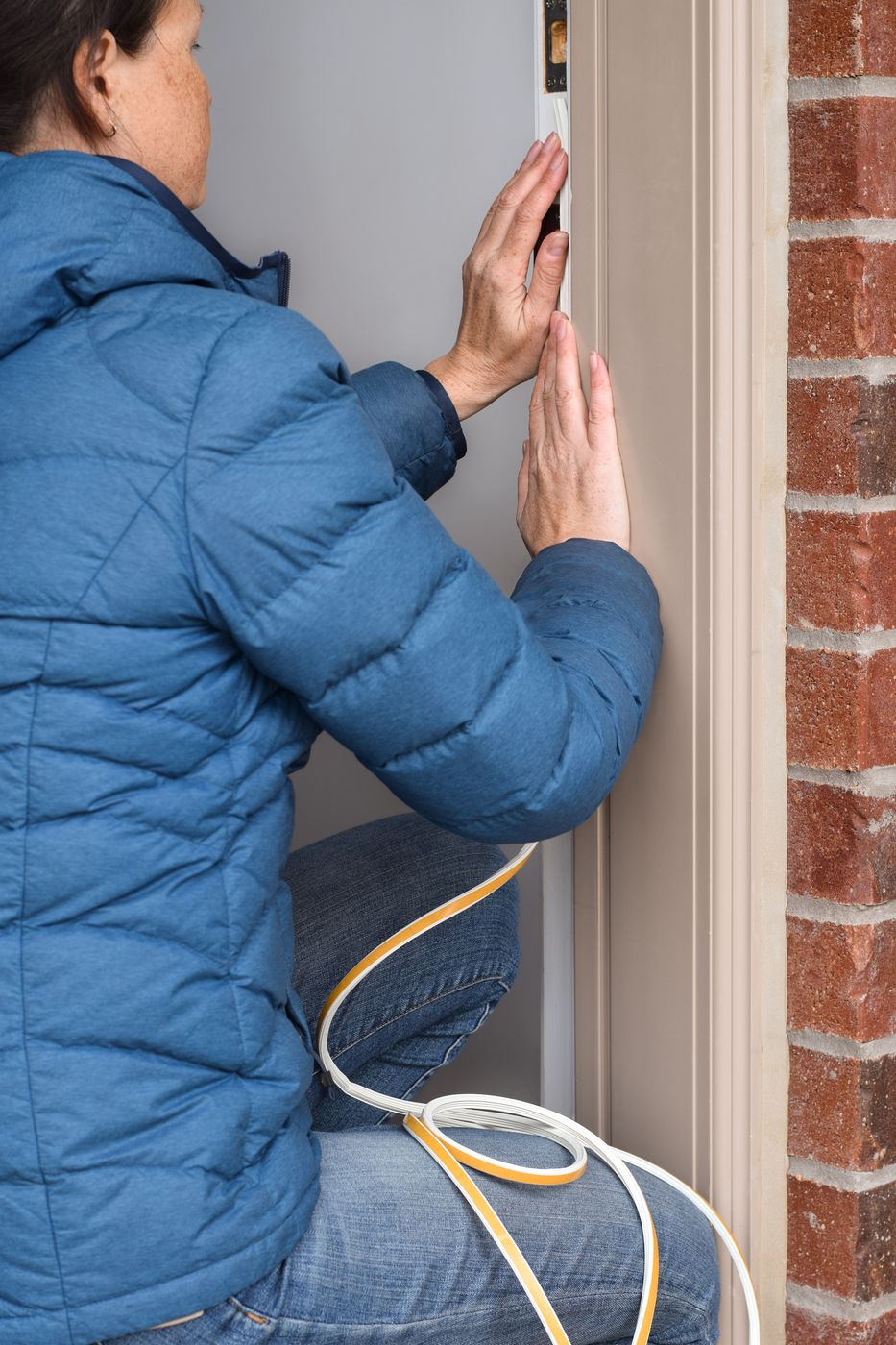 remove old weatherstripping before installing new
Fix #3: Replace the Door Sweep
Choose a sweep or door bottom that matches both your door and your threshold. Check the clearance before you buy. A sweep that's too big can drag on the floor or keep the door from closing.
Fix #4: Repair Cracked Caulk Around the Frame
Scrape out the old, failed caulk and prep the surface as the product directs. Use a sealant made for the materials it'll touch and the weather it'll face.
Remember: never caulk the moving edges of the door, and don't block any drainage openings built into the door system.
When to Call a Door Professional
Call a qualified door pro if:
- Basic adjustments don't get the door working right
- The frame looks damaged
- You still can't figure out where the leak is coming from
- The door won't close smoothly
Feeling drafts all over the house, not just at the door? An energy assessor can use a calibrated blower door to measure air leaks throughout your whole home. The U.S. Department of Energy's energy assessment overview explains how professional testing works.
When Is a New Front Door Worth It?
A replacement may be the better choice if your door has severe damage, keeps failing or still won't seal after repairs. A new front door may improve energy efficiency, but diagnose the fit and seal problems first.
Only start comparing doors once you know whether the problem is the frame, the door slab or the seals.
Questions to Ask Before You Buy a New Door
- Does the estimate include the frame, disposal of the old door and any changes to the opening? (A prehung door comes with its own frame. Sidelights, decorative glass and structural changes all affect the scope.)
- What's the price for the door, and what's the price for installation? Compare them separately.
- What are the product specs?
- What maintenance will the finish need, including whether paint needs periodic touch-ups?
- What's covered under warranty?
Curb appeal matters, but compare the fit, performance and warranty before you fall in love with a style.
Find a Trusted Entry-Door Pro
Ready to repair or replace your front door? Choose a TrustDALE Certified entry-door provider on TrustDale.com. Every TrustDALE Certified Partner has passed our rigorous seven-point inspection process and is backed by our $10,000 Make It Right Guarantee.
Drafty Front Door FAQs
Can cold air come through a closed front door?
Yes. A door can latch just fine while gaps at the weatherstripping, threshold or frame still let outside air in. Latching doesn't mean the door is sealed tight all the way around. Check the edges before you assume the whole door has failed.
How can I tell if the draft is coming from the door or the wall?
Compare the airflow along the moving edges of the door with the joints where the frame meets the wall. A draft along the latch side calls for a different fix than one coming from beside the trim. If both areas feel cold, a professional can help tell an actual gap from a surface that's just cold.
Does a drafty front door need to be replaced?
Not always. Worn weatherstripping, bottom seals and loose hardware can often be fixed without replacing the door. If someone recommends a new door, ask them which part is damaged and why an adjustment or new seals won't solve it.
If you do need a replacement, compare wood, steel and fiberglass doors using the manufacturer's specs on durability, insulation, glass options and lock compatibility. Single doors and double doors need different-size openings, which affects your options. Any proposal should fix the actual cause, especially if the frame or surrounding wall is involved.
Can I put new weatherstripping over the old weatherstripping?
No, unless the product instructions specifically say to. The extra thickness can keep the door from closing or latching, and loose old material underneath won't hold the new seal well. Remove the old weatherstripping and install a compatible replacement according to its directions.
When should I hire a professional to find an air leak?
When drafts stick around after you've tried targeted fixes, your door won't close smoothly or you suspect frame damage. Drafts in several rooms are also a good reason for a whole-home energy assessment. Share your observations and paper-test results with the pro, and ask for a diagnosis and written repair plan before approving a replacement.
Find the Leak Before You Buy the Fix
A cold entryway doesn't automatically mean you need a new front door. Your first step is figuring out whether air is sneaking in around the door, under it or beside the frame.
Check the seals, threshold, hardware and frame before you buy any parts. After any repair, test again and make sure the door opens and latches normally.
Still drafty, or the door won't close right? Call in a qualified pro and ask for a diagnosis tied to the actual problem. That way you pay to fix what's broken, not to replace parts that still work.