
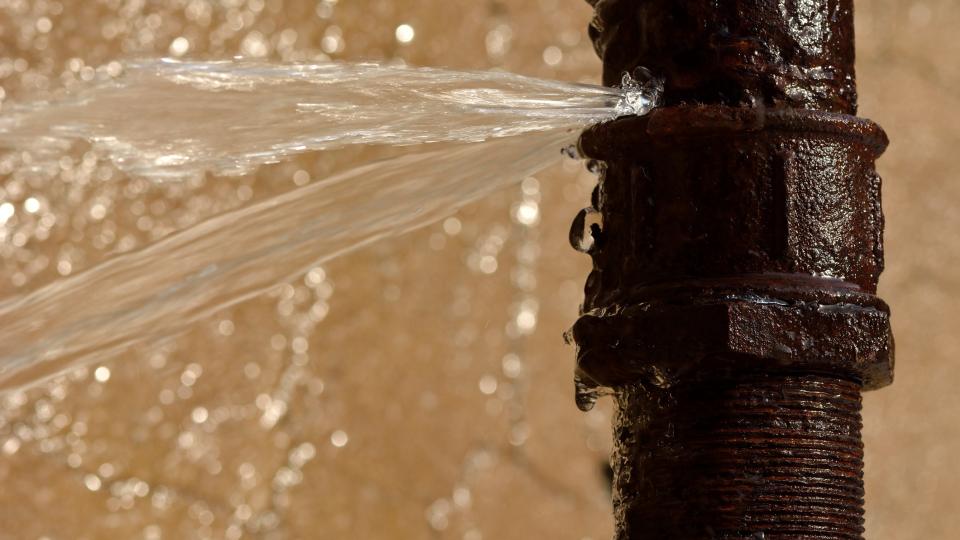
A sudden cold snap can sneak up on your pipes.
We don't get months of brutal winter here in Georgia. But every year, a sudden cold snap sweeps through, and plumbers' phones start ringing with frozen and burst pipes.
The short answer: disconnect your garden hoses, protect any pipes exposed to cold air, keep your heat on and know exactly where your water shutoff valves are before you need them.
I sat down with David Cunningham of TrustDALE Certified Partner Superior Plumbing on our Trust Issues podcast to talk about the winter pipe problems homeowners need to know about. His first warning was about a weak spot most of us never think about: the pipes hidden inside your exterior walls.
Key takeaways
- Sudden cold snaps are enough. Georgia pipes can freeze without a long northern-style winter.
- Know your weak spots. Pipes in exterior walls, outdoor spigots, crawl spaces, garages and attics are most at risk.
- Unhook your hoses. A connected garden hose can trap water in the outdoor faucet line.
- Find your shutoff valves now, and learn how to turn them off.
- Fix small problems before guests arrive. Low water flow, aging fixtures and water heater trouble can turn into holiday headaches.
Why even homes in the southeast get frozen pipes
Many Georgia homes weren't built with long freezes in mind. So when a sharp cold snap hits, pipes that would be fine most of the year can suddenly be in trouble.
David pointed to pipes inside exterior walls as a big concern. Cold air, especially wind, can seep into those wall cavities and chill the water lines running through them.
When water freezes, it expands, and that pressure can crack a pipe. Here's the sneaky part: the ice can plug the crack, so you may not see a leak until the pipe thaws. By then, water may already be pouring into your walls or floors.
A frozen pipe isn't always a burst pipe. But no visible leak doesn't mean the pipe is undamaged.
So if you turn on a faucet during a cold snap and nothing comes out, take it seriously. That may be the first sign of trouble, with the water damage showing up later.
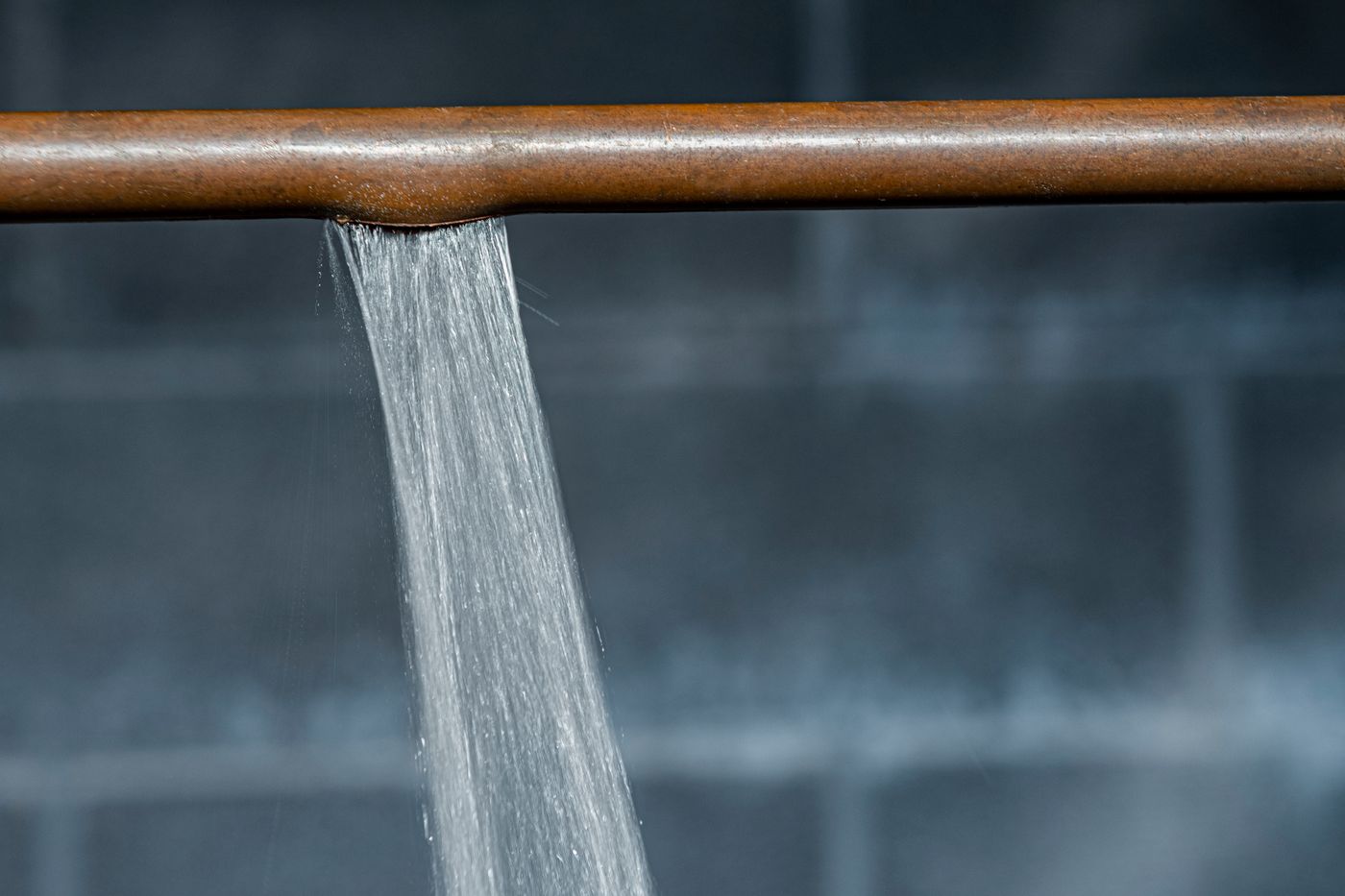 Find the pipes most likely to freeze and protect them
Find the pipes most likely to freeze
Not every pipe in your house faces the same risk. Start with the ones closest to cold outdoor air.
Exterior walls and outdoor spigots
Your outdoor spigot (plumbers call it a hose bib) usually connects to a pipe that runs right through an exterior wall.
Kitchen and bathroom sinks can have the same problem. The room may be warm, but if the sink sits against an outside wall, the pipes are tucked behind closed cabinet doors where that warm air can't reach them.
Crawl spaces, garages and attics
Check any exposed pipes in unheated spaces. Your heating system doesn't protect these areas the way it does your living space.
David said homeowners can often wrap accessible exposed pipes themselves using foam pipe insulation from a home improvement store. It helps, but it's not a guarantee against freezing.
Prep your outdoor faucets in 3 steps
A garden hose left attached can keep water trapped in the outdoor faucet and its supply line, and that trapped water can freeze. If your outdoor faucet has its own shutoff valve inside the house, David recommends:
- Disconnect the garden hose from the outdoor spigot.
- Close the indoor shutoff valve that serves that outdoor line.
- Open the outdoor faucet so the line can drain.
The key is knowing which valve controls which faucet. Finding the spigot outside doesn't tell you where its shutoff is inside.
For more ways to protect outdoor faucets and other weak spots before a cold snap, see our winter home preparation guide.
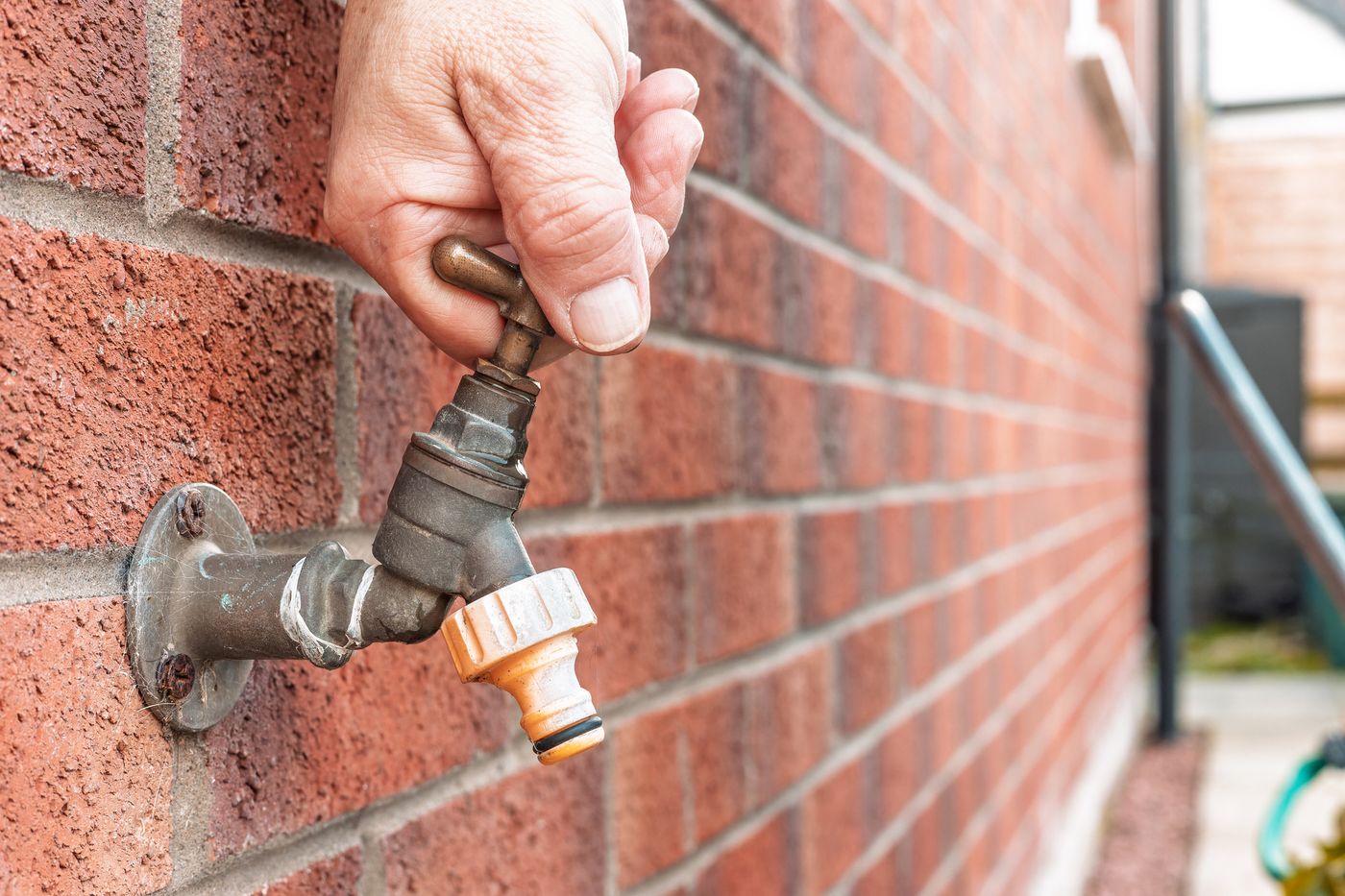 disconnect garden hoses before the first freeze
Keep warm air reaching your pipes
Open the cabinet doors
For kitchen and bathroom sinks on exterior walls, David recommends opening the cabinet doors when a freeze is in the forecast. That lets warm room air reach the pipes.
While you're at it, look for gaps where cold air sneaks in around those pipes.
Never use an open flame or leave a space heater running unattended to warm pipes. Both are serious fire hazards.
Let a faucet drip during long freezes
During a prolonged freeze, let an indoor faucet on an exterior wall drip steadily. That helps relieve pressure in the line.
Traveling for the holidays? Leave the heat on
Turning your heat off completely can put every pipe in the house at risk. David has walked into homes where that one decision left pipes frozen throughout the property.
Lowering the thermostat while you're away is fine. Turning the system off is not. Keep the house at a reasonable temperature, and ask a neighbor to check on it if a cold snap hits while you're gone.
An empty house shouldn't become an unheated house during a freeze.
Signs your pipes may be frozen
Watch for these during a cold snap:
- Just a trickle from the faucet: the pipe may be partly frozen.
- No water at all: the line may be completely blocked.
- Frost on exposed pipes.
- Strange sounds from your plumbing.
The next question is whether the pipe will need repair once it thaws. A frozen line can stop your water without bursting, so the faucet alone can't tell you what shape the pipe is in. If a cracked pipe thaws, water under pressure can flood a room or basement fast.
Pipes behind walls are especially tricky. You may know something's wrong but have no way to see the damaged section.
Know where to shut off your water
If a pipe bursts, shutting off the water fast can greatly limit the damage. That's why finding your shutoff valves belongs at the top of your winter checklist.
Find these before you need them:
- The main shutoff inside your house, if you have one
- The shutoff at the street
- Separate valves for outdoor spigot lines
Practice before an emergency
Some street shutoffs need a special meter key. Owning one doesn't help much if you've never used it and water is spraying across your floor.
David's company tags main shutoffs, outdoor-line valves and other key controls during service visits, so homeowners aren't guessing during an emergency. Whether a plumber does it or you do it yourself, label your valves and learn how they work now. A burst pipe is a terrible time to figure it out.
Consider an automatic water shutoff valve
An automatic shutoff gives you a backup plan, even when you're asleep or out of town.
The system David described is installed on the home's main water line and connects to a phone app, so you can turn your water on or off from anywhere. It also learns your household's normal water use. If it spots something unusual, like a lot of water running at 3 a.m. when everyone's normally asleep, it can send an alert and shut off the water automatically.
Not every automatic valve works this way, so compare features. The big advantage is that it can react to a leak before anyone sees water on the floor.
Get your plumbing ready for holiday guests
Thanksgiving is Nov. 26 this year, and a house full of guests puts extra strain on your plumbing. Problems you've been putting off have a way of showing up at the worst possible moment.
Water heater warning signs
An aging water heater deserves a closer look. David flagged these warning signs:
- Discolored water coming from the heater, which can point to buildup inside the tank
- Water that isn't as hot as it used to be
- Small leaks around the base
Don't ignore a small leak just because you still have hot water. If it gets worse, the damage can go well beyond replacing the heater.
Toilets and kitchen drains
If a toilet already flushes poorly, deal with it before guests arrive. For an older toilet, David said replacement may make more sense than repair.
In the kitchen, food scraps are the big enemy. Scrape plates into the trash, not the sink, or you could be dealing with a clogged drain in the middle of making dinner.
David said his company staffs up for the holiday rush. But even a fast service call won't save your gathering from the interruption.
When to call a plumber
Repeated leaks, older pipes and fixture problems you haven't fixed are all good reasons to have your plumbing checked before a hard freeze. As David pointed out, the cost of a burst pipe isn't just the repair. It can include water damage cleanup, home repairs and losing your kitchen or bathroom for a while.
Before you approve an emergency repair, ask what's included, such as whether the price covers opening walls to reach the damaged pipe.
Need a plumber you can trust? You can find thoroughly vetted and certified plumbers at TrustDALE.com. These companies have passed my seven-point investigative process, and qualifying residential services are backed by our free-to-you $10,000 Make It Right Guarantee.
Frequently asked questions
Should I drip my faucets when it freezes?
During a prolonged freeze, letting an indoor faucet on an exterior wall drip steadily can help relieve pressure in the line. Pair it with opening cabinet doors and keeping your heat on.
Are older homes more likely to have frozen pipes?
Not necessarily. David said some older homes were built with more thought about where the pipes run, while some newer homes can be more vulnerable depending on materials and design. A home's age alone doesn't tell you its freeze risk.
Can an outdoor spigot be frost-proof?
Yes. I asked David about a spigot that sticks up out of the ground behind my house, serving a storage building. Based on my description of its lever handle and setup, he thought it was probably a frost-proof model. That was his take on my particular spigot, so have yours checked if you're not sure.
Do I still need to disconnect an expandable garden hose?
Yes. The problem is the hose connection itself, which keeps water trapped in the faucet and pipe. An expandable hose doesn't change that.
Can a high water bill mean a hidden leak?
Yes. David said a leak somewhere you can't easily see may go unnoticed until a high water bill gets your attention. Visible water damage isn't always the first sign.
Do insurance companies require automatic water shutoff valves?
David said some insurers recommend or require them, though not every policy does. Check with your insurance company. Some may even offer a discount.
What if my house only has a shutoff at the street?
That's not unusual. My house, built in 1970, originally had only a street shutoff. I later had an indoor shutoff installed, which gave my family a second, easier way to stop the water in an emergency.
The bottom line: prepare before the freeze
My biggest takeaway from talking with David is simple: know your home's plumbing before cold weather exposes its weak spots. Find the pipes most at risk, protect your outdoor faucets and make sure you know how to shut off the water if something fails.
A few minutes of prep now can save you from a burst pipe, water damage and an emergency repair call in the middle of the holidays.
Get your plumbing winter-ready. Find a TrustDALE Certified plumber, backed by our free-to-you $10,000 Make It Right Guarantee at TrustDALE.com.