

Whole home repiping usually enters the picture after smaller warnings have started adding up. A ceiling stain, rusty water at one faucet, weak shower pressure, or another leak near a line that was repaired before can point to something larger than a simple plumbing repair. By then, most homeowners want to know how disruptive the work will be, how much of the system really needs replacing, and what should happen before anyone opens a wall.
Preparation starts with understanding the inspection, the estimate, and the plan for protecting your home during the work. The more clearly those pieces are explained up front, the easier it becomes to compare options and avoid surprises later.
Let the House Tell on Itself
Repiping decisions usually come from patterns, not one strange drip. Maybe one bathroom has low pressure, the kitchen faucet runs brown for a few seconds, or the area around the water heater shows corrosion. Those clues help a plumber see whether the issue is isolated or spread through the plumbing system.
Before the appointment, walk through the home and make simple notes. Look under sinks, behind toilets, around the water heater, in the basement, and anywhere exposed pipe is visible. Stains, swollen cabinet floors, mineral buildup, corrosion, and old repair clamps are worth pointing out. This provides the plumber with a better map of the issues, since you’re the one who has been experiencing them.
Older homes may also have several pipe materials from years of repairs. Copper, galvanized steel, CPVC, polybutylene, and PEX can appear in different areas of the same house, and that mix can affect the plumber’s recommendation.

What Should Happen Before Work Begins
A repiping estimate should involve more than a quick look under one sink. The plumber should review accessible lines, identify pipe materials, check fixture locations, discuss possible routes for new lines, and explain where wall or ceiling access may be needed. In many homes, new piping can be routed through attics, crawlspaces, closets, or other access points to limit disruption.
Ask what the quote includes before comparing prices. Plumbing labor and materials are only part of the project. Permits, inspections, pressure testing, cleanup, access openings, drywall repair, and painting may be handled differently depending on the company. A lower estimate can become frustrating if major restoration work sits outside the original price.
Water access is also worth discussing early. Some projects allow water to be restored at the end of each day. Others may require longer interruptions, depending on the home and scope of work.
When Repair Starts Looking Temporary
A single leak in an otherwise healthy system may only need a targeted repair. Repeated leaks, rusty water, widespread corrosion, poor pressure, or older pipe materials call for a broader conversation. At that point, the question becomes whether each repair is solving the problem or just buying a little time.
Whole home repiping costs vary widely. Home size, number of bathrooms, pipe material, access, layout, and restoration work all affect the final number. PEX often costs less than copper, though the right choice depends on the home, local code, and the plumber’s recommendation.
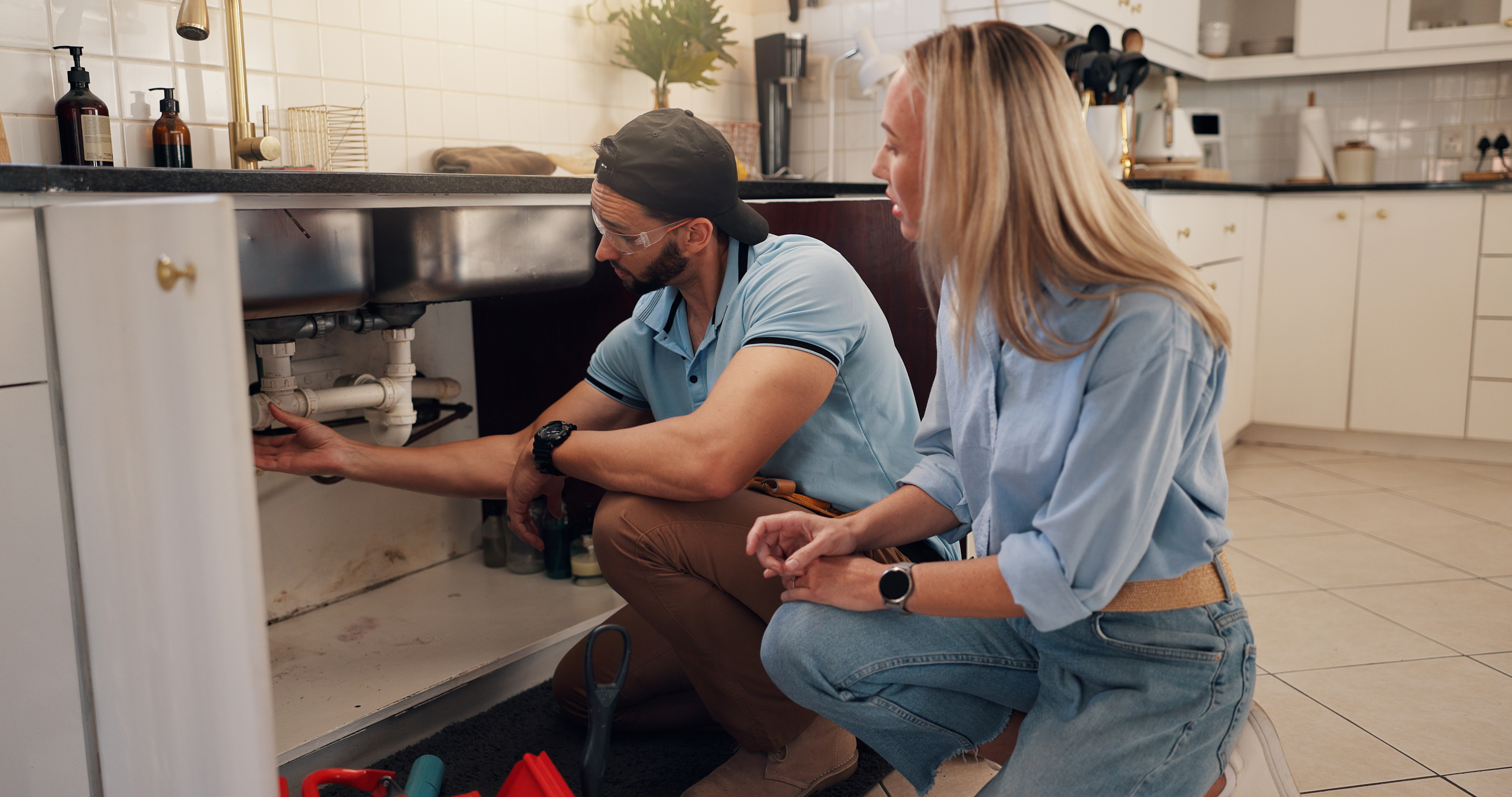
A careful inspection helps homeowners move beyond guesswork. Instead of reacting to one leak after another, you get a clearer sense of whether the system can be repaired in sections or whether replacement is the smarter long term path.
A Steadier Conversation With the Right Plumber
Repiping can feel invasive, so the company you call should be able to explain the work in plain language. R. S. Andrews has served homeowners for decades, bringing a long view to plumbing problems that often show up in pieces before the full picture becomes clear. During a repiping inspection, the conversation should cover what the plumber sees, where the risks appear to be, how much access may be needed, and what the work would look like inside the home.
One homeowner may call about pressure problems and find out a smaller repair is enough. Another may learn that aging pipes are reaching the end of their useful life. A TrustDALE certified plumbing partner should help sort through those possibilities without turning the inspection into a hard sell.
What to Ask Before You Say Yes
Before scheduling whole home repiping, ask how the new pipes will be routed, what material is recommended, whether permits are needed, how inspections are handled, how long water service may be interrupted, and whether wall repair is included. Ask how the crew protects floors, cabinets, furniture, and personal belongings.
The best preparation is not guessing from online photos or opening walls yourself. It’s gathering what you’ve noticed, asking direct questions, and choosing a plumbing company willing to explain the plan clearly.
If leaks, rusty water, or pressure problems keep coming back, scheduling an inspection with TrustDALE certified partner R. S. Andrews can help you understand whether repair still makes sense or whether your home is ready for a full repipe.

More Help for Avoiding Bad Plumbing Calls
For a deeper dive into plumbing issues and how to keep from becoming a victim of bad actors, watch or listen to our podcast, “Trust Issues: Down the Drain.” Dale Cardwell and Dari Payrow of TrustDALE Certified Partner R. S. Andrews talk through the plumbing problems homeowners run into most, myths that make drain and sewer issues more confusing, and the warning signs that a plumber may be pushing a bigger bill instead of a better solution.
Watch on the TrustDaleTV YouTube channel or listen wherever you get podcasts!