
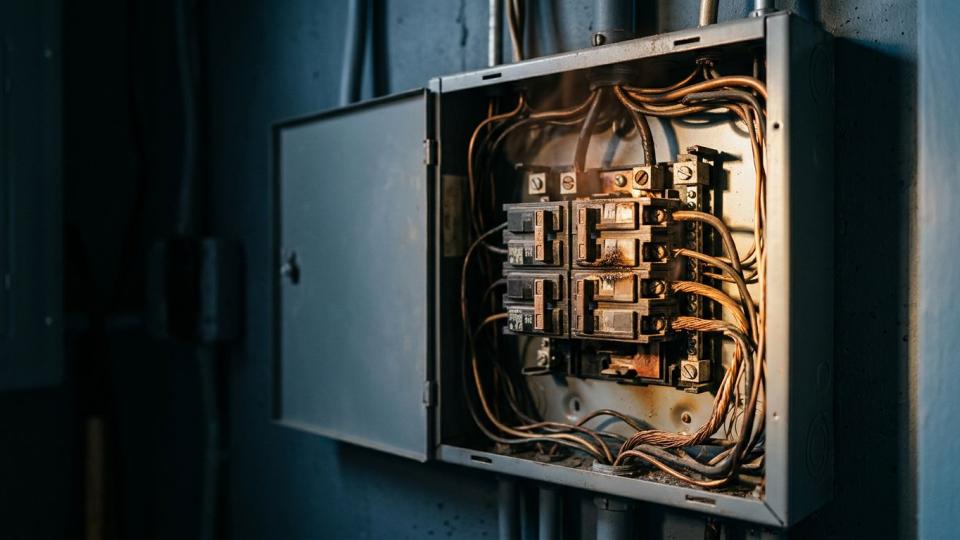
Modern homes draw more electricity than ever. Flickering lights, warm outlets, and frequent tripped breakers can mean an older panel or circuit system needs a licensed electrician's attention.
A house can look updated while its electrical system remains decades behind the devices plugged into it. Computers, smart speakers, security cameras, large televisions, chargers, and electric vehicles all add demand to wiring, outlets, and breaker panels that may have been installed long before those devices existed.
The issue is larger than a higher utility bill. An overloaded electrical system can create heat, damage equipment, and increase the risk of fire. In the latest episode of our Trust Issues podcast, we talk with an expert at Lightning Bug Electric to take a deep dive into crucial safety issues that come with increased load on your home's electrical panel.
Modern homes place heavier demands on electrical panels
Thirty years ago, household electricity generally supported lighting, basic appliances, televisions, heating, and air conditioning. Those major systems still use the most energy, but they now share the load with home-office equipment, connected doorbells, Wi-Fi devices, security systems, smart speakers, and vehicle chargers.
The U.S. Energy Information Administration reports that residential customers bought just over 1 trillion kilowatt-hours of electricity in 1994. By 2024, that total had reached nearly 1.5 trillion kilowatt-hours, an increase of about 47 percent.
Consumer electronics and appliances have claimed a larger portion of household use during that period. They accounted for about 17 percent of residential electricity 30 years ago, compared with roughly 31 percent today. More efficient appliances have helped, but the growing number of connected devices has offset part of those gains.
Several figures show how ordinary these new electrical demands have become:
- About 40 million households had smart speakers by 2020.
- Seventy-two percent of households reported that their most-used television measured at least 40 inches.
- About three-quarters of electric vehicle owners charge at home.
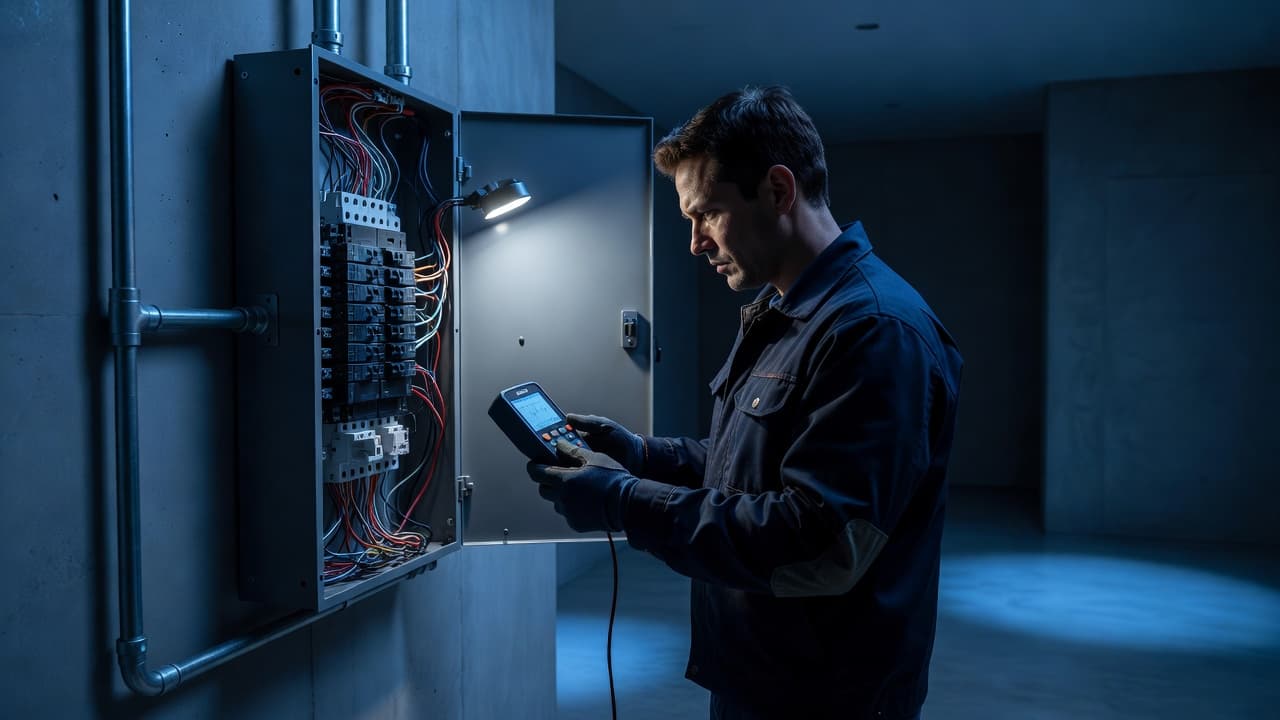
A panel that handled a 1970s or 1990s household may still be in sound condition. However, the panel's age alone doesn't answer the question. Its capacity, condition, grounding, circuit layout, and the home's current electrical load matter more.
Electrical fire risks begin with strain that goes unnoticed
The National Fire Protection Association says there are an average of 47,000 home electrical fires each year. Those fires are linked to more than 500 deaths, thousands of injuries, and extensive property losses.
Older wiring and panels aren't automatically unsafe. Yet an older system can become inadequate when homeowners add equipment that draws sustained power, such as a hot tub, pool equipment, a workshop circuit, or an EV charger. Outlets, extension cords, and circuits can all become weak points when demand rises beyond what the system can safely carry.
Warm outlets, cords, and power strips are warning signs, not minor inconveniences. Heat indicates electrical resistance somewhere it shouldn't be.
Jason Radford of TrustDALE Certified Lightning Bug Electric says flickering or dimming lights are common signs of a system under strain. Warm outlets, warm extension cords, and warm power cords also warrant a call to an electrician.
A quick visual check can reveal another problem. If a homeowner opens the panel and can't read the circuit labels, the system is harder to manage safely. Clear labeling won't increase capacity, but it helps identify which breakers control major loads and can expose a panel that has been altered repeatedly over the years.
EV chargers, hot tubs, and solar need a capacity check
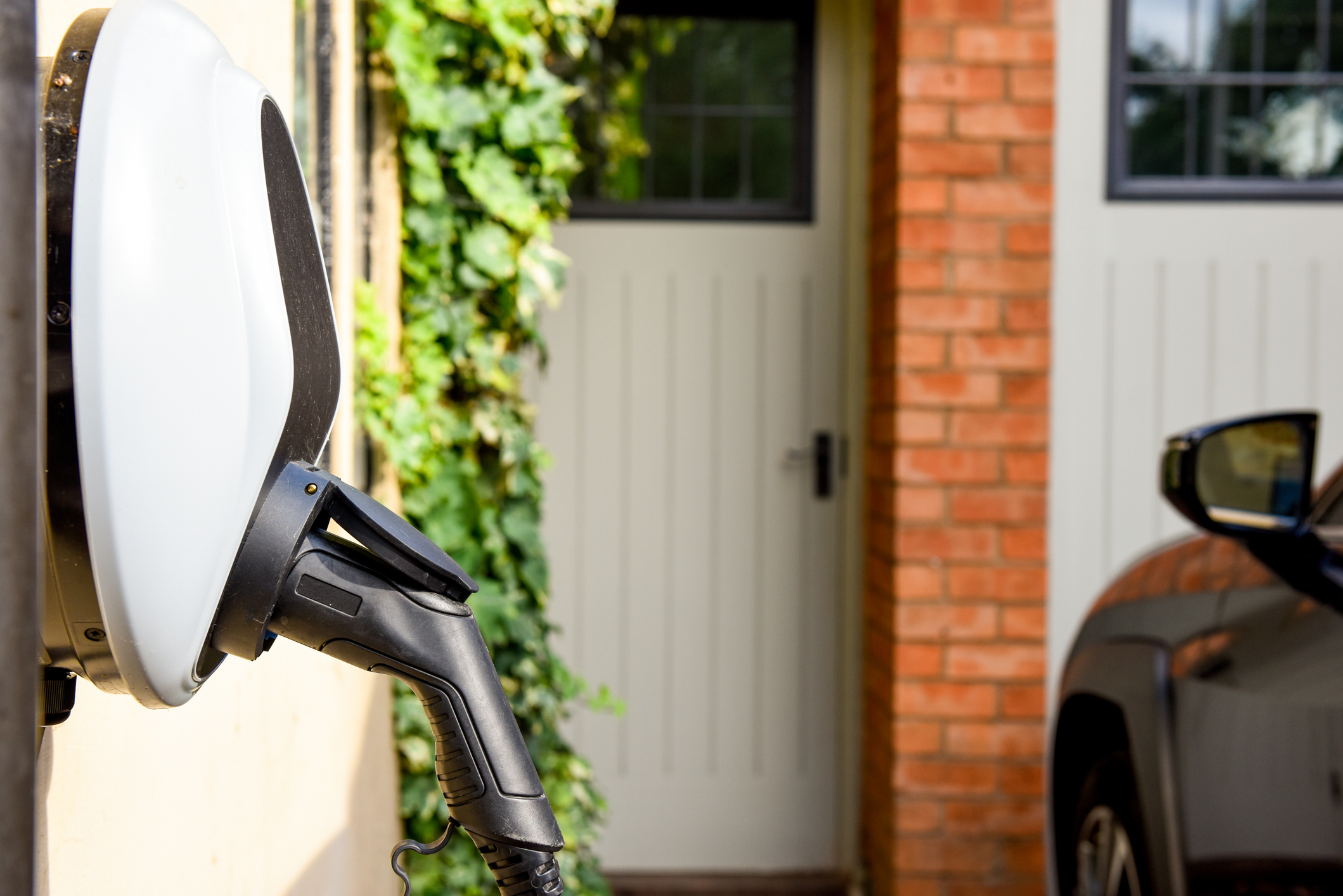
Electric vehicle charging is one of the most significant new loads in many homes. Radford cautioned against do-it-yourself charger installations because they require substantial power and properly sized wiring. A mistake can create serious hazards.
Some drivers rely on an extension cord for low-level charging, but that approach may not suit a household with frequent driving needs. A Level 2 charger provides faster charging, yet it often requires an assessment of panel capacity before installation.
Hot tubs pose a similar concern. Their circulating pumps and water-heating equipment operate regularly, which can create a sustained electrical draw comparable to an EV charger. A home built in the 1970s does not automatically require a replacement panel before a hot tub is added, but its available capacity needs professional review.
Solar installations also connect to the home's electrical system. In many cases, the solar equipment ties into the main load center through a dedicated panel. The arrangement can help offset electricity use, but it is another reason to confirm that the existing electrical setup is correctly designed and installed.
Safety upgrades that add practical value
Radford pointed to several upgrades that strengthen both safety and long-term usefulness in a home:
- Whole-home surge protection can help protect costly electronics and appliances from damaging voltage surges.
- Up-to-code smoke detectors provide life-safety protection that should be reviewed during electrical work.
- Ground-fault circuit interrupters, often called GFIs or GFCIs, protect people in areas where water and electricity may meet.
- Arc-fault circuit interrupters detect certain dangerous arcing conditions within wiring and have become more common during the past two decades.
An electrical evaluation should come before a major addition, remodel, EV charger, pool, hot tub, or solar project. An electrician can assess service capacity, panel capacity, grounding and bonding, smoke detectors, GFCIs, and arc-fault protection. The review should also account for future needs, rather than only the equipment installed that day.
The same logic applies to commercial properties. Commercial Service Companies often need to consider equipment loads, workstations, lighting, refrigeration, or tenant improvements before modifying an electrical system. A capacity review helps prevent changes that overload an already busy panel.
Why DIY electrical work carries real risk
Many homeowners grew up replacing light fixtures, ceiling fans, switches, and outlets themselves. Modern electrical systems, however, carry more load and involve more protective devices than earlier household setups.
Radford listed installing light fixtures, ceiling fans, outlets, and switches as frequent do-it-yourself mistakes. The danger isn't always visible. Electricity can cause severe injury when it passes through the body, and even what seems like a small shock can have serious consequences.
Hiring a qualified professional also helps avoid hidden workmanship problems. Before work begins, property owners should confirm that the contractor is licensed, bonded, and insured and review the company's public reputation. Radford warned against contractors who make big promises but disappear after the job, which he called a "couch warranty."
The practical rules for panel safety
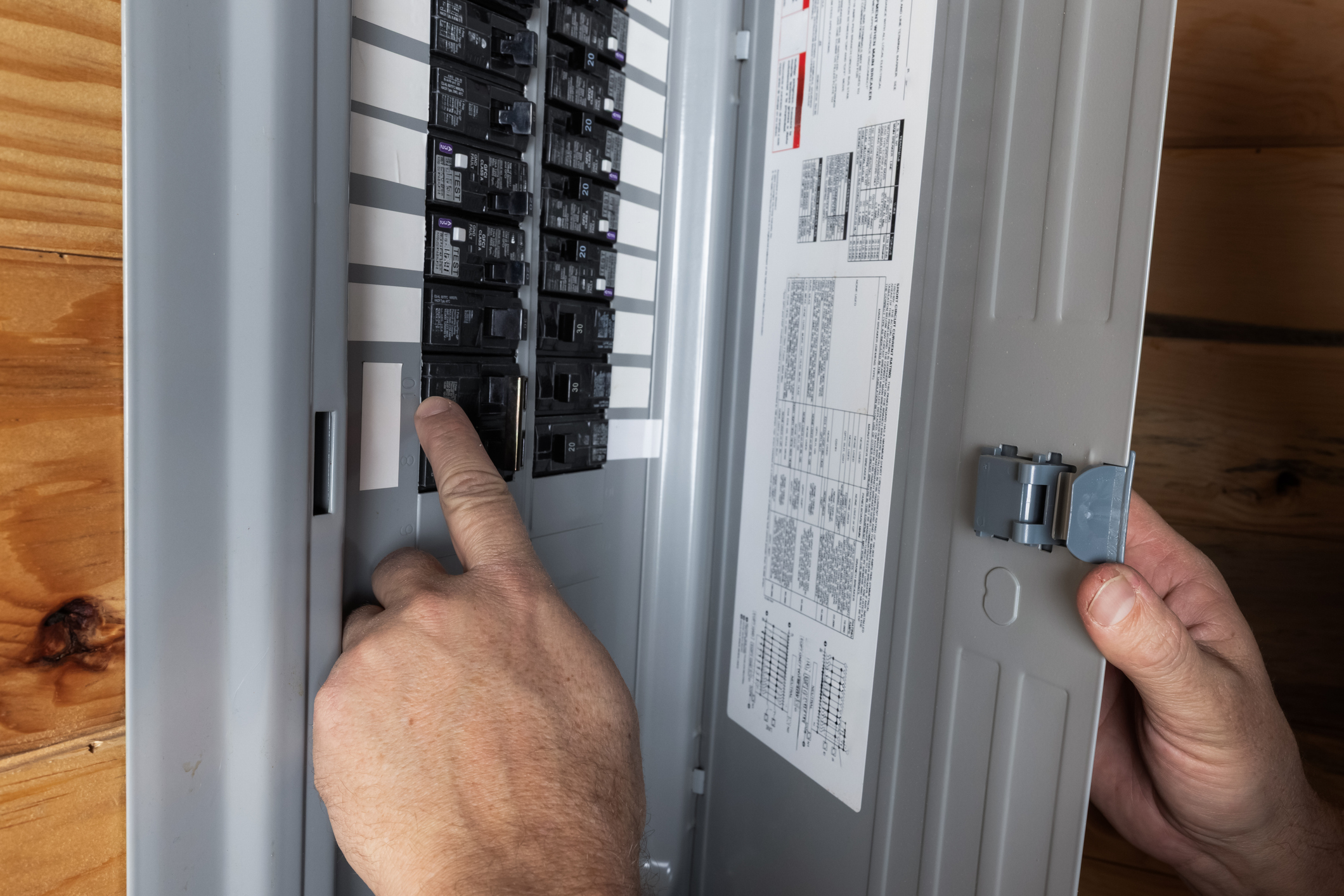
A panel inspection is especially useful when buying a home or planning a remodel. It can establish whether the property has enough capacity for present needs and identify corrections before new walls, appliances, or equipment make access harder.
The bottom line? Update a panel when the home's power demands have outgrown it, and have a licensed electrician inspect the system before adding major equipment. Plan for future technology during renovations, particularly if walls or ceilings are already open.
At the same time, flickering lights, tripped breakers, hot cords, and overloaded power strips should never be dismissed because "they've always done that." Waiting for a failure turns a manageable inspection into an urgent repair.
A panel's job has changed, even when the panel has not
The electrical panel is no longer only the center of a home's lights and appliances. It supports the systems that run work, entertainment, security, transportation, and climate control.
That doesn't mean every older house needs a new panel. It means the system needs an honest assessment when the household changes. Electrical capacity is a safety issue, and the warning signs often appear long before a breaker panel fails. The first step is always to have a trusted electrician evaluate your home's electrical needs. You can find Certified electricians back by TrustDALE's $10,000 Make It Right Guarantee at Trustdale.com.