

The Road to Electric Starts at Home
Electric vehicles are rapidly transforming driveways across America. But for many new owners, the excitement fades fast when they realize their homes weren’t designed to handle the extra electrical load. Installing a charger isn’t as simple as plugging in. It’s actually a serious electrical upgrade that can impact your safety, your panel’s performance, and even your utility bills.
Before you make the switch, it’s important to understand what your home can handle and what might need updating. This guide breaks down how EV charging works, how to check if your electrical system is ready, and what to expect in terms of costs and upgrades.
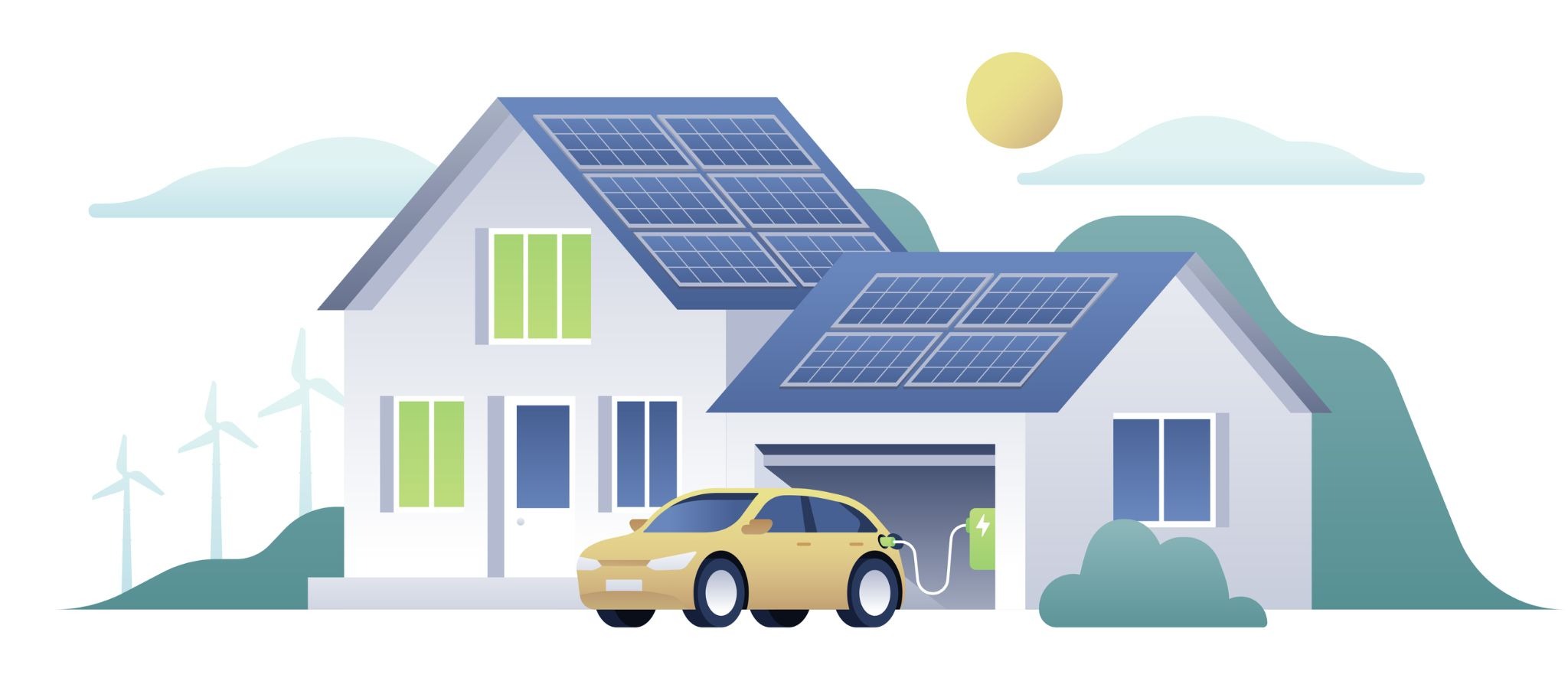
Powering the Future: What It Takes to Charge an EV at Home
Not all chargers are created equal. Home EV charging generally falls into two categories:
- Level 1 Charging: Uses a standard 120-volt household outlet (the same one you’d use for a lamp or vacuum). It’s convenient but slow, adding about 3 to 5 miles of range per hour. For drivers who only travel short distances daily, this might suffice.
- Level 2 Charging: Requires a 240-volt circuit, similar to what powers an electric dryer. It delivers roughly 20 to 40 miles of range per hour, which is why most homeowners prefer this option for daily use.
But here’s where things get interesting: Level 2 chargers draw a significant amount of power, often 30–50 amps. That’s a heavy load to add to your household’s existing demand, especially if you already run high-consumption appliances like HVAC systems, water heaters, and electric ovens.
Understanding your home’s total electrical load (the sum of all the devices drawing power) is key. If your panel is already maxed out, plugging in a new charger could push it beyond safe limits.
Can Your Electrical Panel Handle the Load?
Your home’s breaker box, or electrical panel, is the heart of your power system. It distributes electricity throughout your home and protects circuits from overloads. Most modern homes have 200-amp panels, but many older homes still rely on 100-amp (or even 60-amp) systems.
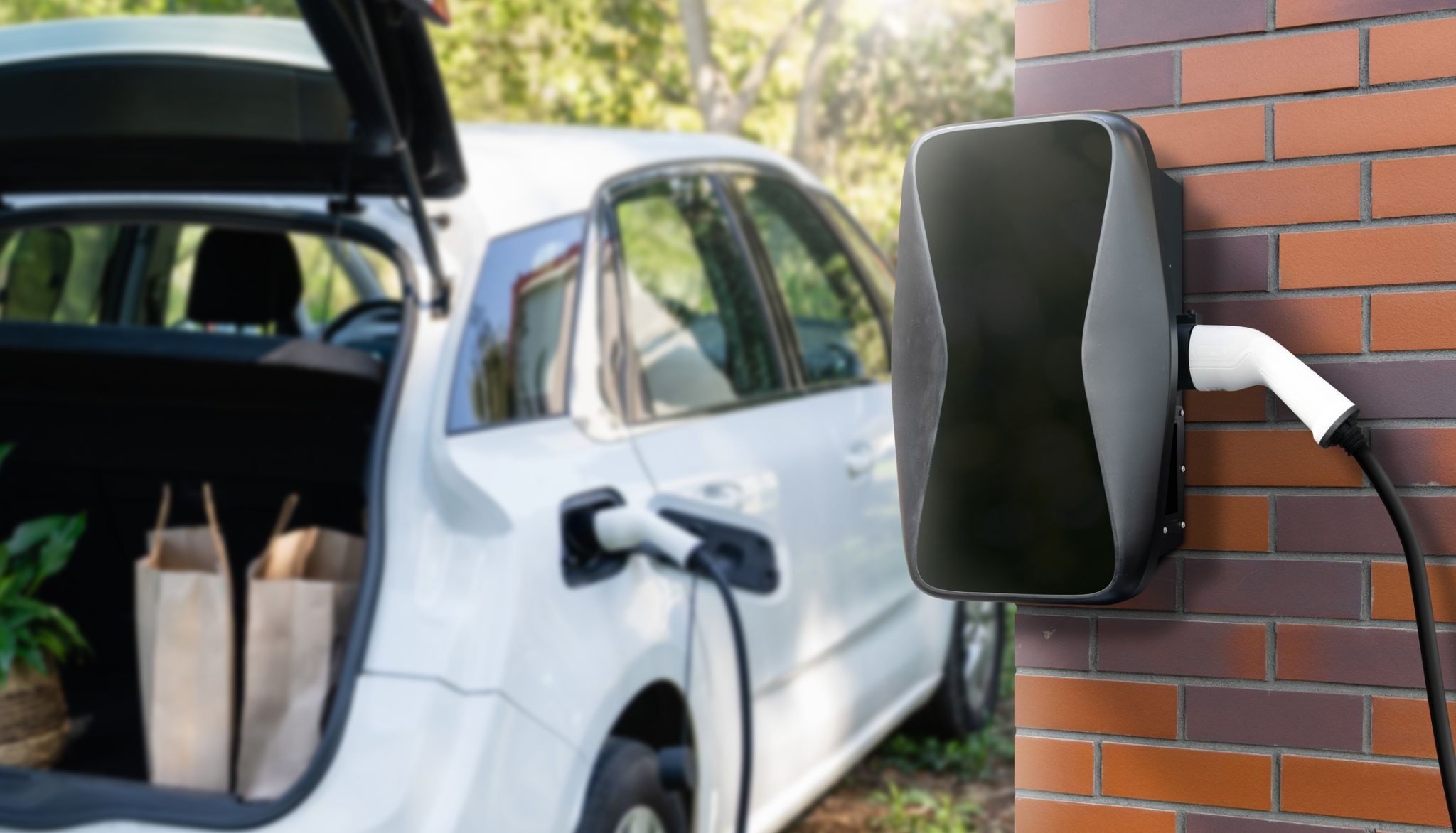
To check your panel’s capacity, open the door and look for the main breaker switch – it’s typically labeled with the panel’s total amperage. If your panel is full, outdated, or frequently trips breakers, it may not safely accommodate an EV charger. Other red flags include flickering lights, buzzing sounds, or any signs of heat or discoloration near the breakers.
EV chargers must be installed on a dedicated circuit, meaning that power line serves the charger alone. Trying to share it with other appliances risks overheating and tripping breakers.
Fortunately, homeowners have options. Smart load management systems can monitor your home’s total usage and automatically adjust charging rates to stay within safe limits. These devices are a great alternative when a full panel upgrade isn’t feasible.
The Real Costs of Powering Up
The cost of adding an EV charger depends on your setup and your home’s electrical health. Here’s what to expect:
- Level 1 Setup: If you already have a nearby outlet, the cost is minimal. Believe it or not, you might spend under $200 for proper wiring checks and outlet testing.
- Level 2 Installation: For most homeowners, expect between $500 and $2,000, depending on distance from the panel, wiring complexity, and labor.
- Panel Upgrade: If your electrical system needs a boost, upgrades typically run between $1,500 and $3,000 or more, especially in older homes where service lines or grounding may also need updating.
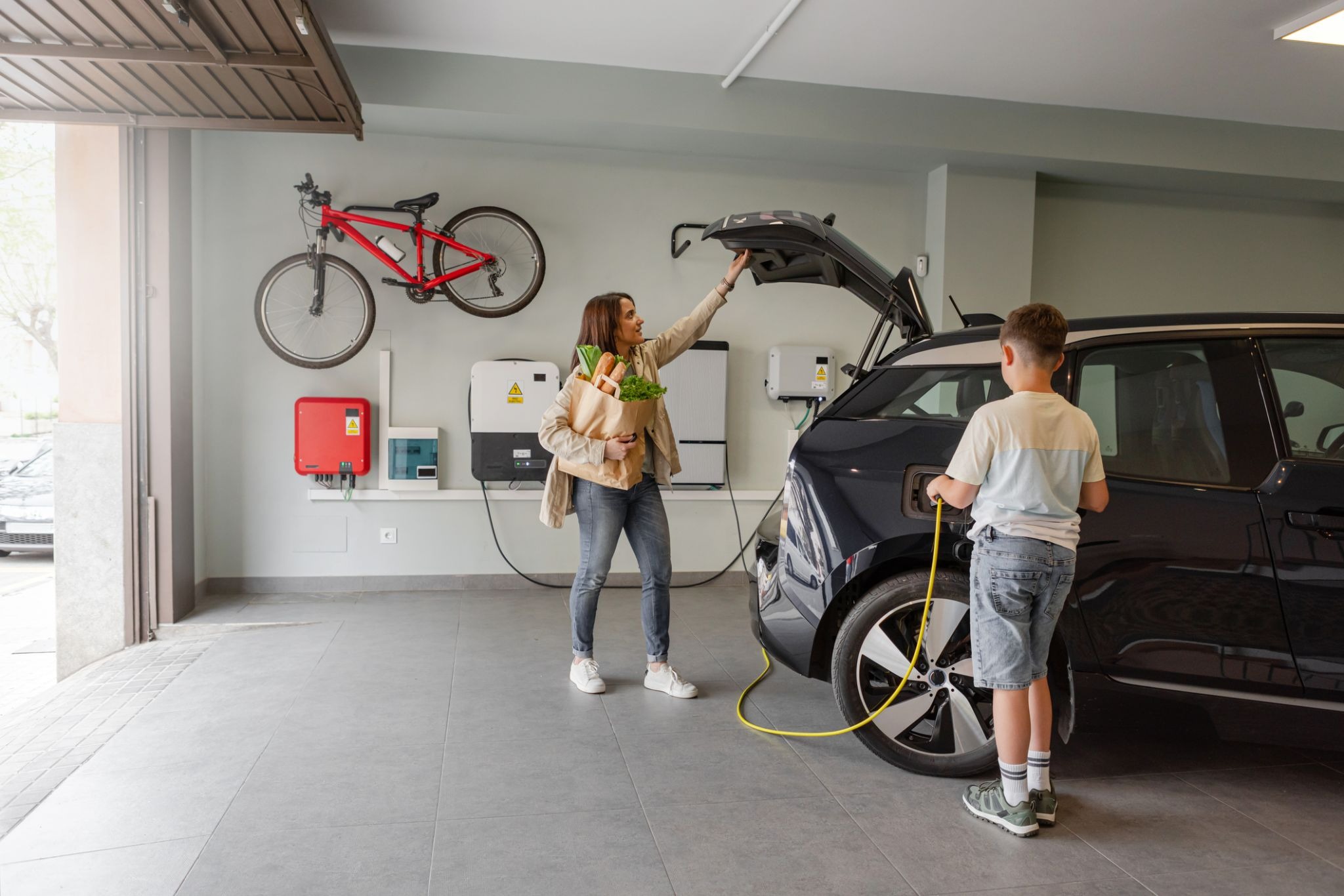
Keep in mind that many municipalities require permits and inspections for EV charger installations to ensure compliance with the National Electrical Code. Licensed electricians handle this paperwork for you, guaranteeing that your setup is safe, efficient, and ready for The Future.
When it comes to electricity, cutting corners isn’t worth the risk. A certified electrician ensures your installation won’t compromise your home’s safety or void your EV manufacturer’s warranty.
Power Up Safely with a Trusted Professional
Electric vehicles are a smart investment in both your wallet and the planet… but only if your home is equipped to handle the charge. Before you plug in, make sure your system is ready for the future of driving. Power up with a certified electrician you can trust. Find a vetted EV charger installer through TrustDALE today and ensure your home is safely connected to tomorrow’s technology.