

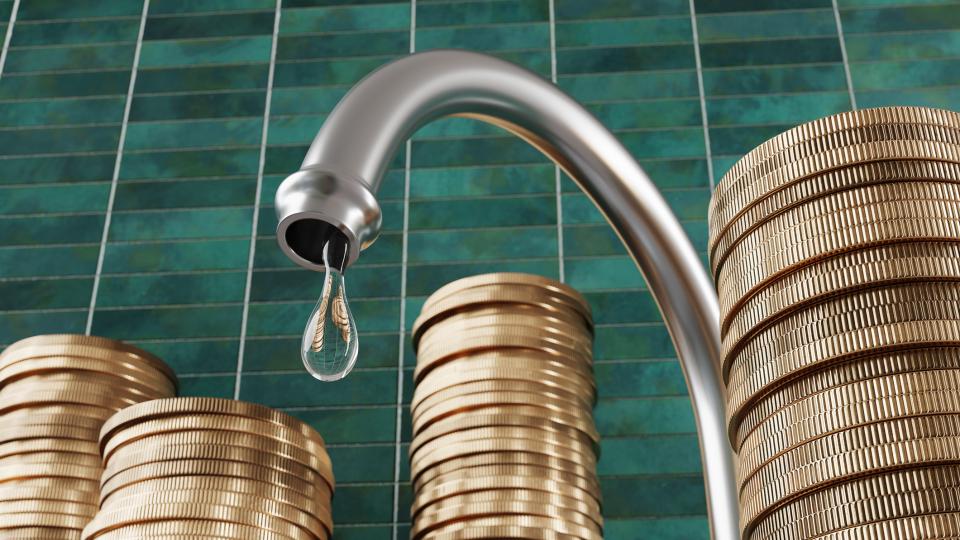
A higher water bill has a way of getting your attention fast. Most people see the number, think back through the month, and come up with the same answer: nothing changed. No pool filled up, no houseguests moved in, no marathon laundry weekends, no obvious reason for the jump.
That’s exactly why these spikes catch homeowners off guard. The truth is, water bills often rise because of small problems that don’t announce themselves, along with a few seasonal patterns that are easy to overlook. Once you know where the usual suspects hide, it gets much easier to figure out whether you’re dealing with a wasteful habit, an aging fixture, or a plumbing issue that deserves a professional’s attention.
The leaks you don’t see are usually the ones doing the damage
The biggest mistake homeowners make is assuming a serious leak would be obvious. Sometimes it is. You spot water under a sink, a damp ceiling, or a muddy patch in the yard and the mystery is over. Plenty of leaks, though, stay quiet for weeks. A worn flapper in a toilet tank, a drip tucked behind a wall, or a small underground line issue can waste a surprising amount of water without putting on a show.
Toilets are one of the most common offenders because they can keep running in a way that blends right into the background. You hear a faint refill now and then, shrug it off, and move on with your day. Meanwhile, water keeps slipping through the tank and into the bowl, all month long, like a little money chute aimed straight at your utility bill. A slow leak in a faucet is less dramatic, but it adds up too, especially when there are several small problems happening at once.
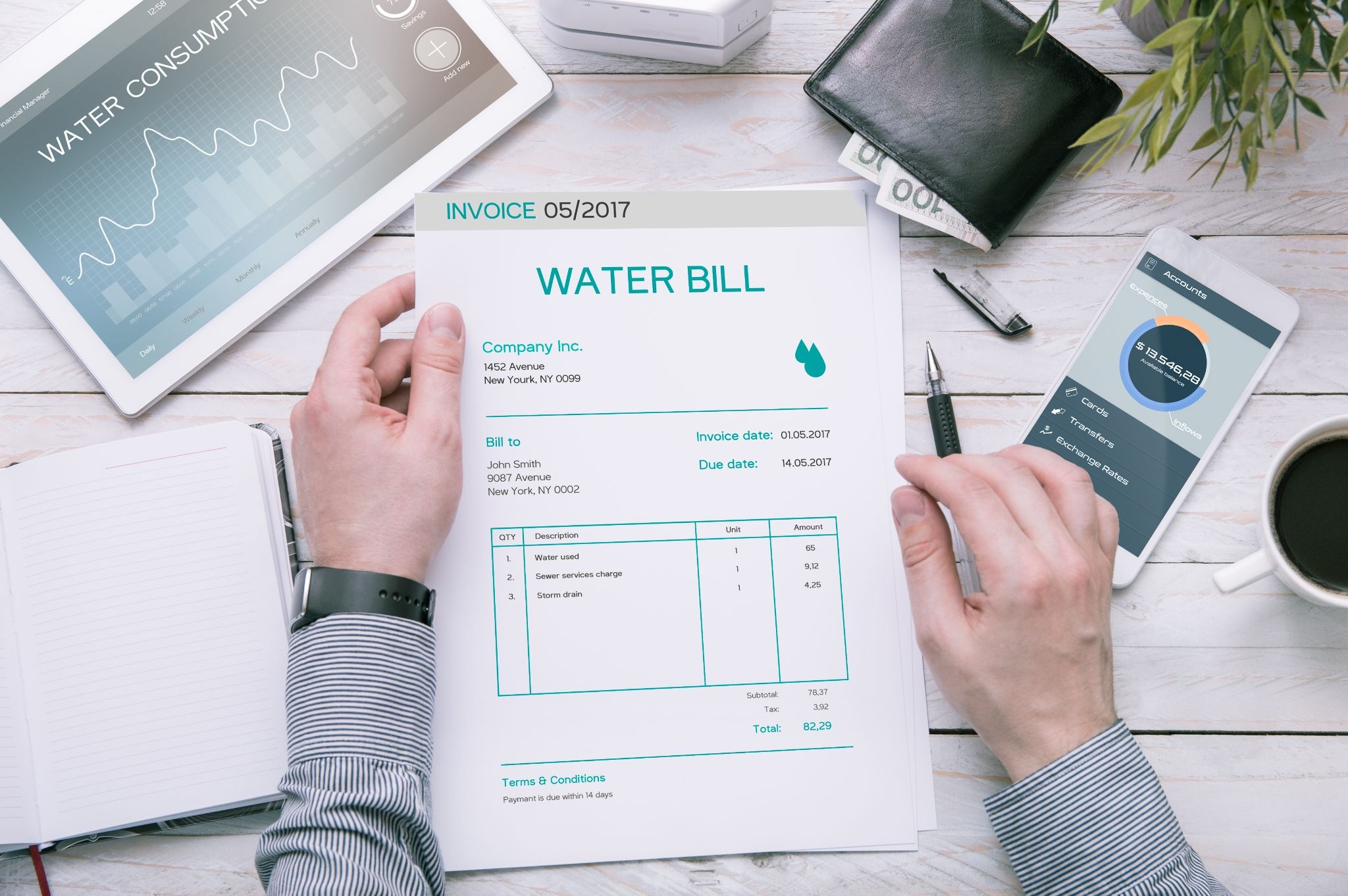
Then there are the leaks that stay hidden behind walls or under the slab. Those are the ones that turn a simple billing surprise into a bigger home repair if they linger too long. You may notice warmer spots on the floor, peeling paint, a mildew smell, or no visible clue at all beyond the bill itself. When the numbers jump and the household routine hasn’t, it’s smart to treat that bill like a symptom, not a clerical insult from the water company.
Your yard may be spending money behind your back
Homeowners often focus on indoor plumbing first, which makes sense, but irrigation systems are notorious for creating expensive surprises. A broken sprinkler head, a valve issue, or a timer that’s running longer than expected can send a lot of water into the lawn without anyone giving it a second glance. If the system comes on before sunrise, the waste can stay hidden for quite a while.
This gets even trickier when seasonal habits change without feeling like a change. Warmer weather shows up, the lawn starts looking thirsty, flower beds need more attention, and suddenly the outdoor water use creeps upward. Nobody thinks of that as a major shift because it happens gradually. It still shows up on the bill. In some homes, an irrigation system and a plumbing issue combine into a particularly annoying one two punch, which is how a homeowner ends up staring at a bill and wondering whether the house has developed a secret hobby.
Outdoor spigots deserve a look too. Hose bibs can drip quietly, garden hoses can split, and connections can leak enough to matter, especially over several weeks. A yard doesn’t have to look like a swamp for outdoor water waste to be real. Sometimes the grass gets a little greener while your wallet gets a little lighter, and that’s the only clue you get.
The water heater might be part of the story
Water heaters don’t usually get blamed first, but they can absolutely play a role in rising water costs. An aging unit may take longer to deliver hot water, which means faucets and showers run longer while people wait for the temperature to catch up. That extra time doesn’t feel dramatic in the moment. Spread across a household and a full billing cycle, it can become part of the problem.
Older plumbing fixtures can make this worse. If showerheads and faucets are outdated or inefficient, the household may be using more water than necessary without realizing it. It feels normal because it has always been that way. That’s the trap. Familiar waste is still waste, even when it arrives dressed as routine.
There’s also the human factor, and yes, it counts. When temperatures shift, people often take longer showers, wash more gear, run extra loads of laundry, or clean up after outdoor projects. None of that feels like some major lifestyle change. It just feels like life. Water bills, however, are remarkably good at noticing the little things we stop noticing ourselves.
When the bill speaks first, listen before it gets louder
The smartest response to a sudden spike is not panic, and it’s definitely not ignoring it for another month in the hope that the numbers magically calm down. Start with the basics. Check toilets for silent running, look under sinks, inspect outdoor spigots, and pay attention to the irrigation system. Think through any small seasonal shifts that may have changed how your household uses water, even if they seemed insignificant at the time.
If nothing obvious turns up, that’s usually the moment to bring in a professional plumber. Hidden leaks, pressure problems, failing components, and underground issues are much easier to deal with when they’re caught early. This is where a TrustDALE certified plumbing partner can be especially valuable. A good plumber won’t just chase the symptom. They’ll work the system, find the source, and tell you whether you’re dealing with a simple repair or the beginning of a larger issue.
A water bill rarely jumps for no reason. Houses are always talking, just not always in plain English. Sometimes they drip, hiss, run, or leak in a language that only becomes obvious when the bill lands in your inbox looking strangely ambitious. Catch the cause early, and that surprise charge has a much better chance of being a one month annoyance instead of the first chapter in a far more expensive story.