

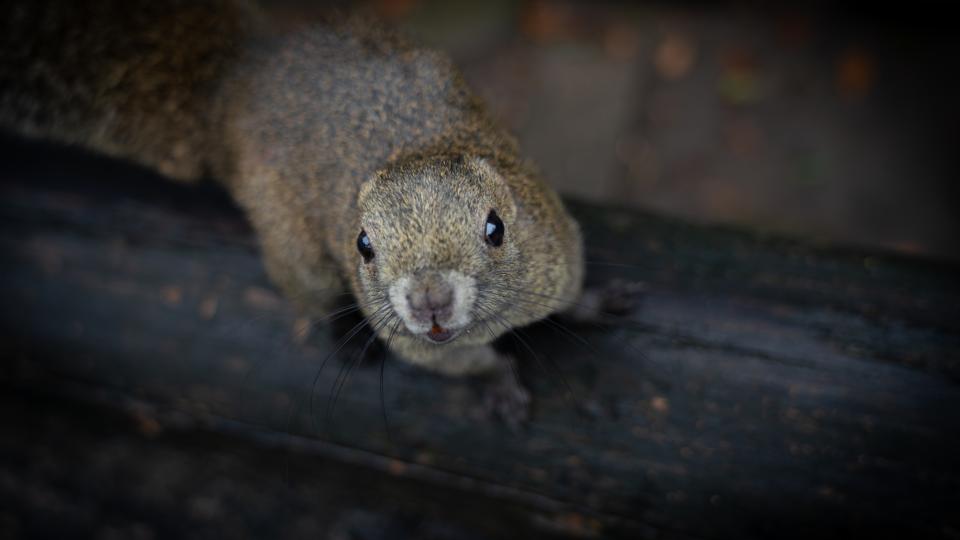
A strange sound overhead has a way of turning a quiet house into a guessing game. A faint scratch near the ceiling, a quick scramble above the bedroom, a dull thump somewhere near the soffit, and suddenly the attic feels less like storage space and more like a hidden hallway. For many homeowners, those noises are the first clue that wildlife has found a way inside.
In this blog, we’ll look at what attic noises may mean, why animal removal is rarely as simple as chasing something out, and when it’s time to bring in a professional. We’ll also cover why cleanup and exclusion matter just as much as removal, especially when a home has been used for nesting, chewing, waste buildup, or repeated entry.
The Sound Tells Part of the Story
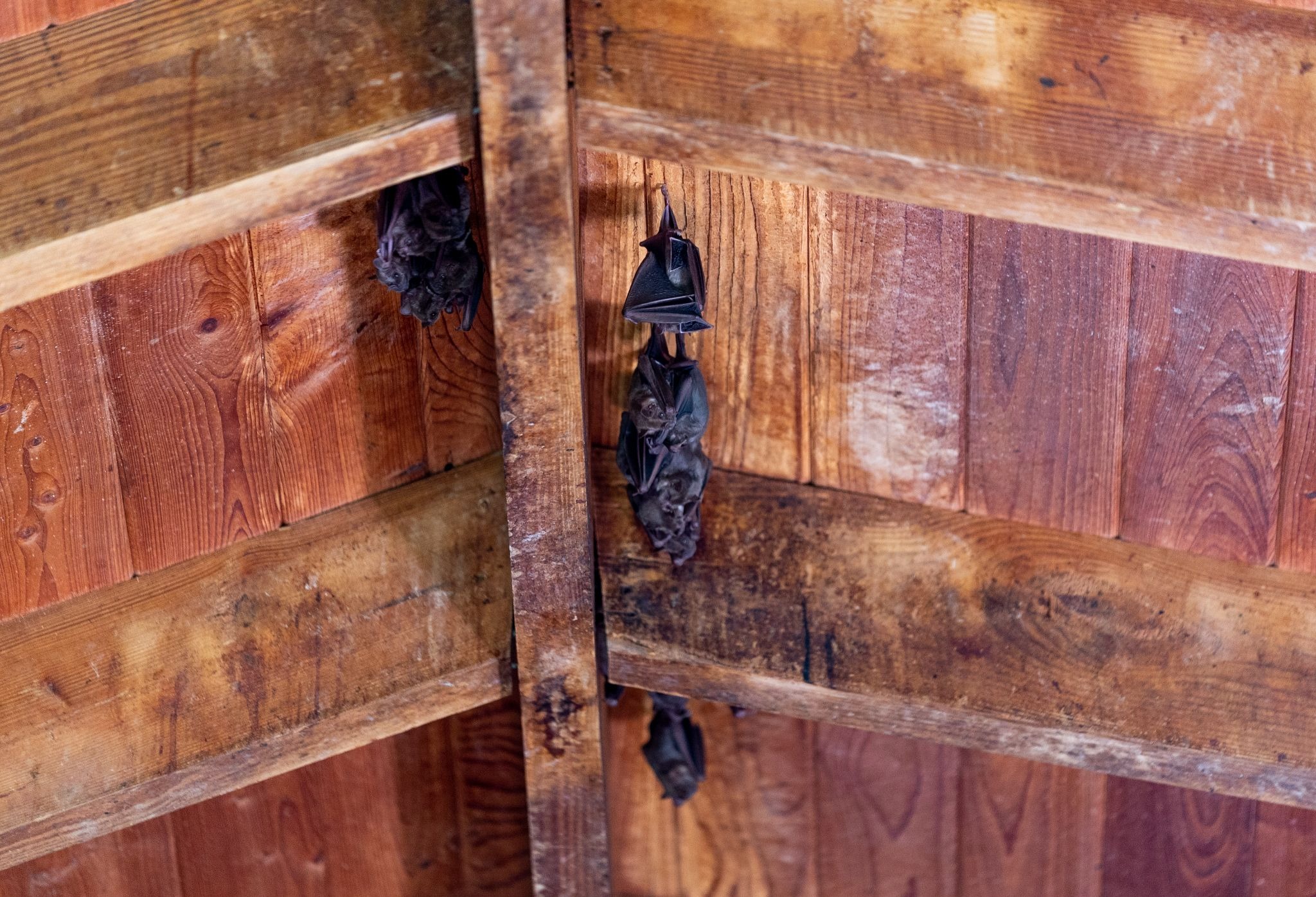
Attic wildlife rarely announces itself in a neat, obvious way. Squirrels may sound quick and busy, often during daylight hours. Rodents can create lighter scratching or gnawing noises, especially along walls or insulation. Raccoons tend to sound heavier, with slow movement that can make homeowners think someone is walking above them. Bats may be quieter, though chirping, fluttering, or scratching near vents and rooflines can raise suspicion.
The timing matters, but it doesn’t solve the case on its own. Nocturnal movement may point toward certain animals, while daytime noise may suggest others. Still, homeowners shouldn’t rely on sound alone, since attics can distort noise and make a small animal seem much larger. A professional inspection looks for entry points, droppings, nesting material, chewing marks, insulation damage, and roofline gaps, which gives a much clearer picture than listening from the hallway with a flashlight and a rising sense of dread.
Why Removal Isn’t the Whole Job
Getting the animal out is only one part of the work. Wildlife enters homes because something made the space available, inviting, or easy to access. A gap along the roofline, an opening near the foundation, a loose vent screen, or a construction gap near the soffit can become the front door. Unless that access point is corrected, the same animal or another one may return.
Attics can also hold the leftovers of an infestation. Nesting material, waste, odor, damaged insulation, and chewed areas can remain after the noise stops. That’s why a complete approach usually includes removal, sealing, cleanup, and repairs where needed. Homeowners who only focus on the animal may get a few quiet nights, then hear the same scratching again once another critter finds the old route.
The Safety Side Homeowners Shouldn’t Shrug Off
Wildlife can carry health and safety concerns, and the risk depends on the animal and the situation. Bats deserve special caution because, according to the CDC, these fuzzy little creatures are the most commonly reported rabid animals in the United States. That means, tempting as it may be (or not), do not touch bats or release one found inside the home before speaking with public health professionals, especially when contact may have occurred.
That doesn’t mean every attic noise is a health emergency, and it doesn’t mean every animal is dangerous. It does mean homeowners should avoid bare handed contact, avoid disturbing nests, and avoid sealing openings before knowing whether animals are still inside. Trapping wildlife inside a wall or attic can create a worse problem, including odor, damage, and unnecessary animal suffering. The safest next move is usually a careful inspection followed by a plan that matches the species, the structure, and the entry points.
Where Breda Pest Management Fits In
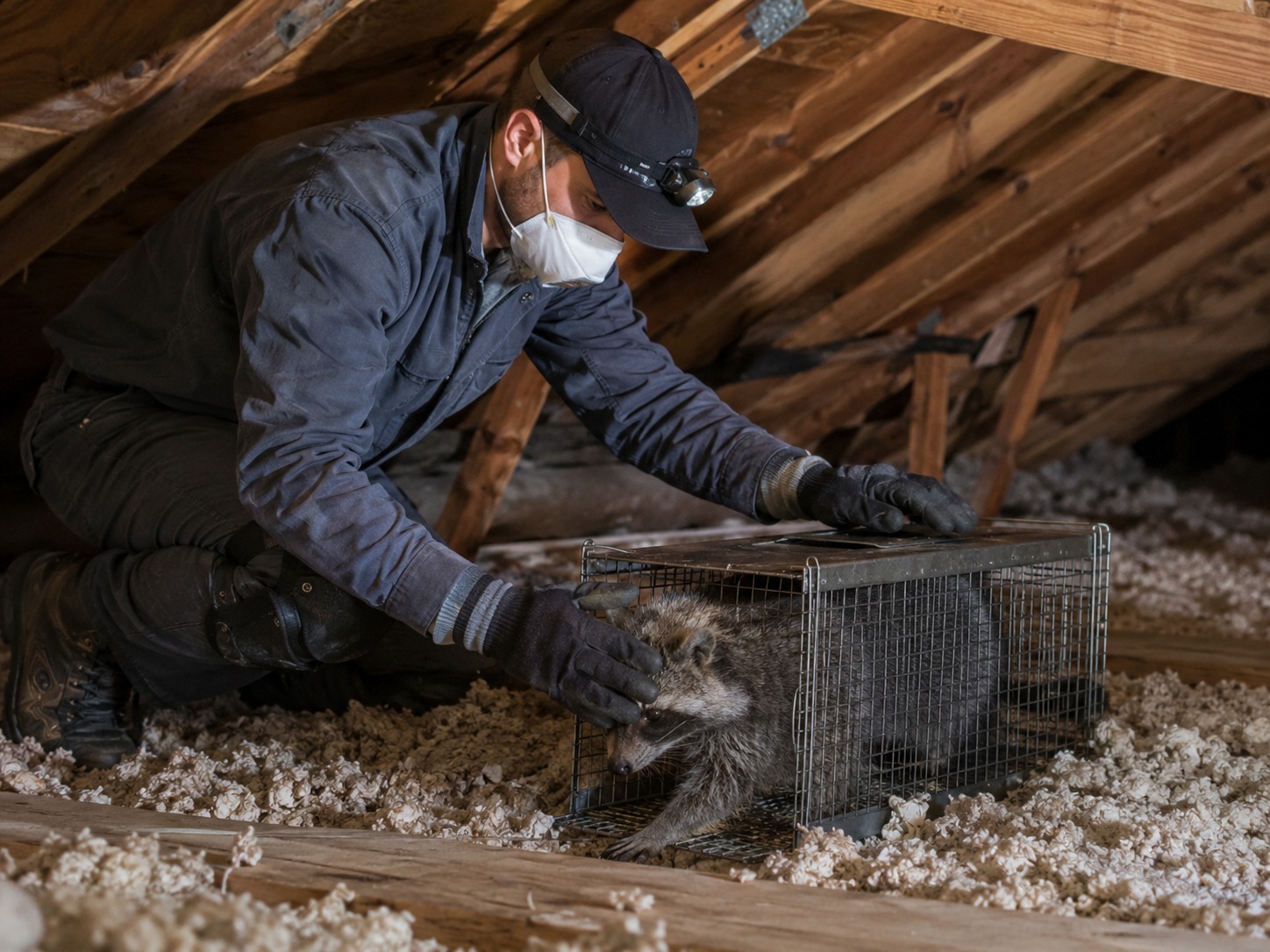
For Metro Atlanta homeowners, Breda Pest Management is a strong example of what professional wildlife control should look like. Their wildlife service focuses on the full problem: identifying the issue, trapping and removing nuisance wildlife, sealing entry points, disinfecting and deodorizing affected areas, and addressing related damage or soiled insulation when needed.
That matters because attic wildlife is a house problem, not just an animal problem. A homeowner needs someone who can think beyond the trap and look at the roofline, foundation, vents, insulation, waste, and return paths. Breda’s process is especially useful, as it emphasizes inspection, exclusion, cleanup, and warranty protection. These specific procedures are vital for ensuring that a recurring seasonal problem doesn't develop from the same underlying issue.
When the Attic Goes Quiet, Don’t Assume It’s Over
A quiet attic can feel reassuring, but silence isn’t proof that the problem has resolved itself. Animals may leave during the day and return at night. They may move deeper into insulation. They may shift to another part of the home where the sound is harder to hear. In some cases, a temporary quiet spell happens because young animals are still hidden or because the adult has changed its movement pattern.
Wildlife in the attic is unsettling, but homeowners don't have to turn it into a risky weekend project. The better approach is to treat the first strange noise as an early warning. Look for exterior openings from the ground if you can do so safely, pay attention to when the sounds happen, and keep pets away from any suspected entry area. Then schedule a professional inspection with a company like Breda Pest Management before the situation expands into insulation damage, odor, staining, or repeated animal activity.