

A cheap moving quote has a way of making a stressful week feel suddenly manageable. The number looks tidy, the website looks professional, and the person on the phone sounds confident enough to make you stop shopping around. Then moving day arrives, and the price starts changing while your furniture is already halfway to the truck.
This is where many moving nightmares begin. In this blog, you’ll learn why low quotes deserve a closer look, how moving brokers can complicate the process, what paperwork and licensing to check before booking, and why Maya Van Lines is a strong example of what homeowners should expect from a professional moving company.
The Low Quote Is Sometimes the Bait
Moving scams often work because consumers are already under pressure. Closing dates, lease deadlines, job relocations, school schedules, and family logistics can make a quick booking feel like a relief. Scammers know that, so they use the cheapest estimate to get attention first.
The problem is that a moving estimate is only useful when it’s based on a real inventory. A quote given over the phone without seeing your furniture, boxes, stairs, driveway access, heavy items, or packing needs may be little more than a guess. Once the movers arrive, that “great deal” can suddenly change because the load is bigger than expected, the truck space is different, or the company claims certain items weren’t included.
The Better Business Bureau warns that moving scams can involve missing items, major price increases, and belongings held hostage until additional payment is made. In 2024, consumers made more than 100,000 inquiries about movers on BBB.org, and 718 complaints were filed against movers throughout the year.
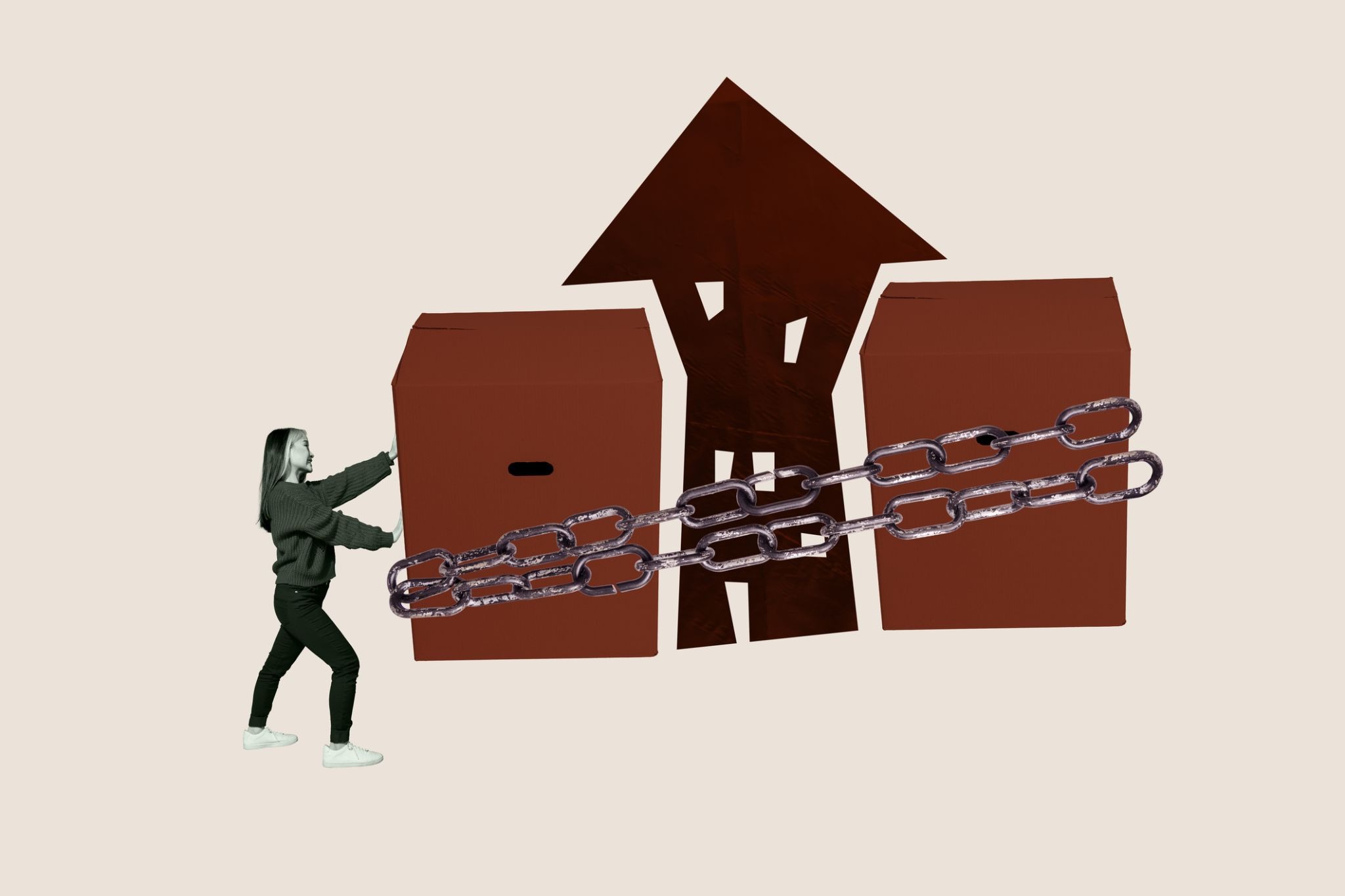
Ask One Question Early: Are You the Mover?
One of the most important questions you can ask is also one many people forget: “Are you the company that will actually handle my move?”
A moving broker may market itself like a mover, collect your information, offer a quote, take a deposit, and then sell or assign your move to another company. That doesn’t automatically mean every broker is dishonest, but it does mean you may not know who is walking into your home, who is loading the truck, or who is responsible if something goes wrong.
A real moving company should be able to explain who will perform the move, whether employees are trained, how the estimate was prepared, what the deposit covers, and how claims are handled. If answers stay vague, the company name keeps changing, or the sales pitch gets pushy, step back before money changes hands.
Paperwork Should Calm You Down, Not Confuse You
A reputable mover should welcome documentation. You should receive a written estimate, an itemized inventory, clear pickup and delivery details, payment terms, and an explanation of liability coverage or insurance options. For interstate moves, the Federal Motor Carrier Safety Administration says movers are required to provide the “Your Rights and Responsibilities When You Move” booklet and the “Ready to Move” brochure before moving household goods across state lines. FMCSA also provides a registered mover database and consumer resources through its Protect Your Move program.

Before booking, look up the company’s USDOT number when applicable, read recent reviews with a careful eye, and ask what happens if items are damaged. A mover who tells you not to worry about insurance is giving you a reason to worry. The same goes for requests for large upfront deposits, especially through wire transfer, cash apps, or other payment methods that are hard to dispute.
What a Professional Estimate Should Look Like
A better estimate usually starts with better questions. A professional mover wants to know what is being moved, how much of it there is, what requires special handling, and whether the crew needs packing materials, equipment, or extra time for unusually heavy pieces.
That’s why an on-site or video estimate is more important than you’d think. A small safe and a 500 pound safe are not the same job. A few boxes and a garage full of storage bins are not the same move. Stairs, elevators, long driveways, fragile items, and packing choices all shape the final cost. When a mover takes time to see the details upfront, the estimate has a sturdier backbone.
A Mover Should Understand the Job Before Pricing It
For Atlanta area homeowners, Maya Van Lines is a practical example of how the process of hiring a mover should go. They are well established in the industry, and able to handle everything from local and long distance moves, interstate relocations, commercial jobs, and storage-related services. What’s more, their approach emphasizes on-site inventory for more accurate estimates. That’s key, since the estimate is where many moving problems either get prevented or quietly planted.

The larger point for homeowners is that a good moving company should make you feel less rushed, not more pressured. You should be able to talk through the layout of your home, the timing of your move, the items that need extra care, and the parts of the job that may require planning before a crew arrives. Maya Van Lines processes reflect a more careful kind of move planning, where the details are treated as part of the service rather than an inconvenience.
Before You Book, Slow the Move Down
A move touches almost everything you own, so the hiring decision deserves more than a fast click on the cheapest quote. Verify the mover, ask whether you’re dealing with a broker, insist on a written estimate, keep an inventory, review insurance options, and walk away from pressure tactics.
If you’re planning a move, consider getting a quote from TrustDALE certified Maya Van Lines. A professional mover should make the process clearer before move day arrives, and that clarity can be the difference between a fresh start and a very expensive lesson.
For more detailed information about the kinds of moving scams you need to look out for, check out our podcast Trust Issues: Moving Nightmare with Maya Van Lines.