
Why Your Air Conditioner Runs but Doesn't Cool the House

Hearing your air conditioner run while the house stays hot is frustrating, especially when the vents blow warm air instead of relief. An air conditioner runs but does not cool for several reasons, including restricted airflow, incorrect thermostat settings, outdoor unit problems, refrigerant leaks, or a failing compressor.
This guide will help you identify the likely cause, try safe checks, and know when your AC needs professional service. First, check the simple airflow and thermostat issues before moving on to more serious problems.
Start With These Quick Checks When Your AC Is Not Cooling
Before scheduling repairs, check the settings and airflow around your air conditioner. These simple steps can reveal whether the problem is a basic restriction or a sign of equipment trouble. Never open an electrical panel, handle refrigerant, or reach near moving parts. Leave that to the pros!
Check the Thermostat, Air Filter, and Airflow
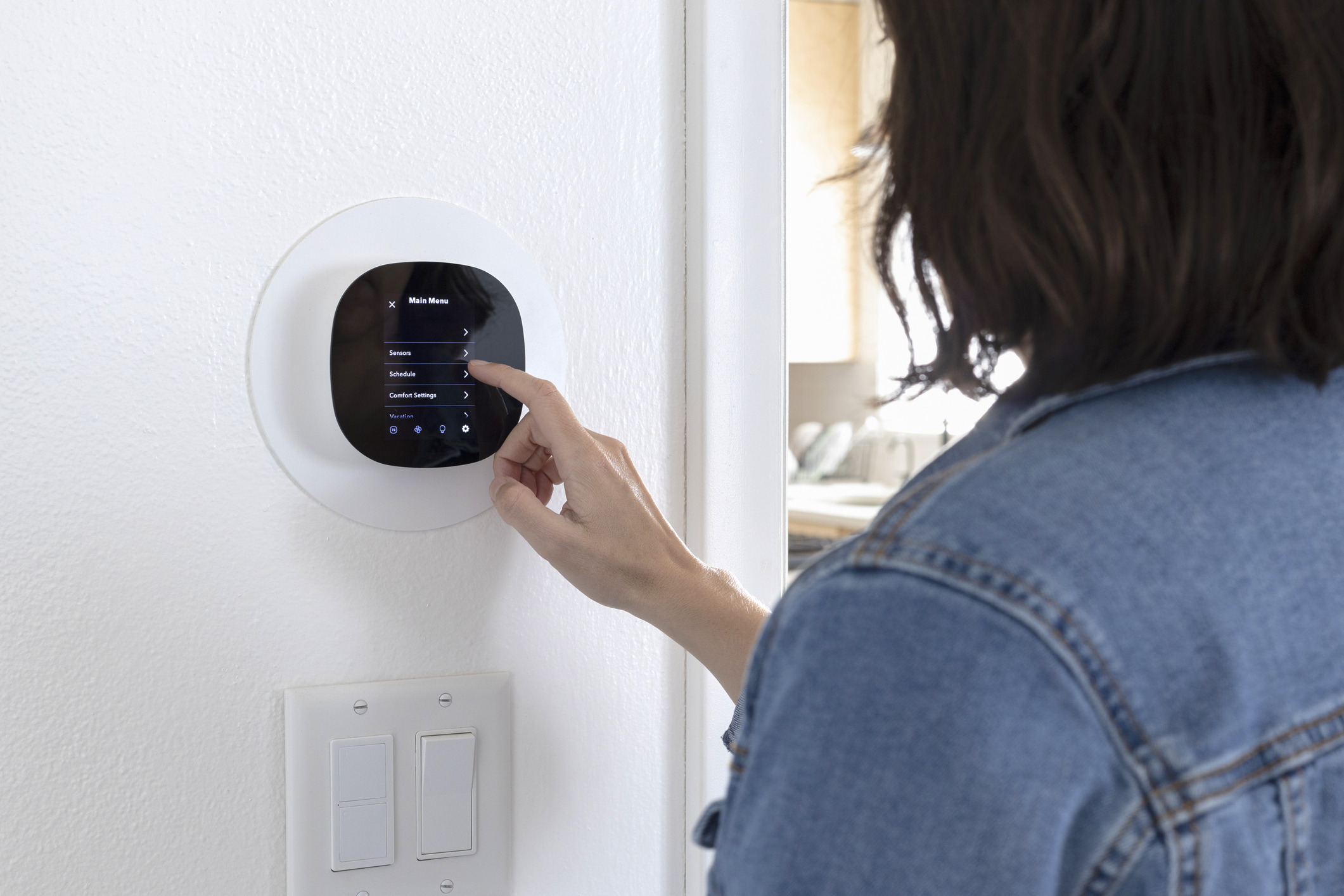
Start at the thermostat. It may sound obvioius, but confirm that the system is set to Cool, not Heat, Off, or Fan Only. Set the temperature several degrees below the current room temperature, then check that the fan is set to Auto. The fan should run during a cooling cycle and stop when the system reaches the selected temperature. In the On position, it may run continuously and blow room-temperature air between cooling cycles.
Next, inspect the air filter. A clogged filter traps dust and reduces the amount of air moving across the indoor coil. As a result, the AC may run for long periods while delivering weak airflow and little cooling. Severe restrictions can also cause the indoor coil to freeze.
If you use a disposable filter, replace it with the correct size and rating listed on the old filter or the filter slot. A filter that is too small can leave gaps around the frame, while an overly restrictive filter may reduce airflow in some systems. Slide the new filter into place in the direction shown by the airflow arrow.
Also check the vents throughout the house. Make sure supply registers are open and aren't blocked by furniture, rugs, curtains, or boxes. Return vents must remain uncovered because they pull warm indoor air back to the system. Closing several vents can create pressure problems and leave some rooms hot even when the AC continues to operate.
Look at the Indoor and Outdoor Units
Hold your hand near an indoor supply vent while the AC is running. Strong, cool airflow suggests the system is moving air normally. Weak airflow may point to a dirty filter, blocked duct, frozen coil, or blower problem. If no air comes from the vents, turn the system off and arrange service rather than removing panels or reaching inside the equipment.
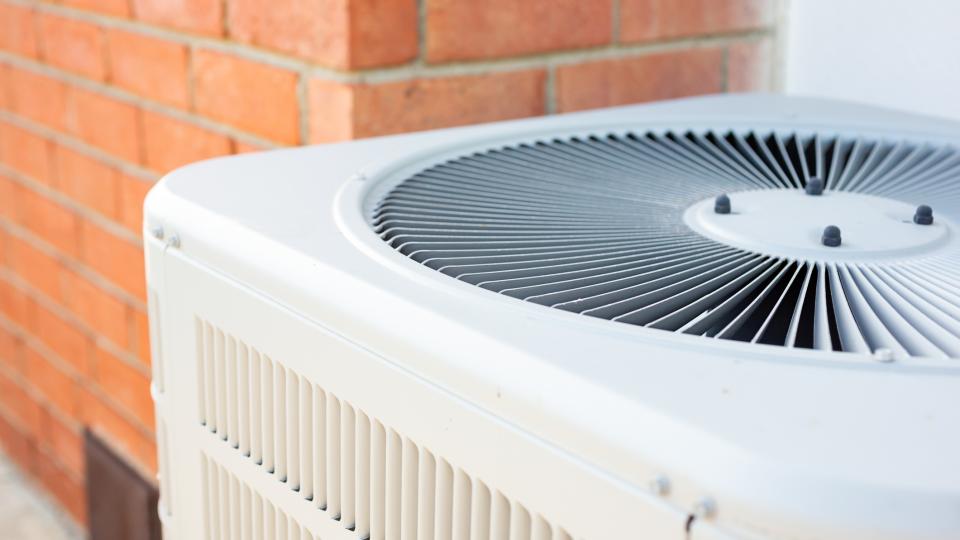
Then look at the outdoor condenser from a safe distance. The fan on top should run during a cooling cycle, and you should hear the compressor operating below it. If the indoor unit runs but the outdoor fan stays off, the system may have an electrical fault, a failed capacitor, or another component problem that requires professional testing.
Check the space around the condenser as well. Leaves, grass clippings, plastic bags, and other debris can restrict airflow through the outdoor coil. Turn the system off at the thermostat, then remove loose debris around the unit by hand without touching wiring, disconnects, or panels. Keep plants and stored items several feet away so air can move freely.
Look for ice on the refrigerant lines or around the indoor coil. Ice usually points to restricted airflow or a refrigerant problem. Turn the AC off and let the ice melt naturally. Continuing to run a frozen system can strain the compressor and increase the damage. If the unit still fails to cool after the filter and airflow checks, a qualified HVAC technician should diagnose it.
Common Reasons an Air Conditioner Runs but Does Not Cool the House
When an air conditioner runs without lowering the indoor temperature, the problem usually involves airflow, refrigerant, electrical components, or the home's ductwork. Some clues are easy to observe, while testing and repairs require a qualified HVAC technician.
A Dirty Filter, Coil, or Condenser Is Restricting Heat Transfer
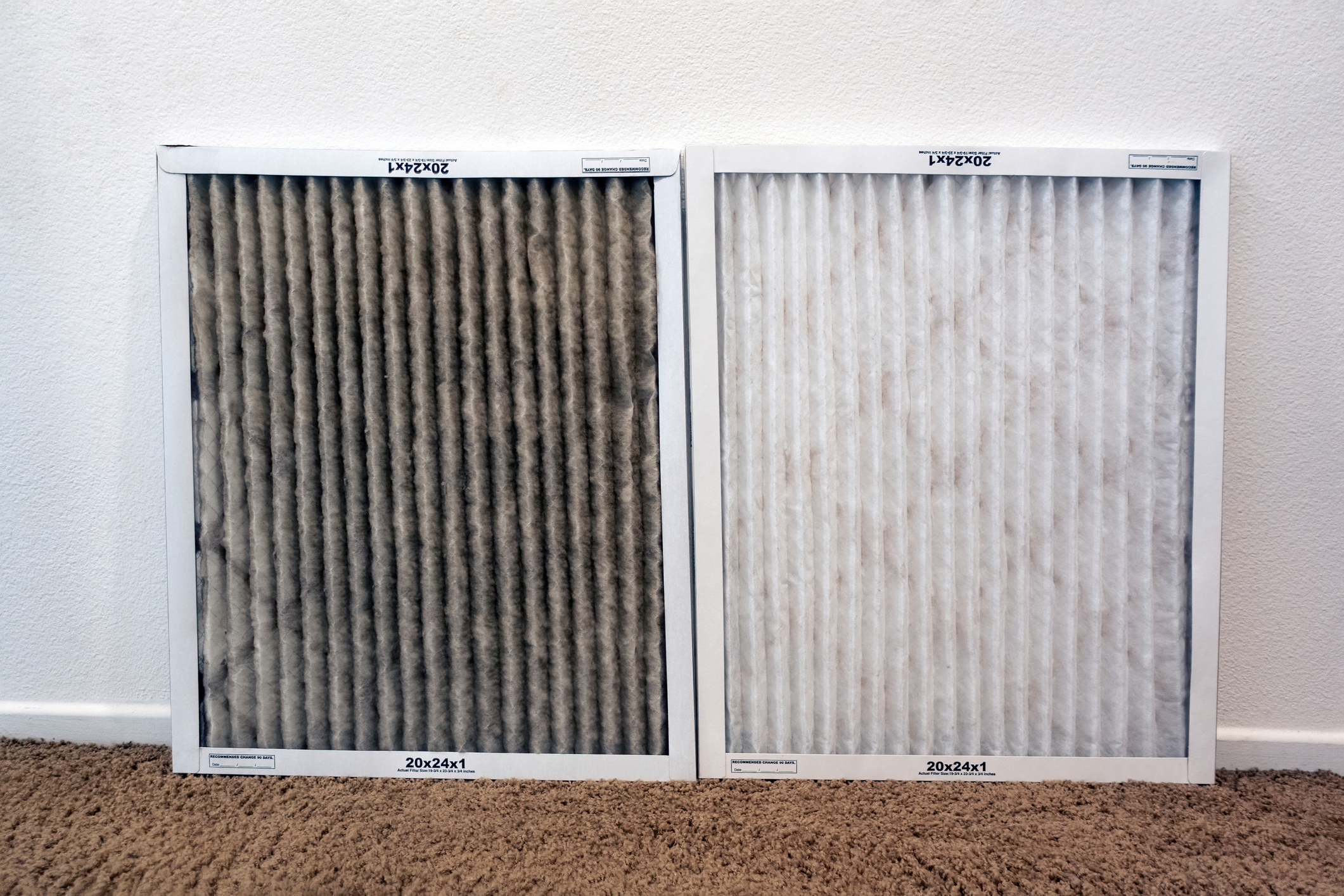
A dirty air filter is one of the most common reasons an AC runs but does not cool. Dust buildup blocks airflow through the return, so less warm air reaches the evaporator coil. The system may keep running, but it cannot circulate enough cooled air through the house.
Dirt can also collect directly on the indoor evaporator coil. That layer acts like a blanket, preventing the coil from absorbing heat from the air. Outside, grass clippings, leaves, and dust can cover the condenser coil and stop the outdoor unit from releasing heat. When either coil struggles, the air conditioner loses cooling capacity.
Watch for these common clues:
- Weak airflow from the supply vents
- Longer or nearly continuous cooling cycles
- Higher energy bills
- Warm air from some or all vents
- Ice on the refrigerant lines or indoor coil
A frozen coil often results from restricted airflow, although low refrigerant can cause the same symptom. Turn off cooling and let the ice melt before running the system again. Replace a dirty disposable filter with the correct size and rating, but don't remove equipment panels to clean the coils yourself. Evaporator coil cleaning may require specialized tools, protective equipment, and access to the indoor cabinet. Outdoor coil cleaning also requires care around electrical wiring and delicate fins.
Low Refrigerant Usually Means There Is a Leak
An air conditioner doesn't normally use up refrigerant during regular operation. If the refrigerant level is low, the system usually has a leak somewhere in the lines, coils, or connections.
Low refrigerant reduces the system's ability to absorb heat indoors. The AC may run for hours while the house remains warm, and you may notice ice on the refrigerant lines or the indoor coil. Hissing sounds near the equipment can point to escaping refrigerant, although airflow problems can produce similar cooling symptoms.
Long run times and weak cooling also appear when a filter is clogged or a condenser is dirty. For that reason, warm air alone doesn't prove that the system has a refrigerant leak. A technician needs to measure system pressures, inspect the equipment, and locate the source before recommending a repair.
Adding refrigerant without fixing the leak only provides a temporary solution. The charge will drop again, and the system may suffer additional damage. Refrigerant recovery, leak repair, and recharging require specialized equipment and must be handled by a qualified HVAC professional.
Refrigerant is part of a closed system. A low charge is a symptom that needs diagnosis, not routine maintenance.
The Outdoor Unit, Compressor, or Capacitor May Be Failing
The indoor blower can continue running even when the outdoor unit has stopped producing cooling. A failed capacitor may prevent the condenser fan or compressor from starting. A defective contactor can interrupt power to the outdoor components, while a failed fan motor can cause the unit to overheat or shut down.
The compressor is responsible for moving refrigerant through the system. If it fails, the blower may push air through the vents, but that air will not become cold. Depending on the fault, you might hear clicking, buzzing, humming, repeated starting attempts, or unusual cycling. A completely silent outdoor unit is another important clue.
Look at the condenser from a safe distance while the AC calls for cooling. If the indoor unit runs but the outdoor fan doesn't, switch the system off and schedule service. Avoid opening the disconnect box or electrical panels. Capacitors can hold a dangerous electrical charge even after the power is turned off.
Homeowners should not test, discharge, or replace capacitors, contactors, fan motors, or compressor parts. A technician can test voltage, inspect wiring, check the start components, and determine whether the repair makes sense for the unit's age and condition.
The Ductwork, Insulation, or Home Size May Be the Problem
Sometimes the air conditioner works properly, but cooled air never reaches the rooms that need it. Leaking or disconnected ducts can release conditioned air into a hot attic, crawl space, wall cavity, or basement. Crushed ducts restrict airflow, while poorly insulated ducts can gain heat before air reaches the vents.
These problems often cause weak airflow in certain rooms, excessive dust near duct connections, or a noticeable temperature difference between floors. Duct leaks become especially costly during hot weather because the system runs longer while losing cooled air along the way.
The home's construction also affects cooling performance. An undersized or aging AC system may run almost constantly and still struggle during a very hot afternoon. A replacement unit that doesn't match the home's ductwork, insulation, or airflow needs can create similar problems.
Uneven cooling doesn't always mean the air conditioner itself is defective. Zoning issues, inadequate attic insulation, drafty windows, and gaps around doors can add heat faster than the system can remove it. A qualified HVAC contractor can test airflow and duct leakage, while an energy auditor or insulation professional may need to inspect the building envelope. Repairing those areas can improve comfort without replacing a functioning AC unit.
How to Troubleshoot an AC That Blows Warm Air Safely
A safe troubleshooting process starts with simple observations and stops before electrical or refrigerant work. Your goal is to collect useful information for a technician, not to repair sealed components or force a failing system to run.
Check the thermostat, filter, vents, and outdoor unit first. Then use the system's symptoms to decide whether you can make a basic correction or need to shut the AC off and schedule service.
Use the System's Symptoms to Narrow Down the Cause
The way your air conditioner fails can point toward the source of the problem. Pay attention to airflow, sounds, cycling patterns, and moisture around the equipment.
- Weak airflow from the vents often points to a dirty filter, blocked return, frozen evaporator coil, restricted duct, or blower problem. Replace a clogged filter if you can do so safely, then turn off cooling if you see ice. A frozen coil must thaw before the system runs again.
- Strong airflow that feels warm suggests that the blower is working, but the system isn't removing heat. Possible causes include low refrigerant, a compressor problem, a failed capacitor, or trouble with the outdoor condenser. Check whether the outdoor fan runs during a cooling cycle, but don't remove any panels.
- Short cycling, when the AC starts and stops repeatedly, can result from a thermostat problem, restricted airflow, low refrigerant, incorrect system sizing, or an overheating component. Frequent starts place extra strain on the compressor, so schedule service if adjusting the thermostat and replacing a dirty filter doesn't help.
- Water near the indoor unit may come from a clogged condensate drain, a frozen coil that has thawed, or a blocked drain pan. Keep water away from electrical parts, turn off the system if the leak continues, and arrange an inspection.
- No airflow at all may indicate a blower, thermostat, power, or control problem. Turn the system off rather than opening the cabinet or reaching near the fan.
Write down what you observe, including when the problem started and whether every room has warm air. These details can help a technician avoid repeating basic checks.
Know When to Turn the AC Off
Some symptoms require more than a filter change or thermostat adjustment. Turn off the air conditioner and request professional service if you see ice on the refrigerant lines or indoor coil. Let the ice melt naturally, and don't chip it away or use a heat source to speed up the process.
Shut the system down immediately if you smell burning insulation, hear loud grinding, or notice electrical buzzing. These signs can indicate a failing motor, loose connection, damaged wiring, or another electrical fault. Water leaking near wiring, the control board, or other electrical parts also requires caution.
The outdoor fan should normally run while the system calls for cooling. If the indoor blower operates but the outdoor fan remains still, switch the AC off and schedule service. The condenser may have a failed capacitor, motor, contactor, or compressor issue.
Continued operation can overheat components and place severe stress on the compressor. A short service visit may become a larger repair if the system keeps running while frozen, starved of refrigerant, or unable to release heat outdoors.
If the system shows ice, burning smells, unusual electrical noise, or water near electrical components, shut it off at the thermostat and leave internal repairs to a qualified technician.
What an HVAC Technician Will Test

A qualified HVAC technician should diagnose the complete system instead of guessing from the temperature of one vent. First, the technician may measure the temperature difference between the return air and supply air. That reading helps show whether the evaporator is removing heat effectively.
The inspection may also include:
- Airflow at the supply and return sides
- Filter condition and blower performance
- Electrical voltage, amperage, capacitors, contactors, and wiring
- Refrigerant pressure and system charge
- Indoor and outdoor coil condition
- Duct connections, insulation, and visible leaks
- Condensate drain and drain pan condition
- Compressor starting, operating performance, and sound
Refrigerant pressure alone doesn't prove that the system has a leak or identify where the leak is located. The technician may need to inspect connections, coils, and line sets before recommending leak repair and a recharge. A proper diagnosis also helps separate a refrigerant problem from restricted airflow, a dirty coil, or compressor trouble.
Ask for the findings in plain language. Before approving refrigerant replacement or major work, ask what failed, how the technician confirmed it, and which repair options are available. If someone recommends a costly repair after only a quick visual check, request pressure readings, electrical test results, or other evidence that supports the diagnosis.
Repair Costs, Replacement Decisions, and Ways to Prevent the Problem
Once you've ruled out thermostat settings, airflow restrictions, and visible debris, the next step is deciding whether the AC needs a small repair or a larger investment. A written diagnosis helps you compare the repair with the system's age, condition, and expected remaining life.
What AC Repairs May Cost and What Affects the Price
Basic maintenance, such as replacing a filter or cleaning accessible debris, usually costs less than replacing an electrical component. Electrical part replacement, refrigerant leak detection, coil repair, and compressor work require more labor, specialized equipment, or access to sealed parts.
Several factors affect the final HVAC repair cost:
- Emergency service: Evening, weekend, and holiday calls often carry higher service charges.
- Refrigerant type: Older refrigerants may cost more to recover or replace, and some systems require updated components.
- System age: Older equipment may need hard-to-find parts or additional repairs once a technician opens the cabinet.
- Local labor rates: Prices vary by region, contractor experience, and the complexity of the service.
- Repair access: A coil or connection located inside a sealed cabinet takes more time to reach than an exposed filter or condenser area.
- Part availability: A common capacitor may be easy to source, while an obsolete control board can cause delays or require a broader repair.
Ask the contractor for a written estimate that separates diagnostic fees, labor, parts, refrigerant, and any required follow-up work. If the technician finds a refrigerant leak or failed compressor, compare the total repair cost with the system's age and condition before approving the work.
A refrigerant recharge without leak repair may only restore cooling for a limited time. Likewise, compressor replacement can be a major expense, especially when the rest of the unit has years of wear. A second opinion can help when the proposed repair involves a sealed coil, compressor, or extensive refrigerant work.
When Repair Makes More Sense Than Replacing the System
Repair is often the sensible choice when the air conditioner is relatively young, has a limited repair history, and still meets your comfort needs. A covered part or labor warranty can reduce your out-of-pocket cost, so check the equipment paperwork before authorizing work.
Consider these factors together:
- The unit's age and expected remaining service life
- The number and type of repairs in recent years
- Rising electricity use or unusually long cooling cycles
- Warranty coverage for parts, labor, or the compressor
- Availability and price of replacement components
- The system's performance after a proper repair
- Whether the ductwork, insulation, and electrical service can support the equipment
Frequent breakdowns change the calculation. A system that needs repeated service, has a major refrigerant leak, or has a failed compressor may cost more to keep than its remaining comfort is worth. An outdated unit may also use more energy and rely on refrigerant or parts that are difficult to obtain.
If replacement becomes the better option, don't automatically choose the largest available air conditioner. A contractor should perform a load calculation based on the home's size, insulation, windows, ductwork, and local climate. An oversized system may cool the house quickly but cycle too often, remove less humidity, and wear out faster.
Request a properly sized replacement proposal that includes efficiency, warranty terms, ductwork condition, installation details, and total cost. The lowest equipment price may not be the lowest long-term cost if the installation leaves airflow or sizing problems unresolved.
Simple Maintenance That Helps an AC Cool Better
Routine maintenance reduces airflow restrictions and catches developing problems before they leave you with warm air. Start with the filter. Replace or clean it on a schedule that fits your home, pets, dust levels, and filter type. A home with shedding pets or renovation dust may need more frequent attention than a lightly occupied home.
Keep every supply vent and return grille open and clear. Furniture, curtains, rugs, and storage boxes can block airflow, forcing the system to work harder. Around the outdoor condenser, remove loose leaves and grass clippings after turning the system off at the thermostat. Keep plants, fences, and stored items far enough away for air to move freely through the coil.
Schedule professional air conditioner maintenance before the cooling season begins. The technician can inspect electrical connections, measure operating performance, clean accessible components, check the condensate system, and look for signs of refrigerant or compressor trouble. Ask the technician to clear the condensate drain and confirm that water flows away from the indoor unit.
You can also reduce the heat entering the house by sealing accessible duct leaks and improving insulation in a hot attic. Close blinds or shades during the peak afternoon sun, especially on windows that receive direct sunlight.
Maintenance lowers the risk of poor cooling, but it cannot repair an existing refrigerant leak or failing compressor.
If the AC still runs without cooling after these steps, stop treating the problem as routine maintenance. Continued operation can increase compressor damage, so arrange a qualified inspection and use the diagnosis to choose between repair and replacement.
Conclusion
An air conditioner can run without cooling because of restricted airflow, dirty coils, outdoor-unit failure, low refrigerant, duct problems, or a system that cannot meet the home's cooling load. Start with the thermostat, filter, vents, and debris around the condenser.
Turn the system off if you see ice, leaking water, a burning odor, or unusual noise. A qualified HVAC professional should diagnose electrical faults, refrigerant leaks, compressor trouble, and other sealed-system problems before the AC runs long enough to cause further damage. You can find vetted HVAC professionals at Trustdale.com. TrustDALE Certified HVAC technicians have passed a 7-point inspection process and are backed by TrustDALE's $10,000 Make It Right Guarantee.