
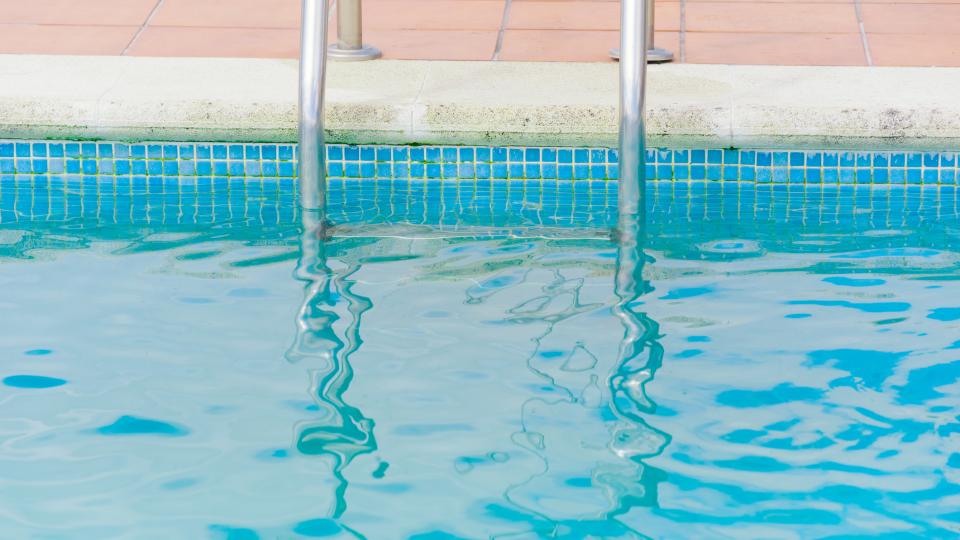
Are you looking at a cloudy pool despite having added chlorine? You aren't alone; many pool owners assume that if the sanitizer levels are correct, the water should be clear. In reality, when it comes to a cloudy pool, chlorine is only one part of the equation, and adding more will not fix a mechanical issue or a chemical imbalance. This guide explains how to identify the true cause of your hazy water and what steps you need to take to restore clarity safely.
A cloudy pool is rarely just a chlorine problem; it is almost always a filtration or water-balance issue that requires systematic diagnosis before you add another ounce of chemicals.
Chlorine can kill many germs and algae, but it cannot remove every particle already suspended in the water. A cloudy pool usually points to a problem with water balance, filtration, circulation, or an overload of debris and contaminants.
It is common to face a cloudy pool that tests positive for chlorine yet remains dull, milky, or hazy. Managing a cloudy pool often frustrates homeowners and property managers because they assume that maintaining proper levels of free chlorine is the universal fix for all water quality issues.
However, chlorine is only one piece of the puzzle. While it effectively sanitizes and oxidizes contaminants, a truly cloudy pool must also be supported by a functional filter, a consistent pump, and perfectly balanced chemistry to remove what remains and achieve crystal clear results.
Key Takeaways for a Cloudy Pool
- Cloudy water is often caused by mechanical issues like poor filtration or circulation rather than just a lack of chlorine.
- Simply adding more sanitizer can worsen chemical imbalances; testing pH, alkalinity, and calcium levels is essential before treating.
- Fine particles, dead algae, and minerals require physical removal through regular brushing, vacuuming, and proper filter maintenance.
- For safety, never allow swimming if the pool floor is not clearly visible from the deck, as poor visibility masks potential hazards.
The Most Common Reasons a Pool Stays Cloudy After Chlorine
Cloudiness is usually made up of tiny particles that scatter light through the water. Those particles may be dead algae, dirt, pollen, calcium, body oils, or residue from chemical reactions. A pool shock treatment may kill the source of the problem without clearing the water on its own.
A pool's color can offer clues, but it does not provide a final diagnosis. Green water can suggest algae, while blue-white or gray water may point to fine particles, minerals, or poor filtration. Milky water after a pool shock treatment often means the pool water is carrying more suspended material than the filter can capture.
The Water Chemistry Is Still Out of Balance
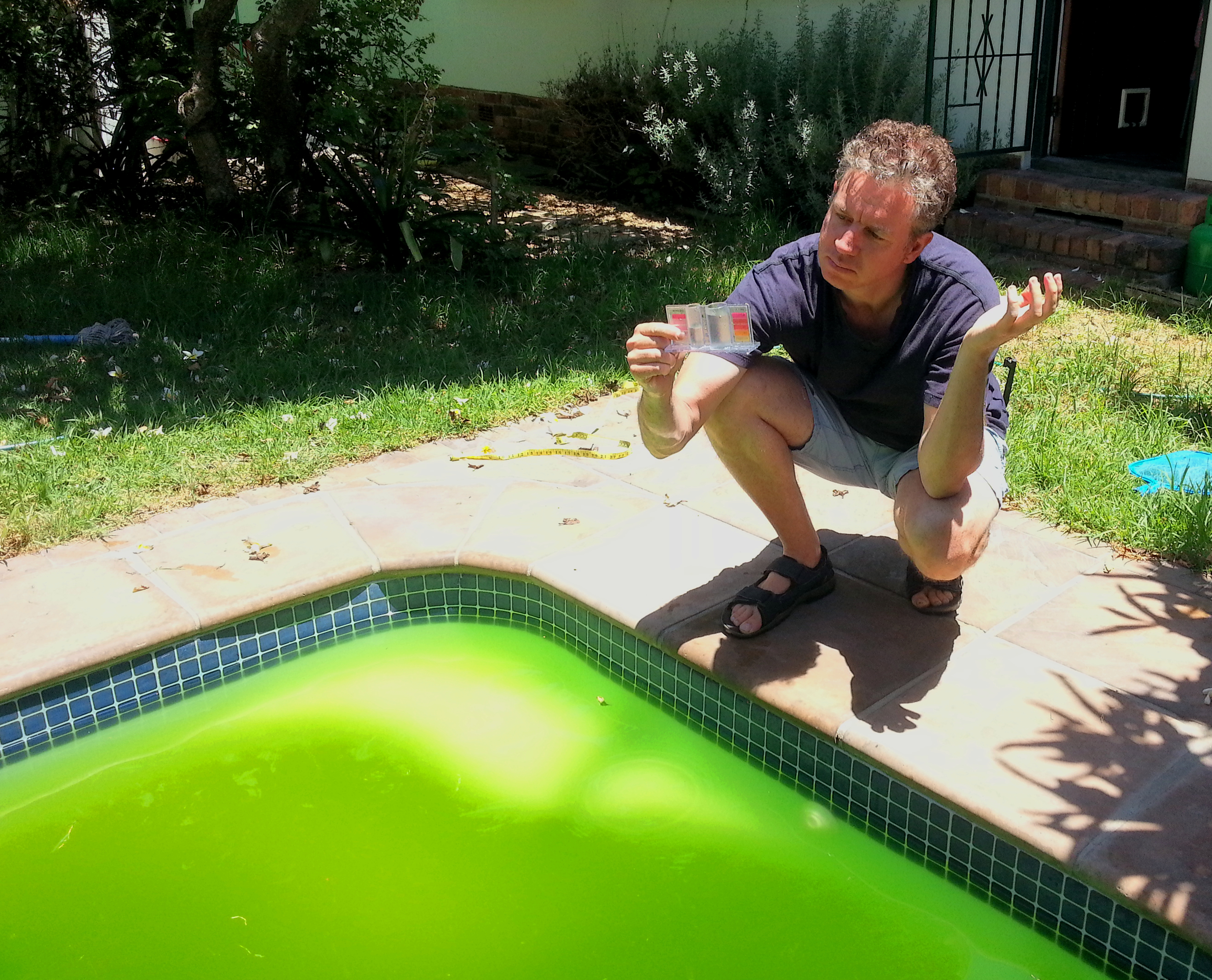
Pool chemistry works as a system. Free chlorine needs the right conditions to sanitize effectively, and a large dose of sanitizer can create more confusion when no one has tested the water first.
Many residential pools operate within a pH range of about 7.2 to 7.8. Free chlorine is commonly maintained around 1 to 3 parts per million, although pool type, sanitizer products, bather load, and local guidance can change those targets. Product labels should always control dosing decisions.
A high pH can make chlorine less effective. Total alkalinity levels should also be monitored to ensure they do not cause unstable pH readings, which makes routine corrections harder. Additionally, cyanuric acid acts as a stabilizer for chlorine, but too much can reduce its efficiency. Meanwhile, high calcium hardness can leave a pale haze or scale deposits on walls, tile, and equipment.
Combined chlorine is another concern. It forms when chlorine reacts with sweat, sunscreen, ammonia, and other organic contaminants. A strong chemical odor often means chlorine has already reacted and needs more effective water management, not necessarily another unmeasured pour of sanitizer.
This overview of cloudy water after shock also identifies calcium hardness as a common reason pool water remains hazy after treatment.
More chlorine cannot correct a blocked filter, high calcium level, or weak circulation.
The Filter or Pump Cannot Remove Suspended Particles
A working filtration system has to catch particles that are often too small to see. If it is clogged, dirty, bypassed, undersized, or paired with a weak pool pump flow, those particles remain in circulation.
Cartridge filters need cleaning according to the manufacturer's instructions. If you have a sand filter, it may need backwashing at the proper pressure increase, rather than on a fixed guesswork schedule. Excessive backwashing can also reduce performance by disrupting the filter media.
Pool operators should check skimmer baskets, pump baskets, water level, return jets, valve positions, and filter pressure. A low water line can pull air into the system. Weak flow at the returns may point to a blocked line, a dirty filter, a worn pump component, or a plumbing issue.
Circulation time matters as much as equipment condition. A pool that runs only a few hours during heavy pollen, heat, storms, or high swimmer use may never give its filter enough time to catch up. Automatic cleaners help collect settled debris, but they do not replace filtration, balanced water, or proper pump operation.
Debris, Algae, Swimmers, and Minerals Can Overload the Pool
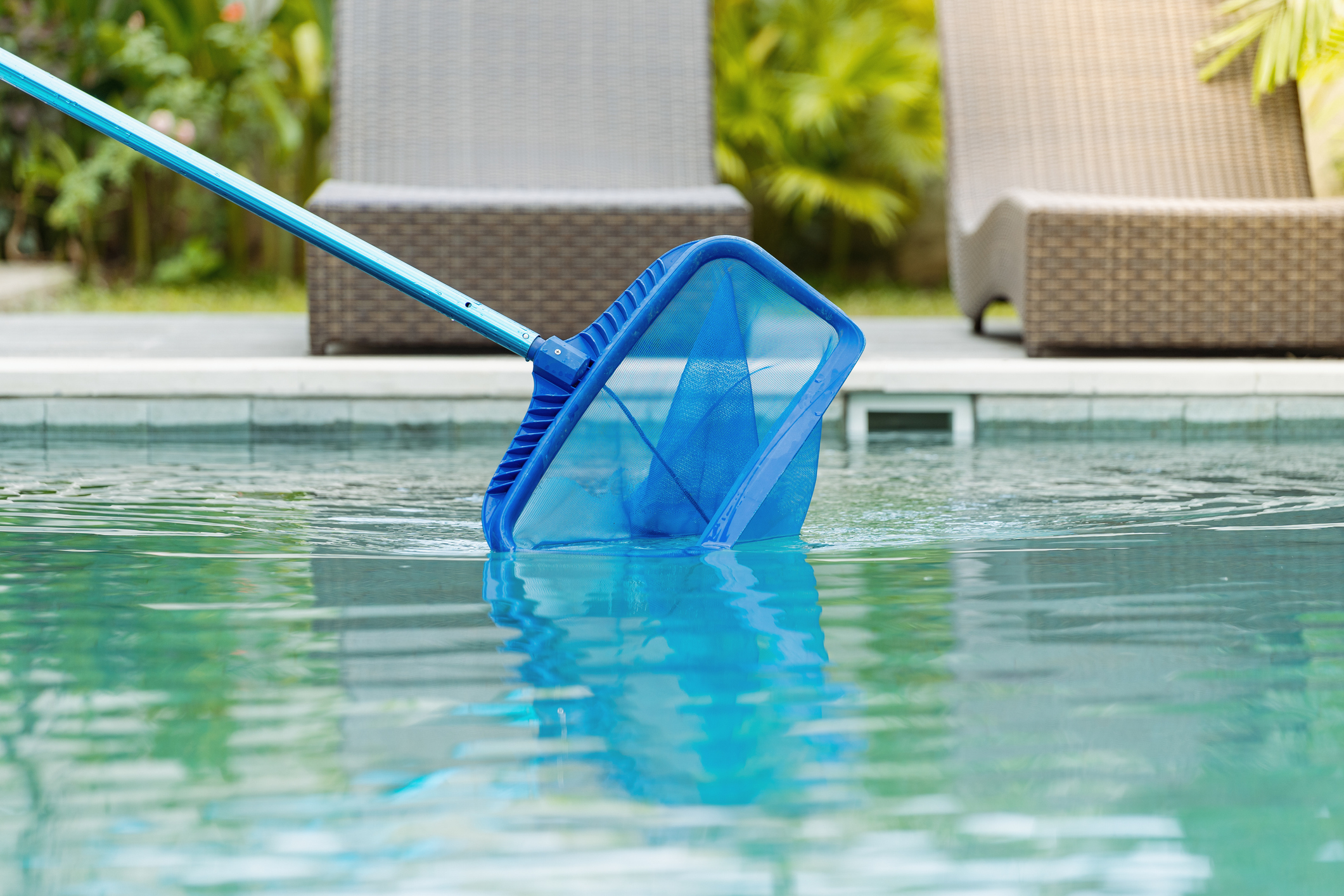
Leaves and visible dirt are easy to spot. Fine pollen, dust, sunscreen, body oils, cosmetics, and airborne spores are harder to see, yet they can create a persistent haze. Commercial pools may face the same problem after a busy weekend, even when the equipment is in good condition.
Early algae growth can also appear before the water turns green. Chlorine may kill the algae, but the dead material still needs to be brushed loose, filtered, vacuumed, or removed through waste settings where appropriate.
If your cloudy pool persists, you might consider using a pool clarifier to help the filtration system catch small, floating fine particles. However, if the water is extremely hazy or cloudy, a pool flocculant is often more effective, as it forces debris to the floor so you can vacuum to waste.
Phosphates do not make water cloudy by themselves, but they can provide food for algae. Metals such as iron and copper can stain surfaces or change water color. Hard water can create mineral scale that breaks loose into fine particles.
A guide to clearing cloudy water after shock makes the same central point: chemical treatment and particle removal are separate parts of the job.
How to Find the Cause Before Adding More Chemicals
A measured inspection prevents wasted chemicals and stops small problems from becoming expensive ones. Pool owners and facility managers should record test results, recent weather, swimmer load, chemical additions, filter pressure, and visible changes in the water.
Swimming should stop when the main drain cannot be clearly seen from the deck. Poor visibility can hide a distressed swimmer, broken fitting, sharp debris, or drain hazard.
Test Free Chlorine, Combined Chlorine, pH, and Alkalinity
To accurately assess your pool water, use these diagnostic steps:
- Use a high-quality liquid test kit rather than basic test strips, as kits typically provide more detailed data for troubleshooting cloudy water.
- Measure free chlorine to determine how much active sanitizer remains available to kill bacteria.
- Check combined chlorine levels, as a high reading indicates the sanitizer has bonded with contaminants and suggests the pool needs a properly calculated shock treatment.
- Monitor pH and alkalinity levels to ensure the water remains stable and that your chlorine can work efficiently.
- Test calcium hardness if the water appears milky or if you notice scale buildup on pool surfaces.
Always remember that pool chemicals should never be mixed together in a bucket, feeder, or skimmer. Chlorine must never be combined with acids or other products. Each chemical requires its own clean, dry measuring tool and should be stored in its original container.
Inspect the Filter, Circulation, and Pool Surfaces
The physical inspection should be as disciplined as the chemical test. Follow these steps to ensure your system is running correctly:
- Check the filter pressure gauge before and after cleaning to ensure proper water flow.
- Inspect the pool pump for unusual noises, air bubbles under the lid, or leaks that could indicate a suction-side issue.
- Confirm that every return jet has a steady, strong flow.
- Ensure skimmer and pump baskets are clean to prevent flow restrictions.
- Maintain the water level near the middle of the skimmer opening unless the equipment manufacturer specifies otherwise.
- Inspect the filter media for tears, damaged grids, channeling, or loss of material.
- Brush walls, steps, corners, and the floor regularly to disrupt algae growth and move particles toward the filter.
- Use a vacuum if debris buildup is too heavy for the system to handle on its own.
The same consumer principle applies across maintenance work: diagnose first, then define the repair. TrustDALE's conversations with Affinity Outdoor Living's Peter Mokan and Ben Hill Renovations' Robby Boyd on the "Trust Issues" podcast reinforce the value of clear scopes and informed decisions before major outdoor work begins.
The Safest Way to Clear a Cloudy Pool and Know When to Call a Professional
Recovery usually follows a practical order: remove debris, test the water, correct balance, clean the filter, brush surfaces, restore flow, and allow enough time for the system to capture suspended material. Once you have corrected the chemistry, it typically takes 24 to 72 hours for your filtration system to clear a cloudy pool, provided that your water circulation is running consistently. Each step depends on what the testing and inspection reveal.
Repeated chemical additions without a diagnosis can worsen the imbalance. Excess sanitizer, poor pH control, and unnecessary specialty products can create a larger cleanup job.
For persistent water-quality or equipment concerns, property owners can Find Vetted Home Service Providers and review available home-service categories before scheduling an inspection.
Why Visibility and Chemical Safety Matter More Than Clear-Looking Water
Clear pool water is not automatic proof that a pool is safe. Sanitizer levels, pH, circulation, and contamination still require regular testing. However, a cloudy pool creates an immediate visibility problem and should be treated as a safety concern.
No swimmer should enter a pool when the bottom cannot be seen clearly. This standard matters in a backyard pool and carries even greater weight at apartment complexes, hotels, fitness centers, and other commercial properties.
Pool chemicals need a dry, locked, well-ventilated storage area away from children, pets, heat, and moisture. Staff members at commercial pools should follow written procedures for testing, dosing, incident response, and recordkeeping.
When Cloudy Water Signals an Equipment or Water-Quality Problem
A professional inspection is appropriate when cloudiness returns after the pool has been cleaned, brushed, balanced, and filtered for an adequate period. The same is true when filter pressure rises unusually fast, the pump loses prime, returns have weak flow, or the heater and water circulation equipment show signs of failure.
Metals, recurring stains, unexplained foaming, and persistent algae can also require more than a basic chemical adjustment. Commercial pools that cannot maintain proper visibility or safe readings may need a documented equipment and water-quality assessment before reopening.
A written diagnosis should identify the likely cause, the condition of the filter and pump, recommended repairs, expected chemical adjustments, and any follow-up maintenance. That record helps distinguish a temporary contamination event from an equipment problem that will keep returning.
Frequently Asked Questions
Can I just add more chlorine to fix a cloudy pool?
No, adding more chlorine is rarely the solution if the cloudiness is caused by debris, poor filtration, or mineral imbalances. Excess chlorine can actually lead to other water chemistry problems and does not remove physical particles suspended in the water.
How long should I run my pump to clear up cloudy water?
You should run your pool pump continuously until the water clears, which typically takes 24 to 72 hours once the chemistry is balanced. Constant circulation ensures the filter has enough time to capture the fine particles creating the haze.
When is a pool too cloudy to swim in?
Swimming should be prohibited immediately if you cannot clearly see the main drain at the bottom of the pool. Poor visibility is a significant safety hazard that prevents you from spotting a distressed swimmer or dangerous debris.
What should I do if my pool remains cloudy after balancing the chemistry?
If the water remains hazy after proper balancing, cleaning the filter, and brushing the surfaces, you may have an equipment issue or a need for a clarifier or flocculant. If the problem persists despite these efforts, contact a professional to inspect your pump, filter media, and plumbing for mechanical failures.
Clear Water Depends on More Than Chlorine
While adding liquid chlorine is an effective way to sanitize your swimming area, a cloudy pool often remains hazy until filtration, circulation, and physical cleaning perform their specific roles. Achieving crystal clear pool water requires a holistic approach, as relying solely on sanitizers is rarely enough. The most reliable solution begins with a thorough inspection of your filtration system and a careful evaluation of your current water chemistry rather than adding another unmeasured dose of chemicals.
Poor visibility should always influence swimming decisions. When the cause of the haze remains unclear, or when cloudiness keeps returning, a professional diagnosis helps protect both your pool equipment and the people using the water.
Routine testing and consistent filter care are the best ways to prevent a minor issue from becoming a larger safety or repair problem. By maintaining a balance between mechanical maintenance and proper chemistry, you can ensure your pool stays inviting and clean all season long. To find TrustDALE Certified pool experts, go to TrustDale.com and get the backing of our $10,000 Make It Right Guarantee!