

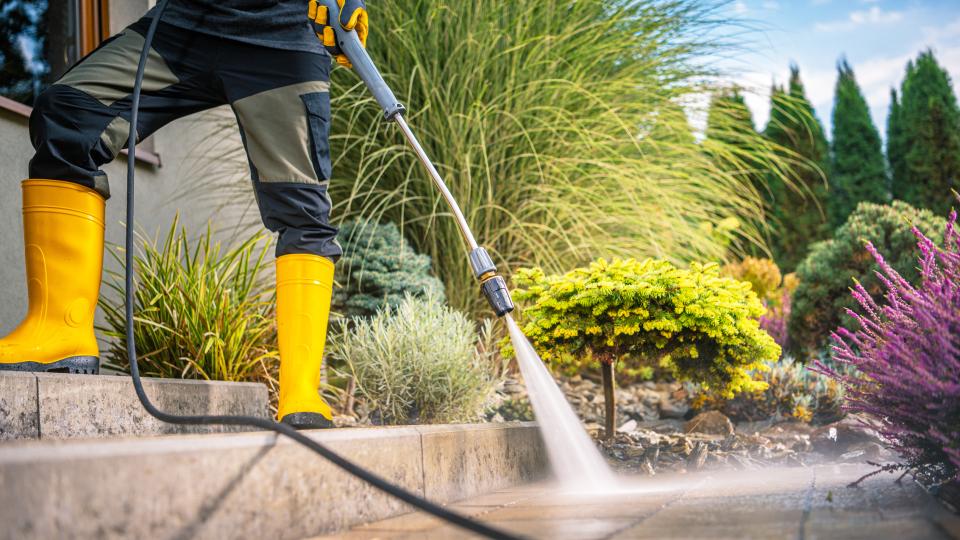
Pressure washing can remove years of grime in minutes, but it can also carve, crack, or etch a surface when the method or amount of pressure is wrong. Better cleaning power comes from control, not simply more force.
Pressure washing can clean exterior surfaces effectively. But a pressure washer can cause damage when the operator ignores surface condition, spray distance, or water pressure. The wrong approach can leave permanent marks on concrete, force water behind siding, and shred weathered wood.
Surface age and condition matter as much as the machine. A hairline crack, loose paint edge, soft board, or failed caulk joint can turn an ordinary cleaning job into an expensive repair.
Key Takeaways
- Pressure washing can damage concrete, siding, and wood when excessive force, poor spray angles, or unsuitable cleaning products are used.
- Surface condition matters: cracks, loose coatings, failed caulk, rot, and weathered materials are more likely to sustain damage.
- Use the least aggressive method that removes the soil, starting with a test patch, broad spray pattern, low pressure, and steady wand movement.
- Keep spray directed away from siding seams, windows, vents, electrical fixtures, and other areas where water can enter or cause damage.
- Professional help is often the safer choice for multi-story siding, historic materials, extensive wood rot, lead-based paint concerns, or difficult stains.
Can Pressure Washing Damage Concrete, Siding, or Wood?
Yes. Pressure washing can damage concrete, siding, and wood when the operator uses too much force or directs water into weak areas. The equipment doesn't damage a surface automatically. Poor judgment does.
The key comparison is psi versus gpm, or pounds per square inch versus gallons per minute. PSI affects the force striking the surface, while GPM affects the flow rate that moves dirt and rinses away cleaner. Both influence the final result.
Water pressure and pressure settings should match the material and soil. A higher number is not always better cleaning power. Power washing becomes risky when force matters more than surface condition.
An electric pressure washer may suit light residential work. A gas pressure washer can provide more flow for larger jobs, but a heavy-duty machine is not automatically appropriate. Cold water handles many routine cleanings. Hot water can help with grease, but it cannot make an unsafe technique acceptable.
The safest approach starts with the least aggressive method that removes the soil. A qualified cleaner should inspect the surface, note existing defects, and select a compatible cleaning solution. If the machine has a detergent tank, follow the product label and rinse thoroughly.
When High Pressure Harms Concrete
Concrete looks indestructible until a tight spray pattern cuts into its top layer. High pressure can etch the finish, expose aggregate, chip edges, and leave visible stripes where the wand paused too long. Older slabs, patched areas, and concrete with existing cracks face greater risk.
A surface cleaner may produce more uniform results on suitable, flat concrete surfaces. Even then, the operator should test a small area first. Wider nozzle tips can reduce the risk of cutting the surface, but distance and movement still matter.
Water can also enter joints and porous sections. Freeze damage, loose material, and small cracks may worsen after a hard cleaning. Hot water can help loosen oil or grease, but stain treatment still requires a compatible product. Temperature cannot compensate for excessive force.
Damage may appear as rough patches, pale lines, loose grit, exposed stones, or uneven color. These marks often remain after the slab dries.
Why Siding Needs a Gentler Cleaning Method
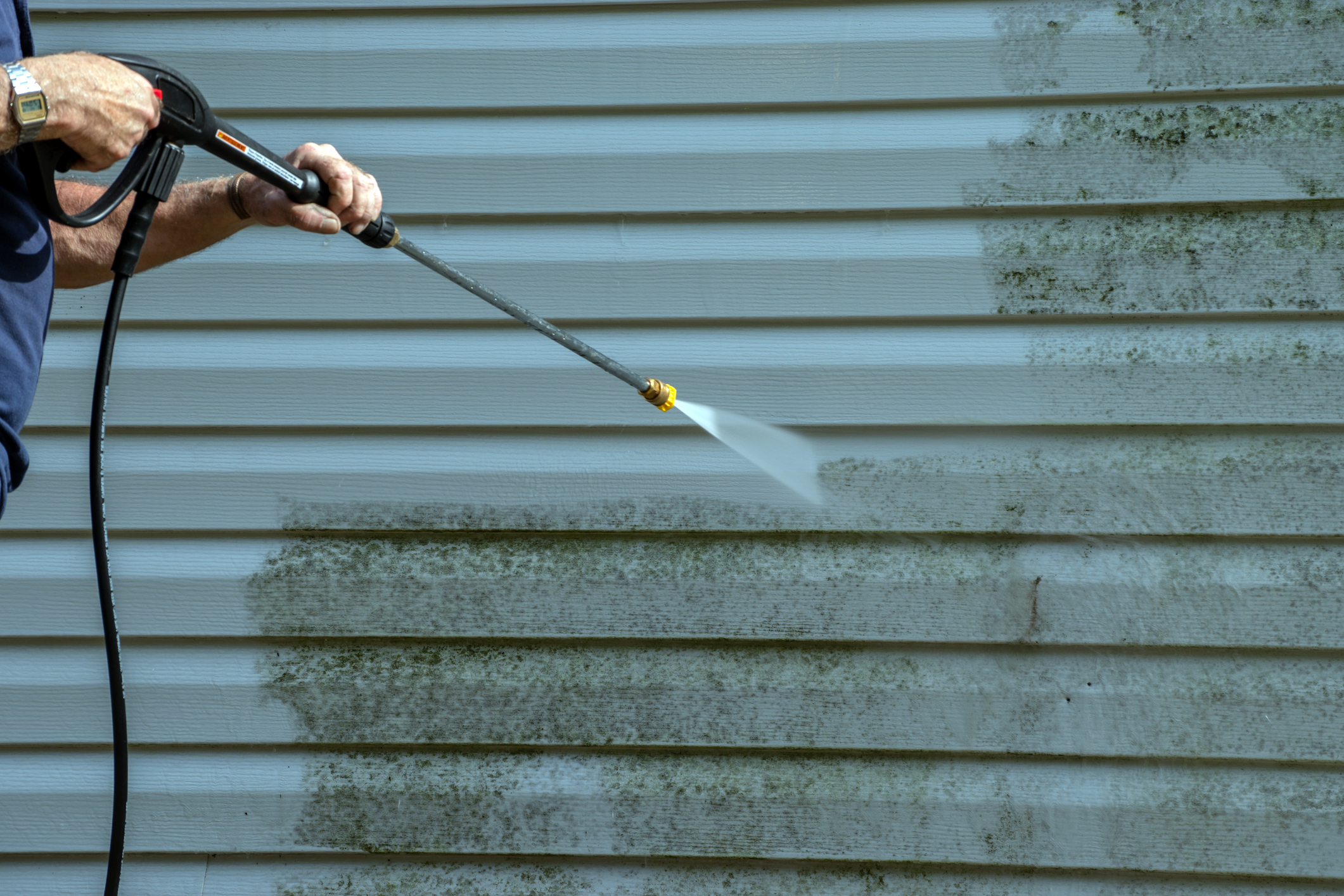
Vinyl siding can flex, but forceful spraying may crack panels, bend seams, or loosen siding at its fasteners. Water directed upward can pass behind the siding, wet the wall assembly, and reach insulation or wood sheathing. Damaged caulk around windows and trim makes that risk worse.
Painted wood, fiber-cement, and older vinyl each call for different methods. Consumer Reports' guidance on pressure-washer-safe surfaces notes that vinyl and fiber-cement can generally tolerate washing, but material type alone does not guarantee that every installation is safe.
For vinyl siding, keep the spray wand at a downward angle and maintain a safe distance. This helps prevent water from entering behind panels. Keep clear of vents and window openings, and protect door seals. A clean exterior is not worth water inside a wall.
How Force Can Ruin Wood Decks
Wood absorbs punishment faster than concrete. A concentrated stream can raise the grain, gouge a deck board, cause splinters, strip paint or stain, and leave blotchy sections that show through a new finish.
Softwoods, sun-baked boards, rot-damaged framing, and old fences require special caution. If a board already feels soft underfoot or sheds fibers, water pressure can break down its surface further.
Cleaning wood decks usually calls for lower pressure, a broad spray pattern, steady movement, and more distance between the nozzle and the surface. Hot water is rarely necessary for routine wood cleaning and may worsen damage when used improperly.
The wood also needs time to dry before sanding, staining, sealing, or replacing fasteners.
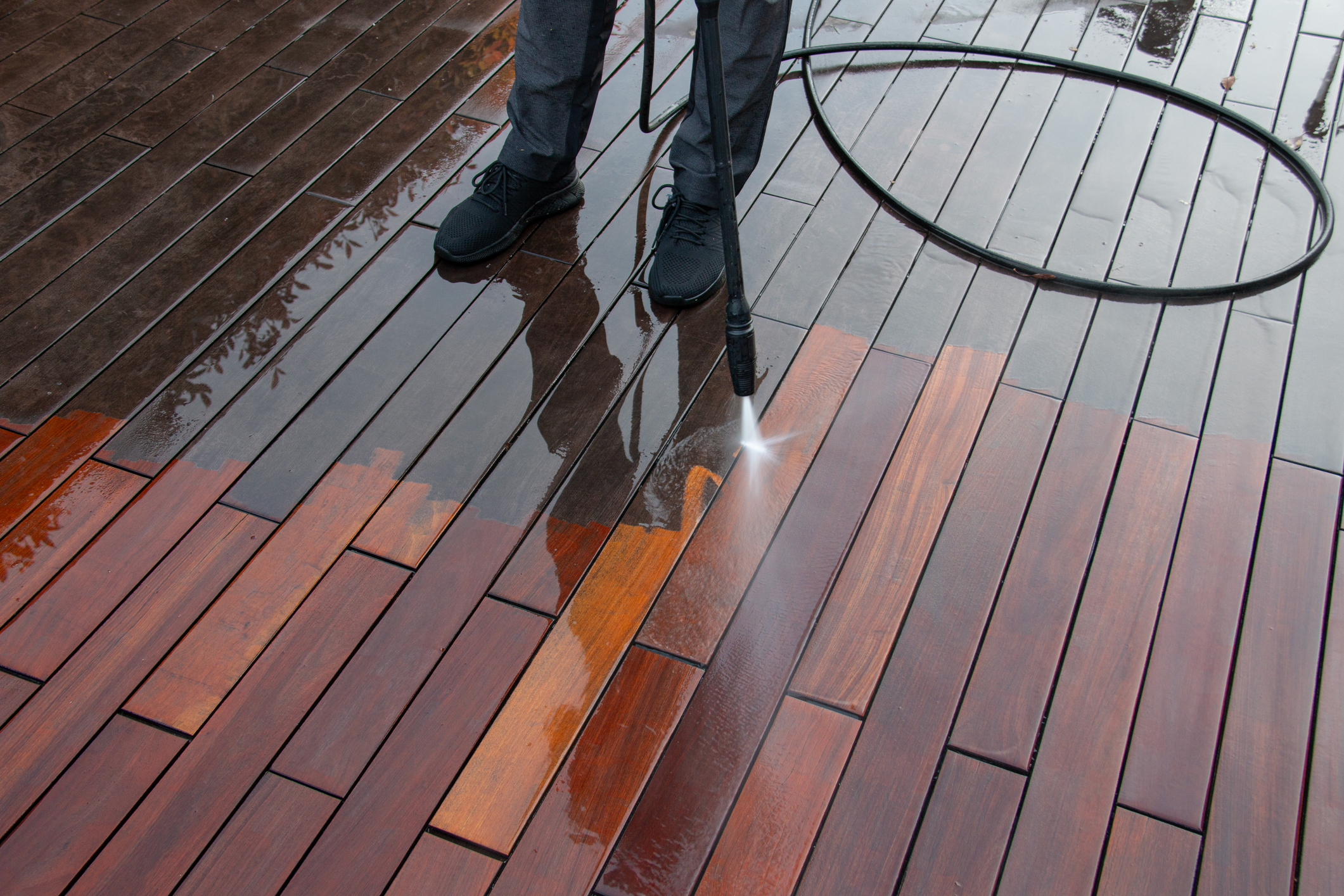
> A deck can look clean while its fibers have been cut loose. Raised grain and splintering often become clear only after the boards dry.
The Pressure Washing Mistakes That Cause Most Surface Damage
Many damaged surfaces share the same cause: the operator treats a pressure washer like a one-setting tool. A zero-degree tip, sometimes listed as a deg nozzle, concentrates water into a narrow, cutting stream. Turbo nozzles clean hard surfaces quickly, but broader nozzle tips are safer for many jobs.
Holding the spray wand too close or moving it too slowly leaves lines and divots. Excessive high pressure and incorrect pressure settings make those marks worse. A surface cleaner can improve coverage, but its flow rate still affects rinsing and cleaning power. Cold water works for most soil, while hot water may help with grease without replacing proper control. A test patch should sit in a hidden spot, not the most visible area of the driveway or deck.
Chemical mistakes cause their own trouble. An unsuitable cleaning solution or other cleaning products can discolor paint, corrode metal, harm landscaping, or leave residue. Follow label directions, maintain the stated dwell time, and rinse thoroughly. Wear safety goggles when handling chemicals, and protect nearby plants, windows, fixtures, painted surfaces, and outdoor furniture before cleaning starts.
Outdoor outlets, light fixtures, roof edges, door thresholds, and window seals also need special attention. A rental pressure washer can deliver more force than expected, and water under pressure can reach places a garden hose cannot. Practical safety tips include keeping the spray away from electrical components and checking the area before starting.
Surface Conditions That Make Damage More Likely
A clean-looking exterior can hide weak material. Cracks, loose coatings, old repairs, mildew, rot, freeze damage, and poor installation all reduce a surface's ability to withstand washing.
Homeowners should photograph the work area before cleaning begins and record visible defects. Those photos help distinguish preexisting damage from damage caused during the job. They also make an honest conversation easier if a contractor finds a problem after starting.
Force Washing Versus Soft Washing
Traditional pressure washing relies mainly on force to remove soil. Power washing is often used as a synonym, but the key issue remains how much force reaches the surface. Soft washing relies more on controlled water flow and properly diluted cleaning solutions. It often suits delicate siding, painted trim, and surfaces with organic growth.
Soft washing still requires care. Cleaning agents can injure plants, discolor metals, damage finishes, and irritate skin or eyes. A safe method matches the chemistry, water pressure, and rinse process to the surface.
How to Clean Concrete, Siding, and Wood Without Causing Damage
A careful pressure washing process reduces risk before the trigger is pulled. Start with these basic safety tips, including safety goggles and footwear with good traction.
- Inspect the surface for cracks, loose paint, rot, failed caulk, damaged joints, and open gaps. This surface preparation also helps document existing damage before cleaning.
- Move outdoor furniture away from the work area. Cover or wet nearby plants, outlets, fixtures, and sensitive trim.
- Select broad fan nozzle tips and begin with low pressure settings in a concealed area. Use the spray wand at a steady pace and consistent distance. For suitable flat concrete surfaces, a surface cleaner can provide more even results. Start with low water pressure and increase it only when necessary. Cold water may handle loose dirt, while hot water can help remove grease, but neither replaces careful technique.
- Keep the wand moving steadily, and avoid holding it over one spot. Adjust your distance before increasing force.
- Apply only a material-safe cleaning solution, then rinse fully before it dries. Confirm whether the machine uses a detergent tank or requires separate application.
- Check each area after it dries, especially before applying paint, stain, sealer, or repair materials.
A brush, garden hose, or hand cleaning often makes more sense for fragile trim, loose paint, and aging wood. Soft washing can remove mildew without concentrating destructive force on the surface.
Questions to Ask Before Hiring a Pressure Washing Company
Ask whether the company has cleaned the same material and whether it inspects the property before recommending a method. The answers should go beyond a general promise to “make it look new.”
- Ask for a written estimate that separates cleaning from proposed repairs.
- Request the planned method, cleaning products, and precautions for plants, windows, outdoor furniture, and electrical fixtures.
- Ask whether the crew uses cold water or hot water for the soil and material involved.
- Confirm insurance coverage and ask who pays for accidental surface damage.
- Ask how the crew will document preexisting cracks, stains, rot, and loose coatings.
- Ask whether a surface cleaner is appropriate for concrete and how the crew will protect vinyl siding and wood decks.
- Treat an unusually low bid with caution, especially if the contractor cannot explain the process.
Homeowners can Find Vetted Home Service Providers through TrustDALE, where qualifying recommended companies are backed by the $10,000 Make It Right Guarantee. Written scope, clear pricing, and accountability matter more than a confident sales pitch.
When DIY Pressure Washing Is a Bad Idea
Multi-story siding, historic materials, extensive wood rot, lead-based paint concerns, and difficult stains call for professional judgment. The same applies when water could enter a home near roof edges, windows, vents, or electrical equipment.
An electric pressure washer may suit light residential tasks, while a gas pressure washer offers more force. Cold water and hot water each have appropriate uses, but temperature doesn't eliminate the need for care.
A heavy duty rental machine may provide more force than an owner expects. Power washing equipment doesn't provide the experience needed to spot weak siding, failing caulk, or a deck board ready to split.
The Cost of Repairing Pressure Washing Damage Can Outweigh the Cleaning
A low rental cost for a heavy duty pressure washer or bargain bid can become expensive when cleaning damages siding panels, strips paint, scars concrete, or ruins stained wood decks. Repairs may involve resurfacing concrete, replacing wood, repainting trim, repairing caulk, or addressing water intrusion. Even hot water won't prevent costs when the underlying method causes damage.
Water behind siding can create a larger issue than visible surface damage. Wet building materials may require inspection, drying, and mold cleanup before repairs can begin. Written estimates should state what the company will clean, what it will move or protect, including outdoor furniture, and whether its guarantee covers accidental damage.
The cheapest approach rarely remains cheap if it leaves a homeowner with a damaged surface and no clear responsibility for repairs.
Frequently Asked Questions
Can pressure washing damage concrete?
Yes. Excessive pressure or a concentrated spray can etch concrete, expose aggregate, chip edges, and leave permanent stripes or rough patches. Test a small area first and use a suitable nozzle and surface cleaner when appropriate.
Is pressure washing safe for vinyl siding?
Vinyl siding can usually be cleaned safely with controlled, lower-pressure washing. Keep the wand at a downward angle and avoid spraying upward into seams, vents, windows, and damaged caulk joints.
What is the safest way to pressure wash a wood deck?
Use lower pressure, a broad spray pattern, consistent movement, and more distance between the nozzle and the boards. Weathered, soft, or rot-damaged wood may be better suited to gentle washing or hand cleaning.
Is soft washing better than pressure washing?
Soft washing uses controlled water flow and compatible cleaning solutions instead of relying mainly on force. It can be a better option for delicate siding, painted trim, and surfaces with organic growth, but the chemicals still require careful handling and thorough rinsing.
Should I hire a professional pressure washing company?
Professional help makes sense for multi-story siding, historic materials, extensive wood rot, lead-based paint concerns, difficult stains, or areas near electrical equipment and openings. Before hiring, ask about the planned method, insurance, protection measures, written scope, and coverage for accidental damage.
Final Thoughts
Pressure washing is generally safe when the method suits the material and its condition. Excessive force, poor angles, unsuitable chemicals, and rushed work can permanently damage concrete, siding, or wood.
The best protection is careful inspection before cleaning begins, followed by clear pricing and accountable workmanship. A skilled operator matters more than choosing the strongest pressure washer. You can take the guesswork out of finding that skilled operator by going to Trustdale.com, where TrustDALE Certified Pressure Washers have already been vetted and passed TrustDALE's seven point inspection process. Booking through TrustDALE means their work is backed by our $10,000 Make It Right Guarantee.