
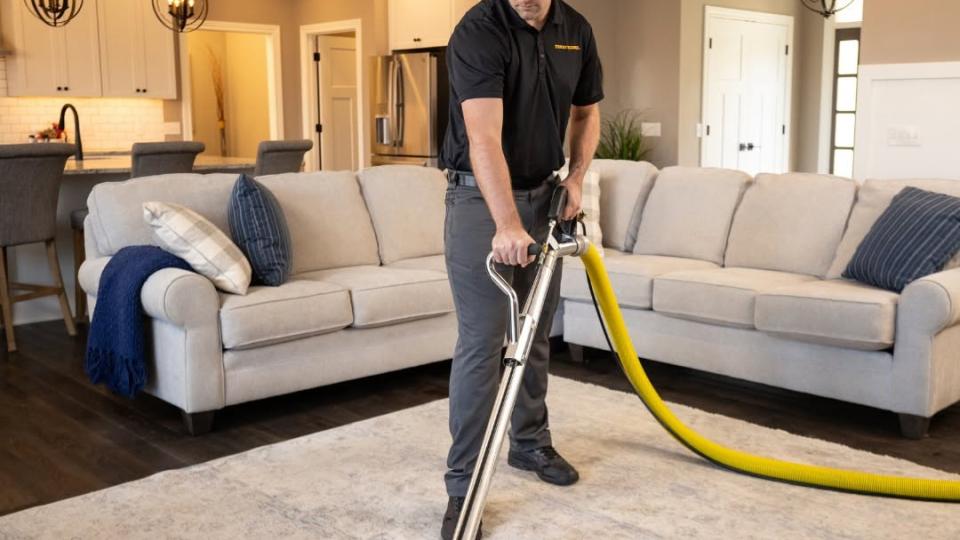
I hate cleaning! Who doesn't? But you know what I love? A really CLEAN home. And that takes daily maintenance that is ultimately worth the time spent. Still, there's a difference between the surface clean I get by wiping down countertops and running a vacuum around the house, and a really DEEP clean.
The truth is, your carpet and upholstery can look clean while dirt, oils, pet dander, and residue remain ethe fibers. A vacuum, mop, and fresh scent help with routine upkeep, but they just don't do the same things as a true deep cleaning.
When you hire a cleaner, the real question is simple: What are you paying for, and will the company deliver it? Use these checks to separate a thorough service from a sales pitch. Dale Cardwell and I sat down with GC Quatela of TrustDALE Certified Stanley Steemer for a new episode of our Trust Issues podcast to get all the dirt on gimmicks and surprise upcharges that some cleaning companies use, and what a true deep clean really involves.
Key Takeaways
- Deep cleaning removes embedded dirt, oils, allergens, odors, and residue that routine vacuuming and surface cleaning may miss.
- Ask for a clear explanation of the cleaning process, products, equipment, limitations, and realistic drying times before hiring a provider.
- Get the rooms, treatments, possible add-on charges, stain and odor limitations, and guarantees in writing before work begins.
- Choose trained, background-checked, insured technicians, and do not approve extra charges without reviewing them first.
- Rental machines may cost less upfront, but professional equipment and experience can improve moisture recovery and the finished result.
A Clean Appearance Is Not a Deep Clean
Deep cleaning reaches below the visible surface of carpets, area rugs, furniture, tile, and grout. According to cleaning expert GC Quatela of TrustDALE Certified Stanley Steemer, "True deep cleaning removes contaminants that ordinary vacuum can't reach."
Those contaminants can include:
- Embedded dirt and oils
- Pet dander and dust mites
- Allergens and bacteria
- Stains, odors, and residue left behind by prior products
Surface cleaning removes what you can see; deep cleaning targets what is below the surface. Carpet fibers can hold dust and grime below their tips. Upholstery padding and grout lines can trap buildup that routine cleaning misses.
A broader whole-home visit may work from top to bottom. It could include light fixtures, baseboards, floors, and other surfaces above and below the carpet. Some packages may also cover kitchen appliances, a dishwasher seal, or a washing machine, but confirm what’s included. Window cleaning and scrubbing grout may require separate pricing or scope.
The EPA does not set one universal carpet-cleaning interval. Instead, its carpet-care guidance recommends following the carpet manufacturer's instructions and accepted industry practices.

Pets Can Change Your Cleaning Schedule
If you spend six hours a week vacuuming, dusting, wiping counters, and mopping, that adds up to about two full weeks of household cleaning over a year. These tasks still provide important regular maintenance, but they mostly address surface soil.
Pets add another layer. They come inside with dirt and outdoor odors, then settle onto rugs, sofas, and beds. A review of carpet and indoor exposure explains that carpets can affect exposure to microbes and chemicals in indoor environments, which is one reason maintenance matters.
Quatela's general guidance is professional cleaning about once a year for many homes. If you have several children, active pets, or heavy foot traffic, deep cleaning every six months may make more sense. Professional cleaners may also offer a seasonal spring clean that follows a top to bottom plan, from high surfaces to floors. Regular care may help flooring and upholstery last longer.

Don't Buy Labels, Buy a Clear Process
A dramatic claim is not proof of a better cleaning method. Some companies promote "energized" or "magic-infused" water as a replacement for soap, sometimes claiming it can clean powerfully while remaining safe enough to drink.
Tests using wine, coffee, and juice did not support the idea that water alone was magic. The consumer lesson is straightforward: ask what the process removes and how it works.
A legitimate cleaning service should explain its method, cleaning products, and limitations before you agree to the work. A deep cleaning claim should identify what is being removed and how. An enzyme pre-treatment or baking soda may help with odors, but neither automatically replaces extraction or an appropriate professional treatment. Likewise, terms such as dry cleaning, low moisture, encapsulation, steam cleaning, and detergent-free cleaning need an explanation. They may describe something different from standard cleaning, but terminology alone doesn't establish quality.
Some low-price whole-home offers create another problem. A company may quote a bargain rate to get inside, then add charges for spot treatment, moving furniture, or areas you assumed were included.
The advertised price may not be the final price. A written scope of work is more useful than a vague special offer.
Get the Price and Protections in Writing
Before the cleaning service begins, request a written estimate that identifies the rooms or items being cleaned, included treatments, possible add-on charges, and limits on stain or odor removal. A reputable provider should explain whether a stain may be permanent or an odor requires a different service.
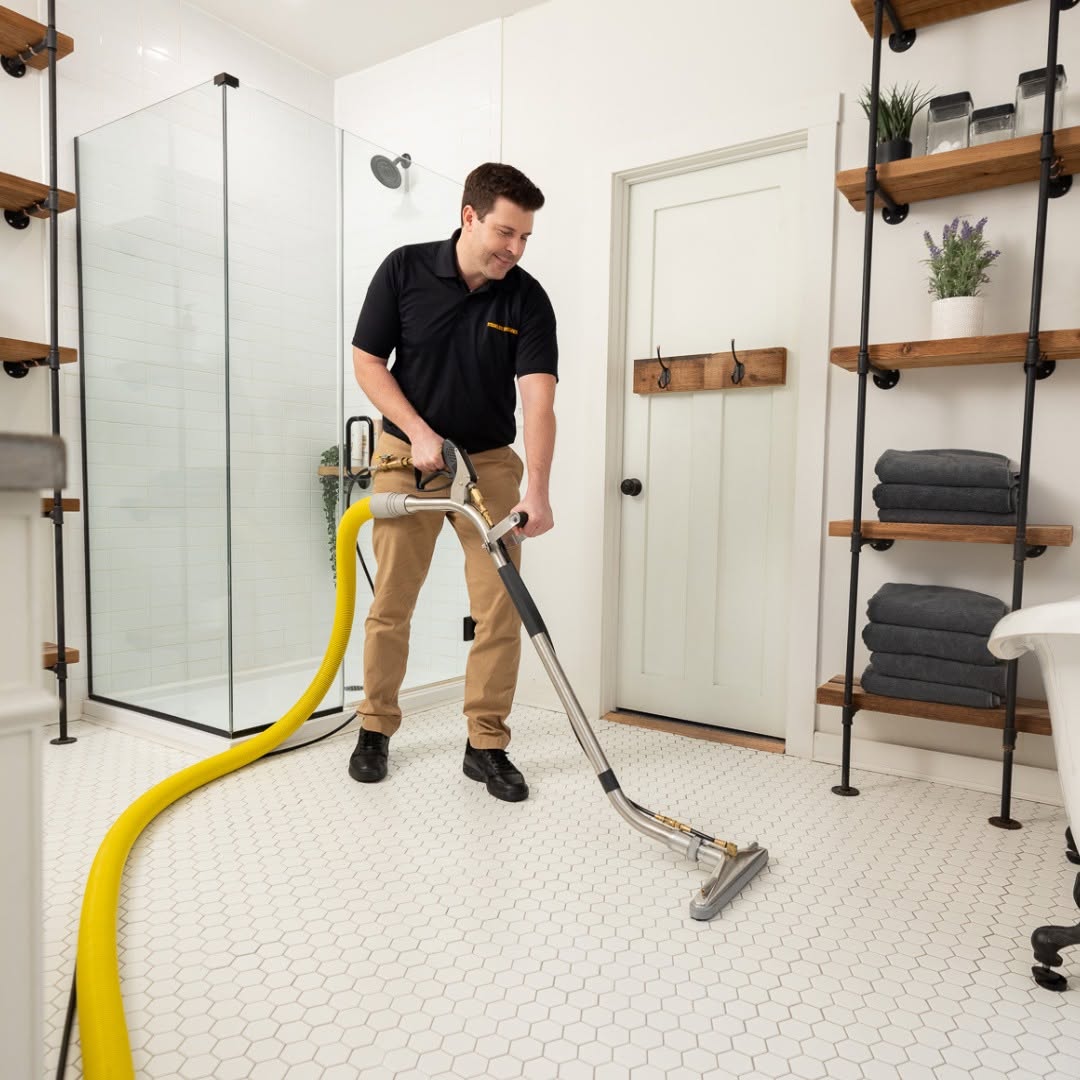
The scope can change by appointment type. For a move out clean, ask whether the price includes all rooms, furniture moving, and spot treatment. A recurring cleaning may include different tasks and pricing than a one-time appointment. Look for transparent pricing that lists included work and possible add-ons.
Ask these questions before scheduling:
- Are technicians trained for the surfaces in your home?
- Has the company background checked and insured them?
- What process and solutions will they use?
- Are pre-treatment, spot treatment, and furniture moving included?
- Does the company guarantee its work and return if the result falls short?
Screening matters because technicians enter private homes and work around personal property. Training, background checks, and insurance are important safeguards when choosing trusted professionals, but they don't guarantee every provider will meet your expectations. Dale Cardwell has investigated cheap offers used to gain access to homes for theft. You should know who is coming into your home before they arrive.
| Do | Don't |
|---|---|
| Confirm what the quoted price includes. | Pick a company on price alone. |
| Request realistic expectations for stains and odors. | Assume every stain can be removed. |
| Hire trained, screened, insured technicians. | Accept vague answers about methods or fees. |
| Ask whether the company will address a legitimate service problem. | Let a technician begin without your approval of added charges. |
These standards apply to home service companies working in your residence and commercial service companies cleaning a business property.
Know What the Equipment Can Do
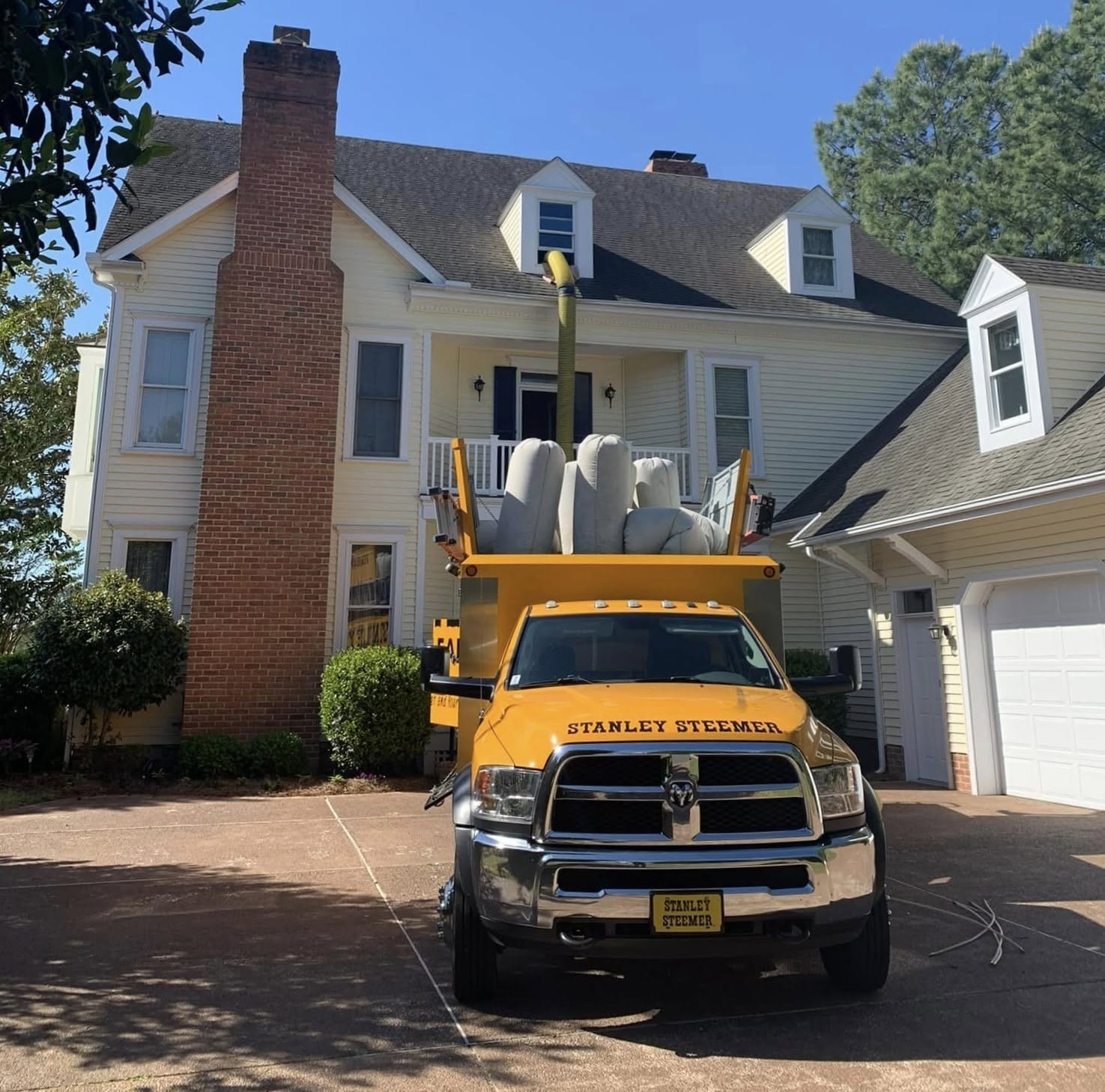
Equipment is one part of a quality result, not a universal guarantee. Quatela describes a truck-mounted process where the main system remains in the vehicle; technicians bring hoses, appropriate tools, and selected solutions indoors, while vacuum recovery and technique also contribute to deep cleaning.
Drying time depends on carpet material, soil level, humidity, and how much work the job requires. Quatela estimates that carpet often needs six to 12 hours to dry, while upholstery may be usable in about one to two hours because technicians avoid soaking the padding.
Be cautious with one-hour drying promises used as a selling point. Effective work should balance moisture control with the effort needed to remove soil. Routine vacuuming still has an important role. The Carpet and Rug Institute says vacuuming can remove most dry soil by weight, but it doesn't replace periodic professional care.
If indoor air is a concern, the CPSC's indoor air quality guide also recommends increasing fresh air to reduce exposure to many indoor chemicals.
Rental Machines Cost Less, but Results May Differ
Rental equipment may save money upfront. However, weigh that lower price against equipment strength, cleaning solutions, learning time, and your ability to recover enough moisture from the carpet.
According to Quatela, professional equipment is stronger, and professional cleaners bring experience that affects moisture recovery and the finished result. You may spend a weekend moving furniture and learning unfamiliar equipment. You may attempt a deep clean, then still hire a cleaning service.
The hidden costs can include time, effort, frustration, and paying for a second appointment after an unsatisfactory result.
Know When Cleaning Is the Wrong Service
A sewage backup is not an ordinary deep cleaning problem. If sewage has saturated carpet or flooring, seek a water restoration or remediation company instead of a routine cleaning service. Quatela says that situation requires restoration services, not a standard floor-cleaning appointment.
Older tile may not need replacement simply because it looks dingy again after a few weeks. Ask whether the company has experience with vintage tile and grout. A fast return of grime may point to an ineffective process rather than a failed floor.
When you're ready to compare providers, use Find Vetted Home Service Providers to begin with trusted professionals. Still verify the written estimate, cleaning methods, and guarantees before you hire anyone. Insist on clear answers and realistic promises.
Frequently Asked Questions
How often should a home receive a deep cleaning?
Many homes may benefit from professional cleaning about once a year. Homes with several children, active pets, or heavy foot traffic may need deep cleaning every six months.
What should be included in a deep cleaning service?
The service should identify the rooms or items being cleaned, the treatments used, and any limitations on stain or odor removal. Confirm whether pre-treatment, spot treatment, furniture moving, appliances, windows, and grout cleaning are included or priced separately.
To prepare your home, clear away clutter, secure any pets in a safe area, and remove fragile items from surfaces that will be cleaned. You should also make sure the technicians have clear pathways to the rooms or items requiring service. Discussing any specific stains or problem areas beforehand helps the provider tailor their approach effectively.
To prepare your home, clear away clutter, secure any pets in a safe area, and remove fragile items from surfaces that will be cleaned. You should also make sure the technicians have clear pathways to the rooms or items requiring service. Discussing any specific stains or problem areas beforehand helps the provider tailor their approach effectively.
Are professional cleaning methods such as steam cleaning or low-moisture cleaning always better?
No method name guarantees quality. Ask the company how the process works, what it removes, which products it uses, and how it controls moisture before choosing a service. The expertise of application is just as important as the product used.
How long does carpet take to dry after professional cleaning?
Drying time depends on the carpet material, soil level, humidity, and amount of cleaning required. Carpet often takes about six to 12 hours to dry, while upholstery may be usable in one to two hours.
When should I hire a restoration company instead of a cleaning service?
A sewage backup or other situation involving significant contamination is not an ordinary deep cleaning job. If sewage has saturated carpet or flooring, contact a water restoration or remediation company.
Choose Cleaning That Holds Up
A fresh scent and brighter carpet can be satisfying, but appearance alone doesn't tell you what a service removed. Deep cleaning should involve a clear process, qualified people, appropriate equipment, and an honest price.
Protect your home by asking direct questions before the appointment. A reputable cleaning service should explain its method, provide the scope and price in writing, and get your approval for any added charges before work begins. Or skip all the guesswork and use the gold standard in deep cleaning- TrustDALE Certified Stanley Steemer. There's a reason they've been around since 1947! And they're backed by TrustDALE's free to you $10,000 Make It Right Guarantee. More proof? Dale uses them at his house!