
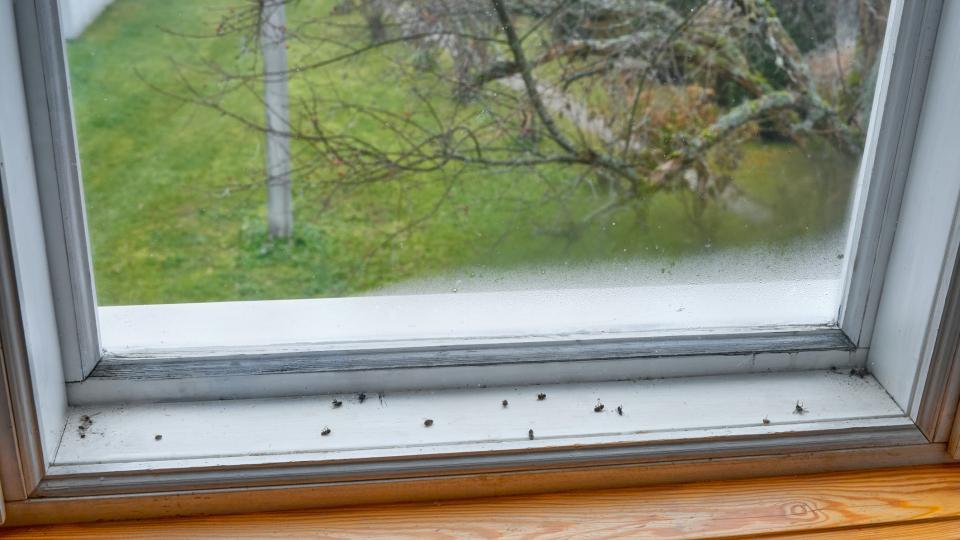
Finding tiny insects on your windowsill can be frustrating, especially when you want your home to feel clean and inviting. If you are searching for answers, you are likely wondering what these invaders are, why they chose your window, and, most importantly, how to apply effective pest control to get rid of them for good.
The good news is that most of these small pests are more of a nuisance than a danger. Whether you are dealing with bugs attracted to light, moisture-loving insects, or hitchhikers from your houseplants, successful pest management starts with identifying the visitor to determine the right pest control treatment for your home.
Key Takeaways
- Identify the Source First: Tiny window bugs are often driven by light, moisture, or nearby vegetation, so identifying the insect is essential to choosing the right treatment rather than relying on surface sprays.
- Manage Moisture and Plants: Many common pests like fungus gnats and springtails thrive in damp conditions or overwatered potting soil; controlling humidity and drainage is more effective than killing visible insects.
- Seal Entry Points: Inspect screens, window tracks, and weatherstripping for small gaps; repairing these physical barriers prevents new pests from migrating indoors from the exterior.
- Prioritize Mechanical Cleanup: Vacuuming bugs and cleaning sills with soap and water is a safe, effective way to remove pests without exposing your home to unnecessary chemicals.
- Know When to Call a Pro: If infestations persist after addressing moisture and sealing gaps, it may indicate a deeper issue like wall-void nesting or hidden leaks that require professional intervention.
What Are Those Tiny Bugs Around Your Windows?
Several kinds of insects and mites can show up near windows. A black speck that flies behaves differently than a reddish dot that crawls, so avoid assuming every tiny visitor is the same pest.
Windows attract bugs for a few simple reasons. Indoor lights draw flying insects after dark. Sun warms the glass and sill during the day. Screens, frames, and weatherstripping can also develop tiny openings that let outdoor pests inside.
In other cases, the window is not the source at all. Bugs may gather there after emerging from damp potting soil, a moldy area, or hidden moisture inside the wall. Finding that source matters more than killing the insects you can see.
Springtails, fungus gnats, and other moisture-loving bugs
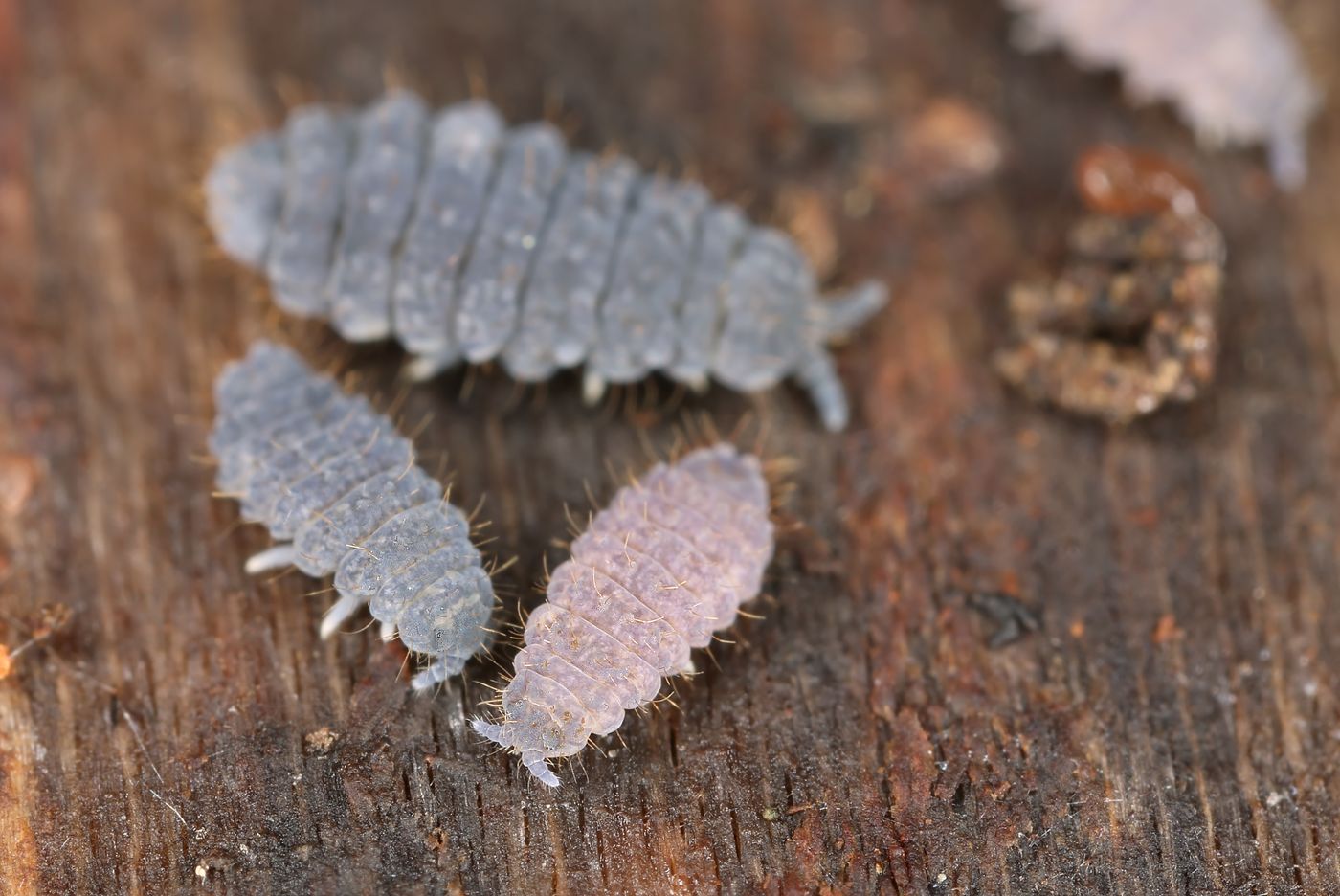
Springtails are tiny, dark insects that thrive in damp places. They often appear around wet window frames, basement windows, bathrooms, or soggy houseplants. Some springtails even jump when disturbed, which is a helpful clue for identification.
While a springtail infestation can involve many insects, they do not bite or damage your home's structure. Their presence is simply a signal that you have excess moisture or decaying organic material nearby.
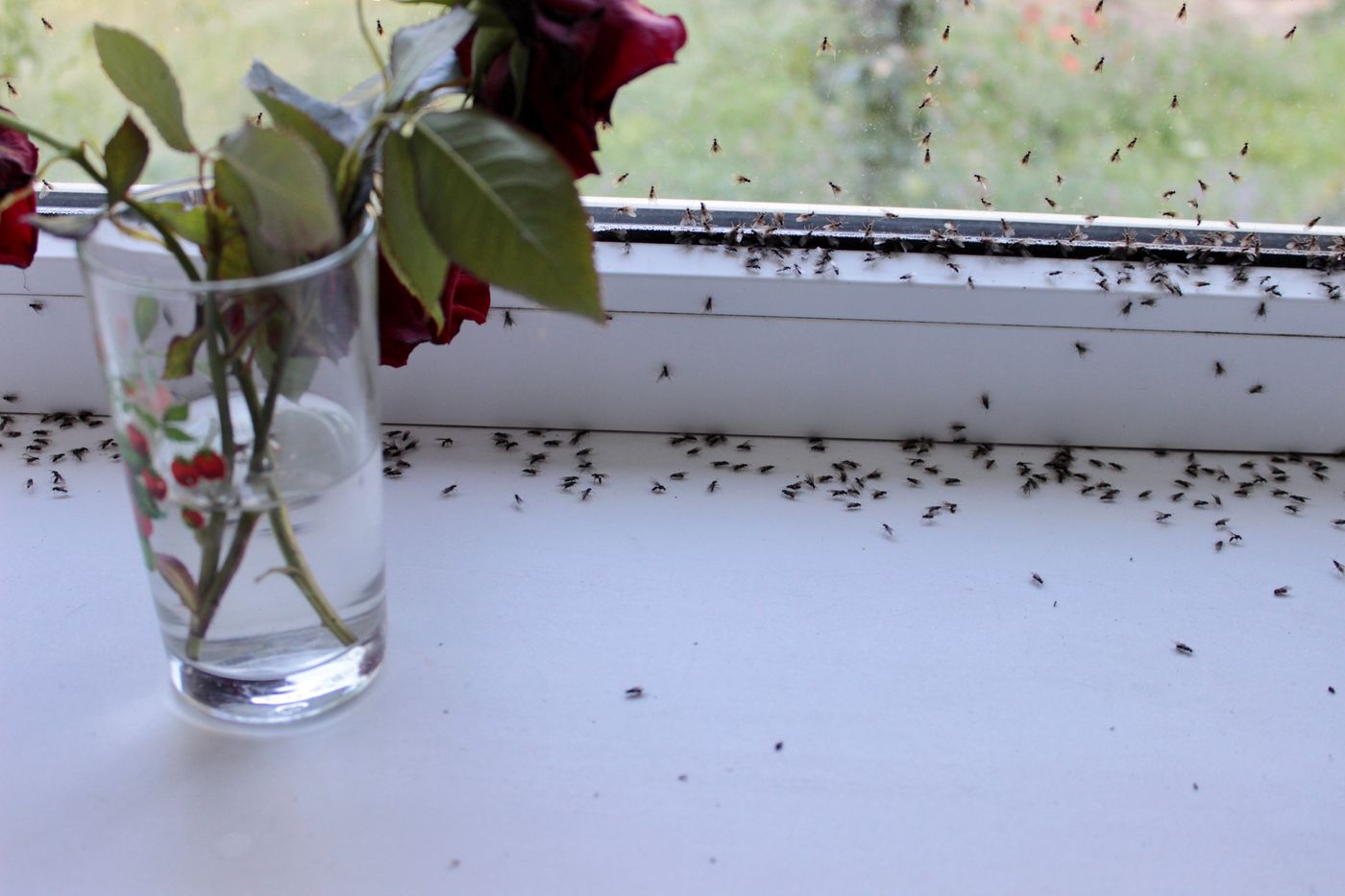
Fungus gnats are miniature black flies with narrow wings. You might see them rise from potting soil when you move a houseplant. Adults are drawn to window light, while their larvae feed in moist soil. If you spot these, consider using biological control or beneficial nematodes to manage the larvae.
Finally, you may see pale, slow-moving specks like booklice or mold mites. Despite the name, booklice are not like head lice and will not live on people. They feed primarily on mold and mildew in humid areas.
Clover mites, aphids, and other outdoor pests
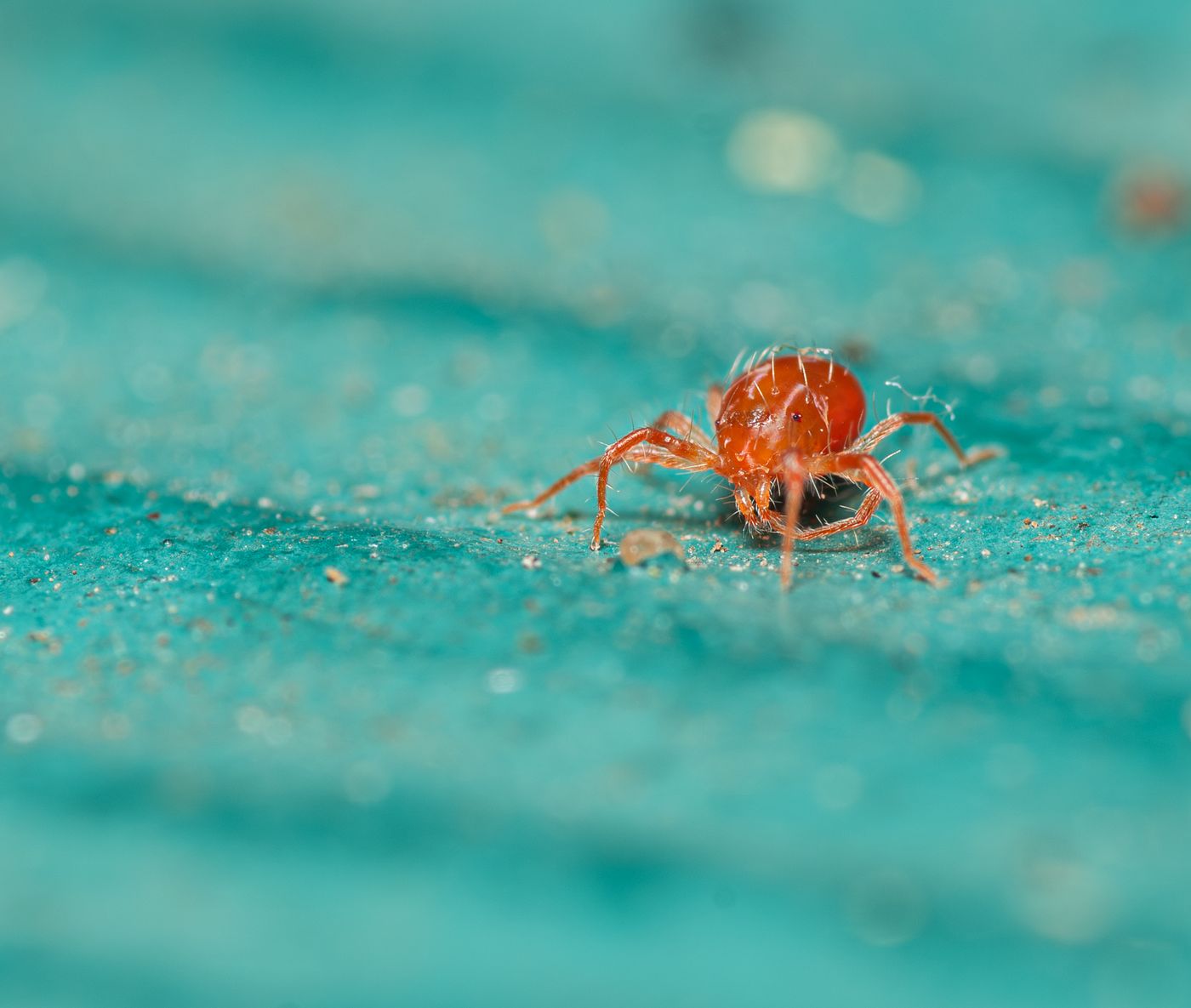
Tiny red or reddish-brown specks marching across a sunny sill are often clover mites. They are most common in spring and fall, especially around lawns, shrubs, and foundation plantings. Clover mites do not bite people, but they can leave a red smear if crushed against paint, curtains, or light-colored trim.
Aphids, thrips, and other plant pests may also appear around windows. Check any houseplants nearby, along with outdoor vines, shrubs, or tree branches that touch the home. While many gardeners welcome beneficial insects like ladybugs to control these pests, indoors you must be more proactive. Aphids often cluster on tender leaves and stems, while thrips can leave pale streaks or silvery scarring on foliage.
Most small bugs found near windows do not bite. However, plant pests can weaken houseplants if you ignore them. A close look at leaves, stems, and soil often tells you whether the insects came from a plant or entered from outdoors.
How to tell tiny flies from crawling insects
Movement is often easier to identify than body shape. Fungus gnats, fruit flies, drain flies, and outdoor midges fly or flutter when you approach. Mites, springtails, aphids, and booklice usually crawl along the sill, glass, or screen track.
Use your phone's close-up camera mode if the bug is too small to inspect directly. Take a photo beside a coin or ruler for scale. Then compare it with identification photos from a local university extension service or a trusted pest guide.
These quick clues can narrow the possibilities:
- Tiny black flies near plant pots often point to fungus gnats.
- Red dots on sunny glass are commonly clover mites.
- Small insects that jump from damp areas may be springtails.
- Pale specks near mildew or condensation can be booklice or mold mites.
- Insects clustered on leaves are often aphids, thrips, or other plant pests.
The bug's location matters as much as its appearance. A flying insect near dry fruit needs a different fix than a jumping insect near wet soil.
Why Tiny Bugs Gather Around Windows
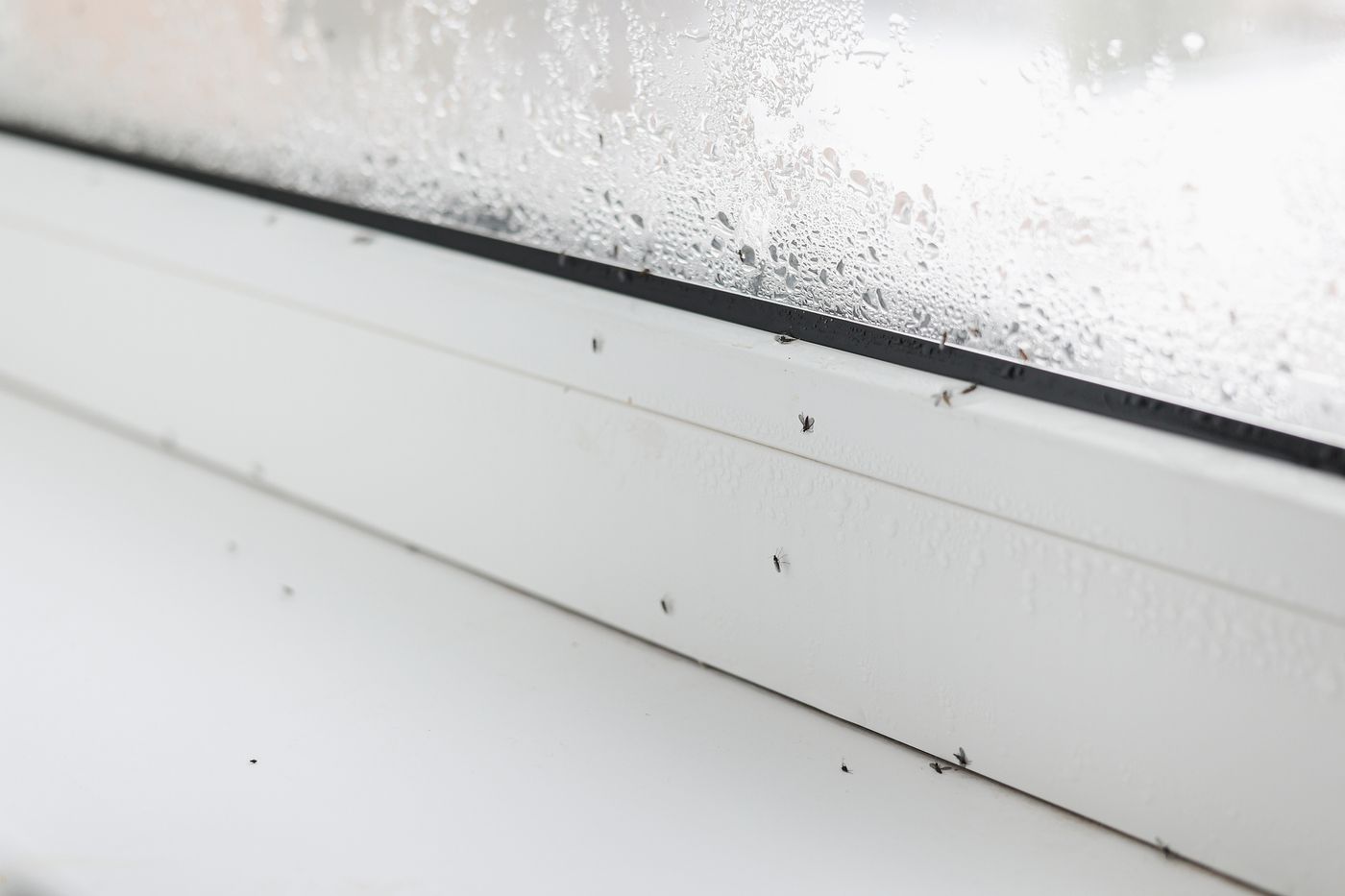
A window often works like a bright landing spot or an accidental trap for pests, requiring targeted pest control measures. Insects move toward the light, then remain on the sill because the glass blocks their way out. Crawling pests may follow warmth, condensation, or food sources around the frame.
Spraying every visible insect may reduce the number for a day or two. Yet the problem returns if the same damp soil, open screen gap, or outdoor vegetation still feeds the cycle. These window issues are common in both residential and commercial properties, often signaling a need for better maintenance.
Light, warmth, and gaps around screens
Indoor lights pull many flying insects toward windows after sunset. This is especially common if you leave windows open near porch lights, patio lights, or bright indoor lamps. Small flies and outdoor insects can slip through a torn screen or a gap that looks too narrow to notice.
Inspect the window closely during daylight. Check the screen edges, the sliding track, the lower corners of the frame, and the weatherstripping. Look for loose screen mesh, cracked caulk, gaps around window air conditioners, or deteriorated seals.
Older wood windows may also have small openings where frames meet exterior trim. A bug does not need much room to enter. Focusing on these areas as part of your regular pest prevention efforts reduces unwanted insects while also helping with drafts and moisture.
Moisture, mold, and overwatered houseplants
Condensation on glass may seem harmless, but frequent moisture can support mold and attract pests that feed on it. A wet sill, peeling paint, soft wood, or dark staining near a window deserves attention.
Check below the window for damp drywall, bubbling paint, or a musty odor. These signs can point to a leak, damaged flashing, or poor insulation. Drying the surface without fixing the water source will not solve the issue.
Houseplants are another common source. Fungus gnats breed when potting mix stays wet too long, especially in containers with poor drainage. Empty plant saucers after watering, and do not let a pot sit in standing water.
If a plant needs consistently moist soil, improve drainage with the right potting mix and container rather than letting water pool around its roots.
How to Get Rid of Tiny Bugs Around Your Windows
To address these invaders, rely on integrated pest management, which focuses on source control and habitat modification. This approach is safer for homes with children and pets, and it prevents the cycle of wiping away bugs only to see them return days later.
While indoor insect sprays can offer short-term relief, they are not a substitute for the specialized pesticides used to address the source of the problem, and they rarely solve the underlying moisture or entry issues. If you decide to use chemical control, always follow the specific pesticide label for application instructions. Check the packaging for the EPA registration number and pay close attention to any safety warnings listed. Never apply more than the directed amount of insecticides, keep all products away from food, and ensure they are stored out of reach of children.
Clean the sill and remove visible bugs
The most effective mechanical pest control method is to vacuum bugs from the sill, window track, screen, and nearby floor corners. Use a crevice attachment for sliding tracks, where dead insects and bits of soil can accumulate. Always empty the vacuum outdoors or seal the contents in a bag before putting it in the trash.
Wipe the sill and frame with warm, soapy water. Clean up dead insects, leaf fragments, and dust that may hold moisture. If you find visible mold, address the moisture problem first and clean the area with an appropriate household product.
Don't crush clover mites on painted trim or curtains. Their pigment can leave a stubborn reddish stain. Instead, lift them with a vacuum, a damp cloth, or clear tape.
Treat houseplants and damp areas
For fungus gnats, let the top inch or two of potting soil dry when the plant can tolerate it. Many common houseplants prefer a drying period between waterings. Yellow sticky traps can catch adult gnats near the pot, but they do not remove larvae already in the soil.
Remove dead leaves from the pot and empty water from saucers. If gnats persist, use a soil treatment labeled for fungus gnats that is suitable for your plant. Follow the product directions closely, especially around pets and edible herbs. For specific pests congregating near window ledges, placing discreet bait stations can also serve as a targeted alternative to broad sprays.
Springtails, booklice, and mold mites need a drier environment. Repair leaks, run a bathroom fan during showers, and use a dehumidifier in a damp basement or room. Better airflow around curtains and blinds can also reduce condensation on colder windows.
Seal the window and reduce outdoor entry
Replace damaged screens and repair loose screen frames. Caulk exterior gaps where appropriate, and replace worn weatherstripping around windows that open. If an air conditioner sits in the window, inspect the side panels and edges for openings.
Keep windows closed when swarms of outdoor insects are active. This is common around dusk, after rain, or during seasonal outbreaks of small flies and mites. Reducing bright lights near an open window can also limit the number of pests drawn indoors.
Trim grass, shrubs, and vines that press against the house. Vegetation can provide a bridge for clover mites, aphids, spiders, and other outdoor pests. Avoid heavy outdoor pesticide treatments unless a product label explicitly lists the pest and the application area.
When Tiny Window Bugs Need Professional Pest Control

Most small window pests disappear after you dry the area, treat affected plants, and close entry gaps. Persistent activity, however, can point to moisture behind walls, a hidden nest site, or a pest that requires a more aggressive approach. While many homeowners prefer to start with DIY solutions like vacuuming, deep cleaning, and sealing entry points, some infestations are stubborn enough to demand an expert touch.
If your DIY efforts haven't stopped the insects, calling a professional exterminator service can ensure you address the root cause of the infestation. When you contact a service provider, always ask for an inspection to identify the exact species and likely sources, focusing on moisture, plant issues, and exterior entry points rather than routine spraying alone. You can find vetted pest control experts at TrustDALE.com for reliable, professional assistance, backed by TrustDALE's $10,000 Make It Right Guarantee. Many providers offer a free estimate to help you evaluate the necessary treatment steps.
Signs the problem is bigger than the windowsill
Call for help if the bugs appear in several rooms or return in large numbers every day. While tiny window bugs are often a nuisance, a recurring swarm may mean insects are entering through gaps or breeding nearby. It is important to distinguish these minor pests from more severe infestations involving termites, cockroaches, or rodents, as these require specialized approaches like bed bug control or professional rodent control.
Other warning signs include:
- Damaged or dying houseplants with insects on leaves or soil
- Mold, water stains, peeling paint, or damp drywall near windows
- Bugs coming from wall voids, trim, or electrical outlets
- Recurring insects despite cleaning and sealing obvious gaps
- Bites, stings, or allergic reactions in the household
Most tiny window pests are harmless, but stinging insects and unknown biting pests need faster attention. In extreme cases where an infestation is deep within the structure, a pro might suggest methods like fumigation to clear the home effectively. Seek medical care for severe allergic symptoms.
What information to collect before calling an expert
A clear photo can save time and prevent guesswork. If possible, capture a specimen in a small sealed container or on clear tape. Avoid handling unknown insects with bare hands.
Write down where the bugs appear, when you notice them, and how they move. Note whether they fly, jump, gather around plants, leave red stains, or appear after rain. Also mention any leaking windows, condensation, or recent changes to houseplants.
Ask the pest control professional to identify the species, explain the likely source, and describe treatment risks. A useful plan includes prevention steps, not only a chemical spray application.
Frequently Asked Questions
Why do my window bugs return after I clean the sill?
Cleaning the sill only removes the symptoms of an infestation rather than the root cause. If you do not address the source, such as an overwatered houseplant, a hidden moisture leak in the wall, or a gap in the window screen, a new infestation will simply migrate to replace the ones you removed.
Should I be worried about bugs around my windows biting me?
Most common tiny window insects, such as fungus gnats, springtails, and clover mites, do not bite humans or pets. However, if you are experiencing bites or allergic reactions, it is important to consult a professional, as you may be dealing with a different type of pest that requires specialized treatment. Bed bugs, especially, need immediate professional intervention.
How can I tell if a bug came from my houseplants?
If you notice small insects flying or crawling specifically when you move or water your plants, they are likely living in the potting soil. You can confirm this by checking for larvae in the soil or observing if the pests remain clustered around the pot and foliage rather than the window frame itself.
Is it safe to use bug spray on my windowsill?
While aerosol sprays offer temporary relief, they are not a substitute for source control and should be used with caution around food and living areas. Always read the product label for safety warnings, ensure the area is well-ventilated, and keep all insecticides out of the reach of children and pets.
A Clearer Window Starts With the Source
Tiny bugs around windows usually follow light, moisture, nearby plants, or a path through damaged screens and gaps. Once you identify the likely insect, the right fix becomes much simpler.
Clean the sill, dry damp areas, inspect houseplants, and repair openings around the frame. Taking these preventive steps keeps the problem from returning after the visible bugs are gone. To further secure your home, consider maintaining the exterior perimeter with regular weed control to eliminate hiding spots for pests. If you choose to use herbicides to keep vegetation away from your foundation, always be mindful of potential environmental hazards and follow all pesticide label instructions.
Most small window pests are manageable without drastic measures. A persistent or widespread problem deserves a professional inspection, especially when moisture or hidden damage may be involved.