

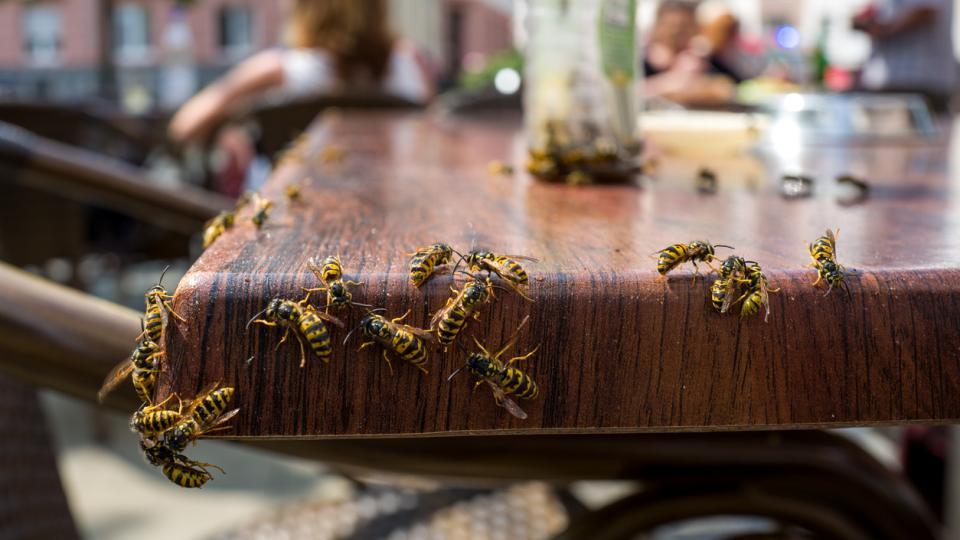
Summer pest problems rarely arrive with the drama homeowners expect. They creep in through damp crawl spaces, gather around porch lights, follow tiny gaps near windows, and build momentum while the yard still looks perfectly normal. By the time ants are marching across the kitchen counter or mosquitoes have claimed the patio, the easier prevention window may already be slipping away.
This guide looks at the summer pests homeowners tend to notice too late, including ants, roaches, mosquitoes, termites, and invasive pests like the Joro spider. You’ll learn why heat and humidity matter, what early signs deserve attention, and when it makes sense to call a pest control professional before a small nuisance turns into a household headache.
Heat, Moisture and the Quiet Pest Invitation
Warm weather changes the rhythm of a home. Doors open more often, pets move in and out, trash cans heat up faster, and shaded areas around the foundation stay damp after afternoon storms. That combination can make a home more attractive to pests looking for food, water, shelter, or a place to nest.
The trouble is that many early pest problems are easy to dismiss. A few ants near the sink may seem harmless. One roach in the garage can feel like an isolated event. Mosquitoes around the deck might get blamed on the neighborhood rather than the birdbath, clogged gutter, planter saucer, or low spot in the yard holding water after rain. Summer pests often announce themselves softly before they become impossible to ignore.
The Bugs You See May Be the Last Chapter
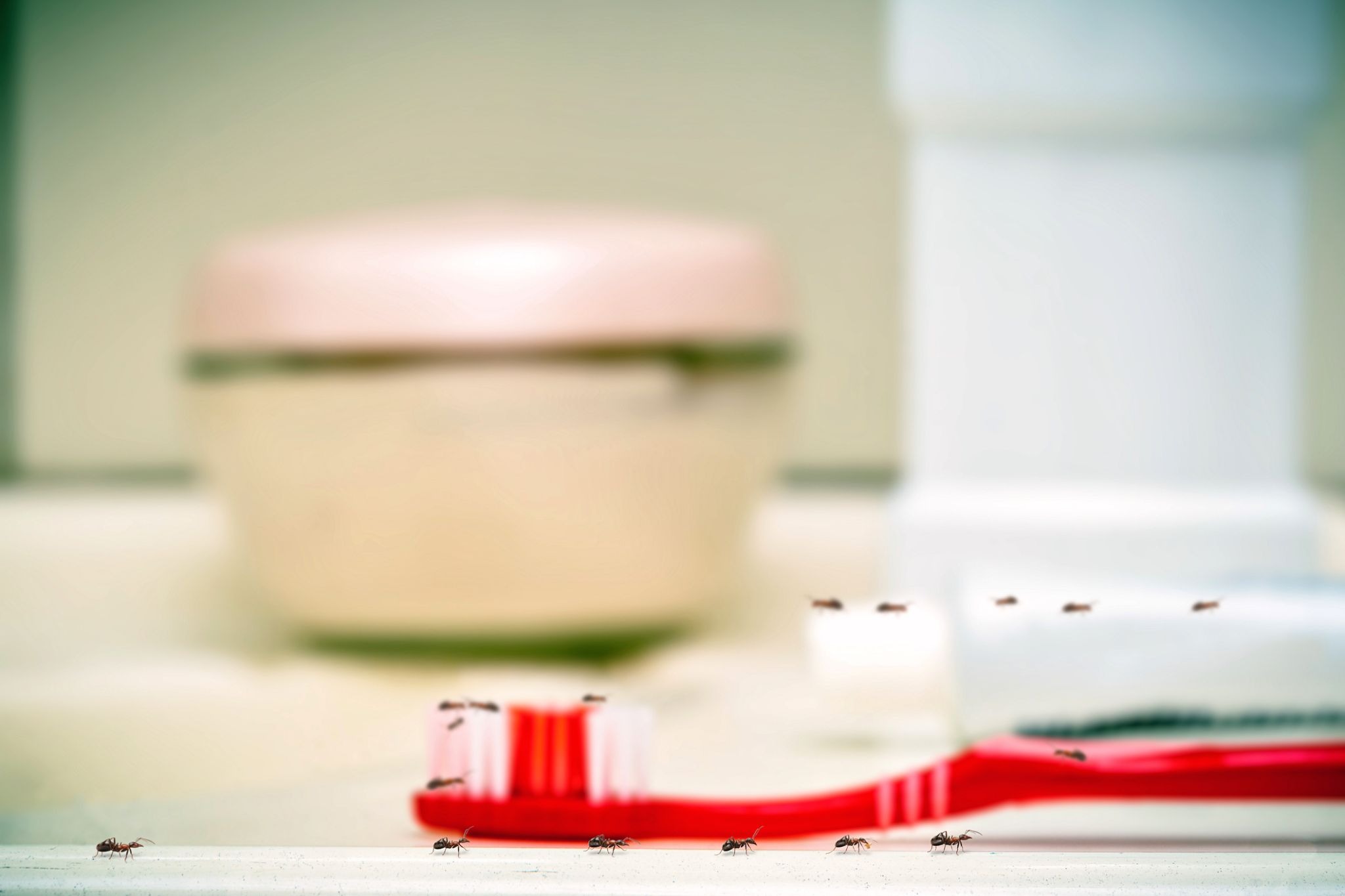
Ants are one of the most common summer frustrations because they’re excellent scouts. A small trail can point to a larger colony nearby, especially when crumbs, pet food, sticky spills, or moisture are available. Roaches favor hidden spaces with warmth and access to water, which makes kitchens, laundry rooms, basements, and garages worth watching closely during humid months.
Mosquitoes bring a different kind of problem because the breeding site may be sitting outside in plain view. The CDC recommends emptying, scrubbing, turning over, covering, or throwing out items that hold water once a week, including buckets, planters, birdbaths, toys, and trash containers. That simple routine matters because mosquitoes lay eggs near standing water, and small containers can become productive breeding spots faster than many homeowners realize.
Termites Are A Summer Problem Too
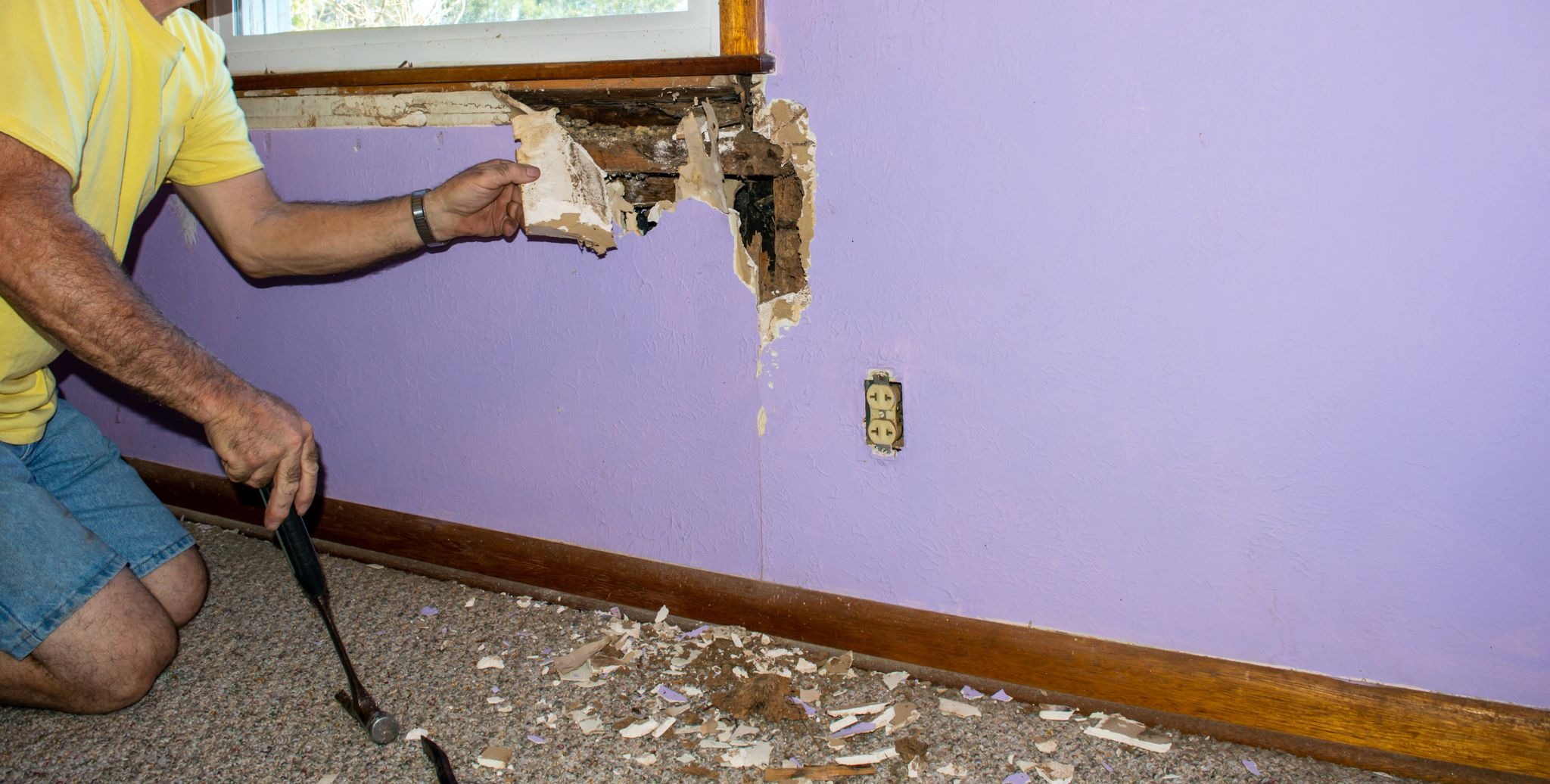
Termites deserve a different level of attention because they can work behind the scenes for a long time. Homeowners may not see obvious damage until a swarm appears, wood sounds hollow, paint starts to blister, or mud tubes show up near the foundation. Summer conditions can make termite activity more noticeable, especially in areas where moisture collects near wood, mulch, crawl spaces, or siding.
The practical lesson is simple: don’t wait for visible damage to take termites seriously. Keep firewood away from the house, avoid direct wood to soil contact, manage drainage near the foundation, and pay attention to damp areas that never seem to dry out. A professional inspection can be especially valuable if the home has a crawl space, a history of moisture problems, previous termite activity, or landscaping that sits too close to exterior walls.
Invasive Pests Add a New Layer to Summer Pest Control
Some pests are more than a household nuisance. Invasive species can spread into new areas, alter local ecosystems, and create fresh headaches for homeowners trying to understand what they’re seeing in the yard. In Georgia and across parts of the Southeast, the Joro spider has become one of the most visible examples.
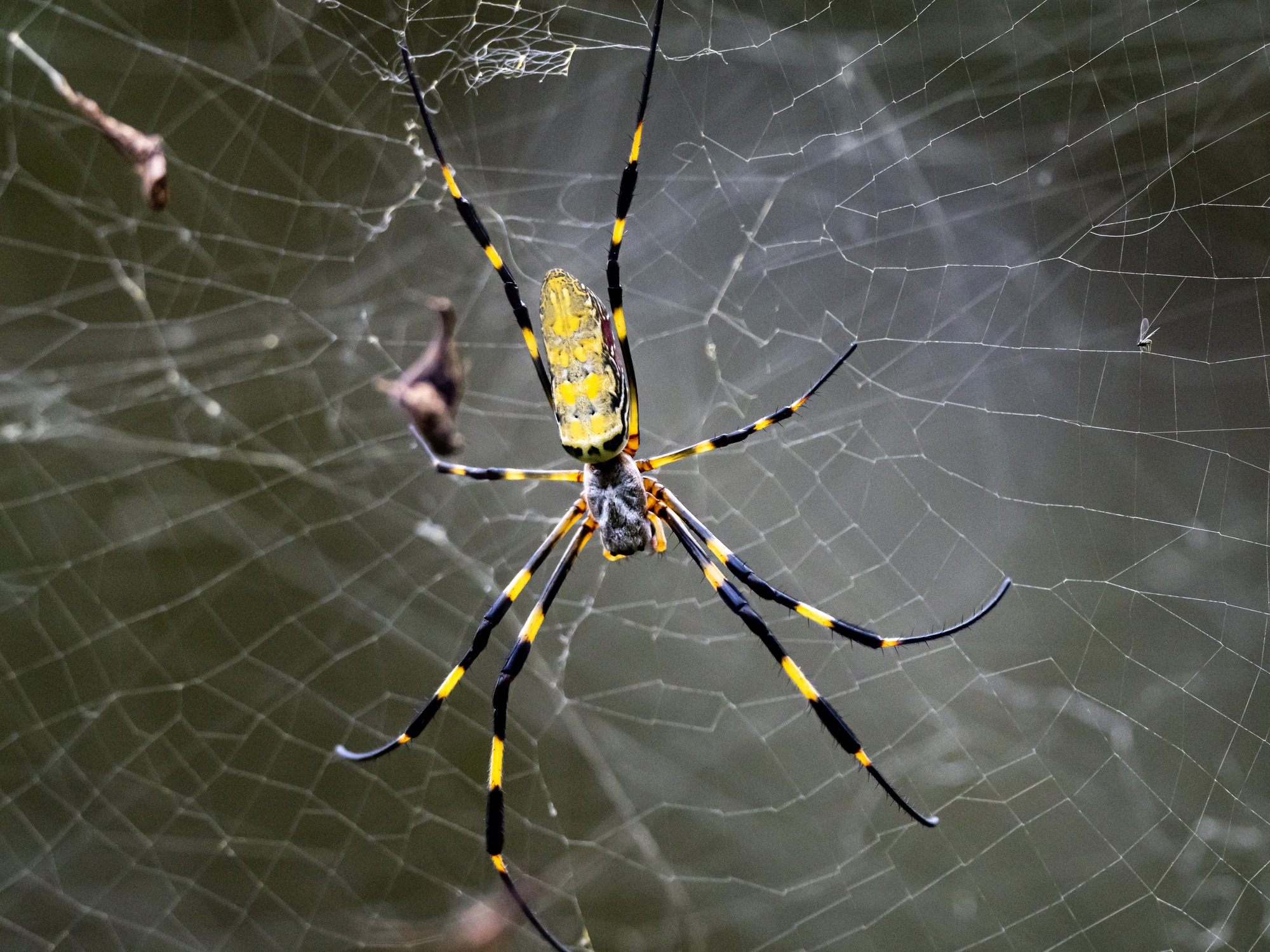
The Joro spider is large, brightly colored, and known for building wide golden webs that can stretch across porches, trees, shrubs, fences, and walkways. For many homeowners, the first encounter feels alarming because the spider is hard to miss. Current research and tracking efforts are still developing, which is why sightings matter. Homeowners can check the Joro Watch tracker to see reported activity and submit sightings that help researchers monitor the spider’s spread.
Joro spiders aren’t the same kind of urgent home threat as termites or roaches, but they can still affect how people use outdoor spaces. Webs across entryways, play areas, garden paths, and patios become frustrating fast. If you’re seeing repeated web building near high traffic areas, careful removal may help, but heavy or recurring activity is a good reason to ask a pest professional how to manage the area without creating unnecessary chemical exposure around children, pets, or pollinator friendly landscaping.
When Prevention Needs Professional Backup
DIY prevention has a real place in summer pest control. Sealing gaps, reducing standing water, cleaning food residue, trimming vegetation away from the home, and improving drainage can all reduce pest pressure. These habits give your home fewer invitations to send out during hot, humid weather.
Professional pest control becomes the better choice when pests keep returning, when you’re seeing signs of nesting, when termites are possible, or when outdoor pests are making normal use of the yard difficult. A trained professional can identify the pest correctly, locate conditions that are feeding the problem, and choose treatments that fit the home rather than relying on broad sprays that may miss the source.
Don’t Wait Until the House Feels Invaded
Summer pests reward delay. A little moisture, a little food, a small gap, or a forgotten container of water can become enough for insects and other pests to settle in before the homeowner realizes what changed. The earlier you respond, the more options you usually have.
If pests are showing up around your home this summer, or if you want to prevent problems before they spread, visit TrustDALE to find a vetted pest control professional in your area. A qualified pro can help you identify what you’re dealing with, protect the parts of your home pests love most, and give you a clearer plan for the rest of the season.