

Spring has a way of waking up everything around the house, including the things homeowners would rather not think about. After months of heavier indoor use, cooler temperatures, holiday cooking, and the first rounds of spring rain, drains can start acting strange before anyone realizes there’s a bigger plumbing issue forming beneath the surface.
In this guide, you’ll learn why spring can be rough on drains, what safe maintenance actually looks like, which warning signs deserve fast attention, and how to know when it’s time to bring in a professional.
We’ll also look at what homeowners should expect from a drain cleaning appointment so the process feels less like a plumbing mystery and more like a smart seasonal reset.
Drains Get Moody in Spring
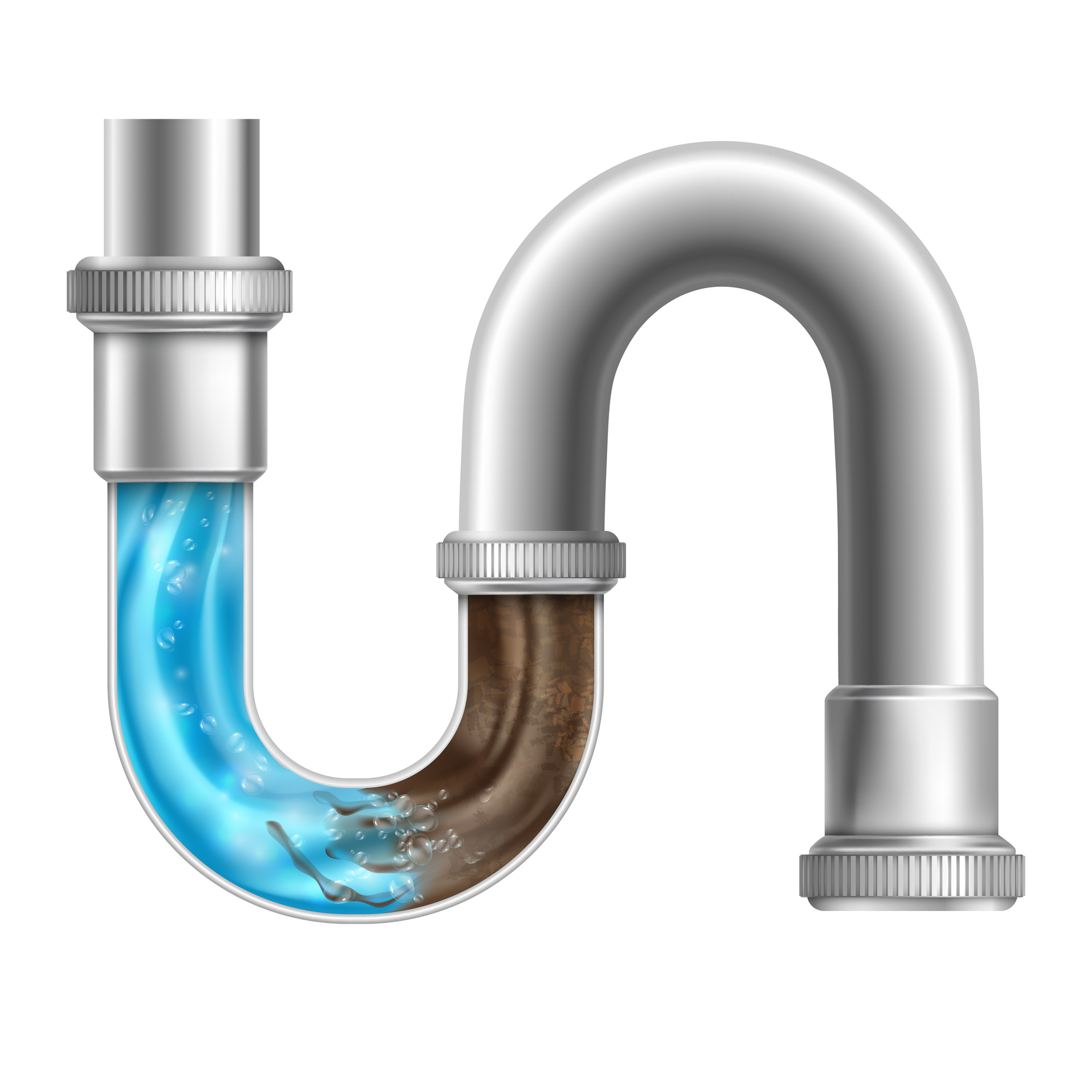
Most household clogs don’t come out of nowhere. Kitchen drains collect grease, food residue, soap film, and tiny scraps that slip past the sink strainer. Bathroom drains pick up hair, toothpaste, shaving cream, soap, and lint. Laundry drains can carry fabric fibers and detergent buildup. None of that sounds dramatic on its own, but inside a pipe, all that buildup creates a slow narrowing that can eventually become a sudden wall.
Spring adds its own pressure. More rain can expose weak spots around exterior drains, sewer lines, and low lying areas of the yard. Tree roots become more active as the season warms, and older sewer lines may already have small openings where roots can search for moisture. Inside the home, spring cleaning often sends extra debris down sinks, tubs, utility drains, and washing machine lines.
The Spring Drain Checklist Worth Doing
A little maintenance can keep small annoyances from turning into a backed up sink, sour drain smell, or weekend emergency call. Keep it simple and steady:
- Run hot tap water after using kitchen sinks.
- Scrape greasy pans into the trash before washing.
- Use strainers in kitchen, shower, and tub drains.
- Clean visible hair from bathroom drain covers weekly.
- Avoid flushing wipes, even when the package says flushable.
- Check under sinks for slow leaks or damp cabinet floors.
- Test rarely used drains by running water for a minute.
- Look outside for pooling near cleanouts or low yard drains.
- Listen for gurgling after toilets, tubs, or sinks drain.
- Call a plumber if more than one drain slows at the same time.
That last point is important. A single slow bathroom sink may be a local clog, but several slow drains point toward a deeper line issue. That’s where guesswork gets expensive.
Safe Fixes Before You Call
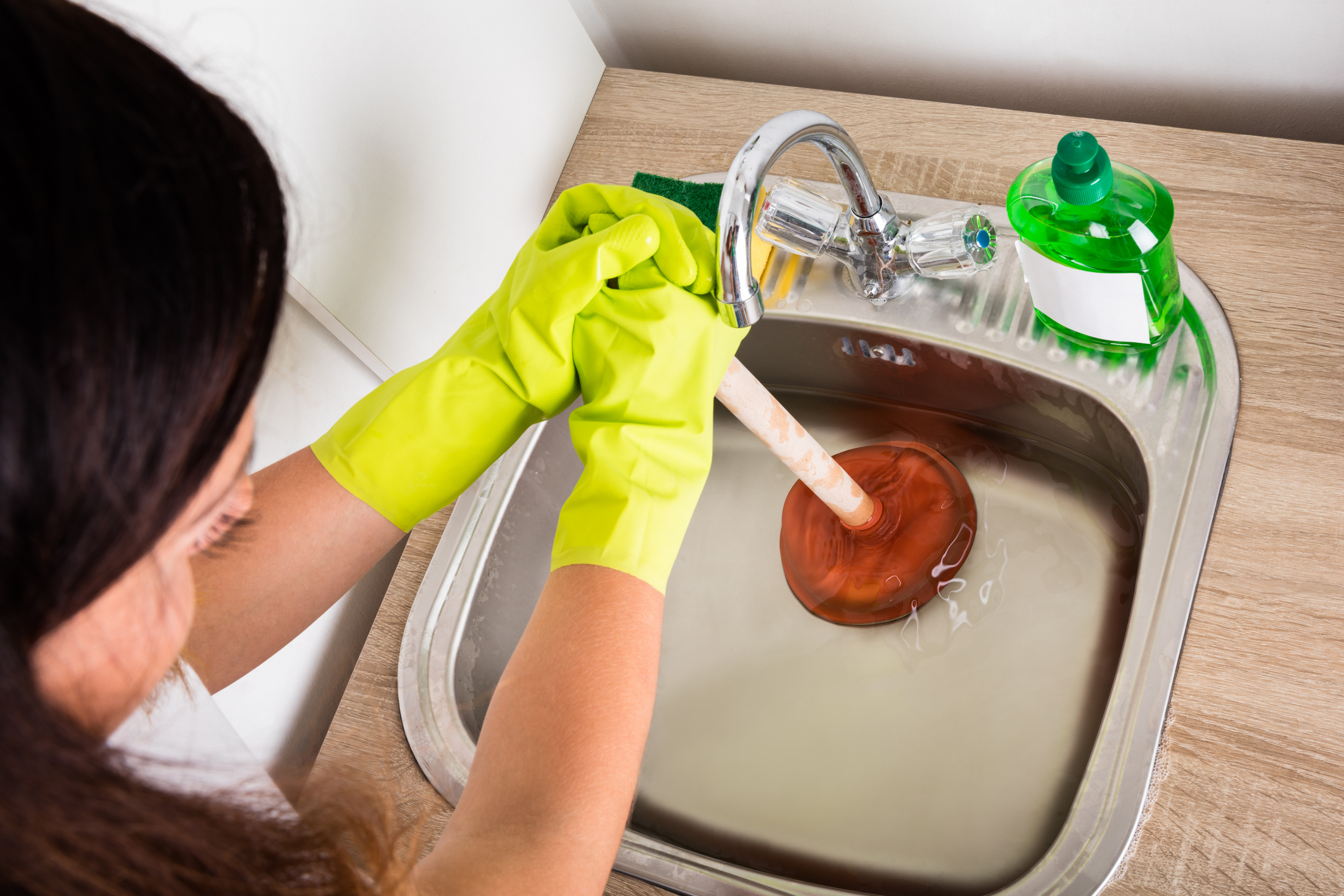
Homeowners can handle some light drain maintenance without risking damage. A cup plunger can help with a simple sink or tub clog, especially when there’s enough water to create suction. Removing and rinsing a visible sink stopper can also clear hair and soap buildup.
For kitchen drains, hot tap water and dish soap may help move light grease film along, but boiling water isn’t a good idea for every plumbing system.
Chemical drain cleaners should be used with caution, because they’re harsh, don’t always clear the real blockage, and they may create a safety hazard for the plumber who has to open the line later.
If a drain keeps slowing down after you clear it, the clog probably isn’t gone.
When the Problem Leaves DIY Territory
Some symptoms are the plumbing version of a blinking red light. Sewage smell, water backing up into a tub when the washing machine runs, repeated toilet bubbling, standing water near a floor drain, or a clog that affects multiple fixtures should be treated seriously. Those signs can involve the main sewer line, underground piping, or a blockage that needs camera inspection or professional equipment.
That’s where R. S. Andrews Plumbing, a TrustDALE certified partner, fits naturally into the conversation. They handle drain cleaning along with indoor plumbing, underground plumbing, septic services, sewer line repair, water heater repair, and emergency plumbing across North Georgia.
For homeowners, a broader service range matters when a stubborn clog turns out to be more than just debris, but an issue with the line itself.
What a Good Drain Cleaning Visit Should Include
A professional drain cleaning appointment should start with questions about where the problem began, how long it has been happening, and whether other fixtures are affected.
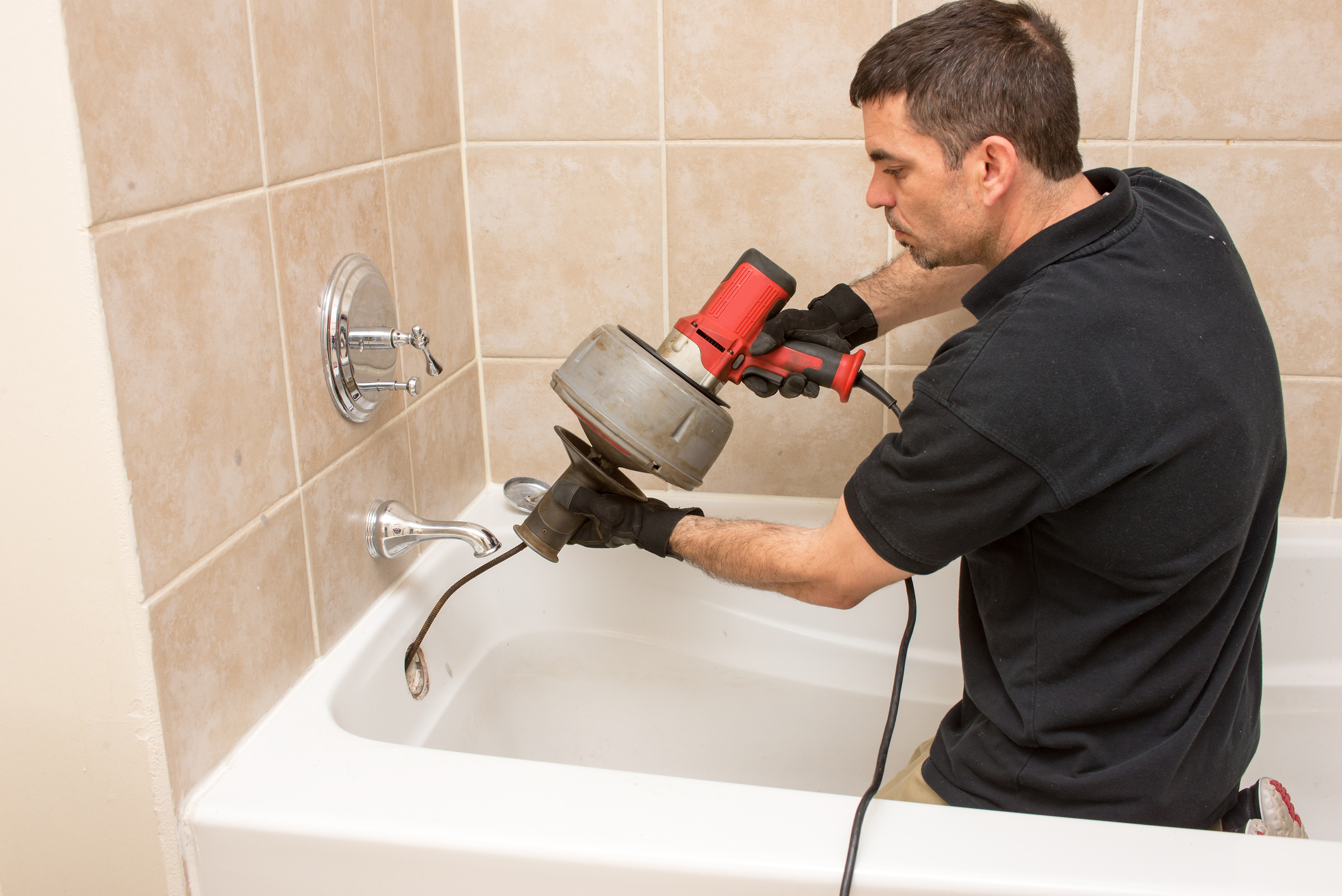
From there, the plumber may inspect the fixture, locate the cleanout, use the proper clearing equipment, and recommend a camera inspection when the symptoms suggest a deeper issue.
Homeowners should feel comfortable asking what method will be used, whether pricing is clear before work begins, what happens if the blockage returns, and whether the technician sees signs of pipe damage.
A good service visit doesn’t leave you with a vague “it’s fixed.” Instead, you should be left with a better understanding of what happened and what to watch out for in the future.
Give Your Drains a Cleaner Start
Spring is a good time to treat drains as part of home maintenance rather than waiting for a clog to announce itself at the worst possible moment.
If your drains are slow, noisy, smelly, or suddenly unpredictable, request a quote from R. S. Andrews Plumbing and get a trusted professional opinion before minor backups become large repairs.
Want to hear more before your next plumbing surprise? Watch or listen to our podcast, “Trust Issues: Down the Drain.” Dale Cardwell and Dari Payrow of TrustDALE Certified Partner R. S. Andrews talk through the plumbing problems homeowners run into most, myths that make drain and sewer issues more confusing, and the warning signs that a plumber may be pushing a bigger bill instead of a better solution.
Watch on the TrustDaleTV YouTube channel or listen wherever you get podcasts!