

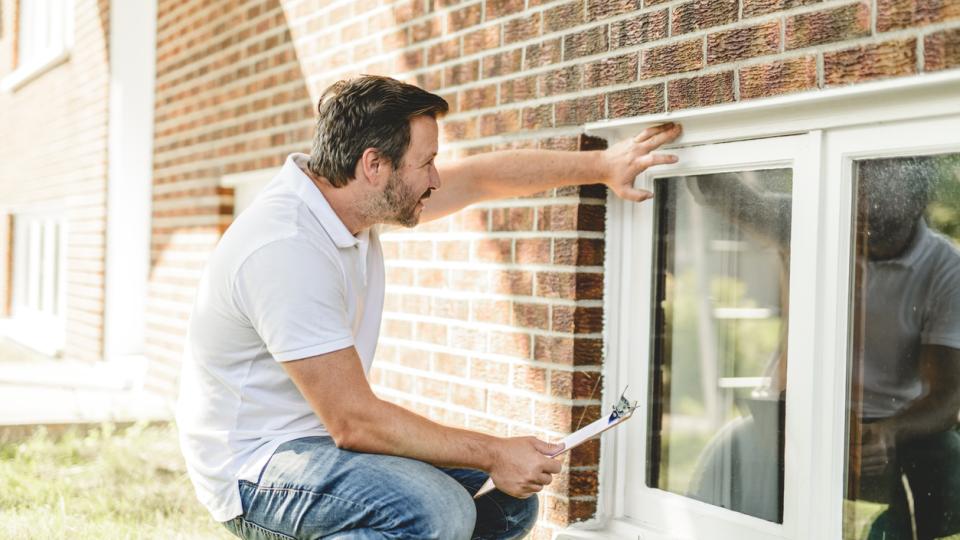
Summer has a way of finding the small weak spots around a house. The AC that felt fine in April suddenly struggles in July, the gutter that held a few leaves starts spilling water over the edge, and the back door that closed easily in spring begins dragging against the frame after a stretch of heat and humidity.
The good news is that many of these problems give homeowners a little warning before they become a bigger nuisance. A simple walkaround, can help you notice weak airflow, clogged drainage, outdoor plumbing leaks, dryer vent buildup, sticky doors, and crawl space moisture while there’s still time to handle them calmly.
A Slow Lap Around the Outside
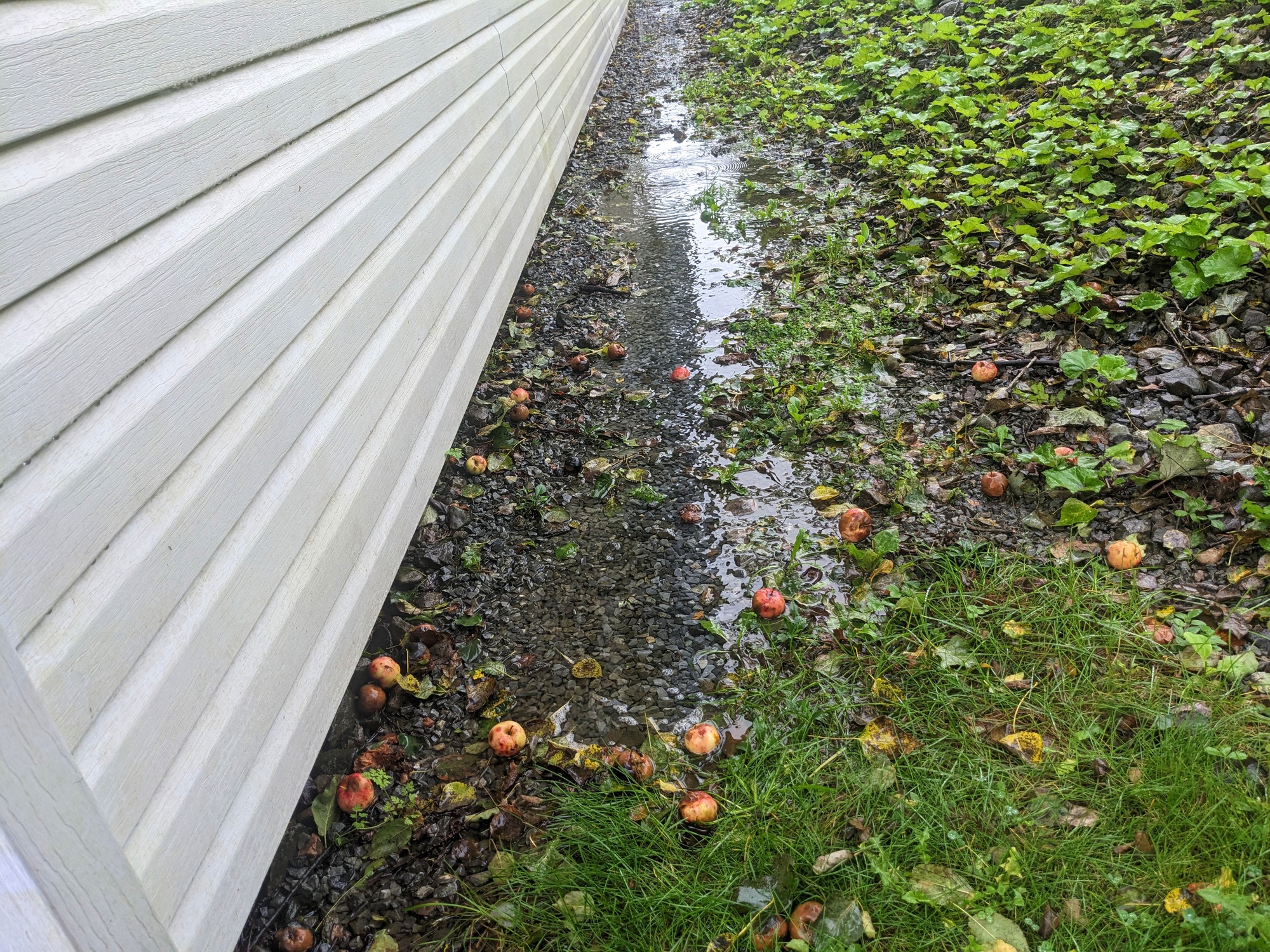
Start outside, where summer weather usually leaves the first clues. Walk the perimeter of your home and look up at the gutters. You don’t need to climb a ladder for this first pass. From the ground, check for sagging sections, stains on siding, plants growing from the gutter line, or places where water has clearly been spilling over instead of moving through the downspout.
After that, look at the soil near the foundation. If you see washed out mulch, muddy streaks, or low spots where water seems to collect, drainage may need attention before summer storms roll through. Gutters and grading aren’t glamorous, but they protect a home from some of the most irritating moisture problems homeowners deal with.
Give the Hose Bib a Real Test
Outdoor faucets often get ignored until someone hooks up a hose and finds water spraying from the handle, dripping behind the spigot, or leaking into a wall. Turn each hose bib on for a minute and watch what happens. The water should come out cleanly, the handle should feel firm, and the area around the wall should stay dry.
If the faucet wobbles, leaks at the wall, or keeps dripping after you shut it off, don’t treat it as a tiny annoyance. Outdoor plumbing sits in a rough spot, exposed to weather, yard work, and years of twisting hoses on and off. A plumber should take a closer look if the faucet feels loose or if water appears where it shouldn’t.
Listen to What Your AC Is Trying to Tell You
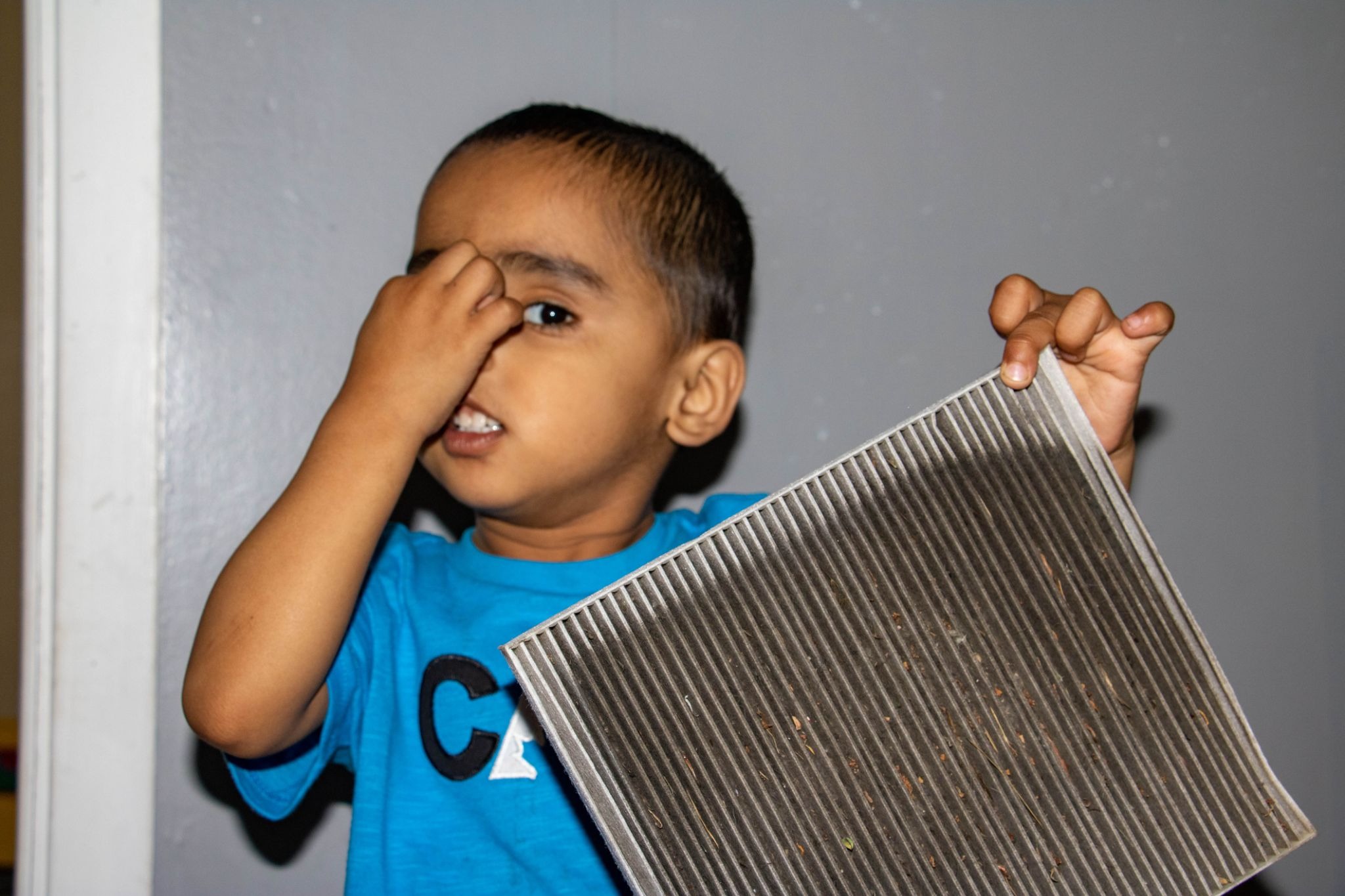
Before the hottest days arrive, turn the air conditioning on and walk through the house. Hold your hand near a few vents and pay attention to rooms that feel weaker than others. A dirty filter, blocked return, closed vent, or leaky duct can make a system feel tired even when the equipment itself is still working.
Homeowners can handle the easy checks first. Replace a dirty filter, move furniture away from returns, and make sure vents are open. If airflow still feels uneven, the system runs constantly, or certain rooms never cool down, it’s time to bring in an HVAC professional. Summer is a rough season to discover that your system needed attention weeks ago.
The Door Test Nobody Thinks About
Doors can tell you a surprising amount about what’s happening inside a home. Open and close your exterior doors, interior doors near bathrooms or laundry areas, and any door leading to a garage or basement. A little seasonal swelling can happen, especially in humid weather, but sudden sticking, dragging, or gaps around the frame deserve a closer look.
Sometimes the fix is simple, like tightening hinge screws or adjusting weatherstripping. Other times, a door that keeps shifting may point to moisture, framing movement, or settling that needs professional eyes. The key is noticing the change instead of forcing the door until the hardware or frame gets damaged.
One Quick Indoor Check Before You Quit
Before you call the walkaround finished, check the spots that tend to hide trouble:
• Look behind the dryer for crushed vent hose, heavy lint, or unusually long drying times.
• Shine a flashlight near crawl space access points and notice musty smells, damp insulation, or standing water.
• Check under sinks near exterior walls for slow drips or soft cabinet bottoms.
• Feel around windows and doors for warm drafts that make cooling harder.
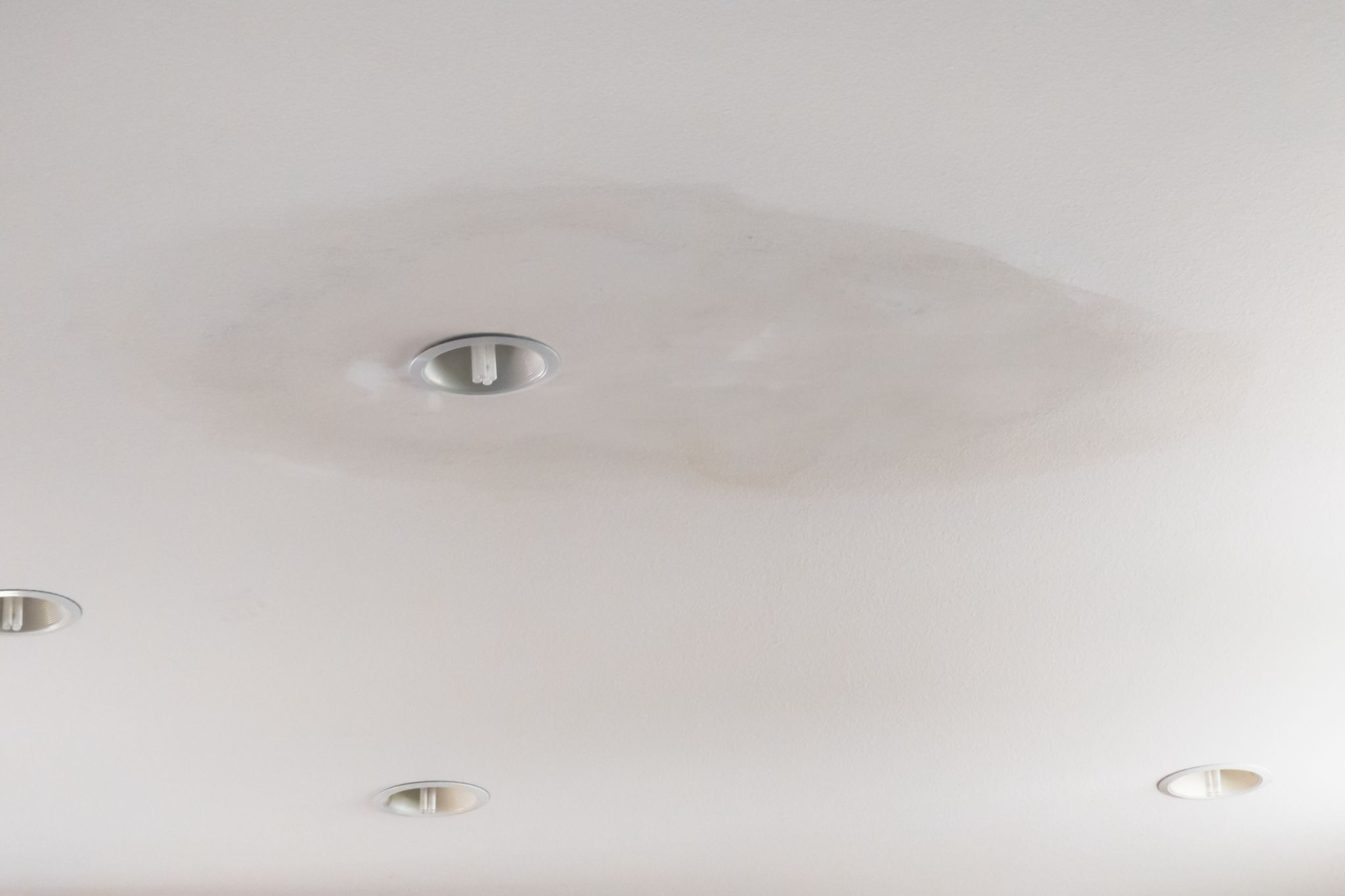
• Look at ceilings below bathrooms or laundry rooms for stains that weren’t there before.
That’s plenty for one inspection. The goal isn’t to diagnose every issue in the house. It’s to catch the little signals that deserve attention before summer heat, storms, and humidity make them harder to ignore.
When It’s Time to Stop DIYing
A homeowner walkaround is great for spotting problems, but some repairs shouldn’t turn into weekend experiments. Contact a professional if you notice active leaks, electrical issues near moisture, weak AC airflow that doesn’t improve with a filter change, gutters pulling away from the roofline, heavy dryer vent blockage, or crawl space dampness that keeps coming back.
The smartest home maintenance habit is knowing when observation ends and repair begins. A careful homeowner can prevent a lot of frustration just by paying attention, but trained pros have the tools and experience to find what’s happening behind the wall, under the floor, or inside the system.
Keep Summer From Moving In Uninvited
A 30 minute walkaround won’t make a house problem proof, but it can help you catch the nagging issues that turn summer from relaxing to expensive. Weak airflow, clogged gutters, sticky doors, dryer vent buildup, leaky hose bibs, and crawl space moisture all tend to start quietly.
If your walkaround turns up something that needs more than a simple adjustment, TrustDALE can help you find vetted home service professionals in the right category. Before summer puts your home under pressure, take the lap, make the notes, and bring in a qualified pro where it counts.