

A basement remodel can feel like finding extra square footage hiding under your own house. One minute it’s storage boxes and exposed concrete, and the next it’s a family room, guest suite, office, gym, or media space. Before the framing goes up and the flooring samples come out, though, there’s one question that deserves a hard look: is the basement actually dry enough to finish?
This guide walks through the moisture warning signs homeowners often miss, what to inspect before remodeling, how waterproofing connects with structural repair, and what to ask before hiring a contractor. You’ll also learn where Everdry Waterproofing fits into the process as a trusted waterproofing expert for homeowners who want a finished basement that doesn’t become an expensive regret.
The Warning Signs Usually Whisper First
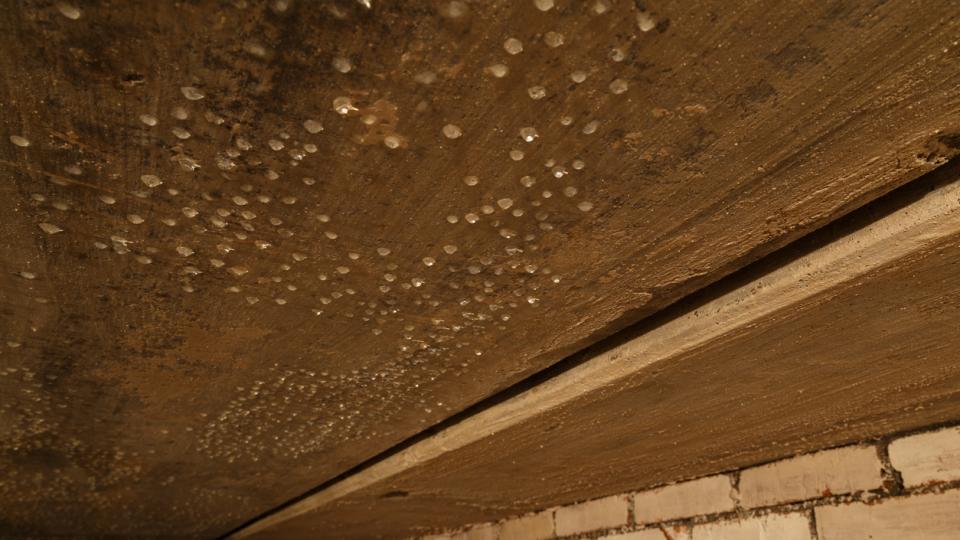
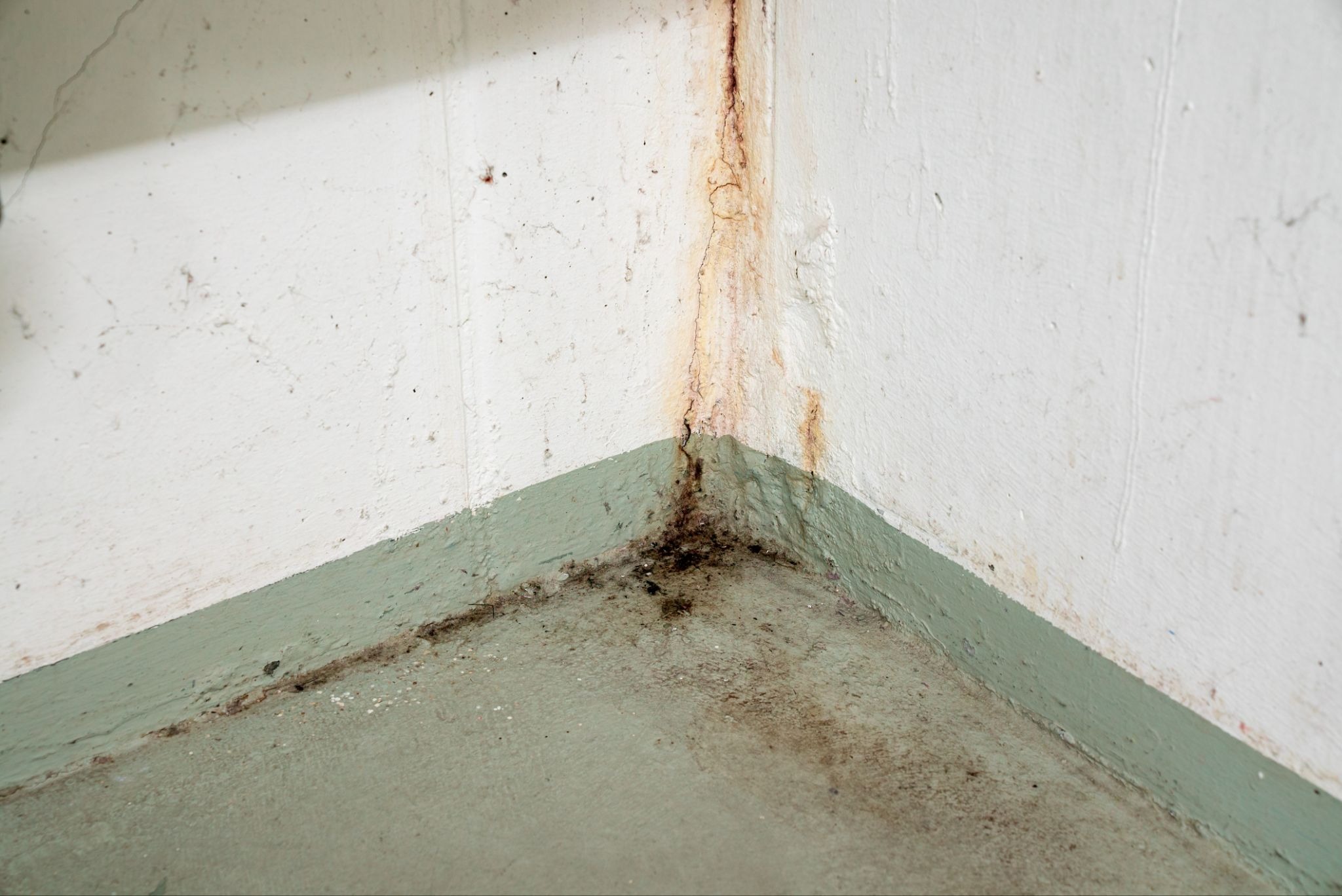
Basement water trouble rarely introduces itself with a dramatic flood. More often, it leaves small clues that are easy to explain away during the excitement of planning a remodel. A faint musty smell, peeling paint near the floor, white chalky residue on concrete, rust on metal shelving, swollen trim, dark corners, or damp carpet after heavy rain can all point to moisture moving through the space.
Pay attention to the room after storms, not just on dry weekends when you’re measuring for furniture. Look along the bottom of foundation walls, around window wells, near plumbing penetrations, and where the wall meets the slab. If the basement feels humid even when the rest of the house feels comfortable, that’s worth investigating before you cover the walls.
Do the Water Check Before the Design Plan
A smart basement remodel starts with a plain, unglamorous inspection. Walk the exterior first. Gutters should be clean, downspouts should carry water away from the foundation, soil should slope away from the house, and window wells should drain instead of holding water like little concrete ponds.
Inside, look for cracks, stains, damp spots, uneven floors, odors, and signs that previous owners painted over a moisture problem. Run a dehumidifier if needed, but don’t mistake that for waterproofing. A dehumidifier manages air moisture. It doesn’t solve water entering through foundation walls, floor cracks, or poor drainage.
Waterproofing and Structure Belong in the Same Conversation
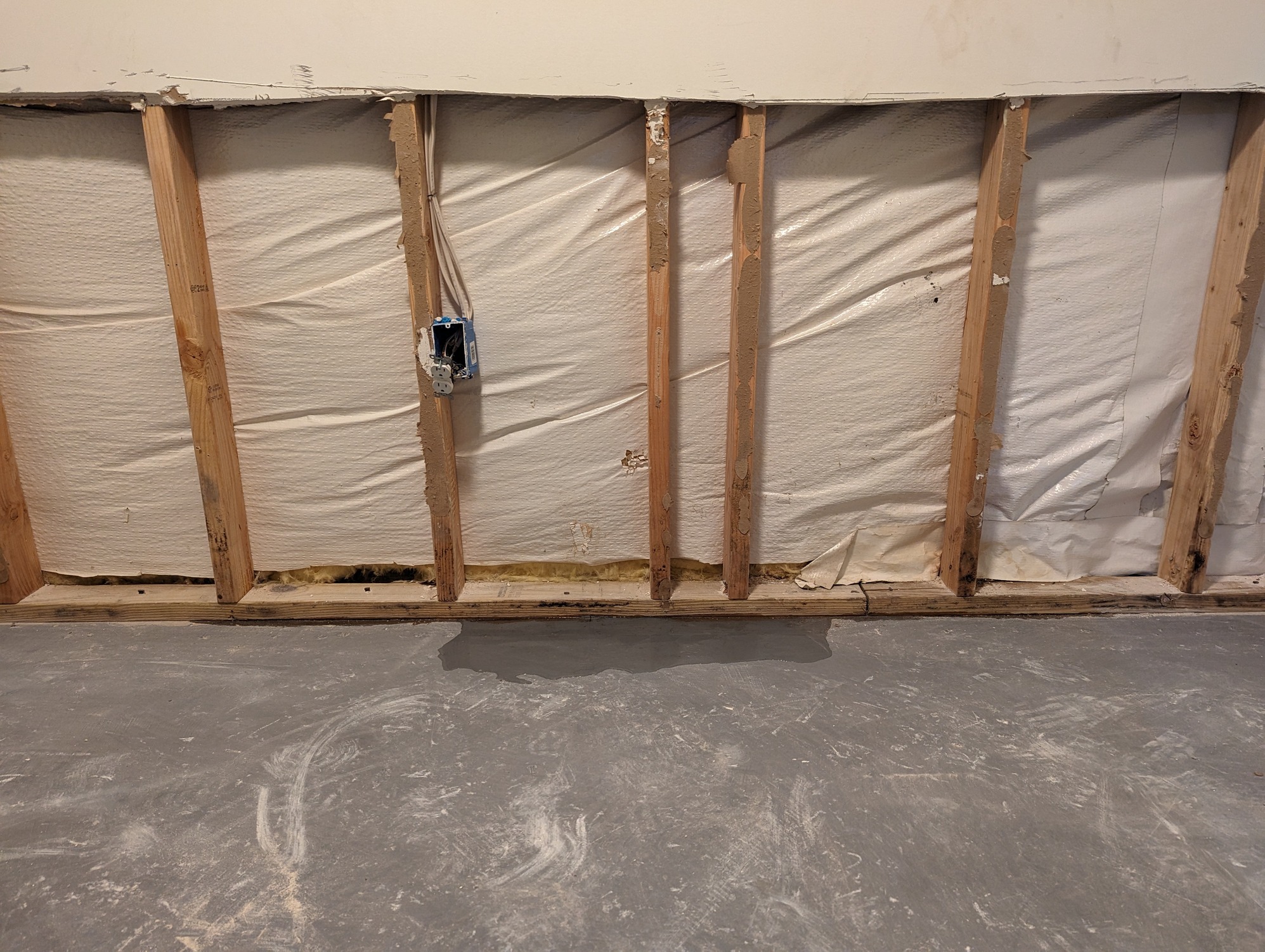
Finishing a basement can hide symptoms without fixing the source. Drywall, insulation, flooring, and built-ins can make water problems harder to see and more expensive to repair later. That’s why waterproofing and structural issues should be reviewed before the remodel begins.
Some homes may need drainage improvements, sump pump support, a battery backup system, crack repair, crawl space work, or foundation stabilization. The exact solution depends on how water is entering and whether the foundation is also showing movement or stress. A good contractor should explain the problem in ordinary language, show what they found, and recommend a system that fits the house rather than pushing a one-size answer.
What a Professional Estimate Should Include
Homeowners should expect more than a quick glance and a price scribbled on a form. A professional waterproofing estimate should identify the likely water source, explain the recommended repair, describe the materials or system being used, clarify the project timeline, and spell out warranty terms in writing.
Ask whether the company handles basement waterproofing, crawl space waterproofing, sump pump systems, backup systems, and foundation repair. Ask what happens if water returns. Ask who performs the work and what protections are in place for your home during the project. Any contractor who rushes past those questions is telling you something useful.
Why Everdry Waterproofing Is a Strong Fit
Everdry Waterproofing is a practical example of the kind of specialist homeowners should look for before finishing a basement. The company focuses on basement waterproofing, crawl space waterproofing, foundation repair, multi-step waterproofing systems, and battery backup options. All of these are important, since basement moisture problems often involve more than one weak point.
For homeowners planning a remodel, a company’s range of experience is valuable. You’re not just trying to make the basement look better, you’re trying to protect the money you’re about to put into flooring, walls, electrical work, furniture, and long-term living space. Everdry’s role is to help homeowners understand whether the basement is ready to finish, what needs to be corrected first, and how to reduce the risk of hidden water trouble coming back after the remodel is complete.

Finish the Basement With Confidence
A finished basement should feel like a useful extension of the home, not a gamble under the stairs. Before you invest in design plans, flooring, lighting, or custom storage, make sure the space is dry, stable, and ready for the work ahead.
Schedule an inspection with Everdry Waterproofing or another trusted TrustDALE waterproofing partner in your area before you remodel. A professional review now can help protect the finished space you’re imagining and keep hidden water trouble from becoming the most expensive part of the project.