

A fresh coat of paint has a way of making a house feel awake again, but painting is more than color, curb appeal, or finally getting rid of that wall shade someone optimistically called “warm taupe.” Paint protects surfaces from moisture, sun, everyday wear, and the slow creep of neglect that turns small touchups into bigger repairs.
In this guide, we’ll look at how homeowners can tell when it’s time to repaint, why preparation matters more than most people realize, when DIY painting makes sense, and when hiring a professional painter is the wiser move. We’ll also cover one safety issue that should never be treated casually, especially in older homes.
The Paint Is Usually Talking Before It Fails
Most homes give plenty of warning before paint reaches the point of peeling or flaking. Exterior paint may start looking chalky, faded, brittle, or uneven. Trim may separate at the caulk lines. Siding may show hairline cracks where water can begin working behind the surface. Indoors, high traffic walls often lose their clean finish long before the color itself looks outdated, especially in hallways, kitchens, bathrooms, kids’ rooms, and entry areas.
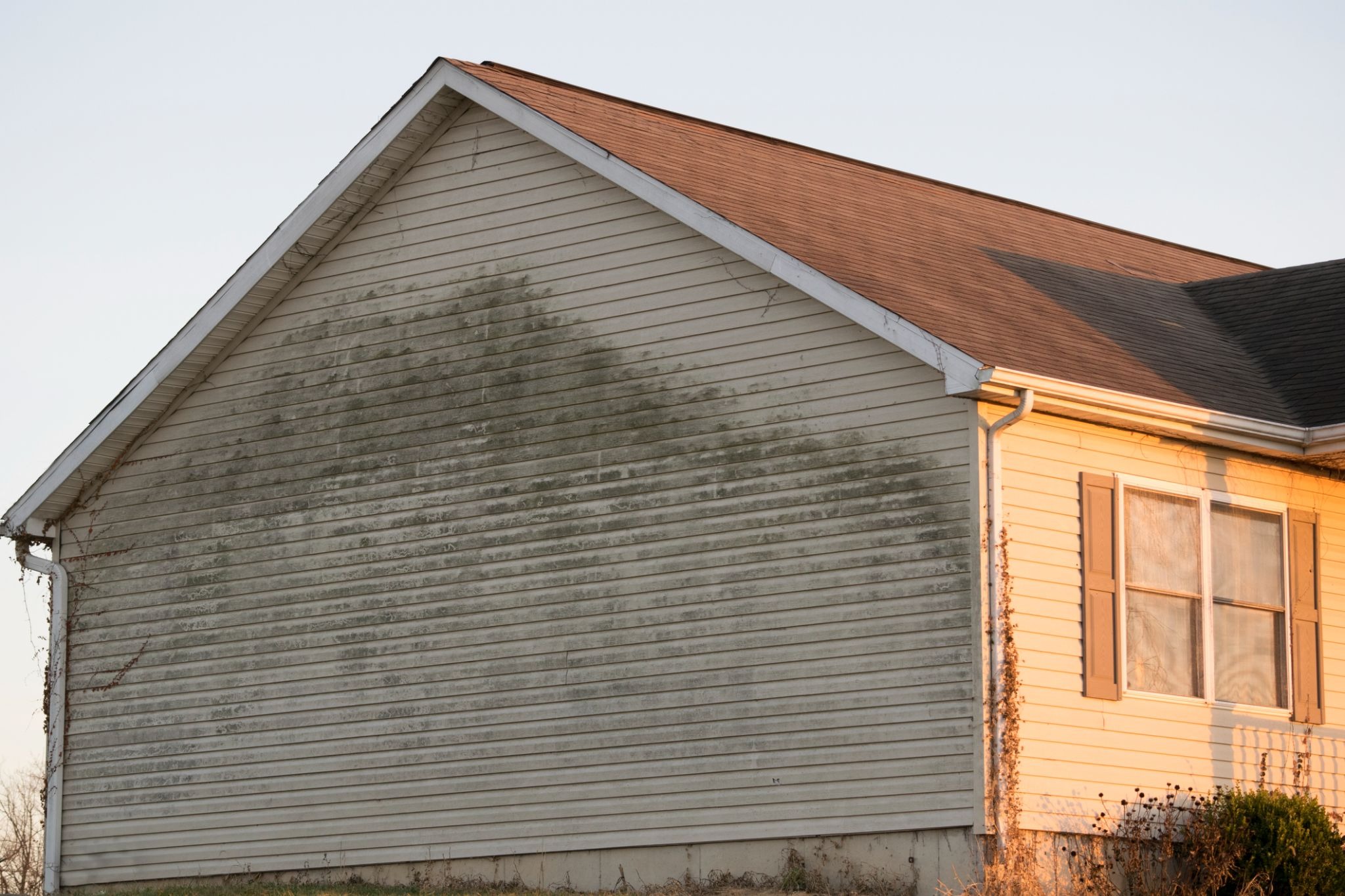
The mistake homeowners often make is waiting until the paint visibly fails. Once peeling begins, the project usually becomes more labor intensive because loose paint has to be removed, bare areas may need sanding and priming, and moisture damage may have to be repaired before the first coat can go on. A well timed repaint is usually easier to manage than a rescue job after years of wear.
Prep Work Is Where Good Paint Jobs Are Won
Paint has a reputation for being simple because the final step looks simple. Roll it on, brush the edges, admire the wall, move the furniture back. The real work happens before the can opens.
Surfaces need to be cleaned, repaired, sanded where appropriate, and primed when the material or condition calls for it. Sherwin Williams advises using nonabrasive cleaning methods for painted surfaces and notes that mild soapy water is generally enough for many waterborne paints, which is a helpful reminder that surface care begins well before repainting day. Dirt, grease, mildew, glossy old paint, and loose caulk can all interfere with adhesion, leaving even premium paint looking tired before it should.
The finish matters too. Consumer Reports notes that homeowners should choose the finish before getting too deep into color selection because durability, cleanability, and appearance change with sheen. A flat finish may hide wall imperfections, but it usually won’t stand up to scrubbing the way satin, semi gloss, or other more durable finishes can in busy areas.
DIY Painting Has a Place, But It Has Limits
Interior painting can be a reasonable DIY project when the walls are in good shape, the ceilings are reachable, and the homeowner has the patience for careful prep. A bedroom, office, powder room, or accent wall may be manageable with the right tools, enough ventilation, and enough time to avoid rushing the edges.

Exterior painting is a different animal. Ladders, weather, siding condition, surface preparation, caulking, pressure washing, and product selection all raise the stakes. A poor exterior paint job may not just look uneven, it can trap moisture, fail early, or leave vulnerable areas exposed. Homes with tall gables, damaged trim, wood rot, stucco cracks, or complex siding should usually be evaluated by a professional before the project begins.
Professional painters also bring judgment that can be hard to replicate from a weekend tutorial. They can recognize when a surface needs primer, when caulk has failed, when old paint needs more aggressive prep, and when a product is wrong for the material or local conditions. That kind of judgment often separates a paint job that looks good for a season from one that holds up.
Older Homes Need an Extra Safety Question
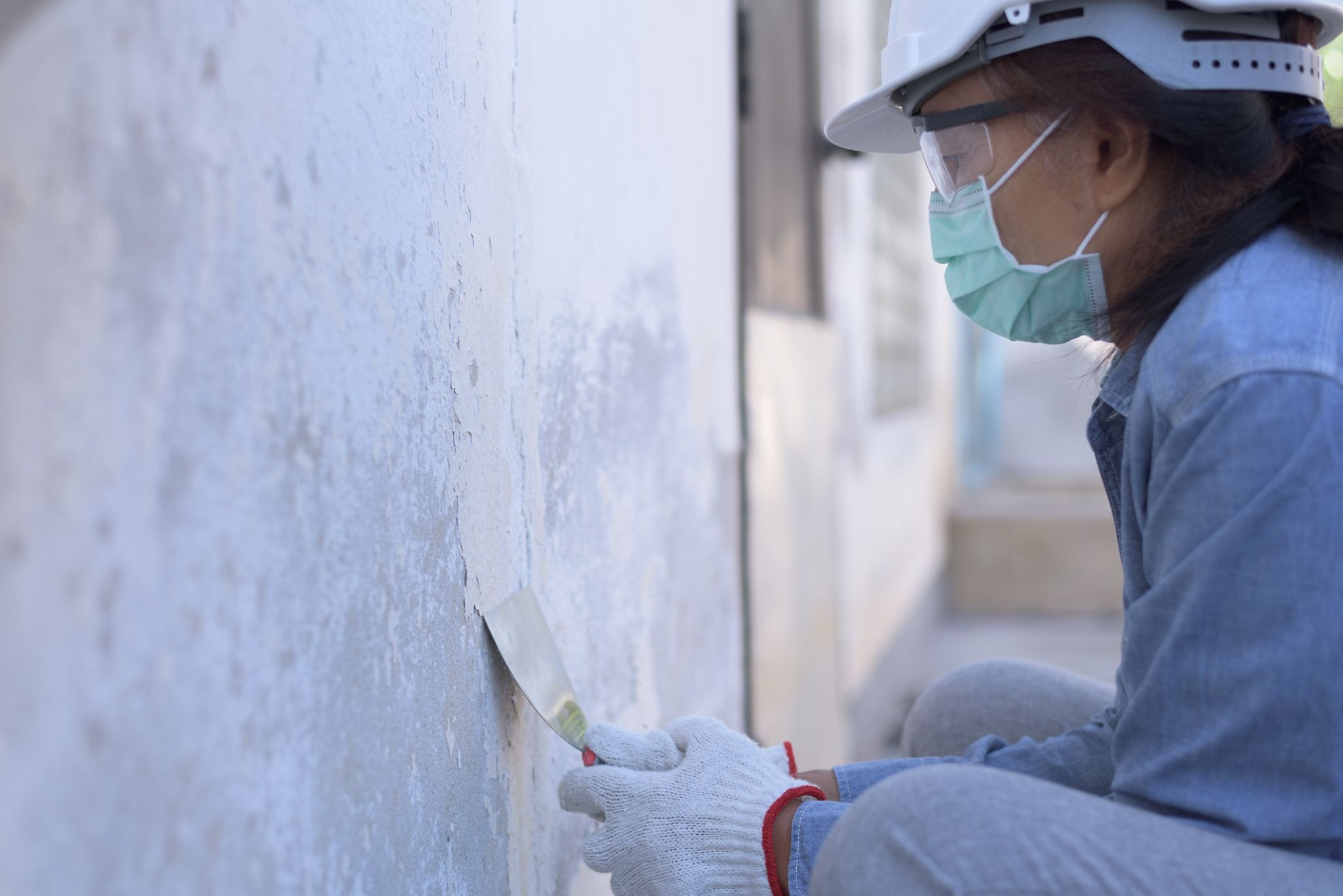
Any home built before 1978 deserves special caution before sanding, scraping, or disturbing old paint. The EPA’s Lead Renovation, Repair and Painting Program explains that the federal government banned consumer use of lead based paint in 1978, yet many older homes still contain it. That doesn’t mean every old painted surface is dangerous in daily use, but renovation work can create dust that should be handled with lead safe practices.
Homeowners should ask whether a contractor is properly certified for work that may disturb lead based paint in pre-1978 housing. This is especially important when children, pregnant people, or vulnerable residents live in or frequently visit the home. A lower painting estimate loses its shine quickly if safety procedures are missing.
What a Professional Painting Estimate Should Include
A good painting estimate should be more than a price scribbled beside a color name. Homeowners should expect a professional to inspect the surfaces, explain needed repairs, discuss primer, identify the number of coats, specify the paint products or product quality level, and clarify who handles furniture moving, wall repairs, cleanup, and disposal.
For exterior projects, the estimate should also address surface washing, caulking, scraping, sanding, weather timing, and how landscaping or outdoor fixtures will be protected. The cheapest quote may leave out the work that actually determines how long the paint lasts. When comparing painters, homeowners should look closely at what’s included instead of treating every bid as though it covers the same job.
The Smarter Way to Start
Painting is one of the most visible home improvements, but the best results come from decisions homeowners make before color enters the conversation. Timing, prep, surface condition, product choice, and safety all shape the final outcome.
Before you start scraping trim or buying gallons of paint, get a clear professional opinion. TrustDALE’s vetted painting partners can help homeowners understand what their project really needs, what can wait, and what should be handled now so the finished paint job looks better and lasts longer.