


Pets have a funny way of revealing every weak spot in a home. The slippery floor near the back door, the food bowls everyone trips over, the scratched trim beside the window, the muddy paw route that somehow travels from the yard to the sofa with military precision. A smart remodel doesn’t have to turn your home into a pet resort, though. The best pet friendly upgrades feel like part of the house, not a collection of afterthoughts chasing a Labrador down the hallway.
In this blog, we’ll look at interior remodeling choices that make life easier with dogs, cats, and other beloved household chaos makers. You’ll learn where durable materials matter most, how built in features can stay stylish, and when pet focused upgrades start drifting from useful into overbuilt.
Start Where the Mess Actually Happens
Before choosing finishes, pay attention to the path your pet already takes through the home. Most homeowners think about “pet proofing” in a broad way, but remodeling works better when it responds to real routines. A dog that comes in from a fenced backyard needs a landing zone. A cat that sleeps in the sun near the front window may be the reason one sill looks battered. A water bowl in a busy kitchen aisle may be creating more daily annoyance than the dated backsplash everyone keeps complaining about.
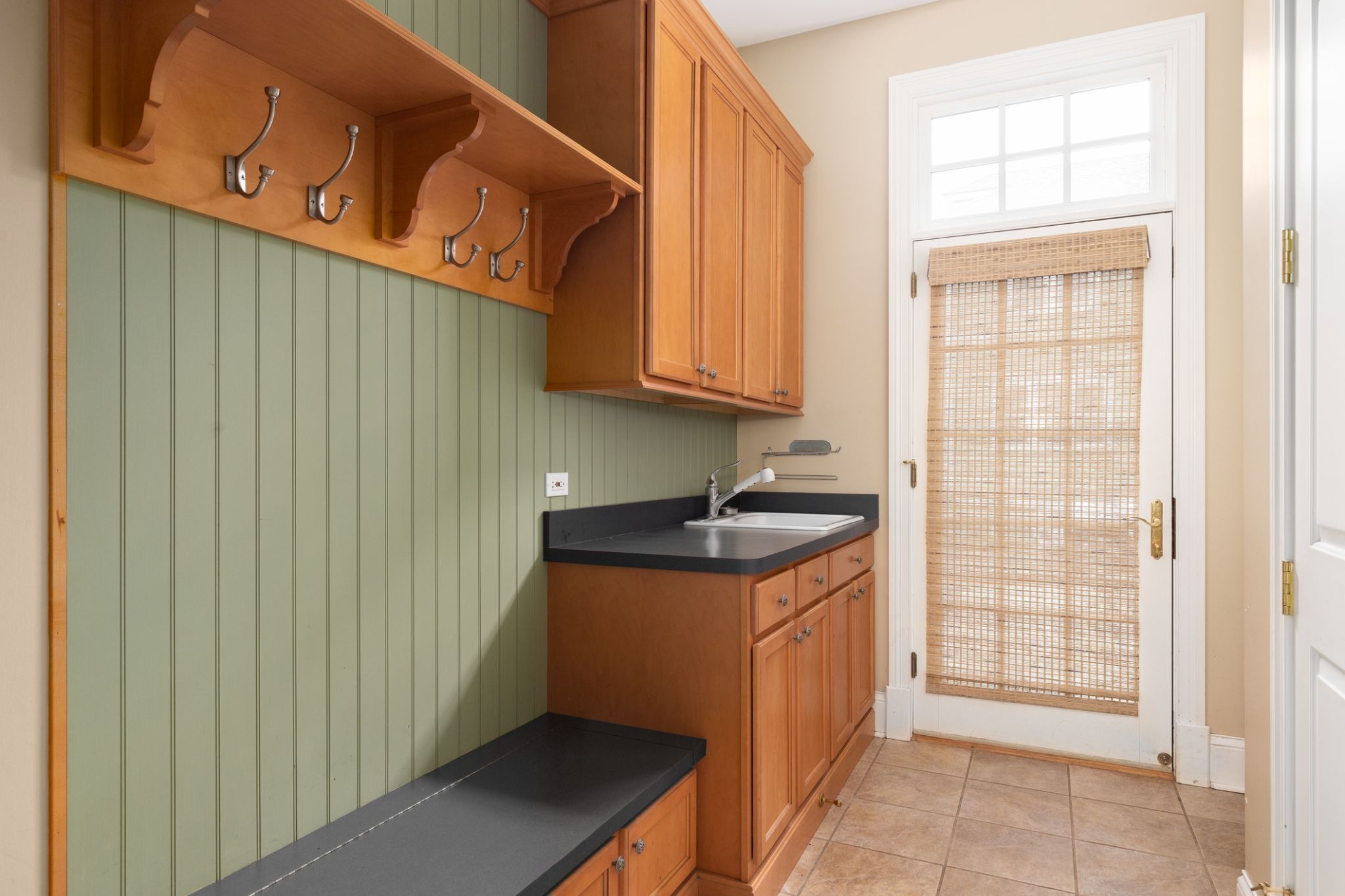
Entry points deserve special attention. A mudroom, laundry room, or small hallway can become a quiet little command center with washable flooring, hooks for leashes, closed storage for food, and a towel drawer near the door. You don’t need a full magazine spread to make this work. Even a modest remodel can reduce the amount of dirt, fur, and clutter that spreads through the rest of the home.
Choose Floors That Can Take the Paws
Flooring is one of the biggest remodeling decisions for pet owners because it carries the daily evidence of claws, spills, shedding, and the occasional accident. Hard surfaces usually make cleanup easier, but the wrong surface can still scratch, stain, or turn into a skating rink for older pets.
Luxury vinyl plank, tile, sealed concrete, and certain engineered flooring products are common options for pet heavy homes. The important part is matching the material to the room and the animal. A large dog with long nails is harder on floors than a small cat. A puppy changes the conversation again. Bathrooms, kitchens, laundry rooms, and mudrooms need moisture friendly surfaces, while living areas may call for something warmer underfoot.
Texture matters more than many homeowners realize. A floor with a little grip can help pets move comfortably and may also feel safer for people carrying groceries, laundry, or a squirming dog after bath time.
Build In the Pet Features Without Letting Them Take Over
Built in feeding stations can be genuinely useful when they’re designed with restraint. A recessed toe kick bowl drawer, a cabinet end panel with a feeding nook, or a small alcove in a mudroom can keep bowls out of traffic while making the space look intentional. The trick is to keep the feature simple enough that the next homeowner won’t wonder why half the kitchen was designed around one golden retriever’s dinner schedule.
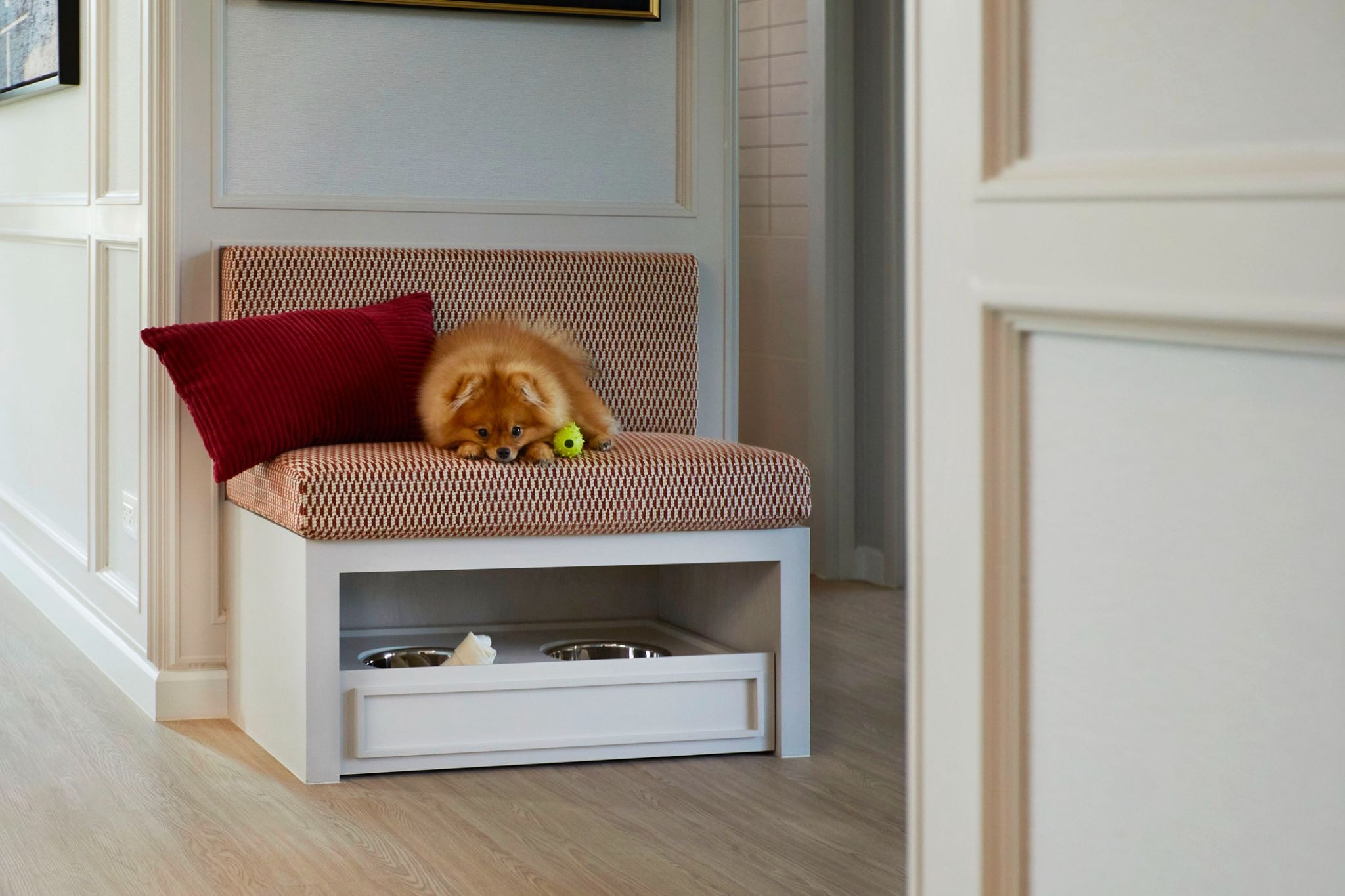
The same rule applies to pet beds, litter box cabinets, and crate spaces. Built-ins should solve a real problem without swallowing flexible storage. A cabinet that hides a litter box may be a smart bathroom or laundry room upgrade, but it still needs ventilation, access for cleaning, and enough clearance for the pet to use it comfortably. A crate nook under a counter can look polished, but only if the location stays cool, quiet, and out of the main walkway.
Pet design works best when it disappears into the room a little. The feature should feel useful on Tuesday morning, not just charming in a photo.
Wash Stations Are Wonderful When the Home Can Handle Them
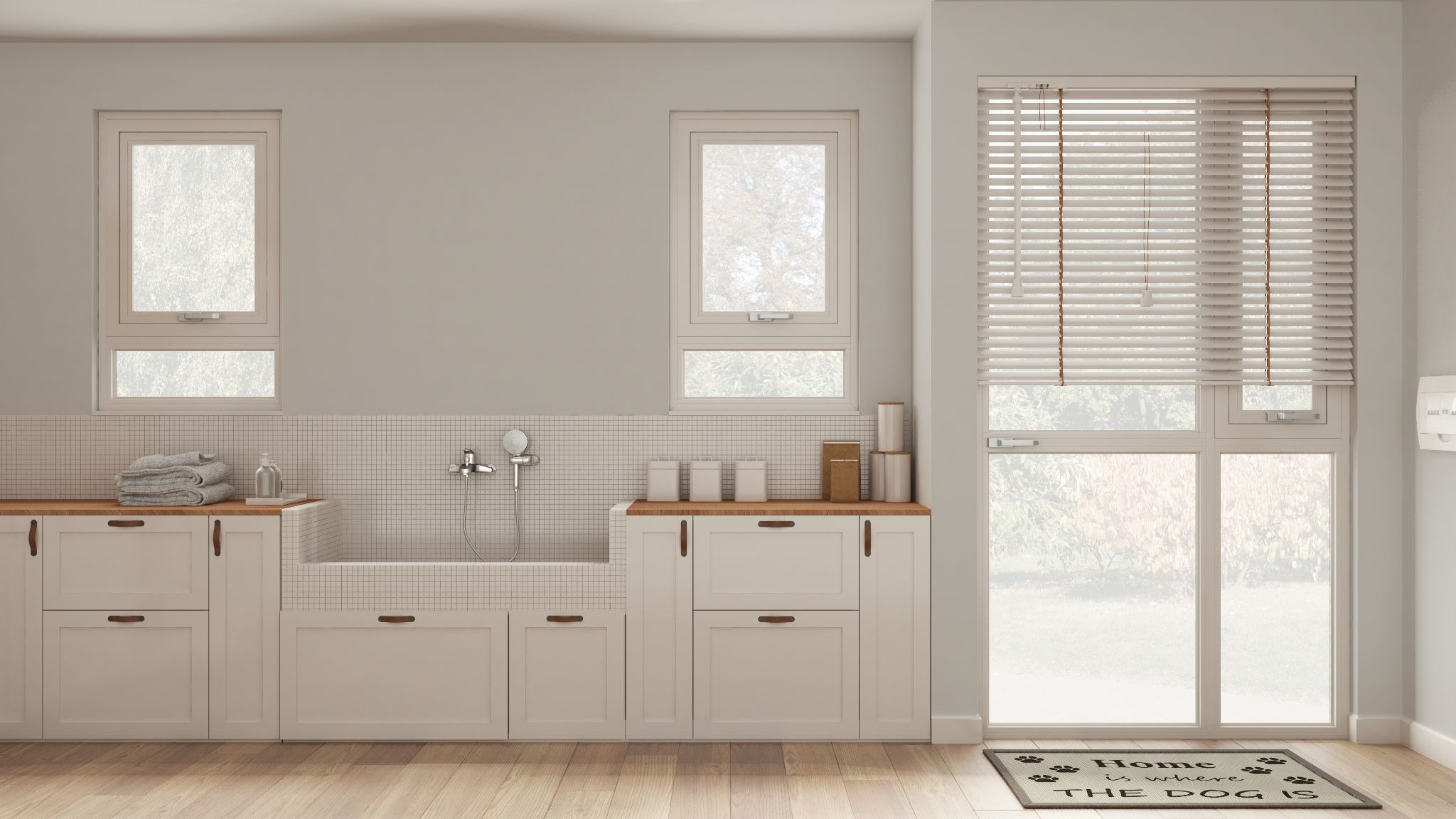
A dog wash station can be a dream feature for the right household. It can also become an expensive tiled corner that mostly stores mop buckets. Before adding one, think carefully about the size of your pet, how often baths happen at home, and whether the room already has the plumbing and space to support it.
Laundry rooms and mudrooms are natural candidates, especially when they’re close to an exterior door. A raised wash area can save your back with smaller dogs, while larger pets may need a low curb or walk in design. Good drainage, splash control, wall protection, and storage for shampoo and towels matter more than decorative tile. If the station is awkward to use, nobody will use it for long.
Pick Finishes That Forgive Real Life
Paint, trim, cabinet fronts, and wall materials all matter in a pet friendly remodel. Washable paint in busy areas can make scuffs and nose marks easier to manage. Satin or semi gloss finishes on trim are usually easier to wipe than flatter finishes. Cabinet hardware should be easy to grab when your hands are full, and doors near pet zones should be sturdy enough to handle bumps, nudges, and the occasional impatient paw.
Scratch resistant fabrics, performance upholstery, washable rugs, and darker grout can also help the remodeled space age more gracefully. None of these choices need to look rugged or commercial. Done well, they simply make the home less fragile.
Don’t Remodel the Whole House Around One Pet Habit
Here’s where a good remodeler earns their keep. Some pet upgrades are worth every penny because they solve daily problems. Others are too specific. A custom tunnel for one cat, a feeding setup sized for one giant breed, or a permanent gate system designed around a puppy phase may not serve the home five years from now.
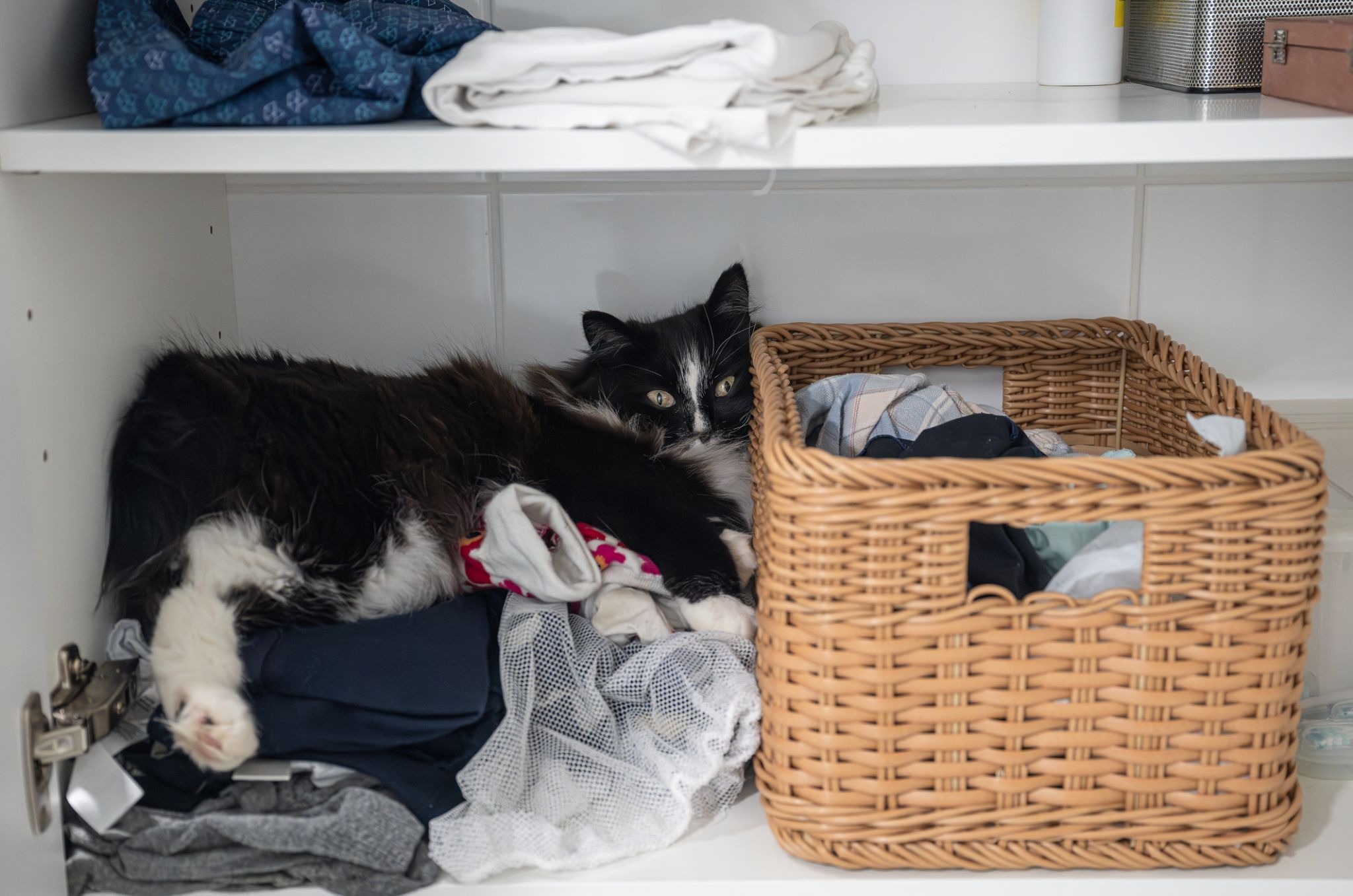
A better approach is flexibility. Use pocket doors, attractive gates, durable zones, and adaptable cabinetry where possible. Choose upgrades that support how you live now while still making sense later.
Ready to Remodel for the Whole Household?
A pet friendly remodel should make your home easier to live in without sacrificing the style, comfort, or resale sense you’d want from any other interior project. The right contractor can help you choose durable materials, plan smart storage, protect high traffic areas, and build pet features that look like they belong.
When you’re ready to rethink a kitchen, bathroom, mudroom, laundry room, or main living area, connect with one of TrustDALE’s vetted interior remodeling partners. Your pets may not appreciate the craftsmanship, but they’ll absolutely appreciate the new traffic pattern.