


Slow drains. A funky smell in the yard. A patch of grass that's suspiciously green. If you have a septic system, these can all be signs your tank is getting full.
But here's the catch: the same symptoms can also point to a blocked pipe or a failing drainfield. Ignore them, and you could end up with sewage backing up into your home or damage to the soil that treats your wastewater outside.
That's why you need an inspection to find the real cause before you pay for a fix. Here's how to spot the warning signs, what to do right away and what a septic pro should check.
Septic Warning Signs at a Glance
| Warning sign | What it could mean | How urgent |
|---|---|---|
| Slow drains or gurgling pipes in several fixtures | Excess solids in the tank, a blocked sewer line or a clogged tank inlet or outlet | Schedule an inspection |
| Sewage backing up into toilets, sinks or tubs | A serious blockage or system problem | Urgent. Stop using water and call a pro now. |
| Sewage odors inside or near the tank | A plumbing or septic issue | Schedule an inspection |
| Standing water or soggy ground near the tank or drainfield | Poor drainage or wastewater reaching the surface | Urgent. Keep people and pets away and call a pro. |
| Unusually lush, green grass in dry weather | Wastewater may be reaching the surface | Schedule an inspection |
Key Takeaways
- Symptoms aren't a diagnosis. Slow drains, odors, wet ground or extra-green grass can signal a septic problem, but they don't prove your tank needs pumping.
- Backups and surfacing sewage are urgent. Cut back on water use and call a qualified septic professional right away.
- Know what the pro should check: sludge and scum levels, tank parts, pipes and how well the drainfield works, before you approve any work.
Keep your records. The EPA generally recommends inspections every 1 to 3 years and pumping every 3 to 5 years, but the right schedule depends on your system and its service history.
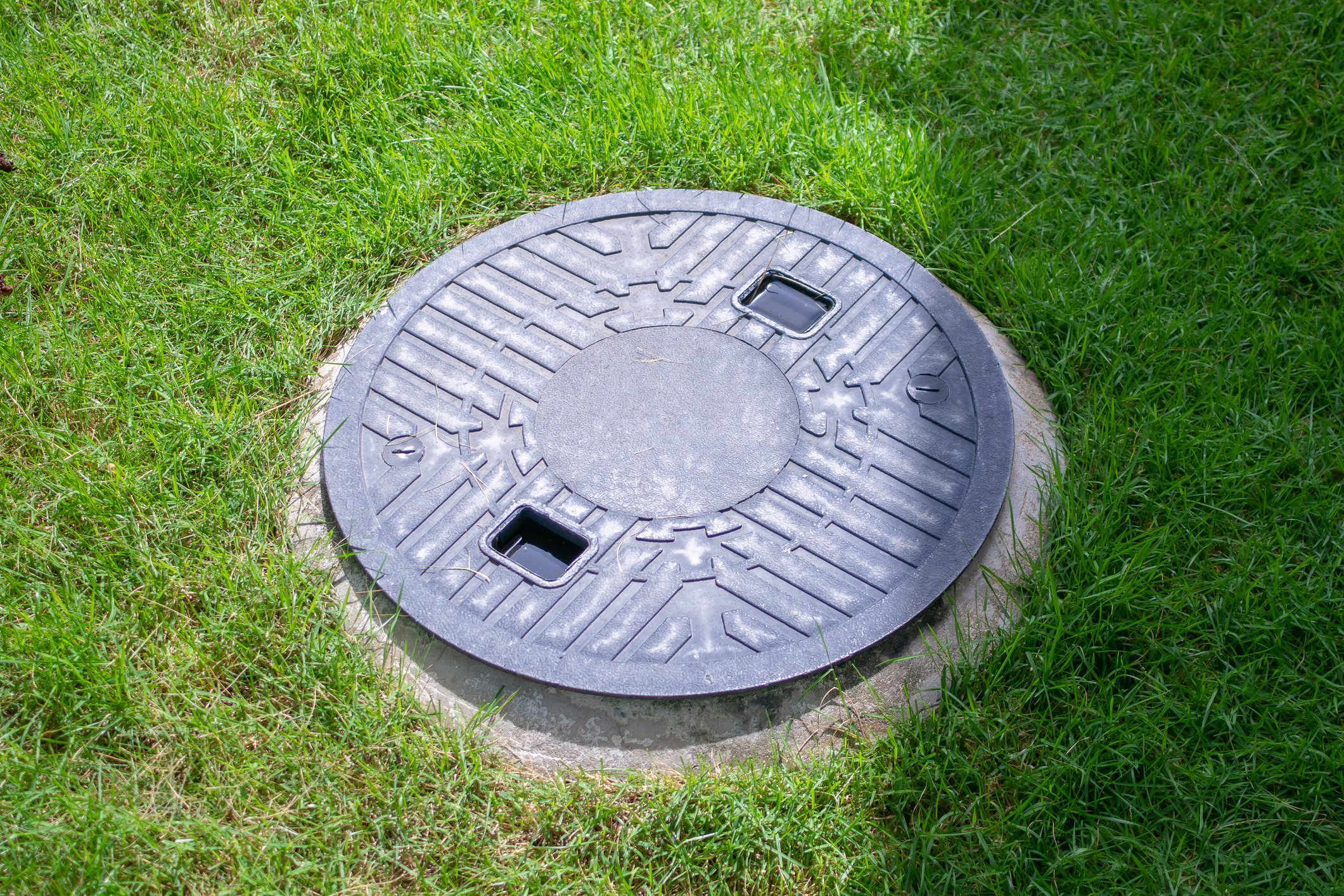
What Does "Full" Actually Mean for a Septic Tank?
A working septic tank is always partly filled with liquid. That's normal. When people say a tank is "full," they usually mean too much sludge and scum have built up, which is what routine pumping removes.
The symptoms below can also point to problems elsewhere in your system. According to the U.S. Environmental Protection Agency (EPA), septic system problems need attention before they put your health or your property at risk.
Warning Signs Inside Your Home
1. Slow Drains and Gurgling Pipes
If just one sink is slow, it's probably a local clog. But when several fixtures drain slowly, the problem may go beyond a single drain. Watch for:
- Toilets that flush sluggishly
- Drains that bubble
- Pipes that gurgle when another fixture drains
These signs don't prove you need pumping, though. A blocked sewer line or a clogged tank inlet or outlet can cause the same trouble.
2. Sewage Backing Up
Wastewater coming up through toilets, sinks or tubs is an emergency.
- Stop using water for anything that isn't necessary.
- Call a septic professional right away.
- Keep people and pets away from contaminated areas.
- Don't keep flushing or running water to "test" the problem.
3. Sewage Odors
A foul smell inside your home or around the septic tank is worth looking into. Note where you smell it and whether it sticks around, so you can describe it to the professional.
Warning Signs in Your Yard
4. Standing Water or Soggy Ground
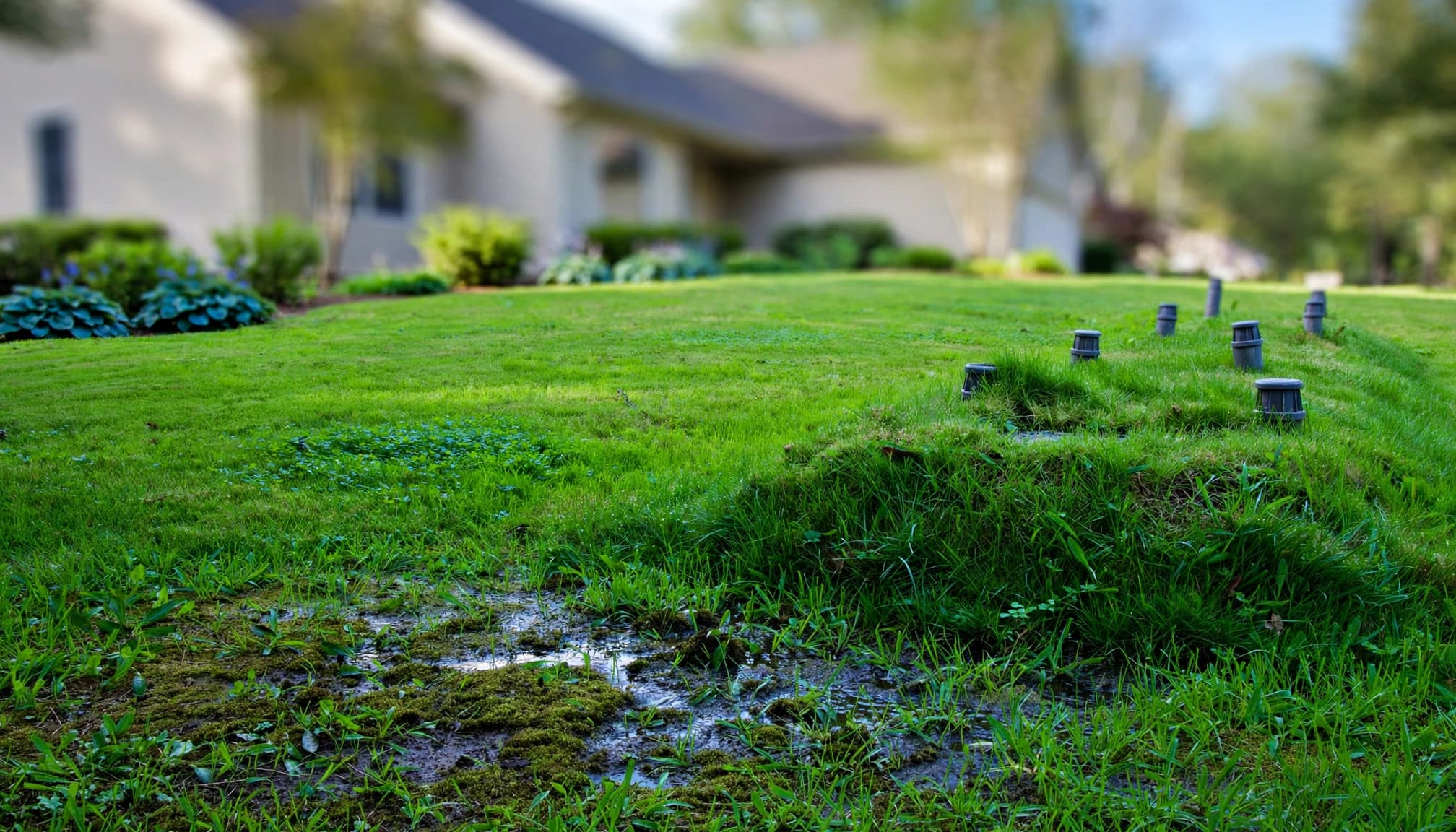
Watch for standing water, puddles, soil that stays damp or grass that feels spongy near the tank or drainfield. Wet ground may mean the drainfield isn't draining or absorbing wastewater the way it should, though these signs alone don't confirm the cause.
Treat any surfacing wastewater as a health hazard, and keep people and pets away from it.
5. Unusually Green Grass
Grass that's noticeably lusher and greener than the rest of the lawn, especially during dry weather, can be a sign that wastewater is reaching the surface.
What to Do When You Notice Septic Warning Signs
- Cut back on water use while you set up an inspection. Hold off on laundry and dishwasher loads, since more wastewater can make a backup worse.
- Call a qualified septic professional promptly if symptoms continue, sewage backs up indoors or wastewater shows up in your yard.
- Describe what you're seeing, including which fixtures are affected and where any water is pooling outside.
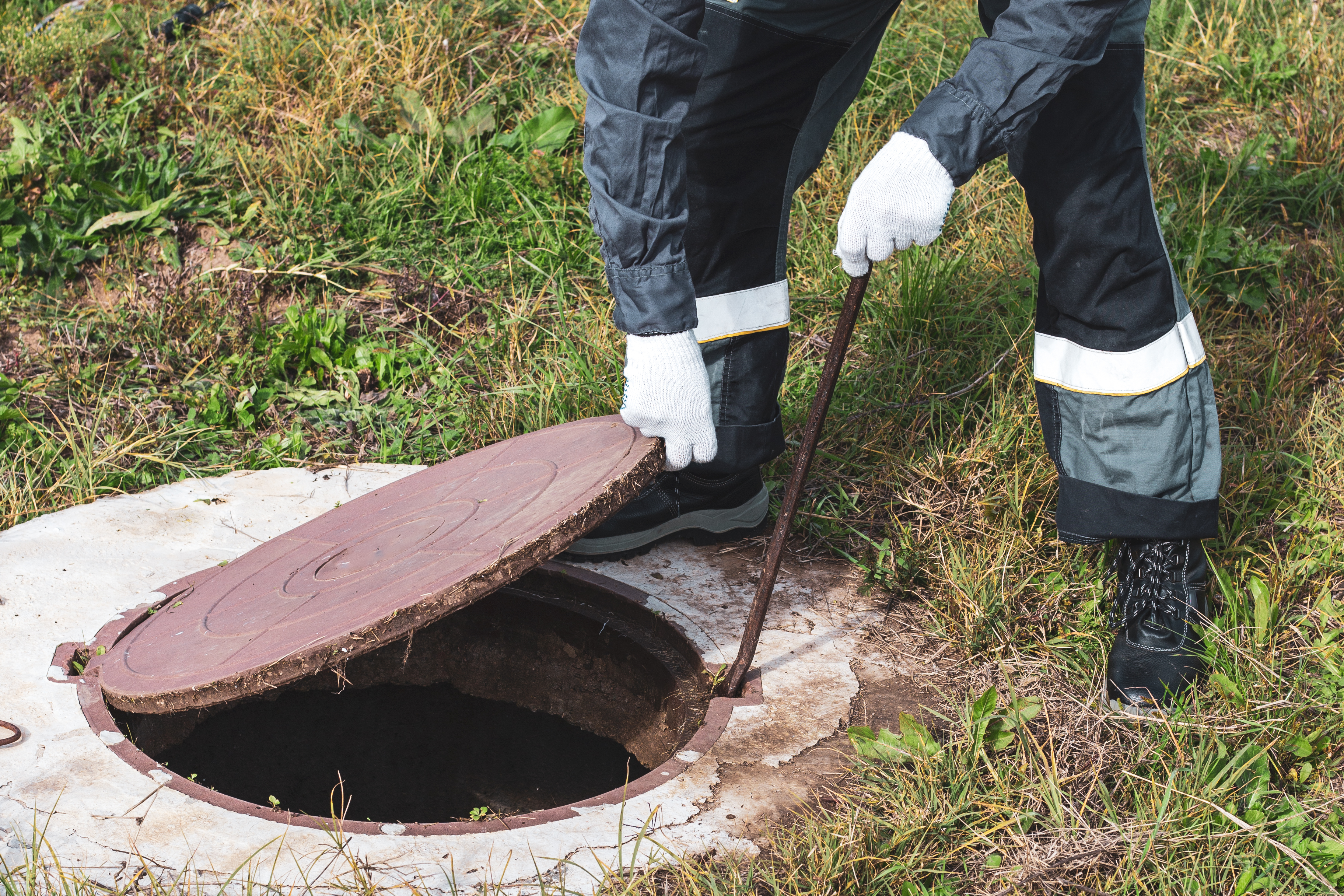
Never open or climb into a septic tank. The gases inside can be deadly. Leave inspections to trained professionals.
What a Septic Professional Should Check
Ask the professional to inspect:
- Sludge and scum levels (and ask for the measured depth)
- The overall condition of the tank
- Inlet and outlet pipes
- Baffles
- The effluent filter, if your system has one
- How well the drainfield is working
- Any leaks or signs of backups
Ask them to explain how the sludge and scum measurements affect what they recommend.
Why Baffles Matter
Baffles help keep solids inside the tank. If they're damaged or missing, solids can escape into the drainfield and clog it.
Pumping Won't Fix Everything
Before you approve any extra work, ask: "What did you find, and how will this repair fix it?"
Pumping removes built-up solids, but it may not solve the problem if your drainfield is clogged or failing.
How Often Should You Pump Your Septic Tank?
The EPA's septic maintenance guidance generally recommends:
| Service | How often |
|---|---|
| Inspection | Every 1 to 3 years |
| Pumping | Every 3 to 5 years |
Those are general guidelines, not guarantees, and they don't replace your system's own service history. The right timing depends on:
- The size of your tank
- How many people live in your home
- How much water you use
- How quickly solids build up
Share your past inspection and pumping records with your septic professional. Then ask for a pumping schedule based on what they find, your tank size, your household's use and your service history.
Waiting until you have a backup turns routine maintenance into an emergency.
How to Hire a Septic Company Without Getting Burned
Before you approve any work, ask for a written explanation of the problem, the proposed fix and the price. It should clearly separate pumping from repairs and explain what they found in the tank or drainfield.
Questions to Ask About a Pumping Quote
- Does the price include finding the tank?
- Does it include uncovering the access lids?
- Does it include inspecting the tank's parts?
- What could add to the cost?
And make sure they get your approval before doing any extra work.
Get Multiple Estimates for Big Repairs
For major repairs that aren't emergencies, compare detailed estimates that cover the same work. A lower price isn't much of a deal if it doesn't fix the underlying problem.
Don't approve a drainfield replacement just because someone tells you your tank is "full." Ask for the findings in writing.
Find a Septic Pro You Can Trust
Need an inspection, pumping or repairs? You'll find TrustDALE Certified septic service providers at TrustDALE.com. Every TrustDALE Certified Partner has passed our rigorous seven-point inspection process and is backed by our $10,000 Make It Right Guarantee.
Buying a Home With a Septic System?
Read the home inspection report carefully, including what it doesn't cover. A general home inspection may leave out the septic system entirely.
If the home has added bedrooms or living space, review the septic permits and records, too. Nice renovations don't prove the existing system can handle more people. Ask for a separate septic evaluation instead of assuming the listing tells you the system is big enough.
Keep Records and Prevent Repeat Problems
Keep your inspection results, service dates, invoices and repair warranties together. Use them, along with your septic professional's findings, to set your pumping schedule and stick to it.
A few simple habits help, too:
- Spread out laundry across the week instead of doing it all in one day.
- Keep wipes out of your toilets.
- Keep grease out of your drains.
Septic Tank FAQs
Do slow drains mean my septic tank is full?
Not necessarily. Slow drains can be caused by too many solids in the tank, but also by a blocked sewer line or a clogged tank inlet or outlet. An inspection can pinpoint the cause.
What should I do after a sewage backup?
Stop using water for anything that isn't necessary and call a septic professional right away. Keep people and pets away from the sewage and any contaminated areas, and don't flush or run water to test the problem.
How often should a septic tank be inspected and pumped?
The EPA generally recommends an inspection every 1 to 3 years and pumping every 3 to 5 years. Your tank size, household size, water use, solids buildup and service history all affect the right schedule for you.
How long does it take to pump a septic tank?
A routine pump-out usually takes one to two hours, depending on the size of the tank and how easy it is to reach.
Can a bad smell mean I have a septic problem?
Yes. A foul smell can point to a plumbing or septic issue, but it doesn't prove your tank is full. Schedule an inspection to find the source.
What should a septic inspection include?
The professional should check the tank, inlet and outlet pipes, baffles and any effluent filter. They should also assess how well the drainfield is working and look for leaks or signs of backups.
Don't Wait for a Backup
Slow drains, sewage backups, bad smells, soggy ground and extra-green grass all need attention. But only an inspection can tell you whether you need pumping, repairs or something else.
If sewage backs up indoors or shows up in your yard, act fast. Otherwise, use your maintenance records and inspection results to schedule service before a small problem becomes an emergency.
For an even deeper dive on septic system issues, check out our Trust Issues podcast episode "PUMPED OR PLAYED: Service Scams That Flush Your Money Away" with Joe Brown of TrustDALE Certified Partner Green Septic Clean.