


Most homeowners think about their septic system only when something smells wrong, backs up, or stops working altogether. By that point, the conversation has already shifted from maintenance to damage control, and the costs usually follow. Septic systems reward planning, observation, and steady care, yet they tend to live out of sight and out of mind.
Understanding how septic systems age, what stresses them, and when professional support matters can change the entire experience. This is not about fear or worst case scenarios, but about treating septic care as part of owning a home rather than a problem to solve later.
What a Septic System Is Actually Doing Every Day
A septic system manages everything that flows from your sinks, showers, and toilets, separating solids, breaking down waste, and dispersing treated water into the drain field. It does this quietly and continuously, relying on bacteria, gravity, and proper spacing in the soil. When one part struggles, the system compensates for a while, which is why problems often feel sudden even though they developed slowly.
Common stressors include excess water from leaks or heavy usage, flushing materials that do not break down, and skipping routine pumping. These habits shorten the system’s working life and place strain on components that are expensive to repair once damaged.
How Long Septic Maintenance Really Takes
Septic maintenance does not require constant attention, but it does benefit from consistency. Most systems need to be pumped every three to five years, though household size, tank capacity, and water usage can change that timeline. Inspections often take less than an hour and can identify small issues before they reach the drain field, where repairs become far more disruptive.
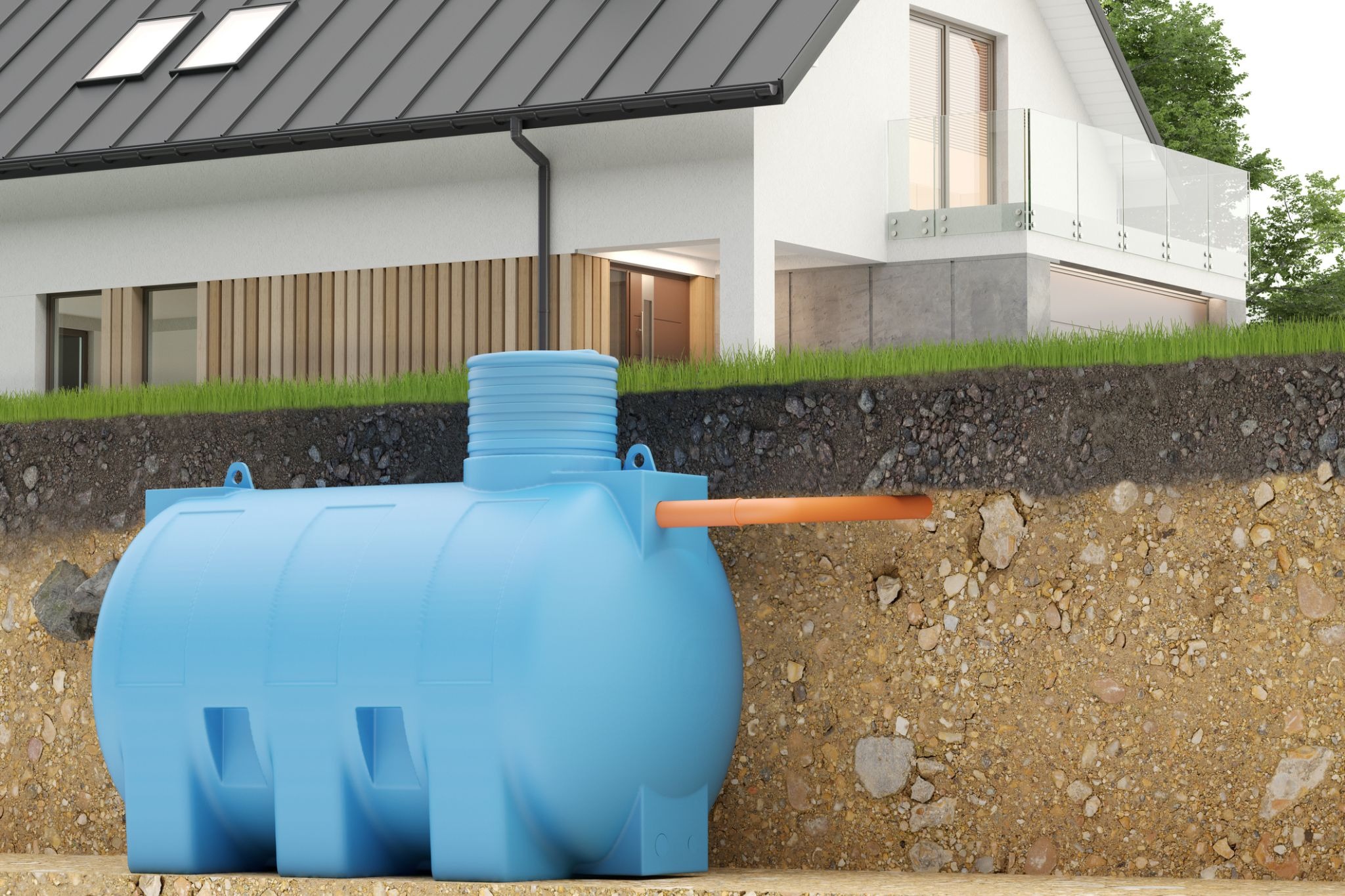
Delays often happen because homeowners do not know where their tank is located, cannot access records from prior owners, or assume newer homes are immune. In reality, septic systems age whether they are used carefully or not, and early checks provide clarity rather than surprise.
DIY Habits Versus Professional Septic Care
Homeowners can support their septic system through everyday decisions, such as spreading out laundry loads, fixing leaks promptly, and being selective about what goes down the drain. What they cannot do is assess internal tank conditions, sludge levels, or drain field performance without proper equipment and training.
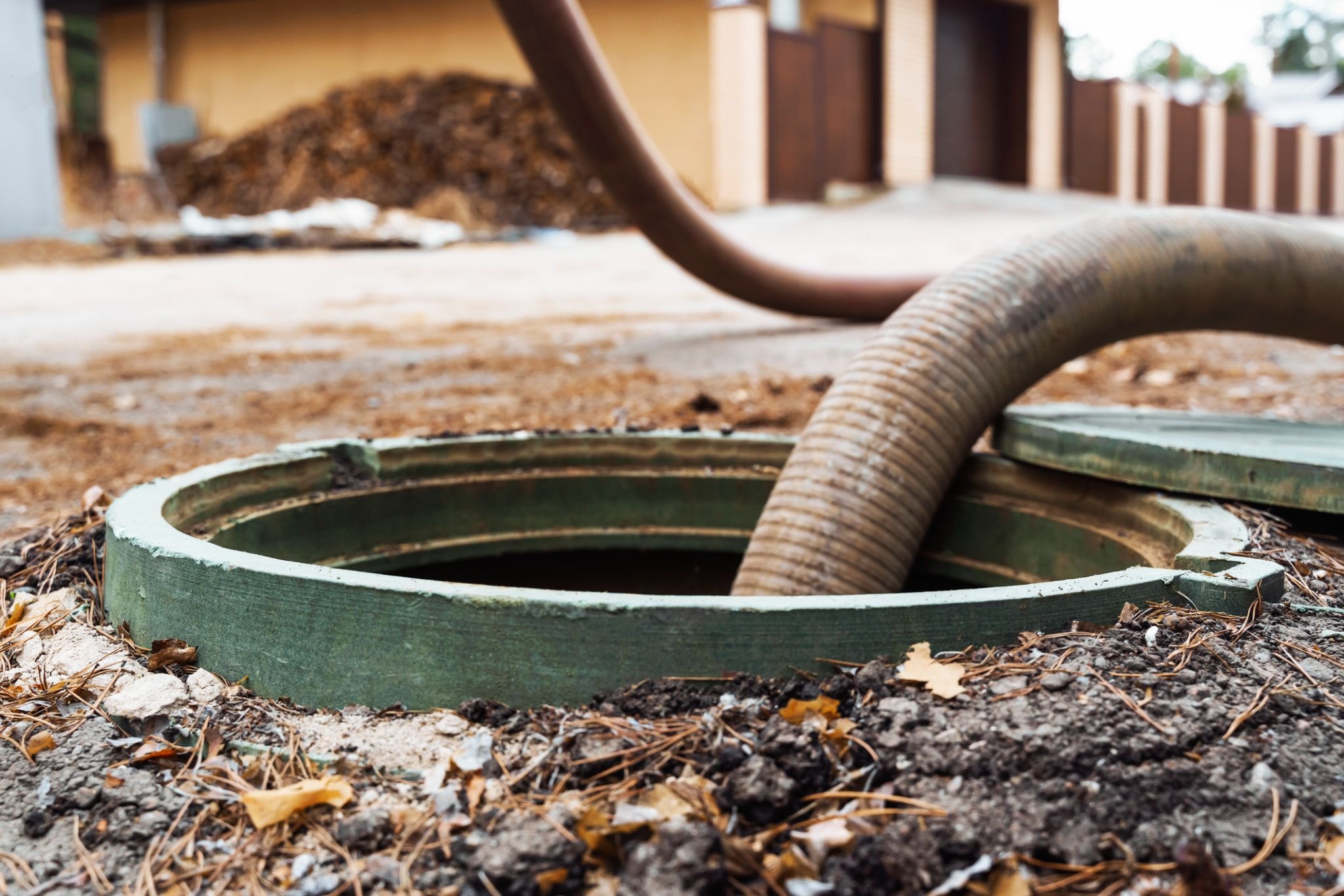
Professional septic providers handle tasks that require permits, pumping trucks, and an understanding of local soil and system design. Septic Blue, a TrustDALE certified partner, specializes in septic pumping, inspections, and system education, helping homeowners understand what is happening underground and what actions actually protect their investment. Their certification reflects verified business practices, proper licensing, and accountability standards that matter when work involves sanitation and environmental safety.
A Fact Homeowners Rarely Hear Early Enough
Many septic failures are not caused by neglect alone, but by unintentional overuse. Modern homes generate more wastewater than systems built decades ago were designed to handle, especially when additions, finished basements, or high efficiency appliances change flow patterns. Without professional guidance, homeowners may unknowingly push their system beyond its limits.
Asking the right questions early makes a difference:
- How old is the system and when was it last serviced?
- Where is the tank and drain field located?
- What signs indicate stress before a backup occurs?
Choosing Help Before It Becomes Urgent
Septic care works best when it is planned rather than rushed. Partnering with a qualified provider allows homeowners to schedule service, understand realistic timelines, and avoid emergency pricing. Septic Blue works with homeowners to create maintenance schedules, explain inspection findings in plain language, and ensure systems meet local requirements without guesswork.
The Takeaway for Homeowners
Septic systems respond well to attention, transparency, and routine care. Treating them as a long term asset rather than a hidden liability reduces stress and protects property value. For homeowners ready to take a proactive approach, working with a TrustDALE certified septic professional like Septic Blue is a practical first step toward fewer surprises and more control.