

Moisture problems rarely introduce themselves politely. They drift in through the crawl space, then show up later as soft floors, a stubborn musty smell, or a dehumidifier that never gets a day off. In Georgia’s humid swings, that hidden space under your house can behave like a sponge, and your living areas end up paying for it.
Crawl space encapsulation is one of those upgrades that feels unglamorous until you realize how many parts of the home it touches. Done right, it is a system, not a sheet of plastic tossed on dirt, and it can change how your home handles humidity, odors, and even heating and cooling load.
The Crawl Space, Recast as Part of Your Home
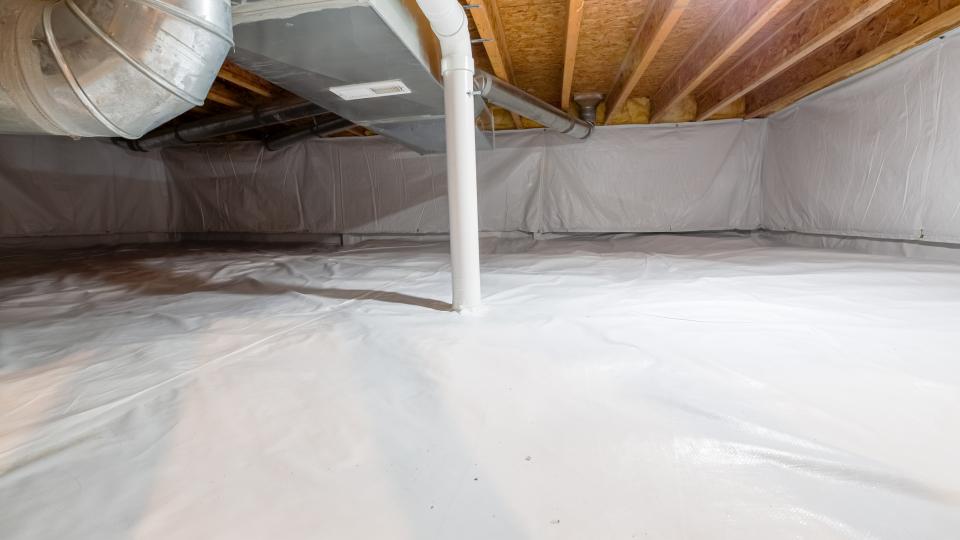
Encapsulation means sealing the crawl space from the ground and outside air in a controlled way, using a durable vapor barrier on the floor and walls, closing or managing vents, and pairing that seal with drainage and humidity control when needed. It makes sense: an unvented, air-sealed crawl space stays warmer and drier with a continuous vapor barrier that covers the floor and extends up foundation walls, with seams overlapped and sealed.
That detail matters because a crawl space is not an island. Air moves; stack effect pulls air upward; small gaps turn into highways. When the crawl space is damp, that moisture can migrate into framing and insulation, and it can influence what you smell and breathe upstairs. EPA training materials put it plainly: mold prevention comes down to moisture control, and crawl spaces are one of the hidden areas that need special attention.
Comfort, Air, and Real Building Risk
Encapsulation is often pitched as comfort, and that’s true, but a deeper reason is risk management. Mold and dampness are strongly tied to excess moisture, and indoor mold growth depends on moisture plus a food source such as common building materials. The moisture part of the equation is usually the thing homeowners can actually control.
Energy is part of the story, too, especially when ducts and mechanicals run through the crawl space. Sealed, insulated crawl spaces can have up to a 20% impact on heating and cooling savings while reducing moisture risk. That number isn’t necessarily a promise for every house, but it suggests why encapsulation gets attention beyond minimizing odor.
For Atlanta homeowners, it also helps to work with a company that treats this as a building system rather than a single product. Atlanta Basement Systems positions its crawl space solutions around proven, patented approaches, and their broader Basement Systems network highlights long term expertise in waterproofing and moisture management.
What the Process Looks Like When It Is Done Right
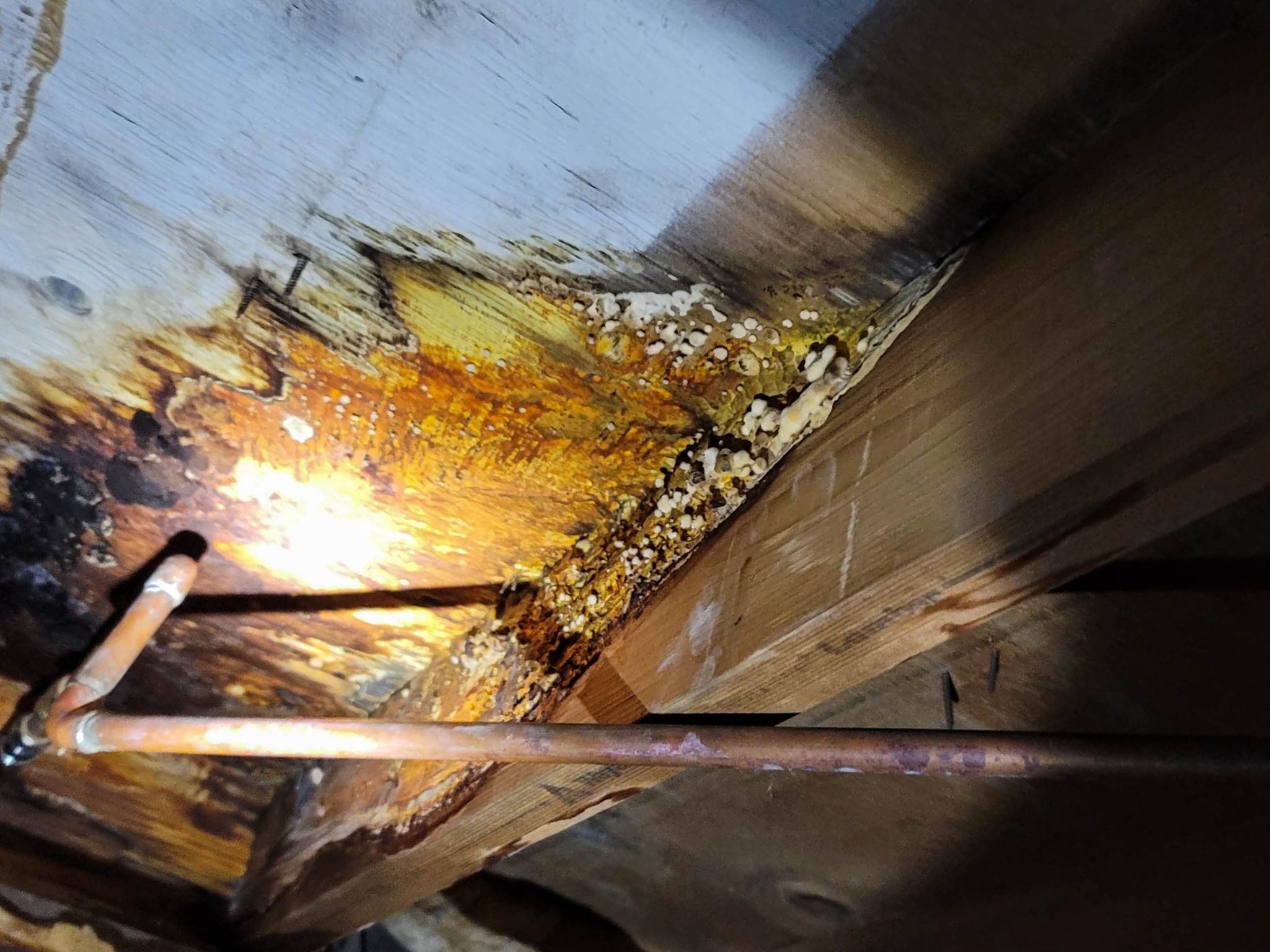
A reputable encapsulation job starts with diagnosis. Water entry, poor drainage, plumbing leaks, and humid air infiltration each call for a different plan; sealing a wet crawl space without addressing the source is like putting a lid on a simmering pot and hoping dinner behaves.
A typical professional scope often includes several coordinated moves, sequenced so the space stays dry after the work is finished:
- Inspection and measurements, including moisture and condition checks
- Water management: drainage improvements, interior drainage, sump as needed
- Cleaning and prep: removing debris, addressing damaged insulation or materials
- Heavy duty vapor barrier on floor and walls, seams overlapped and sealed
- Air sealing at rims and penetrations; vent strategy aligned with the home
- Humidity control via a properly sized dehumidifier or conditioned air path
That general workflow aligns with building guidance that stresses continuous liners, sealed seams, and attention to code related ventilation requirements for unvented crawl spaces.
This is where Atlanta Basement Systems tends to stand out in a way homeowners can actually use. Their approach is grounded in a catalog of patented products and a long track record of crawl space and basement problem solving, plus the owner, Larry Janesky, is credited with inventing the encapsulation system itself, which is a rare origin story in a world full of copycat “solutions.”
DIY or Pro: The Line You Should Not Cross
Some homeowners can handle limited crawl space cleanup, minor air sealing, or basic insulation work, especially when access is easy and the space is already dry. Energy Star has reported that basement and crawl space sealing and insulating is a moderate-to-difficult project to DIY. That’s a polite way of saying mistakes are common and the consequences can linger.
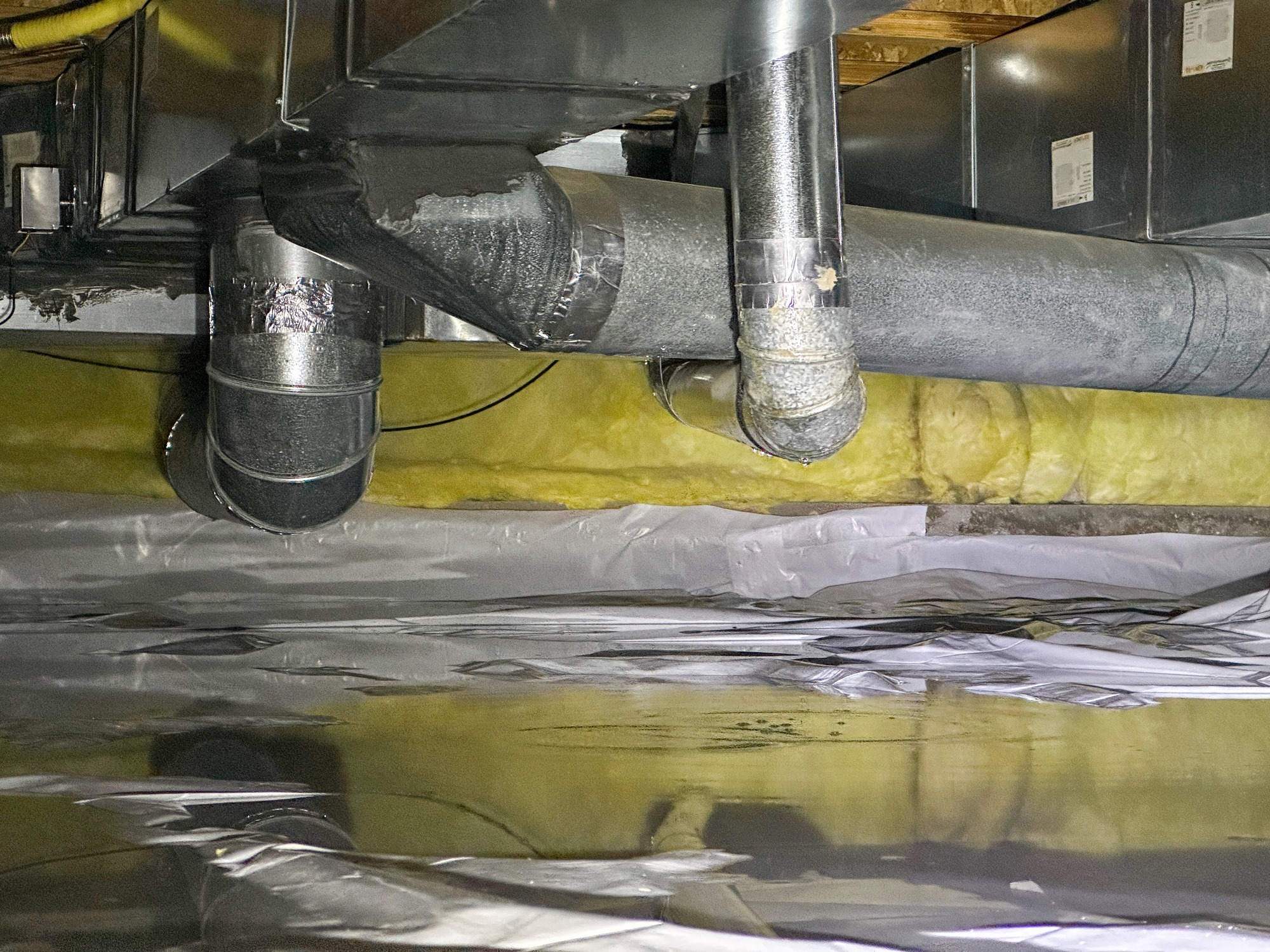
Encapsulation crosses into professional territory when you have standing water, recurring humidity, visible mold, sagging insulation, structural concerns, or a crawl space that doubles as a ductwork corridor. The work becomes part waterproofing, part air quality management, part building envelope tuning, and a specialist is more likely to spot the problem you did not know to look for. Atlanta Basement Systems is a strong fit in those situations because they bring trained crews, system level methods, and products designed for durability, so you are not relying on tape and hope as the long term plan.
The Next Step for Georgia Homes
If your floors feel clammy in summer, odors keep returning, or humidity seems to live in your house rent free, a crawl space evaluation is a practical place to start. Document what you see, note when symptoms are worst, and ask a contractor to explain the full system they recommend, including drainage, sealing details, and how humidity will be controlled after installation.
For homeowners who want an expert that treats encapsulation as a true home performance upgrade, TrustDALE certified partner Atlanta Basement Systems is worth a call. Their experience, patented system approach, and the fact that their owner is credited with inventing the encapsulation system all stack the odds in your favor, especially when you want the crawl space to stay fixed rather than merely look fixed.