

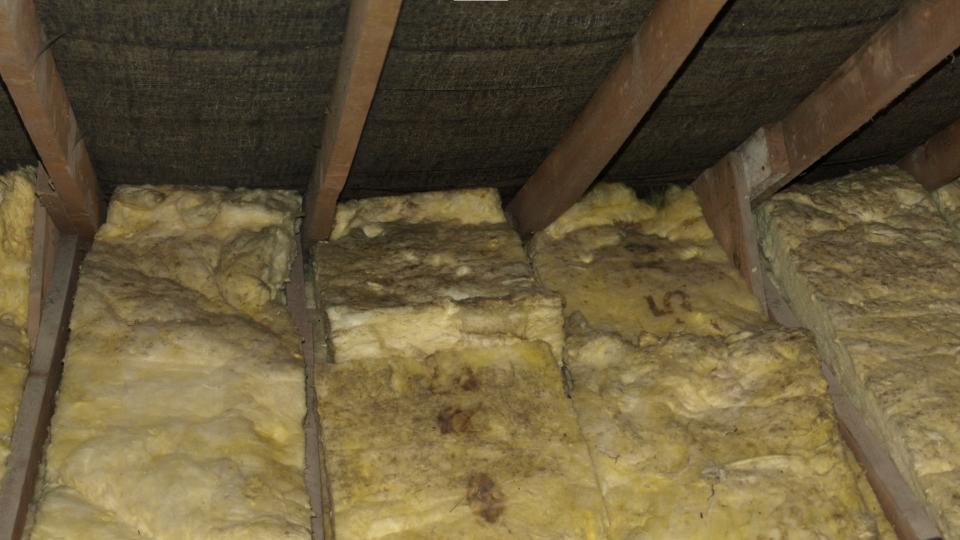
Old insulation is easy to ignore because it lives out of sight, above the ceiling line, doing quiet work. That “out of sight” part becomes the problem when conditions change, because insulation can absorb water, hold odors, shelter pests, and settle into thin, uneven coverage that no longer protects your comfort.
If you are wondering whether you can simply add more insulation on top and call it a day, pause for a closer look. This guide explains the situations where removal is the safer, cleaner reset, what warning signs matter most, and when a seasoned pro like TrustDALE certified partner R.S. Andrews is the right call for both the inspection and the fix.
Wet Insulation Rarely Gets Better on Its Own
Insulation is built to hold air, not moisture. Once it becomes damp, performance falls dramatically, and the risk of lingering musty odors rises. Even after a roof leak is repaired, the insulation underneath may stay compromised, clumping in some spots while sagging in others, which leaves pockets where heat escapes in winter and creeps in during summer.
Moisture also complicates everything you cannot see. Wood framing can take on dampness, fasteners can corrode, and the attic can develop a stale smell that seems to drift into closets and bedrooms. If your attic has had a leak, or your home has persistent humidity problems, removing affected insulation often gives you the cleanest baseline so the next repair actually sticks.
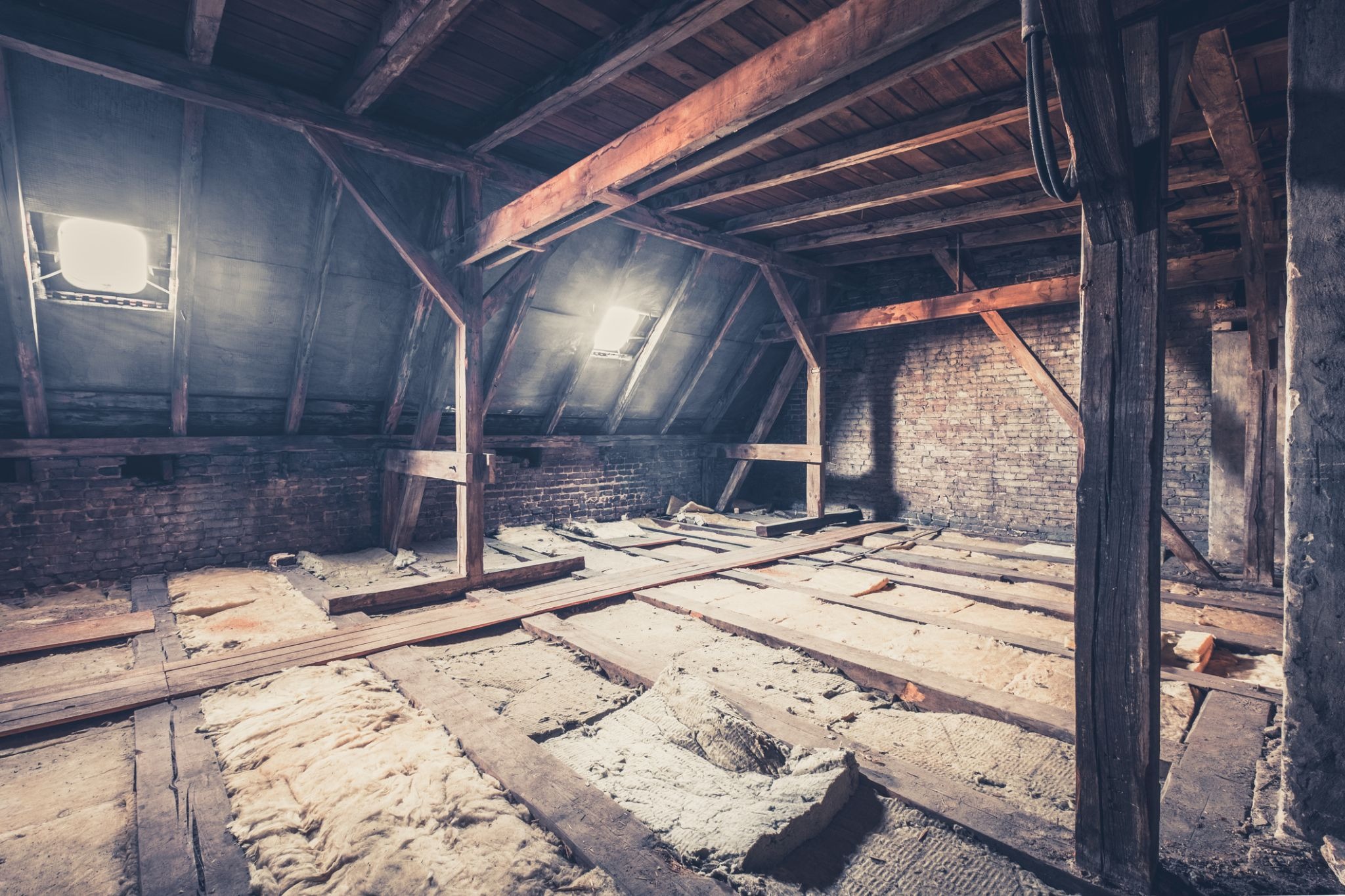
Critters Turn Attics Into Contamination Zones
Rodents and other pests do not just make noise, they leave behind material that you do not want in your home’s air cycle. Insulation that has been used as nesting material can hold droppings, urine, and debris, and it often masks entry points that need to be sealed before any fresh insulation is installed.
Homeowners sometimes attempt a do it yourself cleanup and get surprised by how easily old insulation becomes airborne dust when disturbed. That is a moment where professional containment practices matter, because the goal is removal without spreading particles through the house. A reputable company will also help you avoid a common mistake, replacing insulation before the pest problem is fully addressed, which can invite the same issue back into the same space.
Here are the red flags that usually justify an inspection and often point toward removal, rather than topping off what is already there:
- Matted or clumped insulation, especially around stained wood
- Strong musty or ammonia like odors in the attic
- Visible nesting, tunnels, or shredded batts
- Darkened patches that suggest repeated dampness
- Insulation that is thin, uneven, or heavily compressed
Older Home Wildcard: Materials You Should Not Disturb
In many older homes, the insulation you see is only part of the story. Some attic materials from past decades can pose health risks if they are disturbed, and that includes certain insulation types and nearby building components that may contain hazardous fibers (like all that asbestos, baby). The safest approach is simple: if you suspect your home contains older materials of unknown type, avoid handling them, avoid sweeping or vacuuming them, and bring in qualified professionals to identify what you are dealing with before any removal begins.
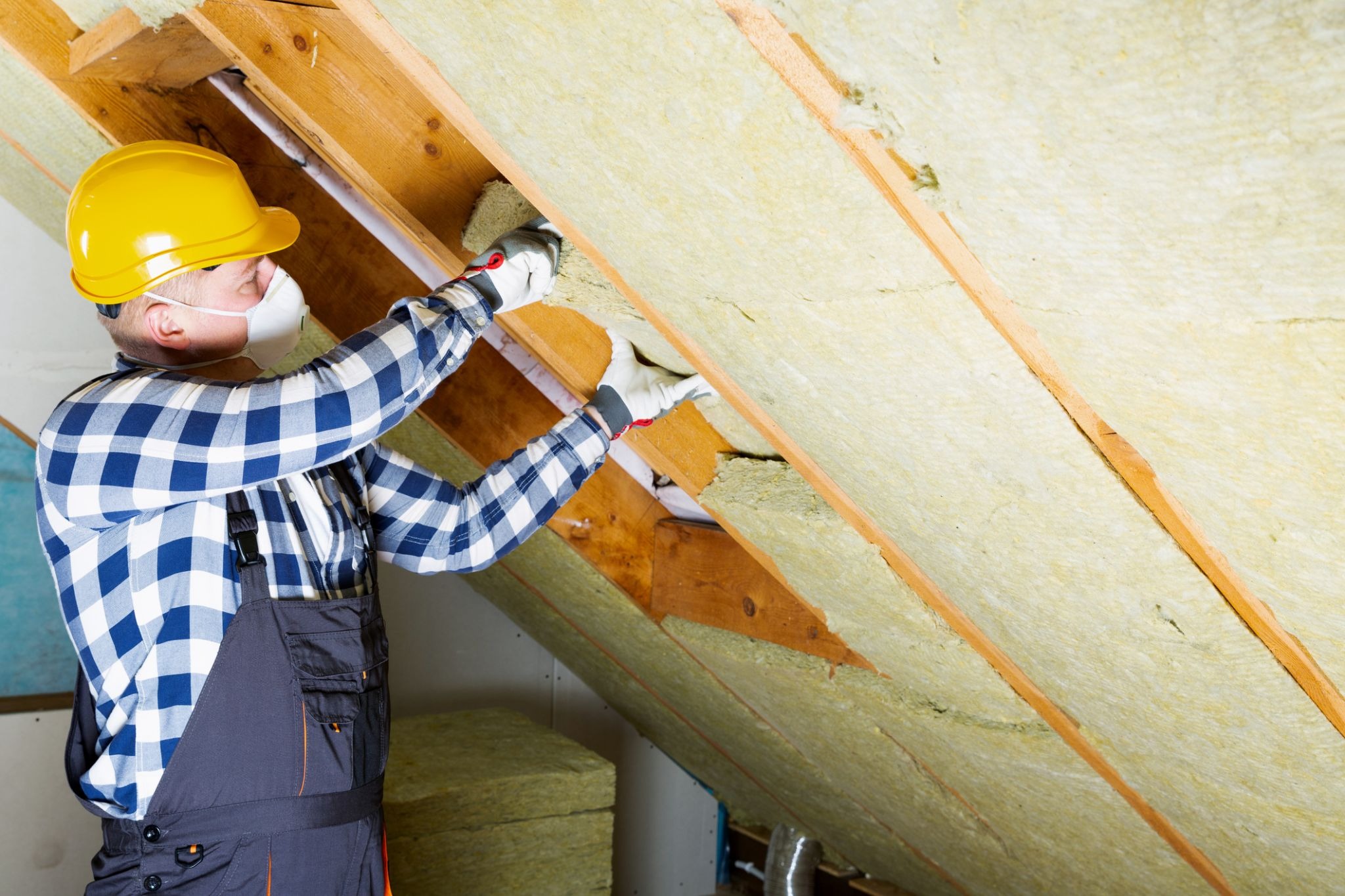
This is one reason homeowners appreciate working with established providers who understand the inspection side, not just the installation side. R.S. Andrews has a proven record in the Atlanta area across home performance and HVAC-related comfort issues, so their team is used to looking at the attic as a system (air leakage paths, ventilation behavior, insulation condition, moisture patterns), then recommending a scope that fits the actual problem.
DIY Versus Pro: Where the Risk Line Usually Sits
Small cosmetic fixes, like re-tucking displaced batting in an easy to access spot, can be reasonable if the material is clean, dry, and clearly identifiable. Removal is different though. The moment you’re dealing with water damaged insulation, pest contamination, heavy dust, or unknown older materials, the job becomes less about muscle and more about containment, safety equipment, and proper disposal.
A professional removal also creates an opportunity to do the next step correctly. Instead of simply adding new insulation, a good contractor will address the underlying causes that made the old insulation fail, sealing obvious air leaks, correcting ventilation issues when present, and installing the right amount of insulation for the space. That is where R.S. Andrews tends to be a practical choice for consumers who want fewer surprises, since you are working with a company that can evaluate comfort complaints, tie them to building conditions, and deliver a plan that is meant to last.
If your attic insulation is wet, pest affected, or worn down to the point it no longer performs, treat it as a home health decision as much as an energy decision. When you want expert eyes on what is happening above your ceiling, start with a TrustDALE vetted evaluation from R.S. Andrews, then move forward with removal and replacement that fixes the cause, not just the symptom.