

Spring has a way of making homeowners notice everything at once. The yard needs attention, the exterior needs a refresh, and all those systems you barely thought about through winter suddenly matter again. If your home runs on a septic system, this season is a smart time to move septic service to the top of the list.
As the next installment in our Spring Into Action series, this blog breaks down why septic maintenance matters in spring, what warning signs homeowners shouldn’t ignore, and how routine service can help you avoid the kind of messy, expensive trouble nobody wants showing up when the weather gets warmer.
What spring can reveal underground
A septic system does its work behind the scenes (or rather, under the scenes), which is exactly why it’s so easy to forget about until something goes wrong. Winter can be especially deceptive. You may not notice slow drainage, faint odors, or early warning signs when windows stay shut and outdoor activity slows down. Then spring arrives, water use starts climbing, guests come around more often, and the system has to work harder.
That shift is what makes spring such a practical checkpoint. A septic cleanout and inspection can help catch buildup before it turns into a backup, and it gives homeowners a chance to address small issues while they’re still manageable. The EPA says septic systems should be inspected regularly and that many household tanks typically need pumping every three to five years, depending on household size, water use, and tank capacity (epa.gov).
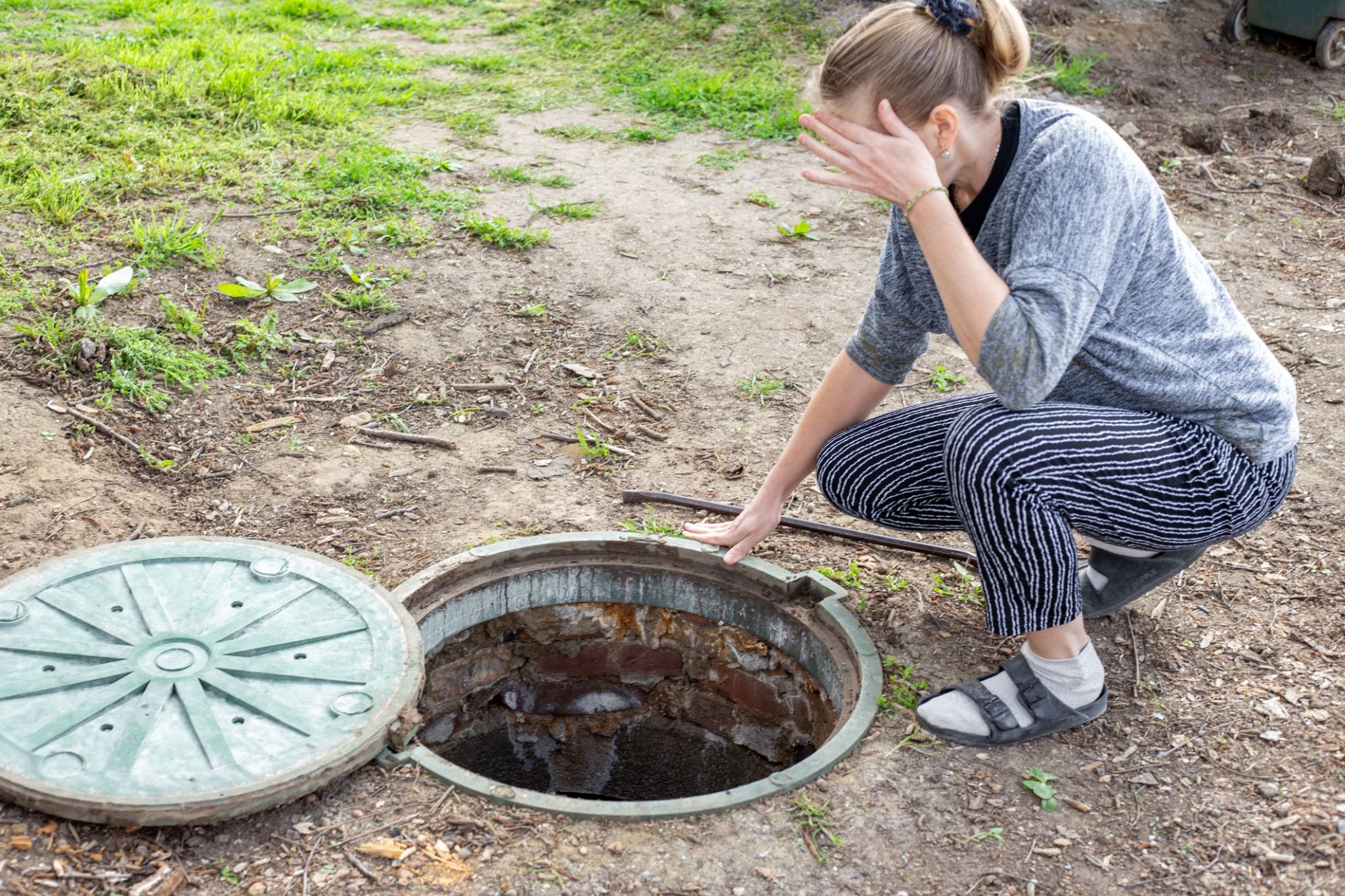
The problems homeowners usually notice too late
Septic issues rarely arrive with subtle timing. They tend to show up when the house is busy, when you have people over, or when you are already dealing with five other seasonal chores. That’s part of what makes preventive service so valuable.
The warning signs aren’t complicated, but they are easy to brush off. Slow drains throughout the house, unpleasant odors near the yard or inside the home, gurgling pipes, unusually wet spots outside, or sewage backups are all signs that something needs attention. Waiting it out usually doesn’t improve the situation, just gives it more time to become dirtier, more disruptive, and far more expensive to correct.
Routine septic care also protects more than your plumbing. Proper maintenance can help extend the life of the system and reduce the chance of contamination that affects nearby soil and water, which is one reason septic upkeep matters beyond your property line (epa.gov).
A cleanout now beats a crisis later
There is a certain kind of homeowner optimism that says, “It’s probably fine.” Sometimes that works out… but septic systems shouldn’t be the thing you choose to press your luck on.
Spring is an ideal time for an inspection, preventative maintenance, or repair for so many reasons, not least of all that you’ll get ahead of heavier seasonal use and deal with service on your terms instead of during an emergency. A cleanout can help keep things flowing properly, reduce the chance of odors and backups, and lower the odds that a minor issue becomes a major disruption later in the year. That’s the kind of maintenance that feels boring right up until the moment you realize how much trouble it may have spared you.
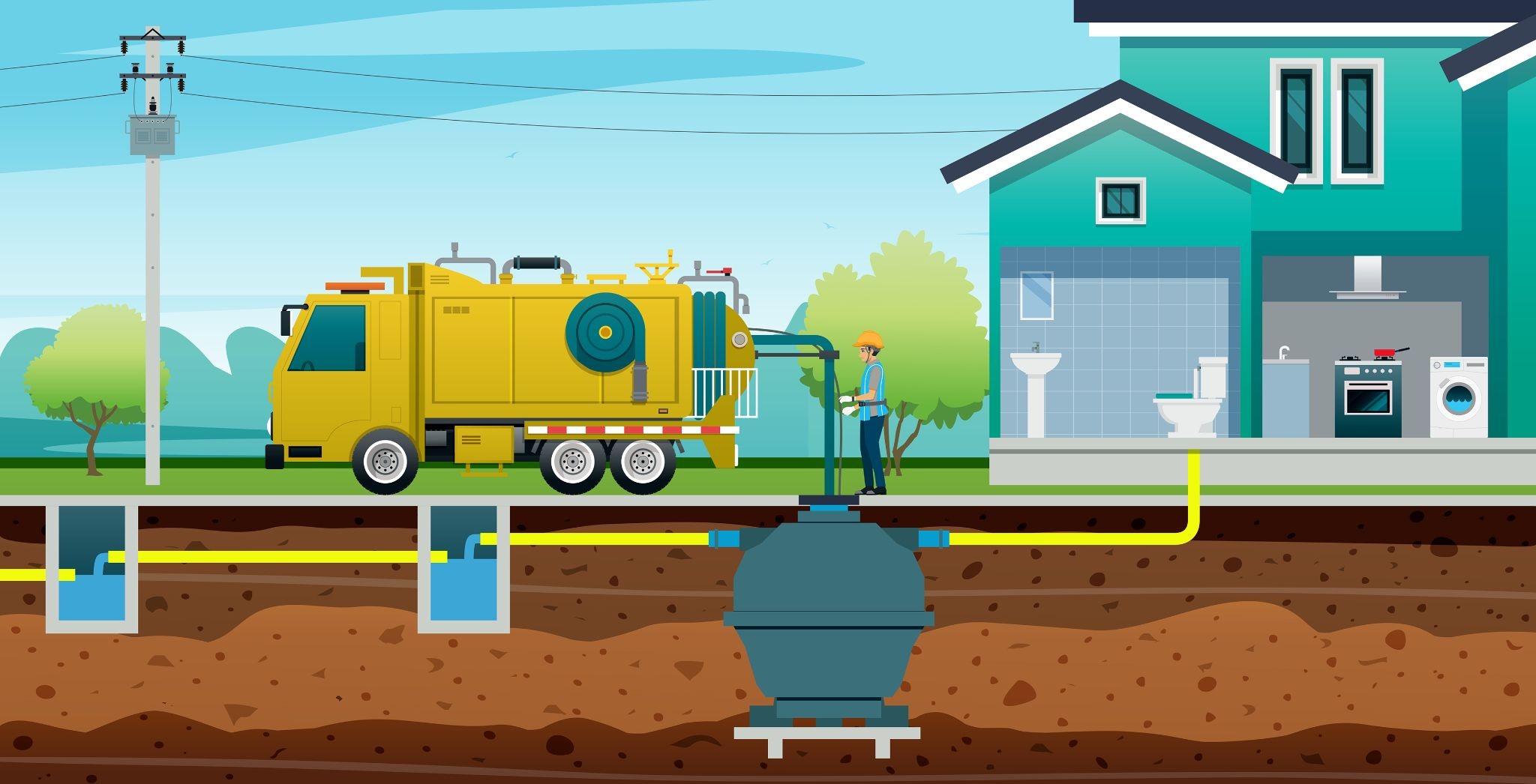
And frankly, boring is good here. Quiet pipes, normal drainage, no strange smells, no calls made in a panic. That’s exactly what homeowners want from a septic system, and routine spring service gives you a better shot at keeping it that way.
Make septic service part of your spring reset
Spring home prep usually focuses on what you can see. Septic service belongs on that list, even though it happens out of sight. When it’s handled at the right time, it helps the rest of your season go more smoothly.
If your system has not been checked in a while, or if you have noticed slow drains, odors, or other warning signs, now is the time to act. For the next step in your Spring Into Action checklist, find a TrustDALE Certified septic service provider and schedule service before small septic issues turn into big seasonal headaches.