

When an air conditioner starts struggling, most homeowners jump straight to one question: how much will this cost?
That’s understandable, of course. AC work can get expensive quickly, especially when you have an older system, your home doesn’t cool evenly, or your contractor recommends replacing over repairing. In 2026 though, Georgia homeowners have another question worth asking before approving the job: could a rebate lower the real cost?
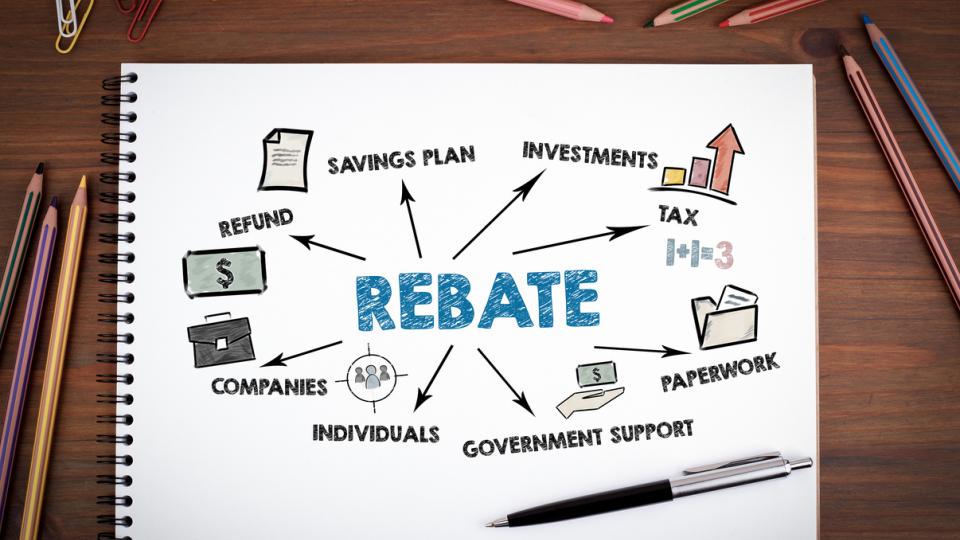
Rebate programs across the country often follow a similar pattern, showing that the best savings usually aren’t tied to coupon codes or seasonal promotions. Utility companies and government offices tend to reward smarter home comfort decisions, including higher efficiency equipment, duct sealing, attic insulation, air sealing, heat pump upgrades, and documentation completed the right way. Here’s what to know before you replace your AC, and why a qualified HVAC professional can help you avoid leaving money on the table.
The AC May Not Be the Whole Problem
A weak AC system gets blamed for everything in summer, but the equipment outside isn’t always acting alone. Homes lose comfort through leaky ducts, thin attic insulation, poor airflow, oversized equipment, undersized returns, and air leaks that keep dragging hot, humid air into the living space. When a contractor only looks at the unit, the homeowner may end up paying for a new system that still has to fight the same house.
That’s why rebate research should begin before the quote is signed. Georgia’s current Home Energy Rebates program includes incentives for electric appliances, insulation, air sealing, HVAC, and other home energy improvements, with eligible households able to receive up to $16,000 depending on income and expected energy savings. The state also notes that Home Efficiency Rebates begin with a program approved contractor and a home energy assessment, since the work must connect to projected energy savings.
For homeowners, the rebate conversation may be broader than just “new AC or no new AC.” A good assessment may point toward duct sealing, insulation, air sealing, a heat pump conversion, or a combination of improvements that lowers cooling demand before a new system is sized.
Paperwork Can Make or Break the Savings
Rebates are rarely automatic. That’s the part homeowners often learn too late. A system may have to meet efficiency standards. A contractor may need to be licensed, approved, or able to provide specific documentation. The application may need to be submitted within a certain time after installation. Miss one requirement, and the rebate that looked helpful on paper may disappear.
Georgia Power’s 2026 Home Energy Improvement Program requirements show why homeowners should ask questions upfront. The program says eligible customers must submit proper documentation within 60 days of the purchase or installation date, and the 2026 program runs from January 1, 2026 through December 31, 2028. The same program includes measures such as HVAC maintenance, attic insulation, duct repair and sealing, air sealing, and home comfort bundles.

Before you commit to AC work, ask the contractor which rebates may apply, who handles the paperwork, what documents you’ll receive, and whether any preapproval is needed. Any reputable contractor will understand your questions and why you’re asking them, and will be able to walk you through the process.
Don’t Let the Rebate Drive the Repair
A rebate can make a good decision more affordable, but it shouldn’t turn a weak recommendation into a smart one. Some homes really do need a replacement unit instead of a repair, and some homes only need an airflow correction. Other homes need insulation or duct sealing before equipment is even discussed. The biggest incentive on a flyer may be tempting, but the only way to know for sure is from a real diagnosis by an expert.
Here’s the practical way to think about it: if your AC is old, noisy, using outdated parts, and failing major components, replacement may be reasonable. If your upstairs bedrooms never cool but the system itself is fairly new, the ductwork and attic deserve attention. If energy bills keep rising while comfort keeps slipping, a whole home review can reveal problems a quick service call may miss.
That’s where an experienced HVAC company earns its keep. The best contractor reads the whole house, not just a chapter.
Why All Air Belongs in the Conversation
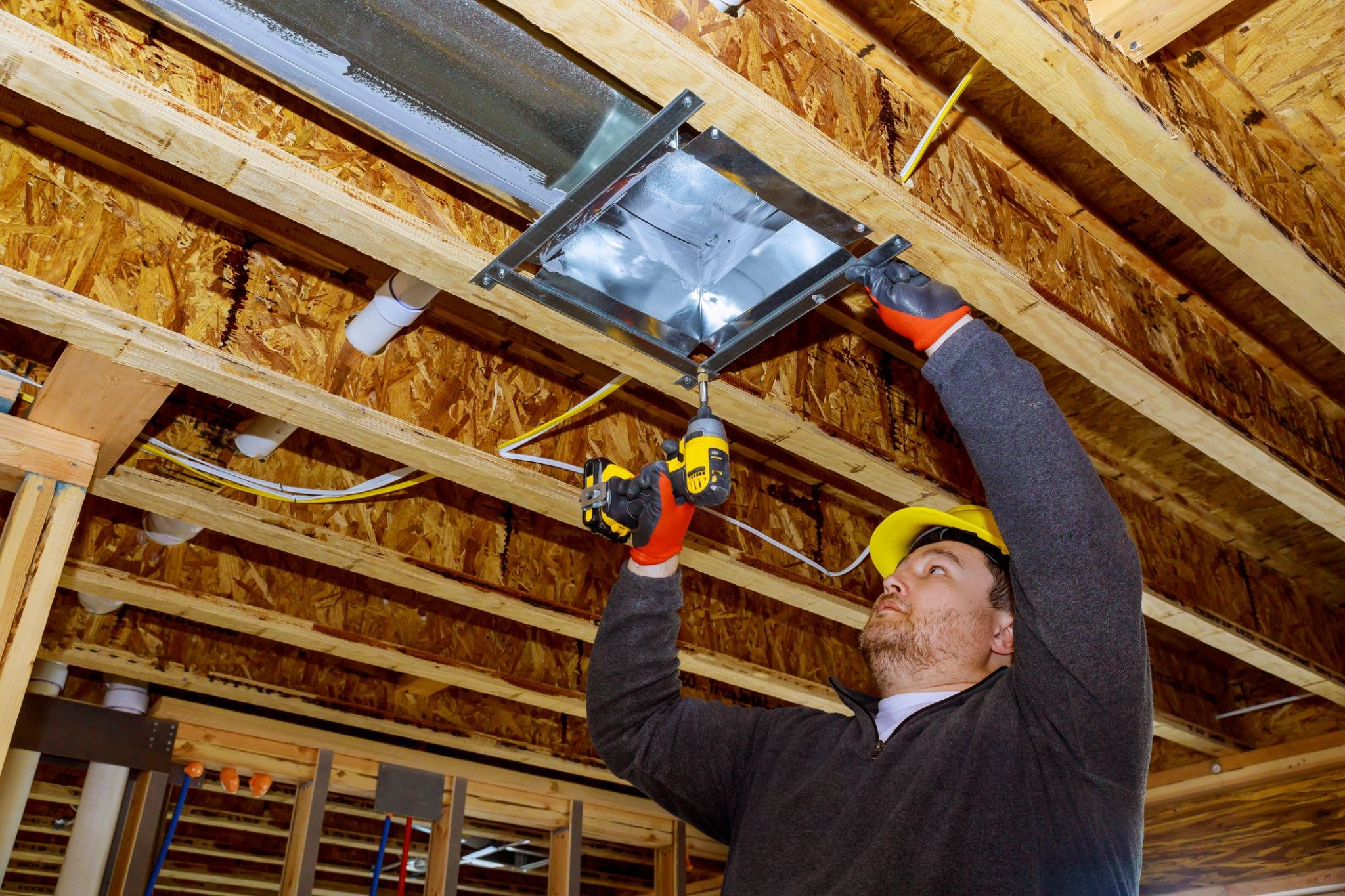
For Metro Atlanta homeowners, TrustDALE certified partner All Air checks all the boxes, since their work goes beyond basic AC repair. They can handle cooling, heating, indoor air quality, attic insulation, and financing, which gives homeowners a more complete path when rebates involve comfort improvements rather than a single piece of equipment.
That range is actually pretty important, as you can imagine. A homeowner who calls about an AC replacement may also need to understand whether attic insulation is affecting comfort, whether ducts are leaking conditioned air, or whether indoor air upgrades should be considered during a larger HVAC project. All Air’s experience with residential systems gives homeowners a practical place to start when the goal is to make the house perform better, not just swap out a machine.
TrustDALE’s vetting adds another layer of confidence for consumers who don’t want to guess their way through contractor claims. When rebate rules, equipment choices, and home comfort issues all overlap, working with a trusted expert can keep the project cleaner from the first visit to the final invoice.
Check the Rebate Before the System Gets Replaced
The best time to research AC rebates is before the old system fails on the hottest weekend of the year. Look at available state, utility, and manufacturer programs, ask whether your home needs an energy assessment, and confirm documentation requirements before the work begins.
If your AC is struggling, start with a professional evaluation from a trusted, experienced company like All Air. A careful comfort plan can help you decide whether to repair, replace, seal, insulate, or upgrade, and it may also help you capture savings you would’ve missed by rushing into the first quote.