

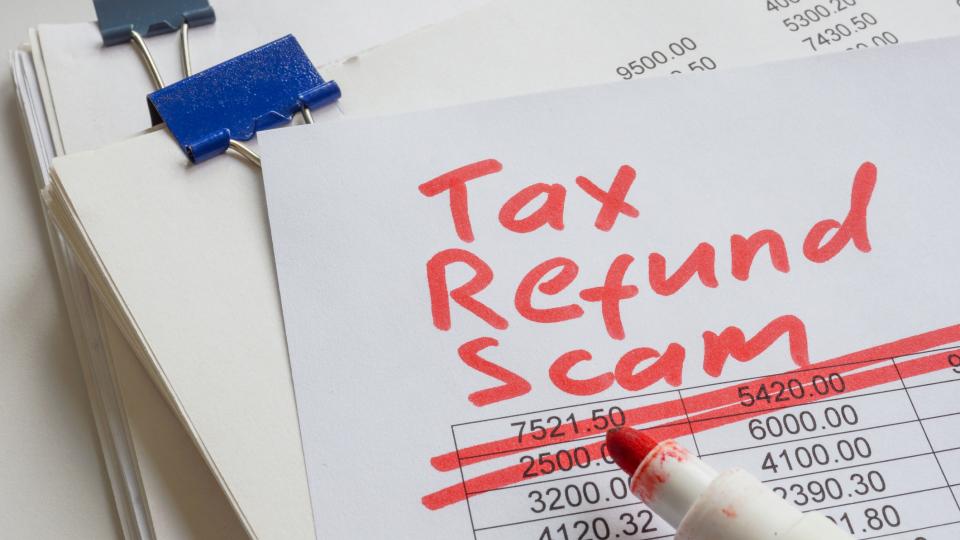
Tax season brings anticipation for many households expecting a refund. It also brings opportunity for scammers who want to intercept that money before it reaches you. According to a recent FTC Consumer Alert, text messages and emails claiming your refund has been processed or approved are often phishing scams designed to steal your personal information.
These messages can look official, using government logos, urgent language, and references to the IRS or your state tax agency. The goal is simple: get you to click a link and hand over sensitive data. Once that happens, the scammer may attempt to redirect your refund or use your identity elsewhere.
How the Scam Works
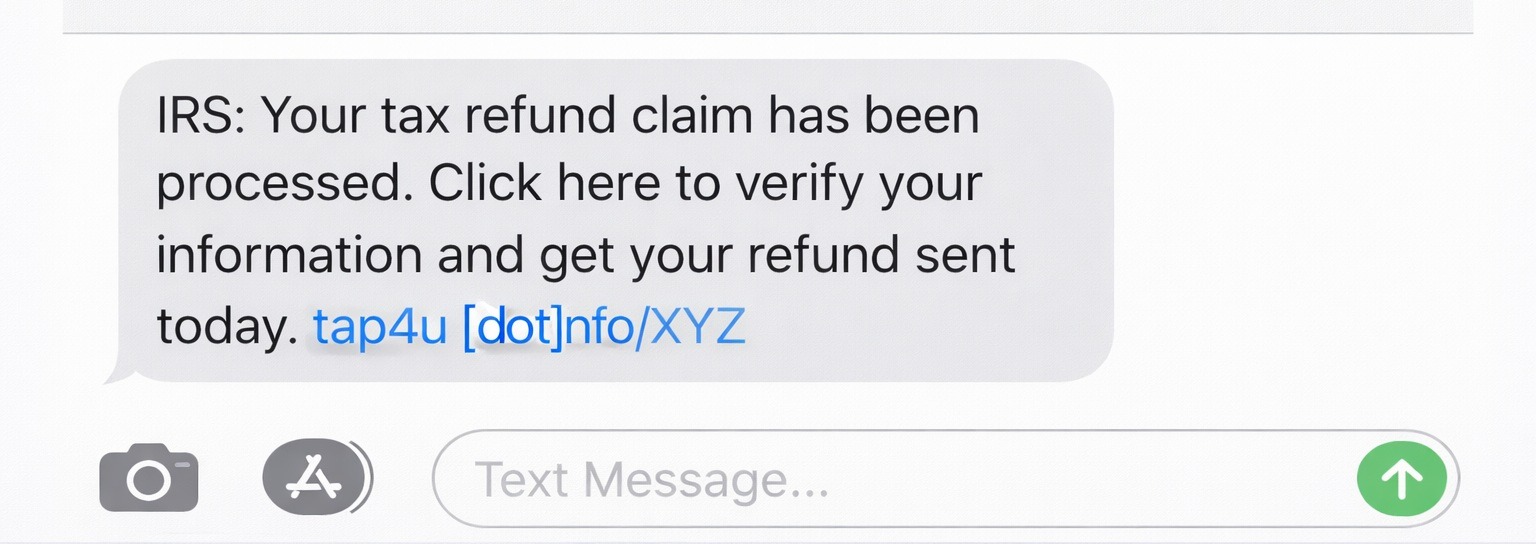
The FTC explains that these scams typically begin with a text or email claiming your refund has been “processed” or “approved.” The message may instruct you to click a link to “verify your identity” so the money can be sent. That link does not lead to a government site. It leads to a phishing page built to collect your Social Security number, bank account information, or other personal details.
It is important to understand that this is not how legitimate tax agencies operate. The FTC makes clear that the real IRS and state tax offices do not contact taxpayers by text, email, or social media to request personal or financial information. Any message asking you to click a link and provide that data should immediately raise a red flag.
Once scammers obtain your information, the damage can extend beyond a stolen refund. They may use your identity to open credit accounts, file fraudulent tax returns in your name, or commit other forms of identity theft. The initial click can set off a chain reaction that takes months to untangle.
What To Do If You Get One
If you receive a suspicious message about a tax refund, the safest move is to pause. Do not respond, and do not click any links. Even clicking without entering information can sometimes expose your device to further risk.
Instead, verify your refund status through official channels. The FTC advises consumers to visit USA.gov to find legitimate information on checking federal or state refund status. Always type the web address directly into your browser rather than using a link sent in a message.
Reporting the scam helps protect others:
- If you receive a fraudulent or suspicious text, use your phone’s report junk feature or forward the message to 7726 (which spells SPAM).
- For emails, mark them as spam or junk in your email system.
- You can also report scams directly to the FTC at ReportFraud.ftc.gov.

Protecting Yourself Before Identity Theft Happens
The FTC also encourages consumers to take proactive steps before a problem occurs. Visiting IdentityTheft.gov/steps provides guidance on how to safeguard your information and what to do if you suspect misuse. Acting early can limit financial loss and prevent long term credit damage.
Tax season already requires careful attention to detail. Unfortunately, adding cybersecurity awareness to your checklist is now part of responsible filing. Treat unexpected messages about money with skepticism, especially when they demand immediate action.
A legitimate refund will not arrive through a random link in a text message. Slow down, verify information through official sources, and report suspicious communications so you can keep your refund where it belongs: in your account, not in a scammer’s hands.