


Home warranties are marketed as a financial safety net for homeowners who worry about sudden breakdowns of major systems or appliances. The concept sounds simple: pay a monthly or annual fee, then receive help when something essential stops working. In practice though, confusion often starts when a claim is filed, and not when the contract is signed.
Most home warranties are service contracts, not insurance policies. They are designed to cover repair or replacement of specific items that fail due to normal wear and tear, rather than damage caused by accidents, misuse, or external events. Understanding that distinction early makes it easier to evaluate whether a warranty is worth having in the first place.
What Home Warranties Commonly Cover
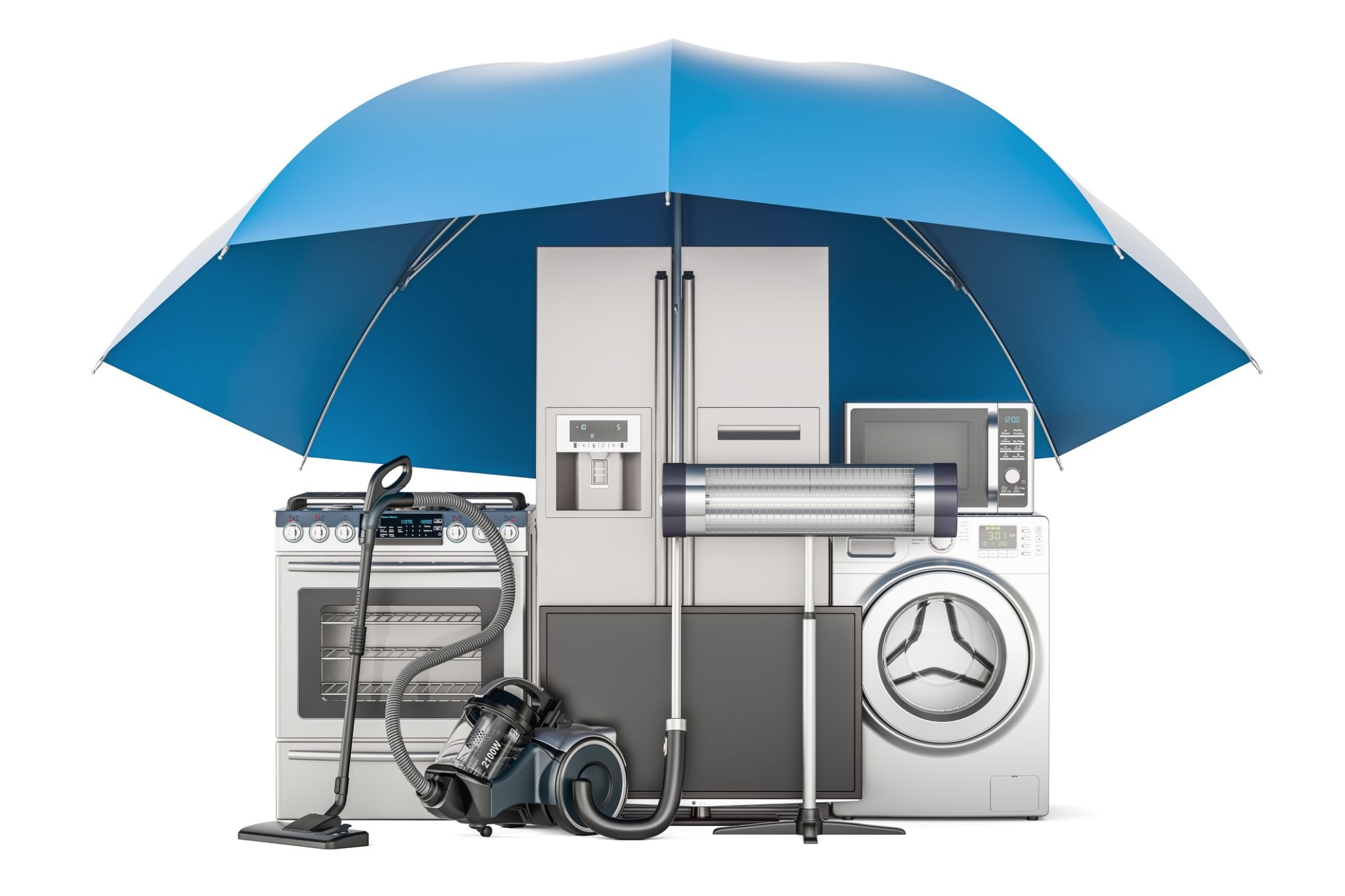
Coverage varies by provider, but most reputable home warranty plans focus on core household systems and appliances. These typically include heating and cooling systems, electrical components, plumbing systems, water heaters, and major appliances such as refrigerators, ovens, dishwashers, and washers or dryers.
America’s Preferred Home Warranty, a TrustDALE certified partner, clearly outlines all the items that are covered, as well as the plan options upfront, allowing homeowners to choose coverage that fits the age and condition of their home. Their plans emphasize repair first whenever possible, which is a practical approach that usually keeps costs lower and timelines shorter for homeowners dealing with unexpected failures.
Where Expectations Often Break Down
The biggest frustration with home warranties usually comes from what is not covered. Pre-existing conditions, improper installation, code upgrades, cosmetic damage, and items that were already failing before coverage began are common exclusions across the industry. Many homeowners assume a warranty functions like full replacement insurance, then feel blindsided when a claim is denied.
Service fees are another frequent surprise. Even when a repair is approved, homeowners are typically responsible for a service call fee. That fee is not hidden, but it is often overlooked during signup. Providers should always spell out any service charges clearly so homeowners can factor them into their decision to sign a contract.
How to Read Coverage the Right Way
Instead of skimming a plan summary, homeowners should focus on coverage limits, exclusions, and definitions. Words such as normal wear and tear carry specific meaning in service contracts. Paying attention to those details often reveals whether a warranty aligns with how a home is actually used.
A short checklist helps clarify expectations:
- Which systems and appliances are covered
- Coverage limits for each item
- Service call fees and response timelines
- Repair versus replacement policies
America’s Preferred Home Warranty publishes these details in plain language, which is one reason TrustDALE recognizes them as a certified partner. Transparency reduces frustration long before the first claim is filed.
When a Home Warranty Makes Sense
Home warranties tend to be most valuable for older homes, homes with aging appliances, or homeowners who prefer predictable costs over surprise expenses. They can also offer peace of mind for buyers who recently purchased a home and want a buffer during the first few years of ownership.

Choosing the right provider matters more than choosing the cheapest plan. If you’re thinking about getting a home warranty, choose a provider that operates with clear contracts, responsive service coordination, and realistic coverage expectations. Working exclusively with providers who check all these boxes upfront helps homeowners avoid the misunderstandings that give the industry a bad reputation.
A Smarter Way to Protect Your Home
Home warranties are neither useless nor all encompassing. They work best when homeowners understand exactly what they are buying and choose providers who value clarity over fine print. For those considering coverage, working with a TrustDALE certified partner like America’s Preferred Home Warranty offers a more straightforward path, fewer surprises, and support built around real world homeowner needs.
If you are exploring home warranty options, TrustDALE’s vetted partners are a strong place to start.