

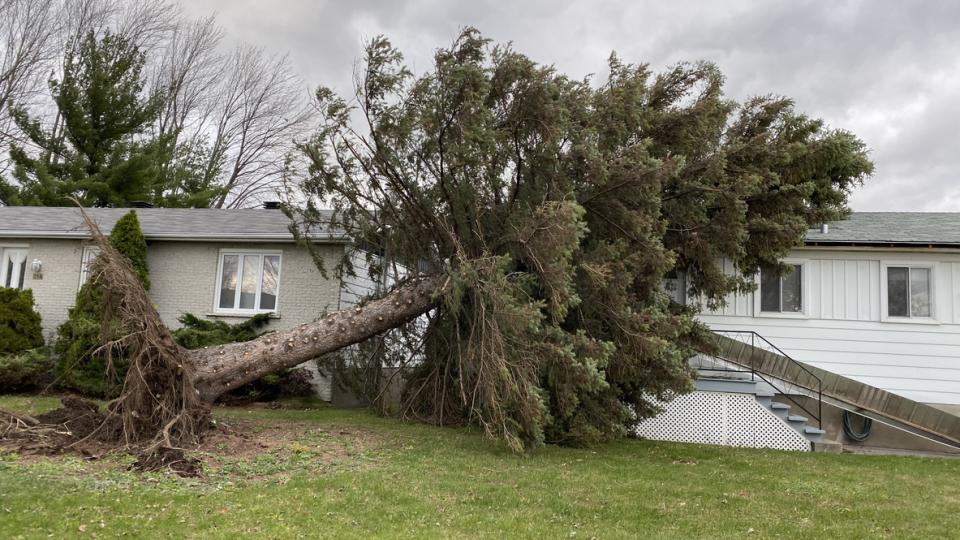
A tree coming down on your home has a way of turning an ordinary afternoon into a rattling blur of cracked shingles, snapped limbs, rainwater, and ringing phones. The first instinct is usually to rush outside and start figuring out the mess, but fallen trees can hide dangerous problems that aren’t obvious from the driveway.
This guide walks through what to do first, how to document the damage, what insurance may cover, and when cleanup belongs in professional hands. The goal is to slow the moment down just enough for you to make smart decisions, protect your claim, and keep everyone away from hazards that can turn a property problem into something far worse.
Start With People, Pets, and Power Lines
Before you think about the roof, the fence, or the deductible, get everyone safely away from the damaged area. If the tree hit the house, don’t assume the structure is stable just because the rooms still look mostly intact. Ceilings can sag, rafters can shift, and water can find its way through small openings long before the damage looks serious from inside.
Stay clear of any tree that is tangled with utility lines. A fallen line doesn’t have to spark, smoke, or buzz to be dangerous. If you see wires down, a limb resting on a line, or a tree leaning into electrical equipment, call 911 or the utility company and keep people well away until trained crews say the area is safe. Don’t climb on the tree, don’t move branches near wires, and don’t let a well-meaning neighbor with a chainsaw become part of the emergency.
Call Your Insurance Company Before the Cleanup Crew Starts Cutting
Once the immediate safety issues are under control, contact your homeowners insurance company or agent. Give them the basic facts: when it happened, where the tree landed, whether anyone was injured, whether the home is exposed to weather, and whether you need emergency repairs to prevent more damage.
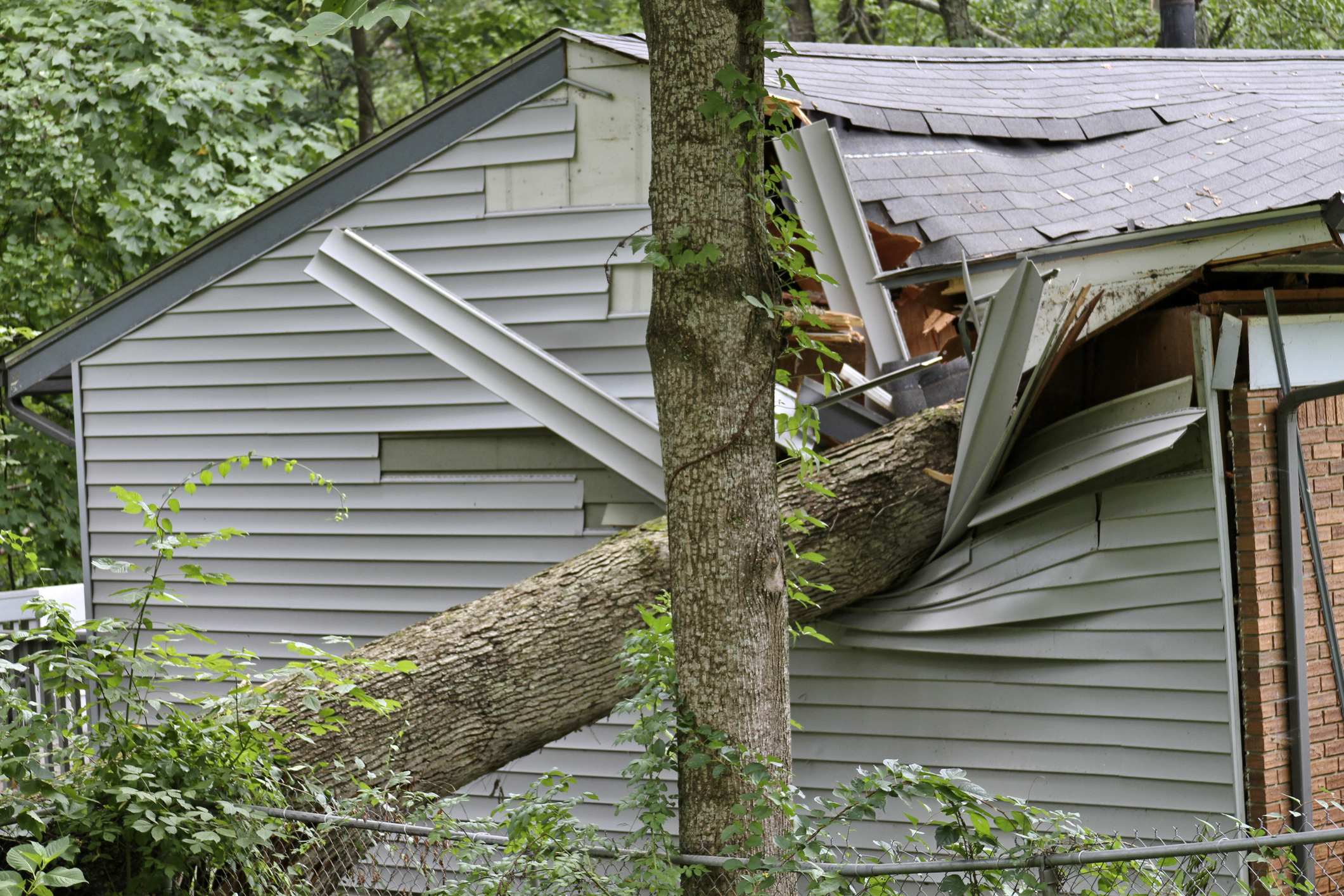
Homeowners insurance often covers damage when a tree falls on a covered structure, such as the house, garage, or fence, especially when the fall was caused by wind, lightning, hail, or another covered event. Tree removal may also be covered when the tree damages a structure, though limits and deductibles vary by policy.
There’s an important wrinkle here: insurance companies care about why the tree fell. A healthy tree brought down by a storm is usually treated differently from a visibly dead or neglected tree that finally gave way. If the tree belonged to a neighbor, your own insurer may still be the first call, but negligence questions can affect whether another party’s coverage becomes involved later.
Photograph the Scene Before Anything Moves
Take photos and video from safe angles before cleanup begins. Capture wide shots of the tree, the house, the point of impact, broken gutters, roof damage, crushed fencing, damaged personal property, interior leaks, and any visible decay in the trunk or limbs. Get closeups where you can do so safely, but don’t climb onto the roof or walk under a suspended limb just to improve the lighting.
Keep a simple written timeline while the details are fresh. Note the date and approximate time the tree fell, the weather conditions, who you called, claim numbers, emergency repair invoices, and the names of contractors who inspected the damage. If temporary work is needed, such as tarping the roof or boarding a broken window, save every receipt. The NAIC’s consumer guide explains that homeowners insurance coverage and pricing differ by company, which is exactly why your policy language and claim documentation matter so much after a loss.
Know What Cleanup Can Safely Wait For
A fallen tree across the lawn may be frustrating, but a tree on the house is a different creature. Large trunks can shift as crews cut them. Branches under tension can whip loose. Roof damage can worsen if weight is removed in the wrong order. A professional tree removal company with storm experience can coordinate with roofers, restoration crews, and sometimes utility workers so the removal doesn’t create new damage.
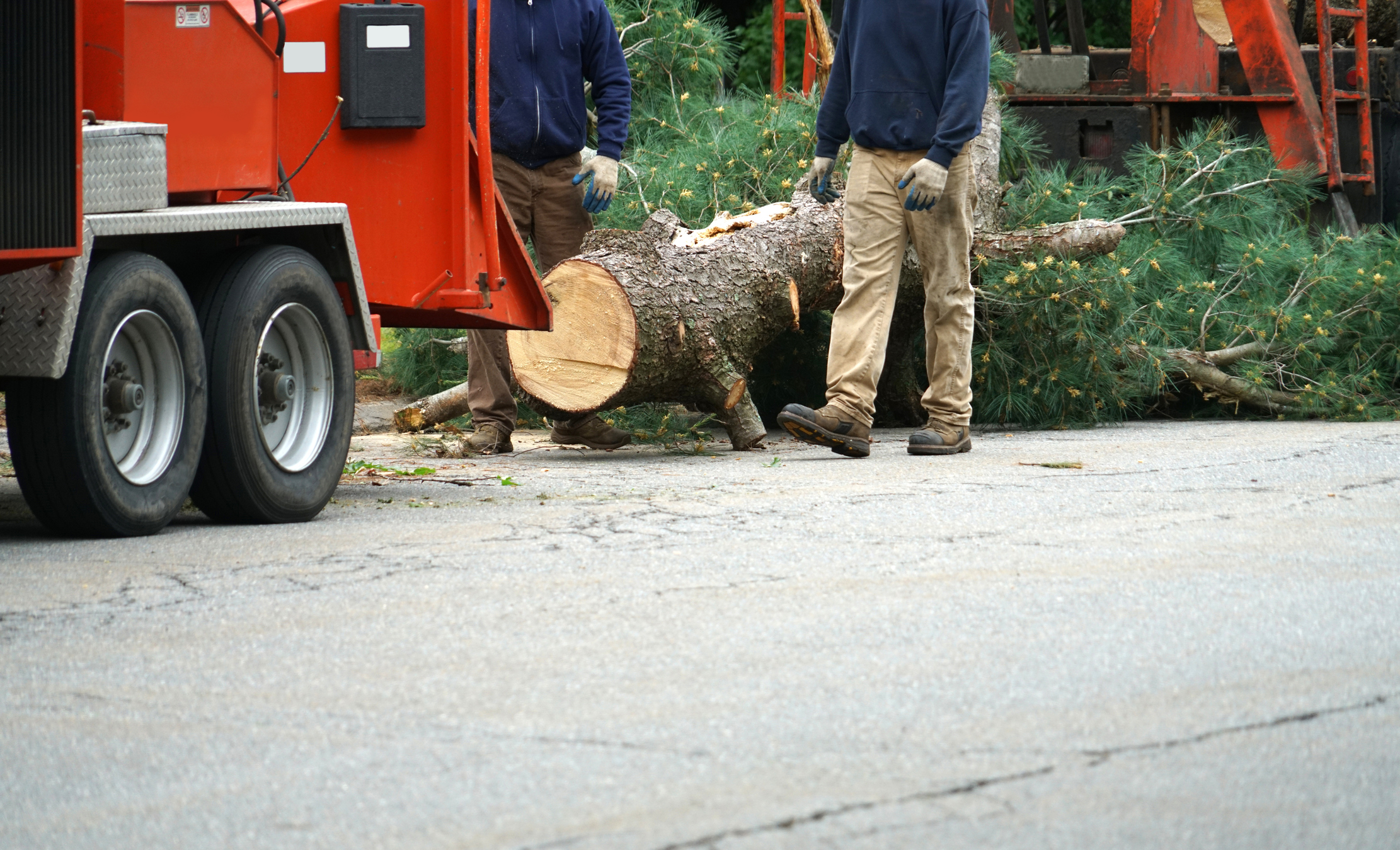
DIY cleanup should usually be limited to small, loose debris that isn’t touching the house, wires, vehicles, fences, or unstable limbs. Chainsaw work after a storm is risky even for people who are comfortable with routine yard work. Wet ground, awkward angles, hidden pressure in limbs, and damaged structures make the job unpredictable.
Protect the House From the Next Wave of Damage
After the tree is safely removed or stabilized, focus on preventing secondary damage. Water intrusion is the big one. A small roof opening can soak insulation, stain drywall, and invite mold if it sits too long. Ask your insurer what temporary repairs are allowed, then use qualified help for tarping, board up work, and emergency roof protection.
Don’t approve permanent repairs before the insurance process is clear unless your insurer gives direction. Emergency stabilization is one thing; full roof replacement, structural repairs, and interior restoration should be documented and aligned with the claim whenever possible.
The Calmest Move Is Hiring the Right Help
After a tree hits your house, the best contractor is the one who treats the job like a safety problem first and a cleanup problem second. Look for insured professionals who can explain how they’ll remove weight from the structure, protect the property, document the work, and coordinate with your insurance process.
TrustDALE’s vetted tree service partners can help homeowners with reliable professionals for storm cleanup, tree removal, roof repair, and related emergency work. When a tree has already done damage, calm decisions matter, and the right help can turn a frightening mess into a managed repair plan.