

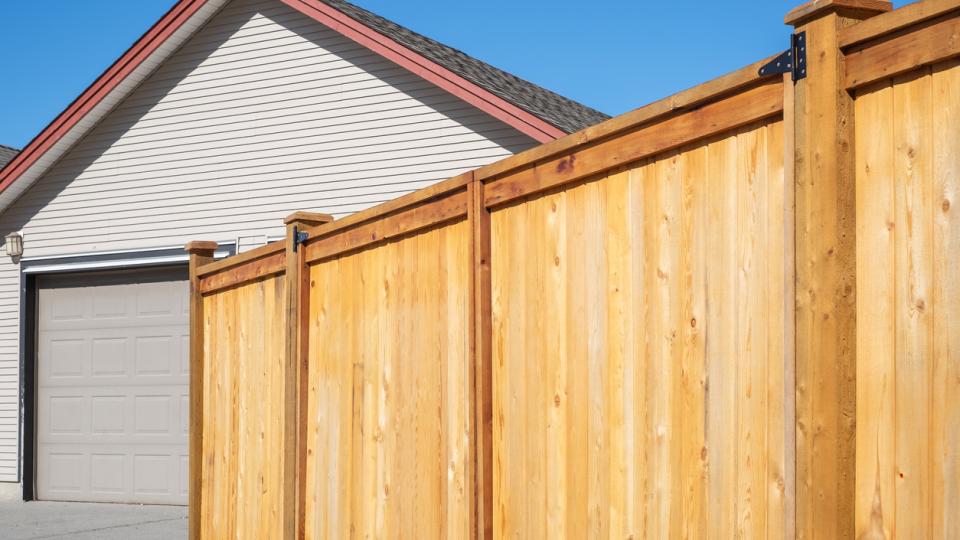
A privacy fence sounds simple until the first panel leans, the gate drags, or the neighbor knocks with a copy of the HOA rules. What started as a clean backyard upgrade can turn into a surprisingly expensive lesson when homeowners choose the cheapest quote without thinking through the shape of the yard, the rules attached to the property, or the way wind moves through an open lot.
In this blog, we’ll walk through the privacy fence choices people most often wish they had slowed down to consider. That includes fence height, material selection, slope, gate placement, wind exposure, and the paperwork that can interrupt a project after money has already changed hands.
A Tall Fence Still Needs Permission
Height is usually the first privacy fence decision homeowners care about, but it shouldn’t be made in isolation. A six foot fence may be common in many neighborhoods, yet local rules, corner lot visibility requirements, utility easements, and HOA guidelines can limit where that height is allowed. Some communities also treat front yard, side yard, and backyard fencing differently, so a fence that’s acceptable behind the house may become a problem closer to the street.

Before signing a contract, check your city or county requirements and review any HOA documents that have been put down in writing. Verbal reassurance is thin protection if a board member later complains that your new fence’s color, height, material, or placement violates neighborhood standards (there’s always one, right?). The best fence contractors are used to this conversation and won’t rush past it.
The Cheapest Material Can Age the Loudest
A low initial price can look attractive when a contractor is measuring hundreds of linear feet. The long term cost tells a fuller story:
Wood can be beautiful and warm, but it needs routine maintenance, especially in humid climates where moisture, sun, and soil contact can shorten its life.
Vinyl can offer a cleaner maintenance profile, but lower grade products may become brittle, fade unevenly, or show impact damage more noticeably over time.
Composite and metal options can cost more upfront, yet they may make sense for certain homes when appearance, durability, and upkeep matter more than the lowest starting number.
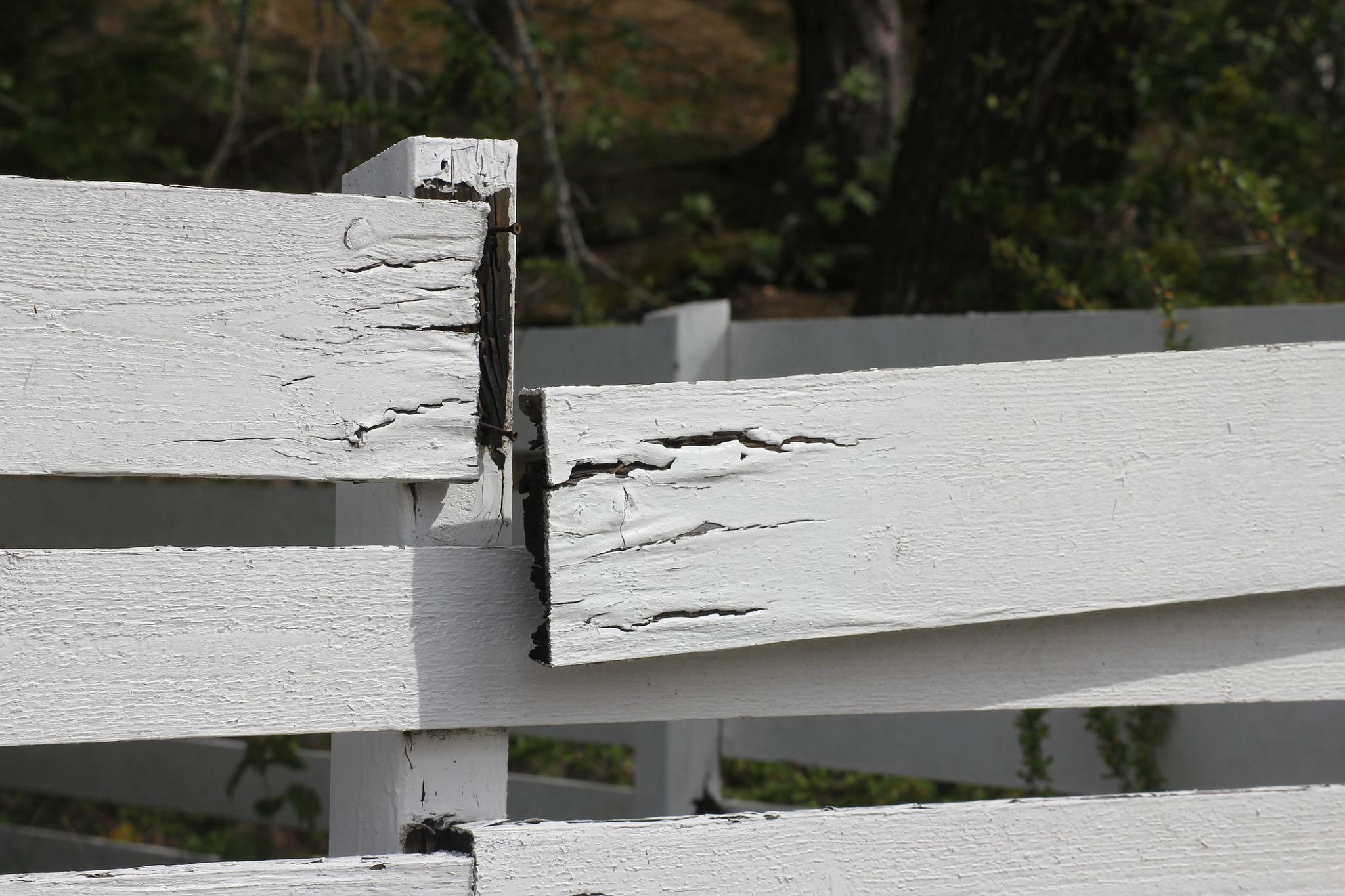
The regret usually starts when homeowners compare materials by price alone. A better question is how the fence will look in year five, how much maintenance the homeowner is realistically willing to do, and whether the selected product fits the yard’s exposure.
Sloped Yards Need More Than Straight Lines
A privacy fence drawn on paper is usually tidy. The yard rarely behaves that politely. Slopes, dips, drainage paths, tree roots, retaining walls, and uneven soil can all affect how a fence sits. On a sloped yard, the installer may need to choose between stepping the fence in sections or following the grade more closely. Both approaches can work, but they create different looks and different gaps along the bottom.
Those gaps matter when the fence is meant to contain pets, screen a view, or create a more enclosed backyard. Homeowners should ask how the finished fence will meet the ground, where gaps are expected, and whether any grading or custom cuts are included in the quote.
Gates Deserve More Planning Than They Get
Gates are often treated like an afterthought, even though they become the most used part of the fence. A gate placed in the wrong spot can make lawn care awkward, block trash can access, or force people into a strange walking path every time they enter the yard. A gate that’s too narrow may become a headache when a mower, wheelbarrow, grill, or future patio project needs access.
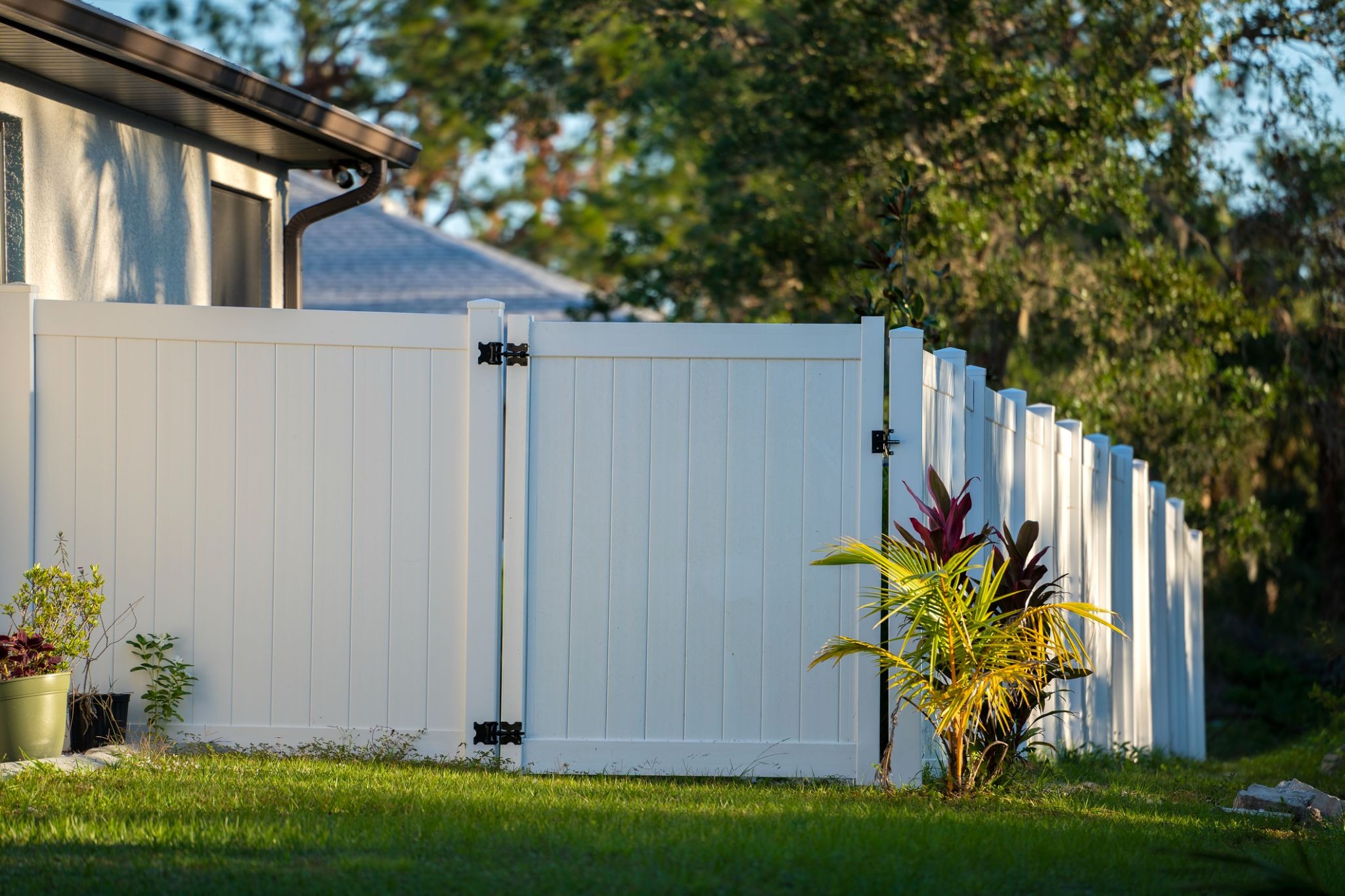
Hardware quality matters too. Gates carry weight, move often, and suffer quickly when posts are undersized or poorly set. Ask where the gate will go, how wide it will be, what hardware will be used, and whether the latch location makes sense for daily life.
Wind Can Turn Privacy Into Pressure
Privacy fences catch wind differently than open picket or split rail designs. A solid fence on an exposed lot can act like a sail when storms move through, especially if posts are shallow, spacing is stretched too far, or panels are not suited for the site. FEMA’s severe wind guidance reminds homeowners that wind can damage property and send loose materials into motion, which is one reason exterior projects should be planned with local storm conditions in mind.
This doesn’t mean every privacy fence needs to look industrial, but it does mean homeowners should ask direct questions about post depth, concrete use, panel style, wind exposure, and whether the contractor would recommend small design adjustments for a corner lot, hilltop, open field, or backyard with limited wind breaks.
A Better Quote Has More Detail
Always check licenses and insurance, get written estimates, and review a signed contract before home repair work begins. Vague quotes are where misunderstandings breed, and where red flags fly high.
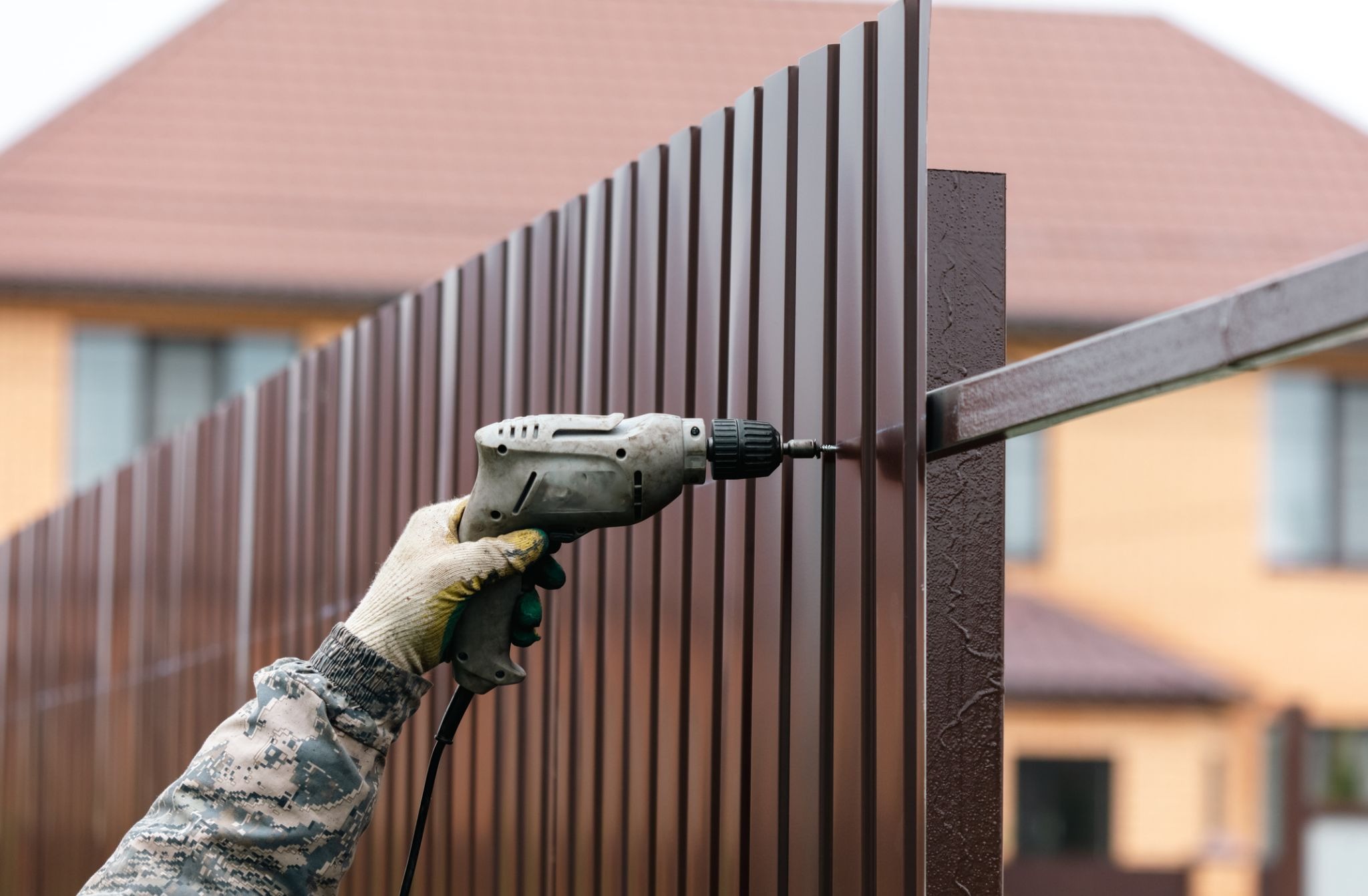
Before approving a privacy fence, make sure the quote explains the material, height, total footage, post spacing, gate count, hardware, removal of old fencing, cleanup, permit responsibility, and payment schedule. A contractor who gives careful answers before the work begins is more likely to handle the awkward details that protect the finished project.
Build the Fence You Won’t Second Guess Later
A good privacy fence should make the yard feel calmer, more useful, and more finished. The smartest projects start before the first post hole, with a clear understanding of rules, materials, slope, gates, wind, and the real cost of doing the job twice.
When you’re ready to compare options, TrustDALE can help you find vetted fencing professionals who understand both the visible parts of the project and the details homeowners tend to notice too late. Getting the right quote now can spare you from staring at the wrong fence for years.