Storm Chaser Roofing Scams: Protect Your Home
A storm can damage your roof in minutes, but a bad contractor can leave you dealing with the fallout for years. After hail, high winds, or tornadoes, storm chaser roofing scams often begin with an unexpected knock at the door and a promise to handle everything fast.
Some contractors who respond after severe weather are legitimate. Others count on homeowners feeling rushed, worried about leaks, and unsure how an insurance claim works. Knowing the warning signs can protect both your roof and your wallet.
Why Storm Chasers Show Up After Severe Weather
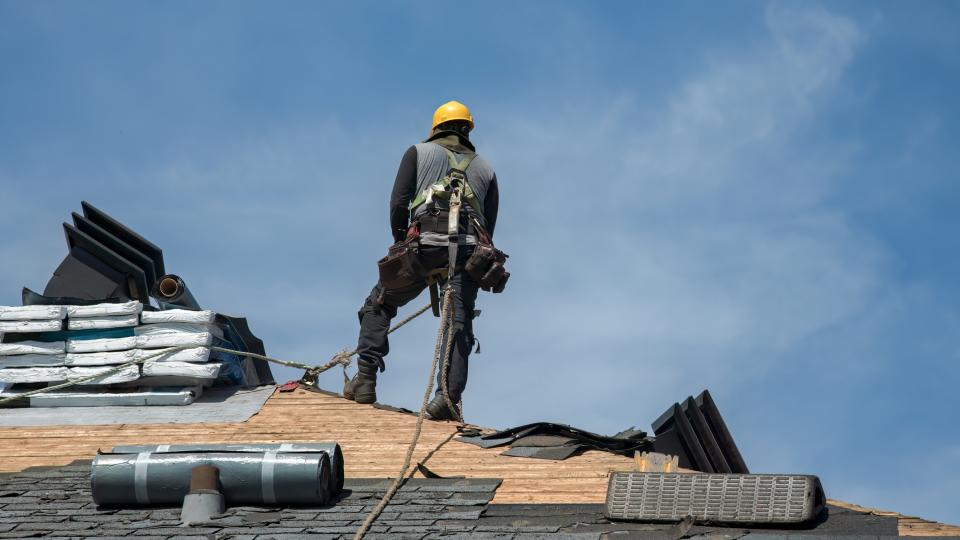
Storm chasers, sometimes called roof wranglers, are contractors who move into areas hit by hail, wind, or other severe weather. They go door to door looking for homes that may have roof damage and homeowners who may be ready to file insurance claims.
Their timing is no accident. A homeowner who sees shingles in the yard, a branch on the roof, or a water stain on the ceiling has a real problem to solve. Water intrusion can worsen quickly, so the offer of an immediate repair may sound reassuring.
However, the Federal Trade Commission warns consumers to stay alert after weather emergencies and natural disasters. Scammers often move quickly because they know people are stressed and may not have time to research a company before signing paperwork.
According to the National Insurance Crime Bureau, contractor fraud rose 40% over a three-year period discussed in the Trust Issues episode. That trend hits especially hard after a disaster, when people are already facing repairs, insurance questions, and disruption at home.
A contractor at your door isn't automatically dishonest. Still, a company that appears only after a storm and disappears when the work goes wrong creates a serious risk. Local businesses have a reputation to protect and a physical place you can visit if a problem comes up later.
The possible outcomes of hiring the wrong roofer can be expensive:
- A contractor may collect money and never begin the work.
- The crew may install poor-quality materials or perform repairs that cause leaks.
- The contractor may leave an unfinished roof behind, then become impossible to locate.
- A homeowner may be left paying another company to repair the original contractor's mistakes.
Fast action matters after storm damage, but rushed decisions create an opening for dishonest contractors.
Roofing Scam Warning Signs You Shouldn't Ignore
High-pressure sales tactics are among the clearest signs that a roofer may not have your interests in mind. Be cautious when someone says you must sign today, claims the deal expires in hours, or insists that insurance will cover every cost without reviewing your policy.
A common pitch goes like this: "We're already doing work in your neighborhood, and we ordered too many shingles." The contractor then offers a steep discount if you agree immediately. That story may be designed to keep you from comparing estimates, reading a contract, or checking the company's history.
Out-of-town companies also deserve extra scrutiny. After storms, crews may come from several states away and canvass damaged neighborhoods. Some may complete good work, but others leave as soon as the local demand slows down. If the roof leaks six months later, a distant contractor may be difficult to reach.
Ed Rollins of TrustDALE Certified Roof-Tastic recommends looking for a local contractor with an established online presence, a local business location, and a track record in the community. Visit the location if possible. Ask how long the company has operated under its current name and whether it can provide recent local references.
Watch for financial pressure
Money requests can reveal a lot about a contractor. A legitimate roofing company should explain its payment schedule, provide clear paperwork, and give you time to review the agreement.
Ask for proof of liability insurance and workers' compensation coverage. Don't settle for a verbal assurance. Request the insurance certificate and review the name of the insured business. A company without proper coverage can expose you to serious problems if a worker gets hurt on your property or if the work causes additional damage.
A deposit may be part of a normal roofing project. In the episode, Rollins said that after an insurance claim is approved and the first check arrives, a deposit in the range of 25% to 50% can be typical. However, a demand for a large payment before documentation, materials, or a clear work schedule is a major red flag.
Be especially wary of a contractor who offers to "cover" or waive your insurance deductible. Your deductible is your responsibility under the policy. A contractor who misrepresents costs to make it appear that you paid a deductible may be committing insurance fraud.
As I always warn consumers, if a company is willing to lie to your insurer, it may be willing to lie to you, too.
What a Professional Roof Inspection Should Include
A proper roof inspection is more than a quick look from the driveway. The contractor should document what they find and explain the condition of the roof in plain language before asking you to make a decision.
At Roof-Tastic, Rollins describes an inspection process that begins around the exterior of the home. The team takes photos of each elevation, then captures closer images of possible storm-related damage. Dented gutters, damaged downspouts, and similar collateral damage can help show whether hail struck the property.
Next, the inspector should examine the attic and the underside of the roof. This part of the inspection can reveal signs of water intrusion, active leaks, or other conditions that may not be visible from outside. Then the roofer inspects the roof surface itself.
Drones can help a contractor safely inspect areas that are difficult to access. A drone does not replace professional judgment, but it can provide useful images of steep slopes, high sections, and areas where walking on the roof may be unsafe or impractical.
After gathering that information, the contractor should review the evidence with you. You should be able to see the photographs, understand what damage was found, and ask questions about what repairs or replacement may involve.
The contract should match the conversation
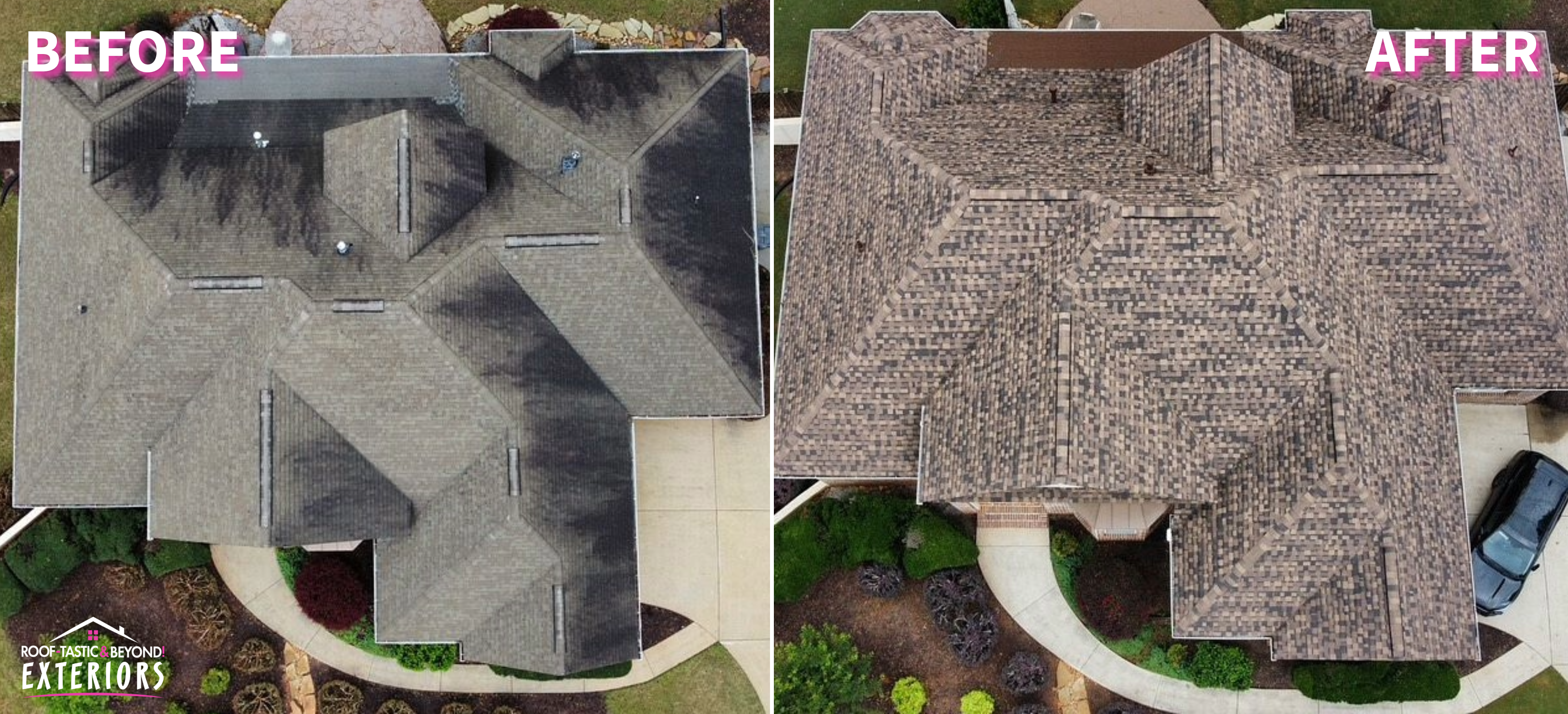
A written estimate is essential. It should state the scope of work, the products the contractor plans to install, and the warranty terms that apply. Vague promises such as "premium shingles" don't tell you enough. The agreement should identify the specific materials and explain whether the contractor will replace related components such as underlayment, ice and water protection, flashing, or ventilation materials.
Rollins described providing customers with a packet that includes the estimate, material details, warranty information, and a copy of the company's insurance certificate. Documentation like this gives the homeowner a record of what was promised before work begins.
You can also ask to inspect the delivered materials on installation day. A project manager should be able to show you the shingles and other products arriving at your home and compare them with the written contract. If a company refuses to show you the materials it plans to install, treat that refusal as a serious concern.
For homeowners seeking screened service providers, TrustDALE's vetted local businesses include companies that have gone through its investigative process.
Insurance Claims Require Careful Documentation
A roofer should not promise that your insurance company will pay for a new roof. Coverage depends on the policy, the type and extent of damage, the deductible, prior claims, exclusions, and the insurer's inspection.
Before filing a claim, a professional contractor can inspect the roof and provide documentation of what they found. If the damage appears too limited to support a claim, that information may help you avoid filing a claim that does not result in coverage. Every situation differs, so homeowners should review their policy and speak with their insurer when they have questions about coverage.
When there is legitimate damage, an experienced contractor may meet with the insurance adjuster and compare the insurer's estimate with the contractor's documentation. If the initial estimate misses documented items, the contractor may seek a supplement. That process does not guarantee payment, but it can help make sure the insurer considers the full scope of supported damage.
Understand the two-check insurance process
Many property insurers use a two-check process for replacement-cost claims. The first payment may cover actual cash value, often called ACV. The insurer may hold back recoverable depreciation until the work is completed and the policyholder provides proof of the final cost.
That structure matters if the insurance payment exceeds the contractor's original estimate. The roofer should charge only what the completed job costs under the agreement. If the final price is lower than the claim amount, the insurer may reduce the second payment accordingly. The extra amount is not automatically a bonus for the homeowner or contractor.
Never assume that an insurance payment removes the deductible. The policyholder remains responsible for it.
Roof Warranties Can Be Hard to Read
Roof warranties often sound simple until a problem happens. Manufacturers may use terms like "limited lifetime warranty," "non-prorated coverage," and "workmanship warranty." Those terms can mean very different things.
Rollins explained that a contractor may offer good, better, and best roofing systems. The base option may include standard materials and a standard warranty. Higher tiers may add upgraded underlayment and ice and water protection, while top-tier systems may use premium products that also qualify for stronger manufacturer-backed warranty coverage.
The table below shows the difference between the main types of protection discussed in the episode.
| Warranty term | What it generally addresses | What homeowners should ask |
|---|---|---|
| Workmanship warranty | Installation-related errors | How long does the contractor cover labor and repairs? |
| Material warranty | Defects in the shingles or roofing products | Which manufacturer backs it, and what conditions apply? |
| Non-prorated period | Fuller coverage for a stated period | Does coverage include labor, disposal, and materials? |
| Prorated period | Reduced material coverage as the roof ages | How is the reimbursement amount calculated? |
A non-prorated period may be especially important. In the example discussed on the podcast, a manufacturer warranty might offer 10 years of non-prorated coverage. After that period ends, the manufacturer may no longer pay labor or dumpster costs and may reduce the material payment based on the roof's age.
Manufacturers may describe 50 years as a "lifetime" period for warranty purposes. That does not mean every roof will last 50 years, and it does not mean every expense is covered for that entire period. Read the written warranty before signing and keep a copy with your home records.
Metal Roof Owners Should Review Their Policies
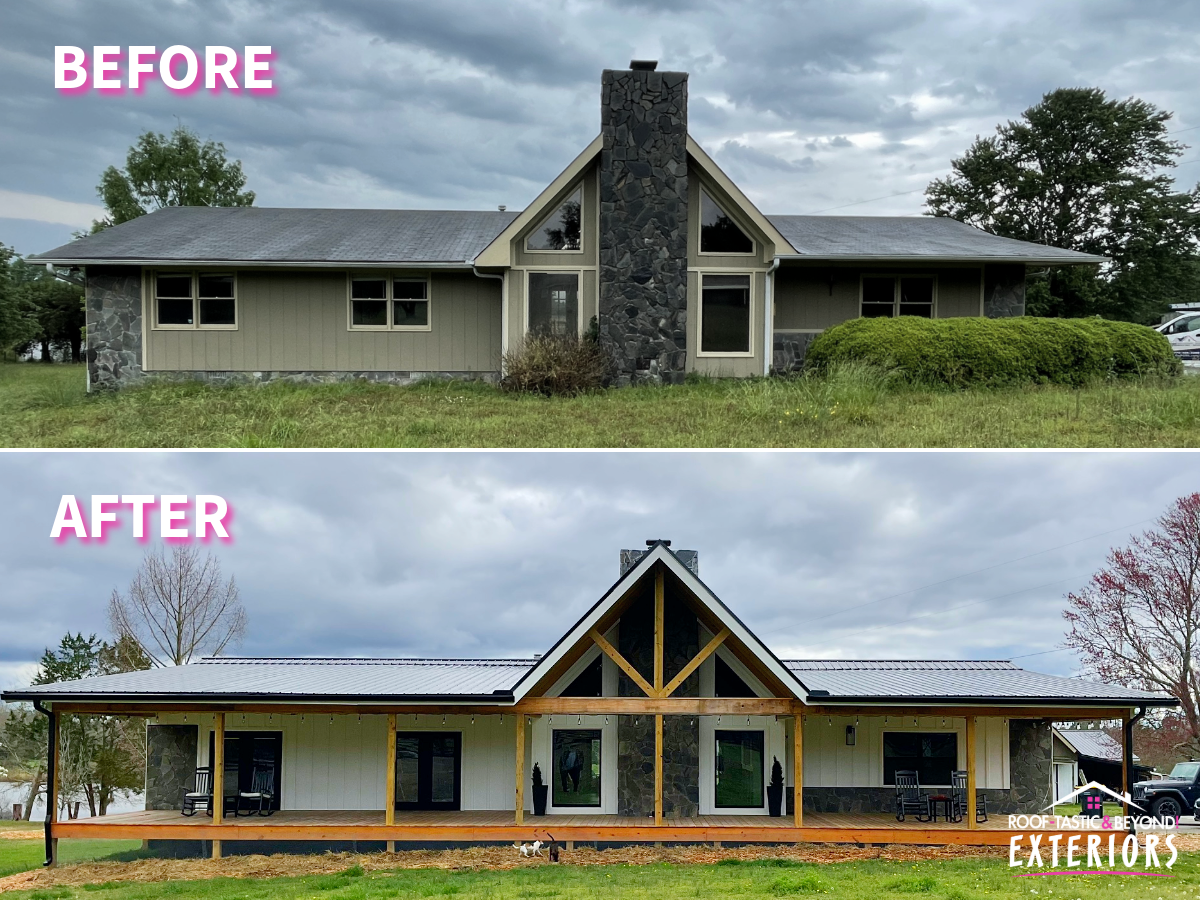
A metal roof can be durable, but insurance coverage still depends on the policy language. In the episode, a listener described paying a higher premium because of a metal roof, then having a storm claim denied.
Rollins warned that some insurers add cosmetic damage exclusions when policies renew. Under that type of exclusion, an insurer may deny coverage for dents or appearance-related damage if the roof does not leak or allow water into the home.
For example, hail can leave visible dents across a metal roof while the roof remains watertight. If the policy excludes cosmetic damage, the insurance company may not pay for replacement based solely on those dents.
Review renewal notices and policy changes carefully. Pay attention to exclusions, deductible changes, roof settlement terms, and coverage for wind or hail. A policy can change over time, so the coverage you remember buying may not match the current version.
A Practical Guide Before You Hire a Roofer
After storm damage, take enough time to compare companies and paperwork. The lowest bid can look appealing, especially when an unexpected repair is already straining the household budget. Yet a low bid may leave out necessary materials, proper insurance, permits, or labor needed to complete the job correctly.
Use these basic safeguards before you sign a roofing contract:
| Do | Don't |
|---|---|
| Hire a local company with an established reputation. | Sign because someone says the deal ends today. |
| Get more than one written estimate. | Choose solely because a bid is the cheapest. |
| Verify liability and workers' compensation insurance. | Accept a verbal promise that insurance will pay everything. |
| Review the scope, materials, payment schedule, and warranties in writing. | Pay a large upfront deposit without clear documentation. |
| Check delivered products against the contract. | Sign an insurance check to an unverified contractor. |
| Confirm the contractor has a real local address and references. | Let a contractor waive your deductible through false paperwork. |
If you decide to sign an insurance check over to a contractor, do so only after thoroughly checking the company's credentials, contract, insurance coverage, local reputation, and manufacturer standing. It is a common payment arrangement with some trusted contractors, but it gives the contractor access to money that is intended for your repair.
For additional consumer protection guidance, my book Don't Get Scammed, Get Smart covers patterns behind modern scams, including schemes that exploit homeowners after stressful events.
Protect Your Home Before the Next Knock at the Door
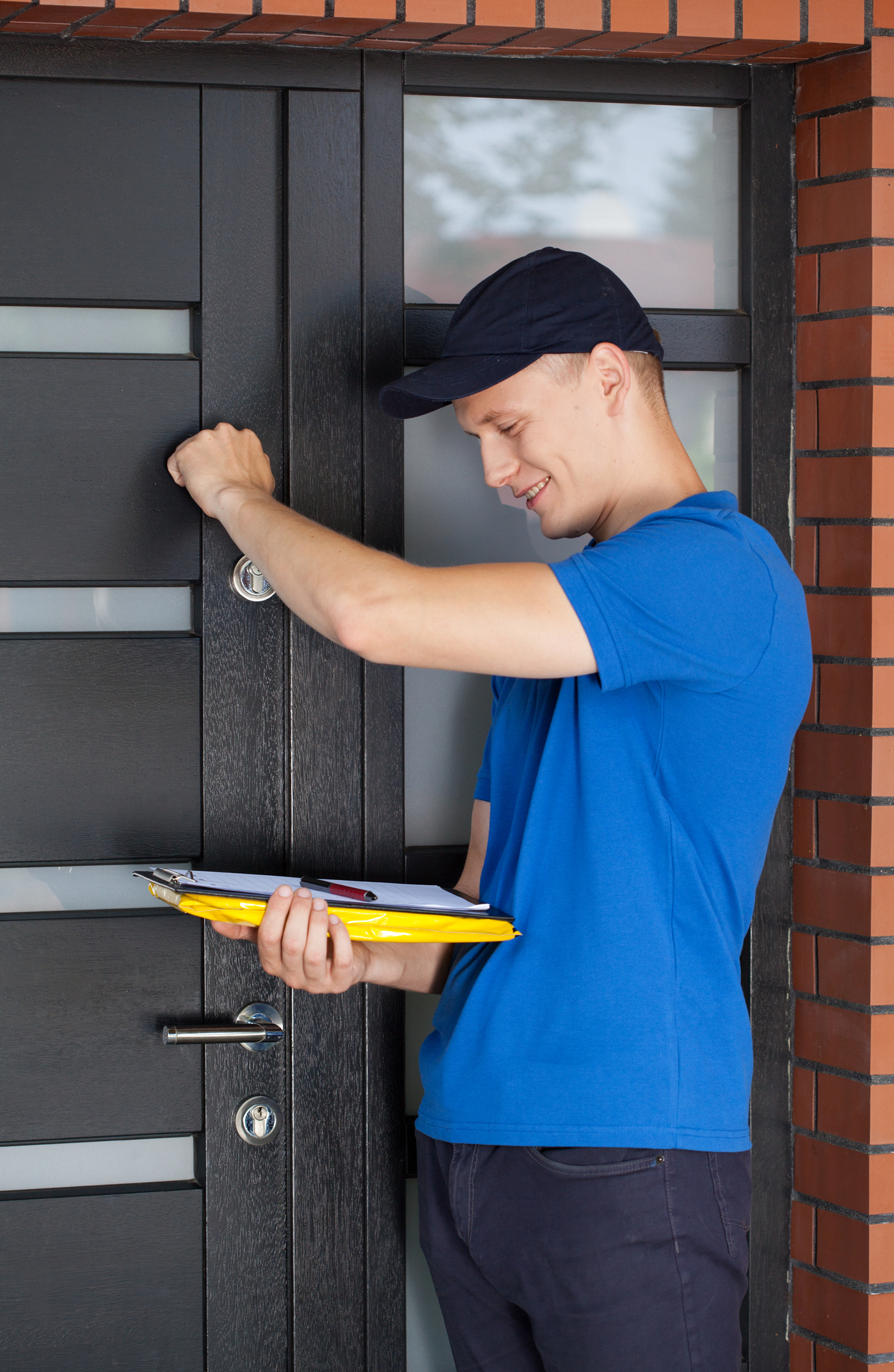
Storm damage creates urgency, and dishonest contractors know it. The safest response is to slow the process down enough to verify the company, review the paperwork, and understand what your insurance policy may cover.
A trustworthy roofer should document damage, answer direct questions, identify the materials in writing, and stand behind completed work. Pressure, vague promises, and missing paperwork point in the opposite direction.
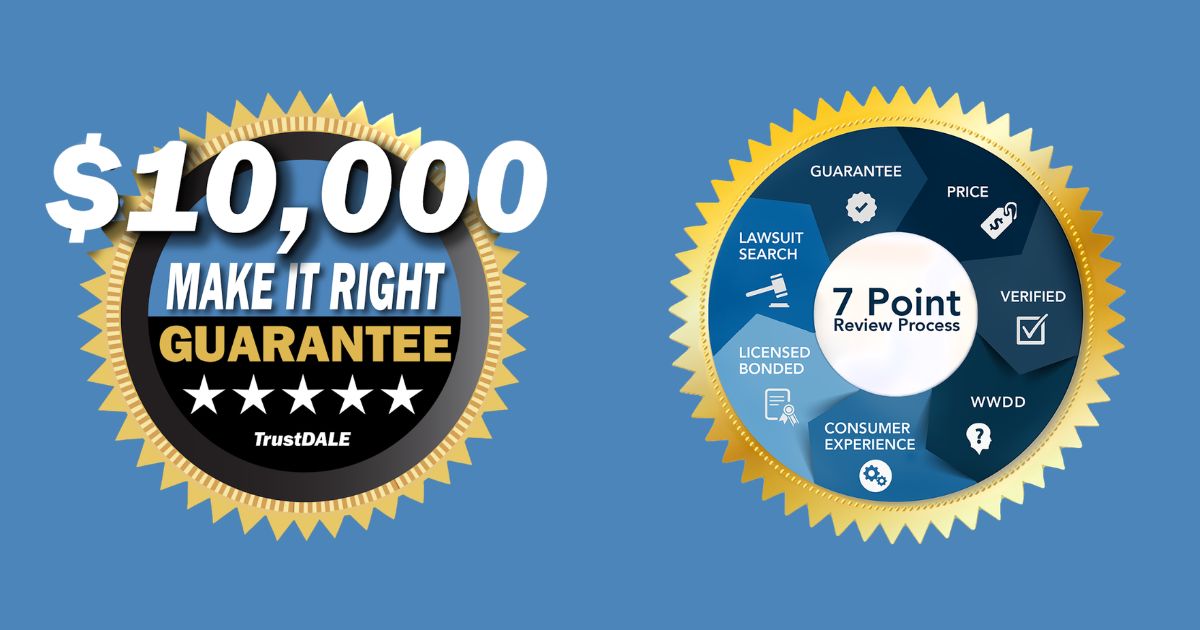
Your roof protects everything beneath it. Treat the contractor you choose with the same care you would give any major financial decision. Or better yet, stick with roofers like Roof-Tastic, who have already passed the TrustDale 7-point inspection process that insures great work at a fair price, backed by TrustDale's $10,000 Make It Right Guarantee. You can find them on TrustDale.com and contact them for a free estimate. Doing your homework before hiring a roofer is smart. Letting us do your homework for you and back it up with a $10,000 free-to-you guarantee.. even smarter!