


Storm damage doesn’t always announce itself with a ceiling stain or a missing shingle in the front yard. Sometimes it starts as a small lifted edge, a bruised-looking patch of granules, a gutter pulling away from the fascia, or a damp corner near the foundation where water has started choosing its own route. That’s where roof damage photos become a homeowner’s first map of what’s happening overhead.
In this guide, you’ll learn how to look at roof and exterior photos with a sharper eye, what kinds of images a roofer should be able to show you, and how gutters, downspouts, and grading can turn a roof problem into a bigger home problem.
You’ll also get a simple seasonal inspection checklist, guidance on when to call a professional, and a better sense of what solid documentation looks like before you approve repairs or file an insurance claim.
Start With the Wide Shots
A good roof photo set should begin with context.
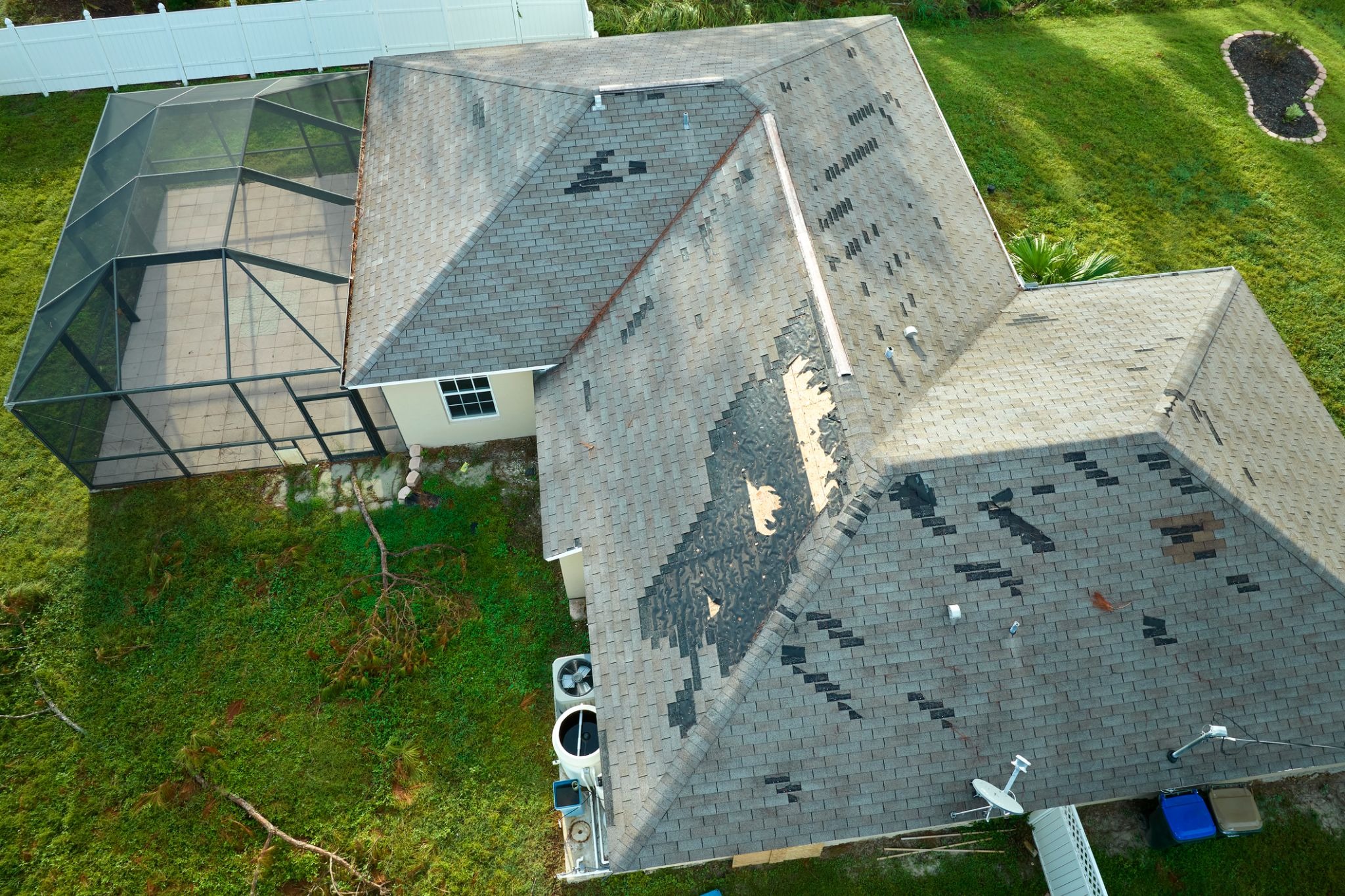
Before zooming into damaged shingles or flashing, look for wide shots that show the slope of the roof, nearby trees, valleys, gutters, chimneys, skylights, vents, and the general direction water travels during a heavy storm. Close-up photos are useful, but without a wider view, it’s easy to miss the reason the damage happened in the first place.
Pay attention to repeated patterns. A single torn shingle may be a small repair, but a whole row of lifted shingles along the same slope? That can suggest wind exposure, fastening issues, aging materials, or another condition a roofer needs to evaluate in person.
Photos of valleys deserve even more attention, because that’s where water is supposed to move quickly and cleanly toward the gutters. Debris, shingle wear, damaged flashing, or heavy granule loss in those areas can turn a normal rainstorm into a slow leak.
The Close-Ups Should Tell a Clear Story
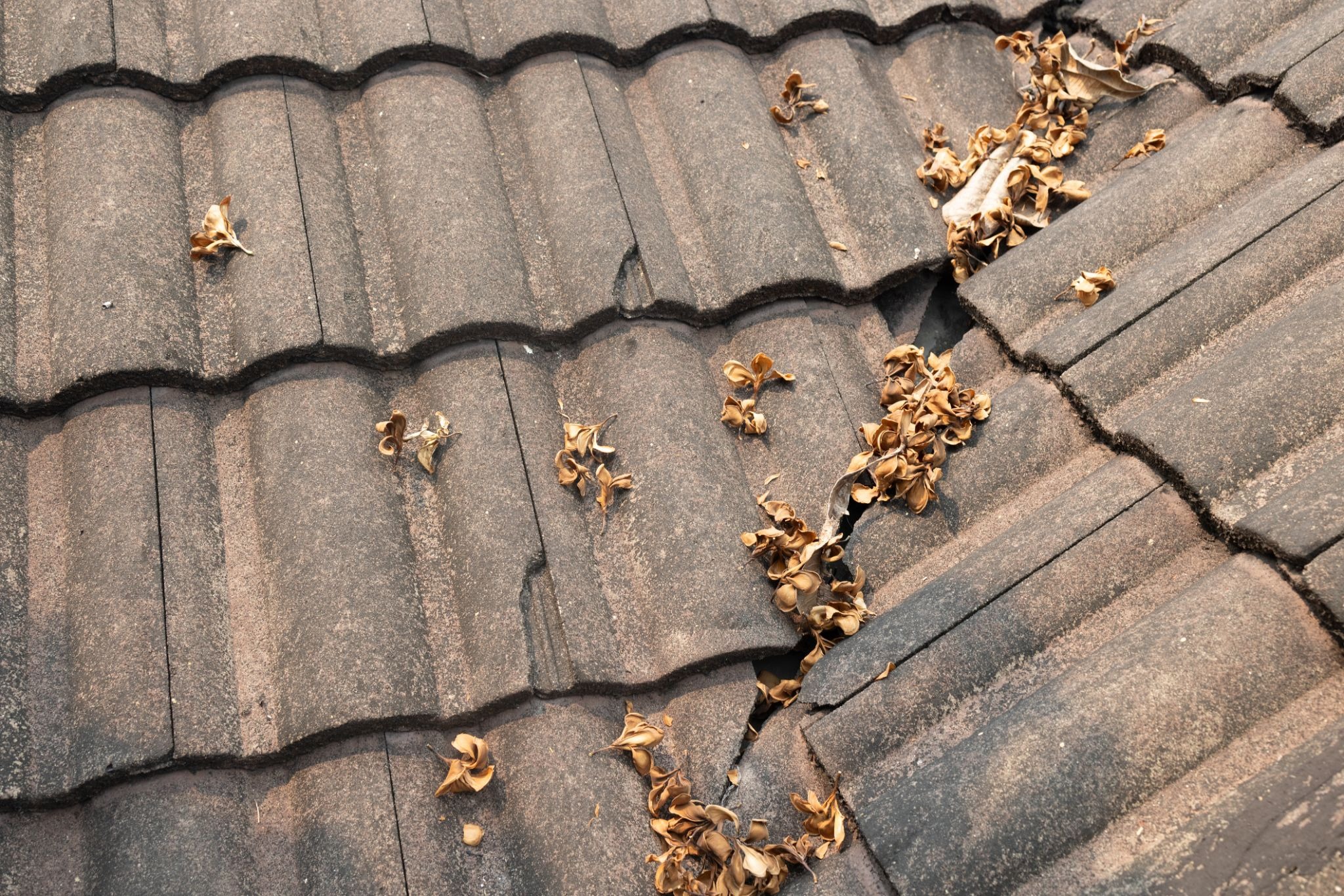
Close-up roof photos should be sharp enough for you to understand what you’re seeing without guessing. Ask yourself whether the image shows a specific problem or just a vague dark patch. Strong photo evidence may show cracked shingles, missing tabs, exposed nails, damaged flashing, punctures, sealant failure, or granule loss that looks different from normal aging.
Granules especially deserve a closer look after storms. They protect asphalt shingles from sun exposure, and when large amounts wash into gutters or pile up near downspouts, the roof may be wearing faster than expected.
A roofer should be able to explain whether the photo shows fresh storm damage, age-related wear, or a condition that needs monitoring rather than immediate replacement.
Don’t Ignore the Gutters and Ground
Roof photos shouldn’t stop at the roofline. Gutters, downspouts, fascia boards, splash blocks, soil slope, and low spots around the foundation all help determine where stormwater goes. When one part of that system fails, the rest of the home often gets dragged into the problem.
Look for photos showing sagging gutters, separated seams, overflowing corners, clogged downspouts, water stains on siding, washed-out mulch, or soil that slopes toward the house. Those details may explain why a roof leak seems to appear only during hard rain or why water keeps collecting near one side of the home.
A repair that only replaces shingles may not solve much if the drainage path still sends water backward, sideways, or straight toward vulnerable areas.
A Seasonal Check Homeowners Can Actually Do
You don’t need to climb onto the roof to catch many warning signs. A safe walkaround from the ground can reveal enough to know when it’s time to bring in a professional.
Use this checklist after major storms and at least once in spring and fall:
• Look for missing, curled, cracked, or lifted shingles from the ground
• Check gutters for sagging sections, overflow stains, or granules near downspouts
• Make sure downspouts discharge several feet away from the foundation
• Scan ceilings and attic areas for stains, damp insulation, or musty odors
• Watch for water pooling near the house after rain
• Take your own photos from consistent angles so changes are easier to compare later
Keep the photos in a folder with dates. That small habit can help you explain when damage appeared, whether it worsened, and what areas a contractor should inspect first.
When the Photos Say “Call a Roofer”
Some roof issues can wait for a routine inspection. Others should move higher on the list.
Call a roofing professional if you see missing shingles, exposed underlayment, visible punctures, active leaks, stained ceilings, damaged flashing around roof penetrations, or gutter damage that appears to be pulling on the roof edge.
During a contractor visit, expect more than a quick glance and a repair number. A thorough roofer should inspect the roof surface, flashing, ventilation points, gutters, attic conditions when accessible, and exterior drainage concerns. They should also be willing to walk you through their photos in plain language.
If the explanation feels rushed or the photos don’t match the proposed work, ask for clarification before signing anything.

Build Storm Resilience Before the Next Season
Preventative upgrades are often easier to schedule during slower roofing seasons, especially before severe weather puts contractors in emergency mode.
Depending on your home, that may include replacing worn shingles with more durable materials, improving flashing details, adding gutter guards where appropriate, extending downspouts, correcting drainage near the foundation, or replacing undersized gutters that overflow during heavy rain.
For insurance documentation, take photos before temporary repairs, keep invoices and inspection notes, and save images that show both close-up damage and surrounding context. A roofer who understands storm documentation can help you organize the evidence without turning the process into guesswork.
Get a Roofing Professional You Can Trust
Roof photos should make your decision easier, not leave you squinting at mystery stains and sales pressure. When you’re unsure what the damage means, or when a storm has affected both the roof and drainage around your home, a qualified roofing professional can separate urgent repairs from routine maintenance.
TrustDALE’s vetted and certified roofing and roof repair partners can help homeowners review storm damage, understand photo evidence, and get clear repair recommendations before small problems spread.
If your roof, gutters, or exterior drainage are showing signs of trouble, start with a professional inspection and a quote from a trusted local expert.