
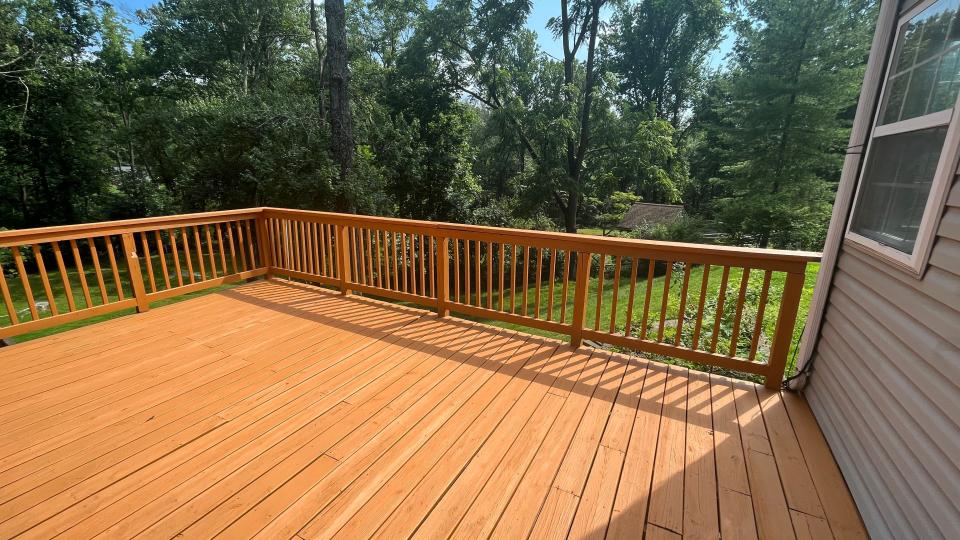
A well-built timber deck often lasts 10 to 20 years. Its real lifespan depends on the lumber, climate, drainage, construction details, maintenance, and daily use.
Excerpt: Most decks need meaningful repairs or replacement within 10 to 20 years. Water control, sound framing, and secure ledger connections matter more than surface appearance. Concealed rot can threaten the structure before damage becomes visible.
A deck can fade, splinter, and still remain structurally sound. Conversely, fresh stain can conceal rotted joists, loose railings, or an unsafe connection to the building. Poor workmanship can create those risks long before the walking surface looks old.
Key Takeaways
- A well-built wood deck commonly lasts 10 to 20 years, but climate, materials, drainage, construction quality, maintenance, and daily use can shorten or extend that range.
- Water management, proper flashing, sound framing, secure ledger connections, and corrosion-resistant hardware matter more than surface appearance alone.
- Surface damage such as fading, splintering, or a few cracked boards may be repairable, while rot, sagging, shifting posts, loose railings, and failed connections require prompt professional attention.
- Regular cleaning, finish maintenance, debris removal, and annual inspections can slow deterioration and reveal problems before they spread.
- Repair is usually practical when damage is localized and the framing remains sound; widespread structural rot, unsafe connections, or failed footings may make replacement more sensible.
How Long Do Different Deck Materials Last?
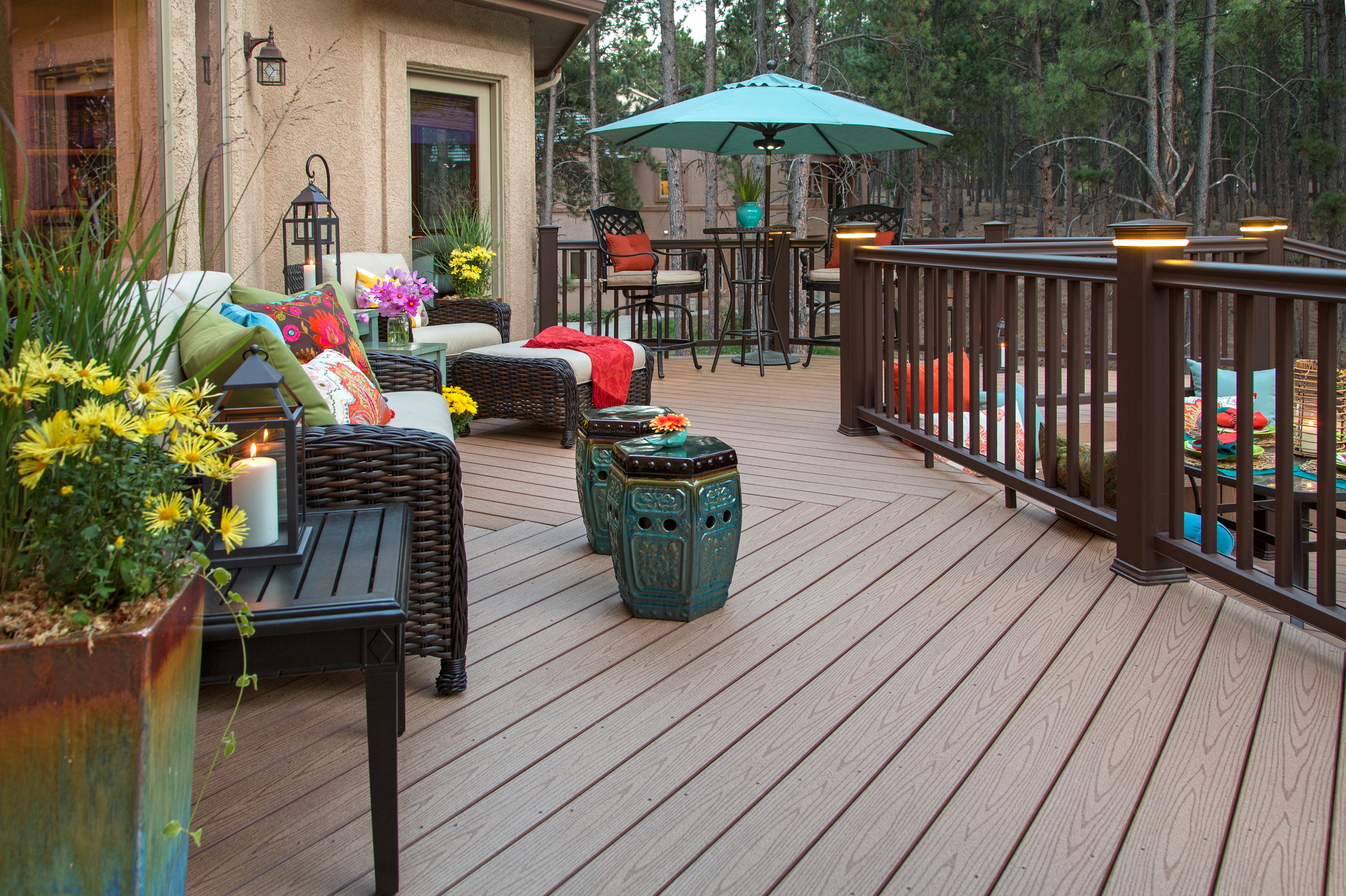
No single lifespan applies to every deck. Pressure-treated wood, the most common framing and surface material, often lasts 10 to 20 years when installed well and maintained. Wet, shaded conditions can cause rot much sooner.
Cedar and redwood resist decay better than untreated softwoods, but both need protection from sun and moisture. Their natural wood appearance appeals to many property owners, while failed stain or sealer can leave surfaces bleached and cracked.
Dense hardwoods can last several decades because they resist moisture and pests. Exotic hardwoods such require careful installation and compatible fasteners.
The deck's parts do not age at the same rate. Deck planks receive direct sun, rain, furniture movement, and foot traffic. Meanwhile, deck boards, joists, beams, posts, stairs, railings, and ledger boards can hold moisture where damage is harder to see. A surface may look serviceable while the framing below has begun to fail.
And weather plays a huge role. Humid summers, frequent rain, freeze-thaw cycles, and strong sun all accelerate wear.
What changes a deck's expected lifespan?
Water is wood's persistent enemy. Rain that drains through spaced boards isn't usually the problem. Water trapped against framing, collected around posts, or directed beneath the deck without a path out can feed fungal decay.
Several construction details shape how long a deck remains safe:
- Proper board spacing lets water escape and gives boards room to expand and contract.
- Flashing at the ledger, the connection between a deck and a house or building, keeps water out of the wall assembly.
- Corrosion-resistant connectors, screws, bolts, and joist hangers protect critical connections.
- Posts and footings need to meet local code requirements and resist movement in soil.
- Open airflow below the deck helps framing dry after storms and humid weather.
Pest activity, soil contact, heavy furniture, and frequent commercial foot traffic can shorten a deck's life. Rot and insects can damage wood quickly when moisture remains trapped. A deck that gets a lot of use needs closer oversight than a lightly used backyard platform.
Responsible sourcing, long service life, and lifecycle impact also matter when choosing sustainable deck materials.
A deck rarely fails because of one weathered board. Failures usually begin where water, weak connections, and neglected framing meet.
How long do the main deck materials last?
Material choice affects care, cost, appearance, and the future repair plan. The frame beneath any surface still needs routine inspection. Comparing deck materials helps property owners weigh durability against installation demands and long-term upkeep.
| Material | Typical durability | Maintenance needs | Key trade-off |
|---|---|---|---|
| Pressure-treated wood | About 10 to 20 years | Cleaning, sealing, board replacement | Lower upfront cost, more upkeep |
| Cedar or redwood | Often 15 to 25 years | Regular sealing or staining | Natural appearance, higher cost |
| Ipe and other hardwoods | Often 25 years or longer | Periodic cleaning and finish care | Long life, difficult installation |
| Composite decking | Often 25 to 30 years or more | Low, routine washing | Higher initial cost, can stain or scratch |
| PVC decking | Often 25 years or more | Low, routine washing | Higher cost, heat and expansion concerns |
Composite decking can outlast many wood surfaces, but it does not make the structure permanent. Joists, beams, fasteners, railings, footings, and ledger connections still need inspection. A specialist may also need to reinforce older framing before installing a heavier or differently spaced surface system.
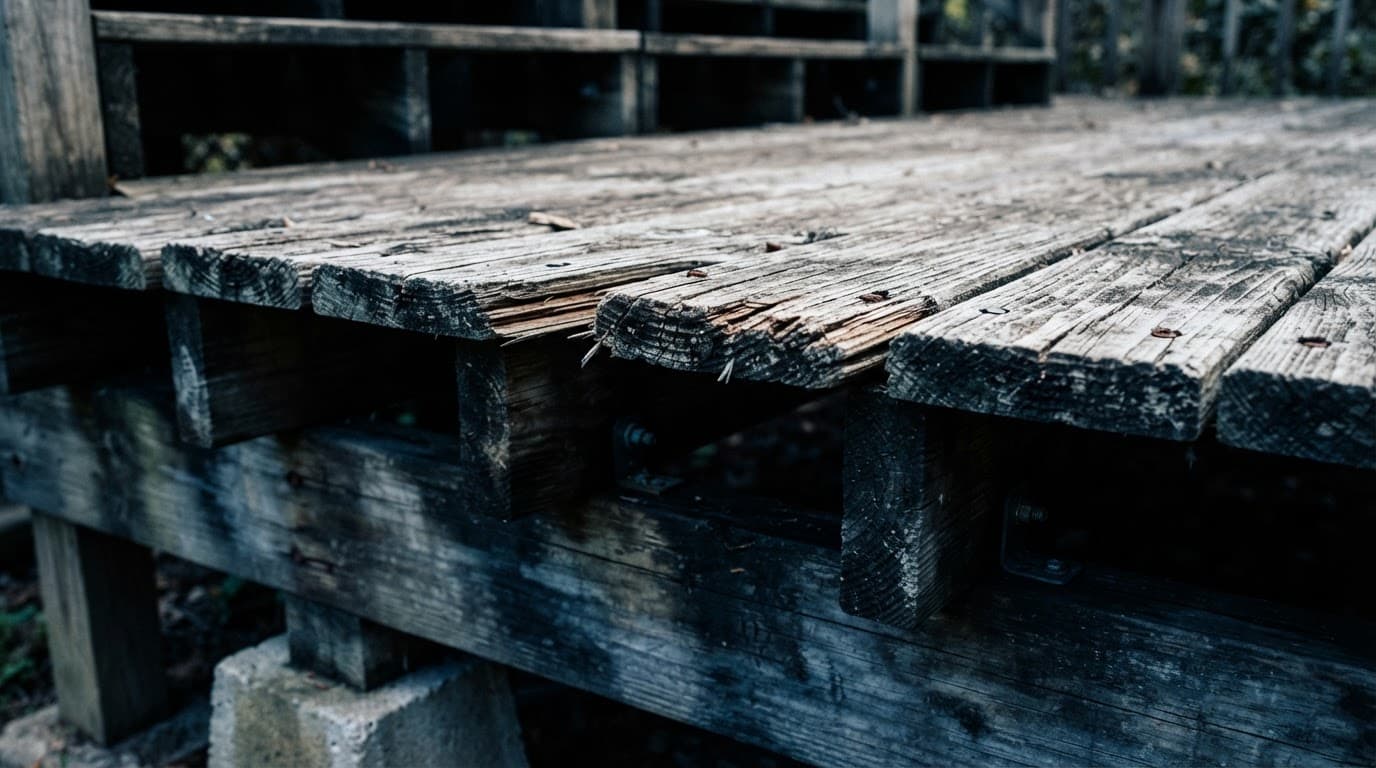
The Warning Signs That a Timber Deck Needs Repair or Replacement
Visual checks help identify problems, but they do not replace a qualified structural inspection. This matters most for elevated decks, commercial decks, older construction, and platforms attached to a building.
A deck can appear stable during a casual walk-through even when its ledger, fasteners, or hidden framing has weakened. Weight from guests, equipment, planters, or snow can expose a defect that was not obvious before.
Surface damage that may be repairable
Some damage belongs in a normal care plan. Cracked, splintered, cupped, or faded boards often need sanding, refinishing, or individual replacement. Loose screws can be reset or replaced with compatible corrosion-resistant hardware.
Peeling stain does not automatically mean the wood has failed. First, a qualified specialist should clean the surface and check whether boards remain firm. Stain or paint should never cover soft, crumbling wood. A coating can make decay less visible while it continues underneath.
Minor movement may also have a simple cause, such as a loose board or fastener. However, movement that affects multiple boards, the railing, or stairs points to a larger issue.
Structural problems that should not be ignored
Rot in joists, beams, posts, ledger boards, stair stringers, or rail supports requires prompt attention. A screwdriver can sometimes reveal soft wood, but probing alone cannot establish whether a member still carries its required load.
Visible sagging, post movement, sinking footings, detached ledger hardware, rusted connectors, and wobbly railings are all serious warnings. Stairs that shift underfoot and railings that flex can lead to falls. A failed ledger connection can pull a deck away from the building.
How Maintenance Extends Deck Life
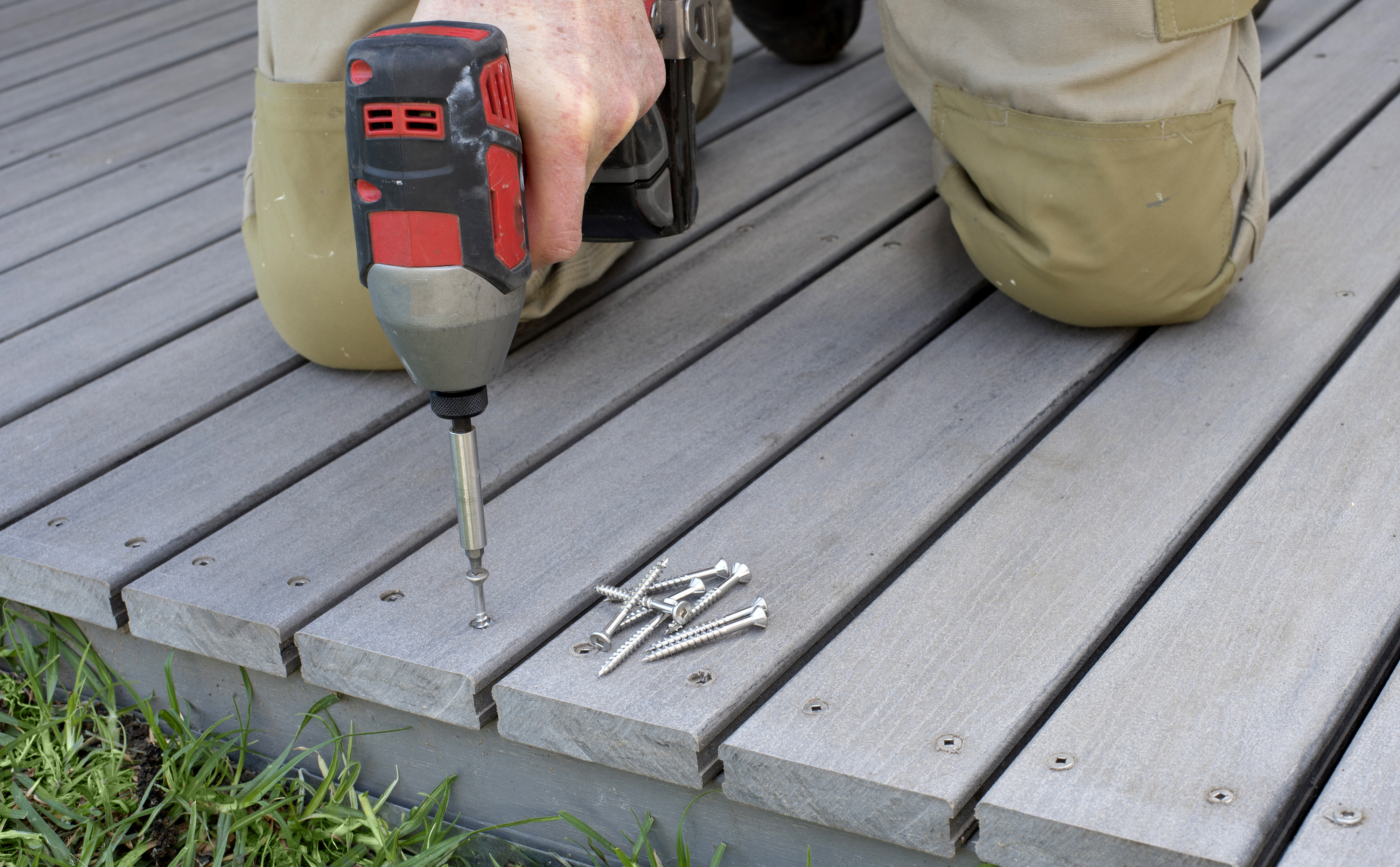
Maintenance cannot correct undersized framing, poor footings, or a failed ledger connection. It can slow ordinary weathering and reveal small problems before they spread.
Sweep away leaves, pine needles, soil, and debris from gaps between deck boards, wall intersections, and rail posts. These materials hold moisture against the wood. Clean the surface with a product suitable for the lumber and finish, then let it dry fully before applying stain or sealer.
Inspect the finish every year. In a typical climate, reapply a compatible stain or sealer about every two to three years, when the surface begins absorbing water. Wet, shaded, or intensely sunny conditions may require earlier checks, sometimes annually. Follow the product manufacturer's instructions. Cedar, redwood, pressure-treated wood, and hardwoods may require different products and intervals.
Pressure washers can damage wood fibers when operators use excessive pressure or hold the nozzle too close. Aggressive cleaning may leave the deck looking clean, but feeling rougher and splintering sooner.
Water management extends beyond the deck itself. Gutters, downspouts, grading, and landscaping should direct water away from the structure. Shrubs packed against framing can trap moisture and reduce airflow.
A simple deck inspection schedule
An annual review works for most residential decks. Commercial, elevated, or heavily used decks may need seasonal checks. Major storms, flooding, and fallen tree limbs also justify another inspection.
During an inspection, check:
- The ledger attachment and flashing where the deck meets the structure.
- Posts, footings, beams, and joists for cracking, rot, rust, or movement.
- Stairs and railings for looseness, missing fasteners, and damaged connections.
- Board ends, areas beneath planters, and low spots where water collects.
- Gaps between boards and around posts that no longer drain properly.
Older elevated decks deserve professional evaluation even when the surface remains attractive. Routine care helps, but it cannot verify hidden structural capacity.
Cost to Build, Repair, or Replace a Deck
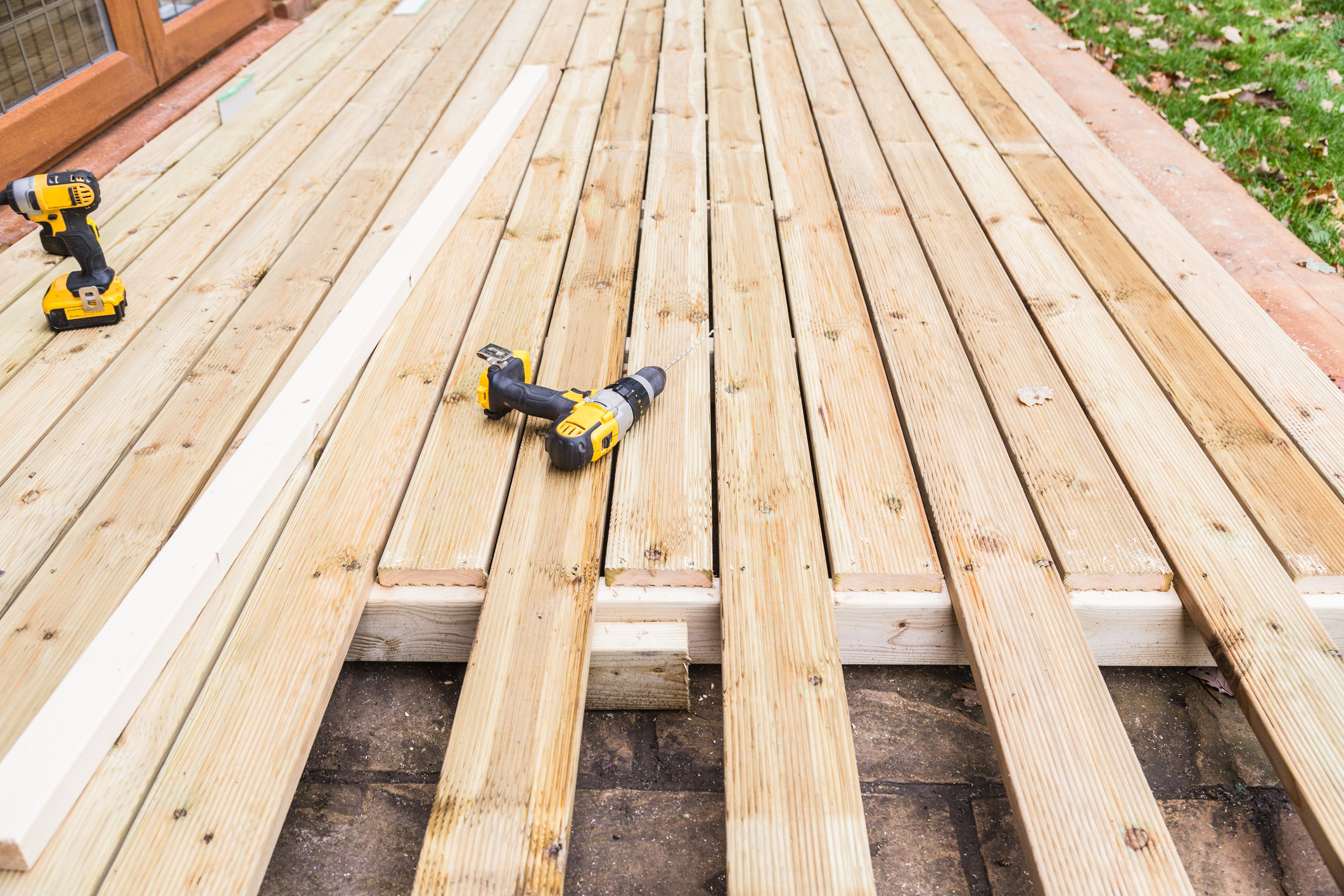
The cost to build a deck depends on square footage, height, layout, stairs, railings, deck materials, site access, demolition, permits, local labor costs, and required engineering. Layout choices also shape the deck design and overall complexity. The cost to build a wood deck can vary widely when framing conditions, access, and foundation requirements change.
If you're building a deck, use design software to test dimensions, stair placement, railing layouts, and material quantities before requesting bids. The same design software can help refine the deck design before construction begins. Stairs, railings, height, and difficult access can also increase labor costs.
For broad planning purposes, many professionally built decks cost roughly $25 to $50 or more per square foot. A 300-square-foot project may therefore cost about $7,500 to $15,000 or more, depending on square footage and site conditions. The cost to build a deck can rise substantially with complex foundations, extensive rail systems, or difficult excavation.
Pressure-treated wood often costs less upfront than premium options. Composite decking, exotic hardwoods, and black locust can raise the total, while sustainable sourcing and lifecycle goals may influence the choice. Trex's deck longevity overview also distinguishes recurring wood maintenance from the longer service life often expected from composite surfaces.
Repairs cost less when damage is isolated. Replacing a few boards or tightening hardware differs sharply from rebuilding rotten framing or excavating failed footings. Replacing surface materials doesn't eliminate the cost of repairing joists, beams, footings, or ledger connections.
When repair makes more sense than replacement
Repair often makes sense when a deck has localized surface wear, a few failed boards, or limited hardware issues, while the framing remains dry and sound. Maintenance needs may be manageable when structural damage is limited. An inspection should determine whether replacement boards will rest on framing with enough life left to justify the expense.
The cost to build a replacement becomes more practical when rot appears across joists, beams, posts, or the ledger. Replacement also makes sense when the original structure lacks safe connections, has shifting footings, or needs extensive work to meet current requirements.
Major estimates should separate square footage, materials, structural repairs, permit fees, labor costs, disposal, cleanup, and warranty terms. Compare labor allowances as well as the proposed deck design in each written scope. Comparing at least two detailed scopes can expose large differences in what each contractor plans to rebuild.
How to Avoid Unsafe Deck Work and Construction Scams
An unusually low contractor bid may omit footings, flashing, proper fasteners, permits, demolition, or realistic labor costs. The finished deck can look polished while its connections remain unsafe. Shoddy work often hides behind trim boards, paint, or a new surface layer.
Consumers and commercial managers should be cautious when a builder demands a large upfront payment, insists on cash, pressures a quick signature, or suggests skipping permits. Claims about licensing or insurance should be verified directly with the issuing agency or insurer.
A contractor's written contract should explain how the company will attach the ledger, flash the connection, support posts, build stairs, and install railings. Vague promises of "code-compliant work" don't replace a clear scope.
What a trustworthy deck estimate should include
A reliable estimate identifies the deck dimensions, layout, and square footage. It should list the lumber or board grade, framing plan, footings, ledger and flashing method, labor costs, railing and stair details, permit responsibility, dates, and payment schedule. The written estimate should also explain change-order rules, cleanup, warranty coverage, and current proof of insurance.
Frequently Asked Questions
How long does a wood deck usually last?
A well-built wood deck commonly lasts 10 to 20 years. Pressure-treated wood often falls within this range, while cedar, redwood, and hardwoods may last longer with proper care and favorable conditions.
What causes a wood deck to fail early?
Trapped moisture, poor drainage, inadequate flashing, weak ledger connections, soil contact, pests, and poor construction can shorten a deck's life. Wet or shaded conditions and heavy use can accelerate rot and structural wear.
Can a weathered deck be repaired instead of replaced?
Yes, if the damage is limited to individual boards, finish, or minor hardware issues and the underlying framing remains sound. Widespread rot in joists, beams, posts, or the ledger usually makes more extensive reconstruction or replacement necessary.
How often should a wood deck be inspected?
Most residential decks should receive a thorough inspection at least once a year. Elevated, commercial, or heavily used decks may need seasonal checks, as well as additional inspections after major storms, flooding, or impact from fallen trees.
Does composite decking eliminate structural maintenance?
No. Composite decking may last 25 to 30 years or more, but joists, beams, posts, footings, railings, fasteners, and ledger connections still require regular inspection and maintenance.
A Deck's Age Is Only Part of the Story
A wooden deck commonly lasts 10 to 20 years, but age alone cannot confirm whether its structure remains safe. Moisture control, sound design, material quality, and construction shape durability; composite decking may last longer, but it cannot make the structure permanent.
Repair and replacement decisions should begin beneath the boards, with the framing, footings, ledger connections, stairs, and railings. Careful construction and documented accountability support safety; maintenance cannot replace regular inspection. An experienced contractor can help you decide what decking material works best in your space, climate and budget. You can find vetted deck builders to inspect, repair or replace your deck at Trustdale.com. And they're backed by TrustDALE's $10,000 Make It Right Guarantee.