
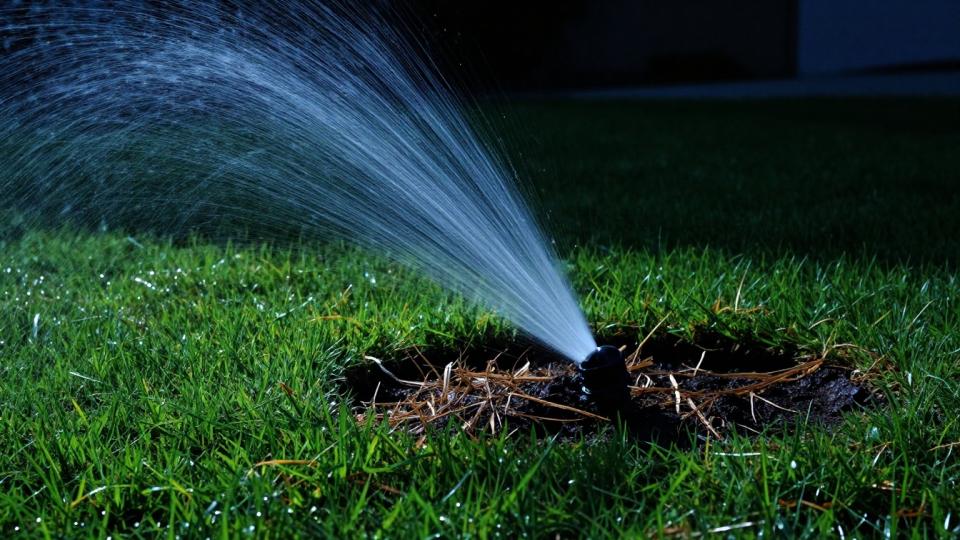
Excerpt: A brown lawn rarely means water alone has failed. The real problem often sits below the surface, where roots, soil, drainage, heat, and irrigation coverage meet.
A lawn turning brown despite regular watering can point to a problem that more sprinkler time won't solve. Stressed turf grass may still dry out when roots stay shallow, soil repels moisture, or a damaged irrigation zone misses part of the turf.
Heat, pests, fungal disease, heavy foot traffic, and seasonal dormancy can produce similar symptoms. A careful inspection supports better lawn care, prevents wasted water, and avoids treating a soil problem as a watering problem.
Key Takeaways
- A brown lawn does not always need more water; shallow roots, compacted or hydrophobic soil, poor drainage, heat, pests, disease, and seasonal dormancy can all cause browning.
- Check irrigation coverage with containers, inspect soil moisture below the surface, and look for patterns that point to runoff, compaction, sprinkler failure, or other causes.
- Water deeply and less frequently when conditions and local rules allow, preferably in the early morning, and avoid watering during peak heat or in violation of restrictions.
- Match repairs to the diagnosis: aerate compacted soil, correct irrigation problems, maintain proper mowing height, and use fertilizer or pesticides only when evidence supports them.
- Seek professional help when brown areas spread, recur, involve drainage or irrigation failures, or may be caused by insects or fungal disease.
Why Your Lawn Is Turning Brown Despite Regular Watering
Watering frequency and effective lawn care are different things. Light, daily irrigation often wets only the top inch or two of soil. Grass roots then remain near the surface, where summer heat can dry them quickly. Longer, less frequent watering, when soil conditions and local rules allow, usually supports deeper root growth.
Sprinkler systems can also create false confidence. A blocked nozzle, low pressure, tilted head, or broken line can leave a dry wedge in an otherwise watered lawn. Water may run down a slope or off compacted ground before it has time to soak in.
Adequate moisture alone does not ensure good soil health. Roots also need oxygen, structure, and biological activity to stay strong.
Grass type matters. A warm season grass such as bermudagrass or zoysiagrass can turn tan during drought or cold weather, then green up when suitable conditions return. A cool season grass such as fescue or Kentucky bluegrass often struggles during sustained summer heat. South Dakota State University Extension notes that brown turf during drought is often temporary, particularly when the grass crowns remain alive. Its guidance on drought-stressed lawns explains why a brown appearance doesn't always mean the lawn has died.
Signs of drought stress include folded blades, a blue-gray cast, and footprints that remain visible after someone crosses the grass. Circular or irregular brown patches can indicate fungal disease, although an inspection is needed to confirm it. Brown turf with wet, sour-smelling soil points in another direction. So does grass that pulls up easily.
The soil may be blocking water from reaching the roots
Soil compaction is common near sidewalks, play areas, loading zones, and heavily used commercial entrances. It limits water, oxygen, and root development. A simple test involves pushing a screwdriver into moist ground. If it stops after an inch or two, compaction may be limiting the root zone.
Heavy clay can puddle after irrigation, then dry hard at the surface. Thatch, the dense layer of stems and roots between grass blades and soil, can also hold water above the roots. In dry periods, some soils become hydrophobic and shed water instead of absorbing it.
Property managers can check moisture several inches below the surface with a soil probe, screwdriver, or small hand trowel. Wet soil at the top and dry soil below often reveals a shallow watering pattern. Fast runoff on slopes and persistent pooling in low spots reveal drainage problems. A soil test can help identify pH, nutrient, or salinity problems, but it won't diagnose fungal disease or sprinkler failure.
Core aeration is an appropriate response to compacted soil. Compost worked into thin or bare areas and measured thatch removal can also improve root conditions. These repairs take time. Core aeration improves water and oxygen movement, but it won't turn a lawn green overnight.
Brown patches can point to pests, disease, or pet damage
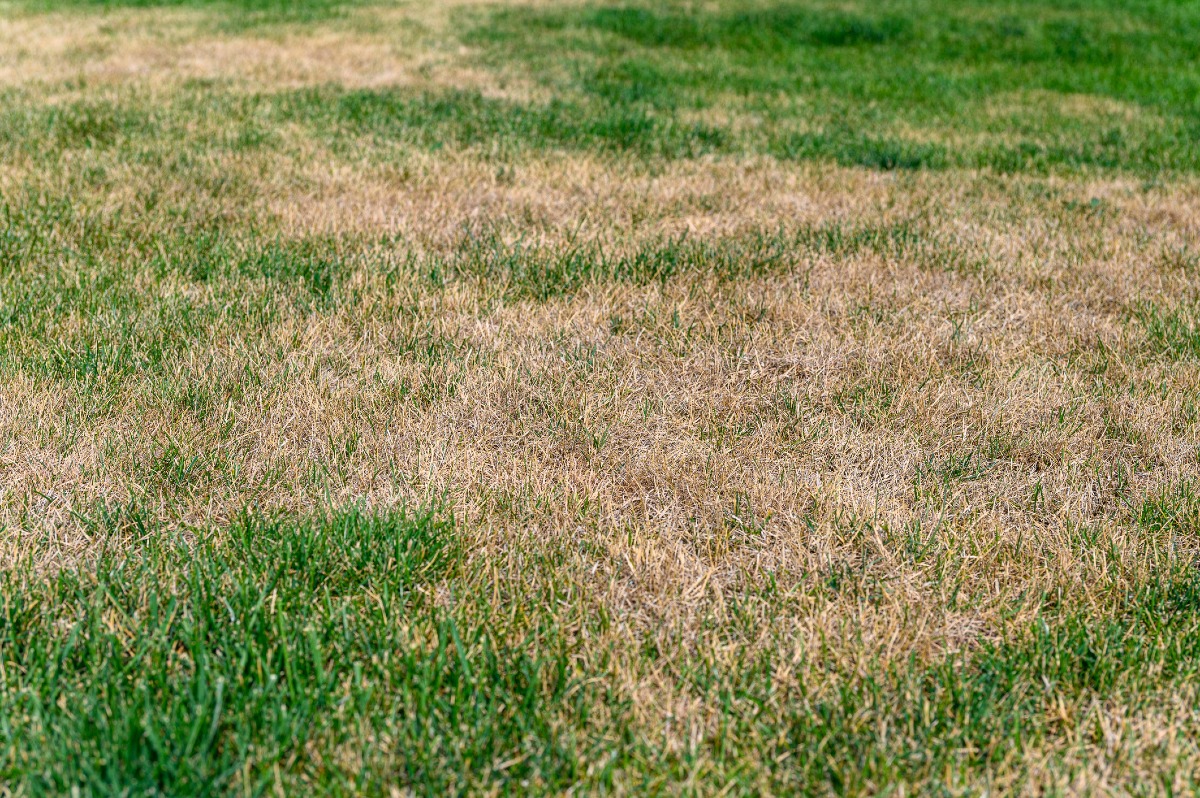
The shape and placement of a brown area offer useful evidence. Broad, uneven dry sections may match poor sprinkler coverage. Small circular patches can suggest fungal disease, although only an inspection can confirm it. Thinning under mature trees often comes from shade and root competition for water.
Drought stress usually produces folded blades and dry soil, while fungal disease may appear despite adequate moisture. Saturated soil and poor sprinkler coverage can create different patterns. Comparing these signs helps narrow the cause before treatment begins.
Damage along pavement may come from reflected heat, salt exposure, compacted soil, or mower stress. Stripes that follow a mowing route may indicate dull blades or a mower deck set too low. Fertilizer burn often appears as sharp-edged streaks or spots after an uneven application. Even organic fertilizer can damage stressed turf when applied at the wrong time or rate, so follow the product label and never exceed its bag rate.
Weeds may compete with grass for moisture, but their presence does not prove they caused the brown turf. Use weed control only after identifying the weed and evaluating the grass's condition. A post-emergent product should be selected only when the weed is known and the turf is not under severe stress.
Grubs and other soil insects can weaken roots, but dead-looking turf alone doesn't prove their presence. Pull back a square of sod and inspect the soil and roots before selecting a treatment. Concentrated pet urine can create small burned areas, often with darker green grass around the edge.
Chemicals chosen without a diagnosis can damage stressed turf, disrupt beneficial soil organisms, and add expense without fixing the cause.
How to Find the Real Cause Before Changing the Watering Schedule
A practical inspection starts with irrigation coverage. Place several straight-sided containers, such as empty tuna cans, across a zone. Run the system for a normal cycle and compare the collected water. Major differences show where heads, pressure, or overlapping spray patterns need attention.
Next, compare sunny and shaded turf. Check the ground beneath each area rather than judging moisture by surface color. Review recent rainfall and heat, then identify the grass variety if possible. Fescue, bermudagrass, zoysia, St. Augustine grass, and bluegrass don't respond to heat or drought in the same way.
Irrigation needs also change with soil texture, slope, pavement, and foot traffic. A fixed timer that ignores rain can overwater one area while missing another.
Use the grass and the ground as evidence
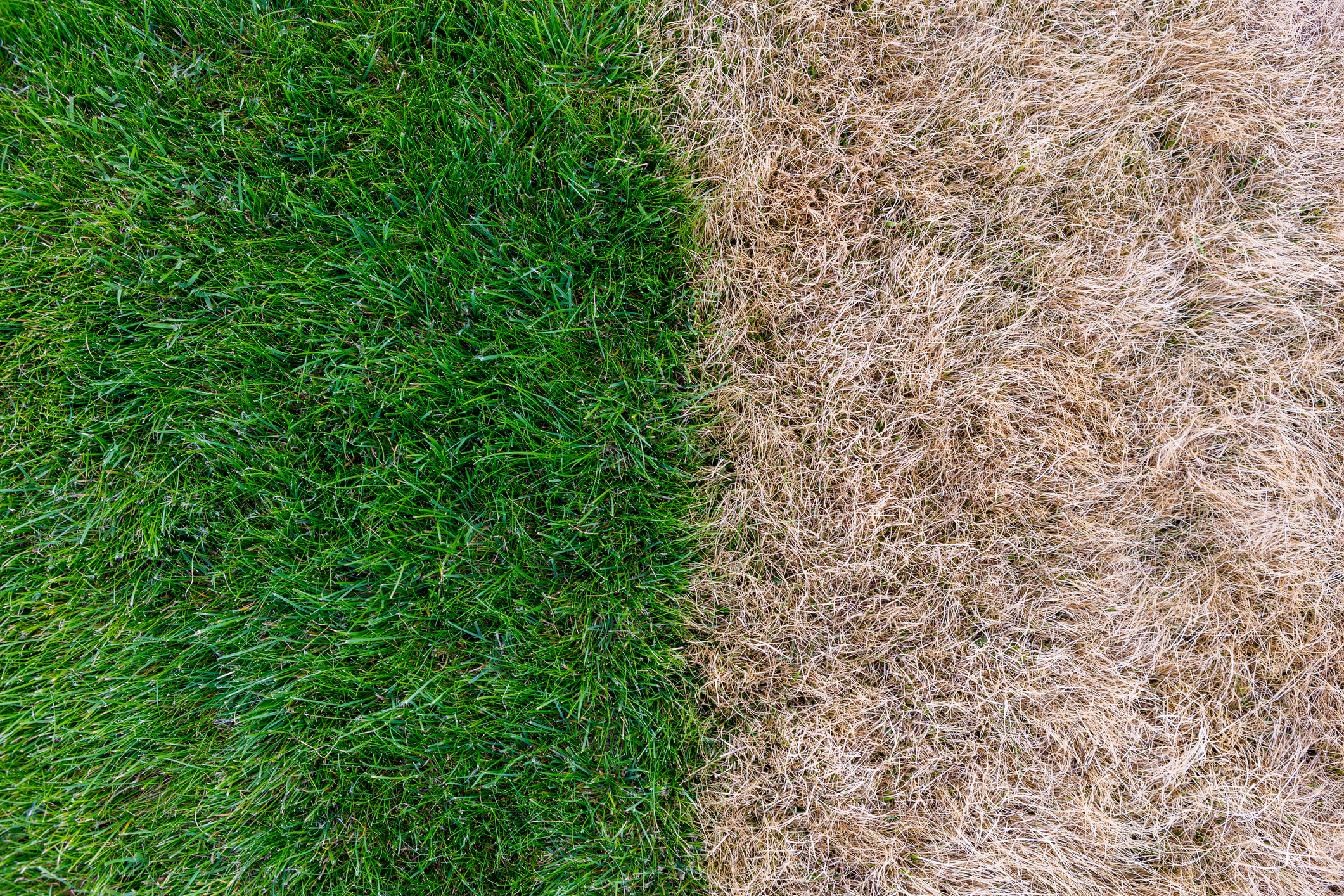
Folded blades and lingering footprints often indicate dry turf. Exposed soil and thin grass near entrances may point to compaction and traffic. Roots that feel mushy, smell foul, or sit in constantly wet soil suggest poor drainage or root decline.
Grass that pulls free with little resistance can have damaged roots from insects, fungal disease, drought, or saturated soil. A contractor should explain which evidence supports a diagnosis before recommending a pesticide, fungicide, or full turf replacement.
Commercial properties need a wider inspection route. Managers should compare irrigation zones, building edges, drive lanes, outdoor seating areas, and strips next to parking lots. Pavement increases heat and sheds water toward drains, while building overhangs can keep rain from reaching narrow landscape beds. Regular lawn maintenance should document these recurring problem areas on a property map, including drainage, traffic, irrigation zones, and sun exposure.
Check irrigation coverage, timing, and local water limits
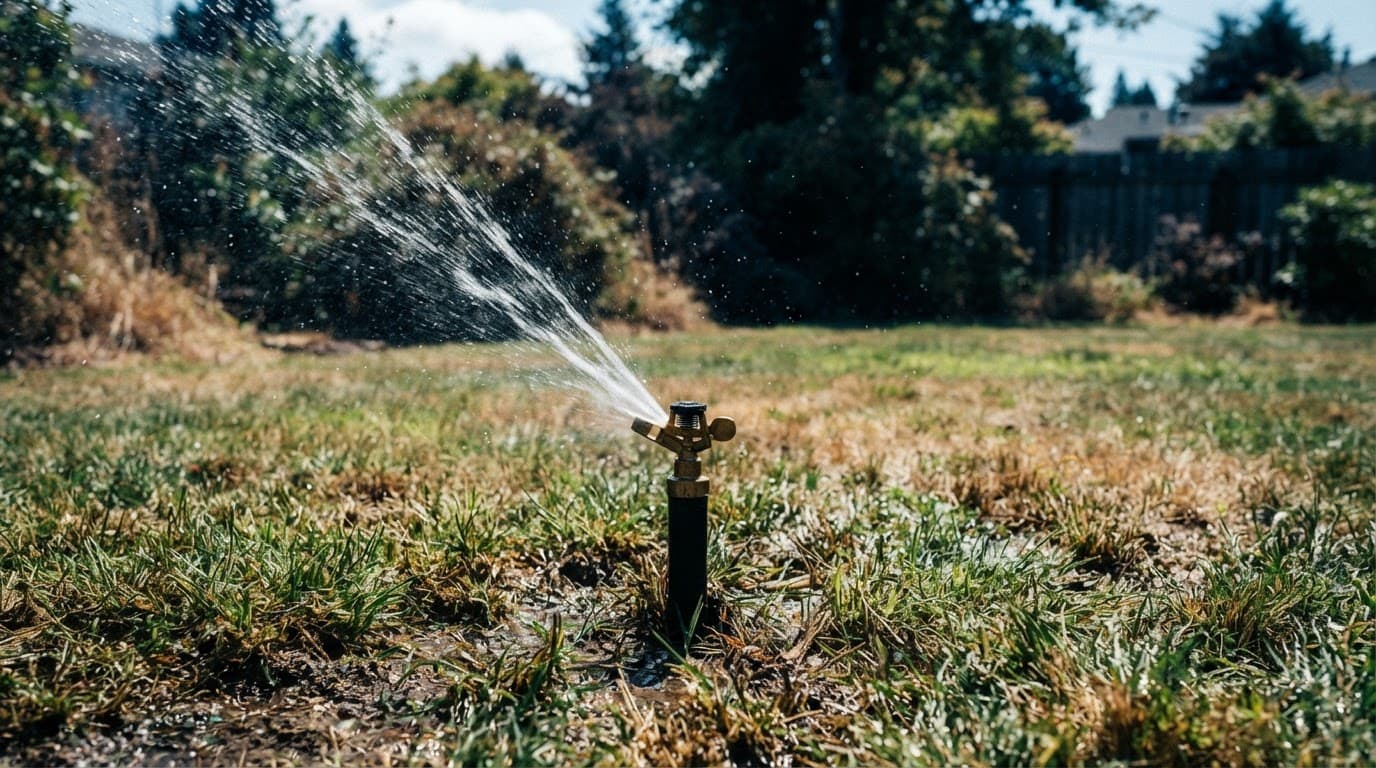
Broken sprinkler heads, leaks, poor pressure, short run times, and overspray onto pavement all produce uneven results. A rain sensor and a properly set smart controller can pause scheduled irrigation after rainfall. An irrigation audit can also reveal mismatched nozzles and zones that combine plants with different water needs.
Watering early in the morning generally reduces evaporation and gives leaf surfaces time to dry. Running irrigation during peak heat wastes more water, while evening watering can leave grass wet longer than necessary.
As of August 2026, the United States has no single lawn-watering rule. Water limits change by state, county, city, water district, and season. The Southwest, drought-prone western states, parts of the Southeast, and areas facing seasonal water shortages may impose limits on days, hours, or outdoor irrigation methods. Property owners should verify current rules with the local water authority before changing a watering schedule.
## Lawn Care Fixes That Can Restore Brown Grass Without Wasting Water
The right repair depends on the cause. A dry root zone may need longer irrigation cycles with time between them for water to soak in. Compacted areas may need core aeration. Thinning turf beneath trees may need a shade-tolerant grass, pruning that follows sound arboriculture practices, or a different planting plan.
Mowing affects recovery. A sharp lawn mower cuts cleanly, while a dull blade tears the grass blade and leaves brown tips. Keep grass at an appropriate height to shade the soil and reduce moisture loss. Follow the one-third rule, and never remove more than one-third of the grass height in a single mowing.
During severe heat, cutting too low places extra strain on grass with limited root activity. The one-third rule matters even more during heat or drought stress because taller turf protects the soil and reduces moisture loss.
Fertilizer cannot force a drought-stressed lawn back to health. Before adding fertilizer or changing soil amendments, consider a soil test. If fertilizer is appropriate, use the label's bag rate as the starting point. Apply granular products evenly with a broadcast spreader to reduce fertilizer burn, then calibrate the application to that bag rate and never exceed it. Organic fertilizer still requires correct timing and application.
Weed control is also conditional, not a universal fix for brown grass. A pre-emergent product can help prevent future weeds, but timing depends on the weed and local conditions. A post-emergent product targets existing weeds, but identify the weed first and protect drought-stressed turf.
New seed or sod can fail when installers skip soil preparation or cannot provide reliable moisture during establishment. Overseeding may help thin cool-season turf when seasonal temperatures are suitable, but seed still needs dependable moisture. Aeration, seed, fertilizer, and weed products should address confirmed conditions rather than replace a diagnosis.
Living dormant grass often greens up after weather moderates and the root system receives adequate moisture. Dead grass needs repair, reseeding, sodding, or a redesign of the affected area.
Do's for a healthier, more efficient lawn
- Test irrigation coverage with containers instead of assuming every head performs equally.
- Water early when local rules permit, then check moisture below the surface.
- Maintain sharp mower blades and keep grass at the recommended height for its variety.
- Use a soil test to guide fertilizer choices, follow the label's bag rate, and apply granular products evenly.
- Aerate compacted zones and correct thatch buildup when it limits water movement.
- Follow local watering restrictions and document recurring brown areas by location and date.
- Seek location-specific lawn care advice from a county extension office, water authority, or qualified lawn professional.
Don'ts that can make brown grass worse
- Don't water briefly every day, because shallow watering encourages shallow roots.
- Don't run irrigation during the hottest part of the day, when evaporation and runoff increase.
- Don't ignore leaks, broken heads, or spray that lands on pavement.
- Don't apply fertilizer to grass under severe heat or drought stress.
- Don't use pesticides or fungicides without confirming the likely cause.
- Don't scalp grass or remove every clipping without reason, since moderate clippings can return moisture and nutrients to the soil.
- Don't irrigate in violation of local restrictions, which can bring fines and waste limited water supplies.
When a Lawn Inspection Is Worth the Cost
Professional help becomes reasonable when decline spreads across the property, brown patches return in the same places, or irrigation zones fail repeatedly. Drainage problems, suspected insects or fungal disease, unclear grass identification, and commercial landscape damage also call for a documented inspection. Commercial property owners should provide a property map showing irrigation zones, brown areas, drainage concerns, and high-traffic locations.
How Much Does Professional Lawn Care Cost?
A basic residential lawn or irrigation inspection may commonly cost $75 to $200. Targeted treatment or repair often starts around $50 to $250. Commercial audits and drainage assessments can cost more, depending on acreage, documentation, and testing.
These are general U.S. ranges, not universal prices. Costs vary by market, property size, and problem complexity. Recurring lawn maintenance is usually quoted monthly or seasonally. Soil tests, irrigation audits, core aeration, disease diagnosis, and treatment may appear as separate line items.
Inspection, irrigation auditing, disease diagnosis, aeration, and treatment are different professional services. Ask the provider to explain which service the quote covers. Unrelated add-ons, such as mosquito control, should be itemized separately from lawn inspection or turf treatment.
Before approving work, property owners should request a written scope, price, and explanation of the evidence behind the diagnosis. Treat an instant quote as an initial estimate, not a final work plan. Ask whether the company carries required licensing or insurance, and review its satisfaction guarantee or follow-up terms.
For properties that need an irrigation or landscape assessment, find Vetted Home Service Providers through TrustDALE. Qualifying work arranged through TrustDALE is backed by our $10,000 Make It Right Guarantee.
Frequently Asked Questions
Why is my lawn turning brown even though I water it regularly?
Regular watering may not reach the root zone if irrigation coverage is uneven, soil is compacted, or water runs off before soaking in. Heat, drought, pests, disease, traffic, and seasonal dormancy can also cause brown grass.
How can I tell whether brown grass needs more water?
Look for folded blades, a blue-gray color, and footprints that remain visible after walking across the lawn. Check moisture several inches below the surface, because wet soil at the top with dry soil underneath may indicate shallow watering.
What is the best time to water a lawn?
Early morning watering generally reduces evaporation and allows grass blades to dry during the day. Always follow current local watering restrictions, which may limit watering days, hours, or methods.
Should I fertilize brown grass?
Fertilizer cannot restore turf that is severely stressed by heat or drought and may cause additional damage. Consider a soil test first, and if fertilizer is appropriate, follow the product label and never exceed its recommended application rate.
When should I call a lawn professional?
Professional help is worthwhile when decline spreads, brown patches return in the same locations, irrigation zones repeatedly fail, or pests, disease, drainage, or grass identification are unclear. Request a written scope and an explanation of the evidence supporting the diagnosis before approving treatment.
A Brown Lawn Is Evidence, Not a Watering Order
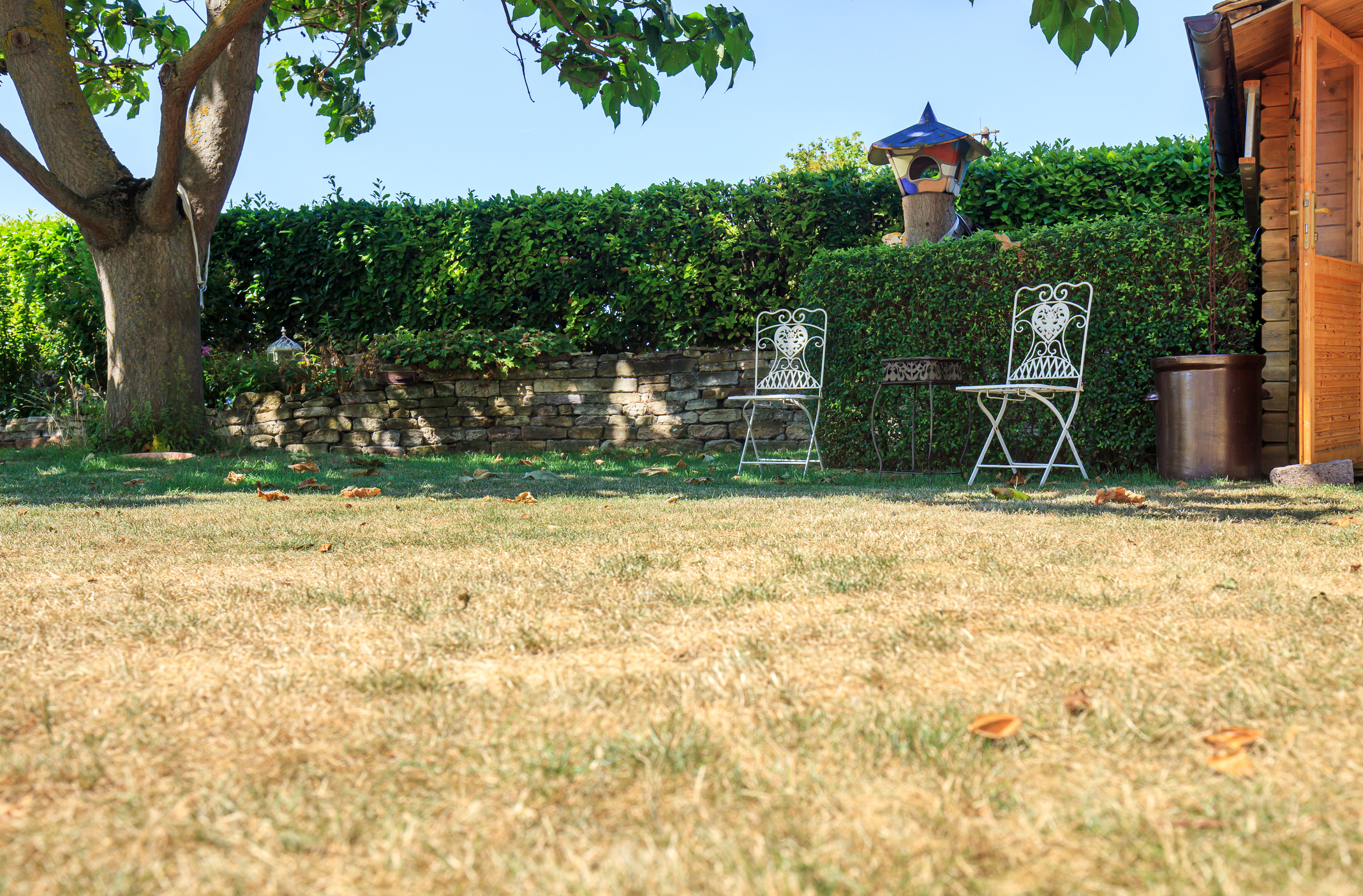
Regular watering cannot sustain grass when water misses the roots or when soil, traffic, pests, disease, and heat have already weakened the turf. The most useful lawn care step is to inspect the ground and irrigation pattern before adding more water.
A brown lawn often reflects a mismatch between the property, the grass, and the watering plan. Matching the remedy to the cause protects the turf and keeps the available water supply efficient, and gets you back in the green!