
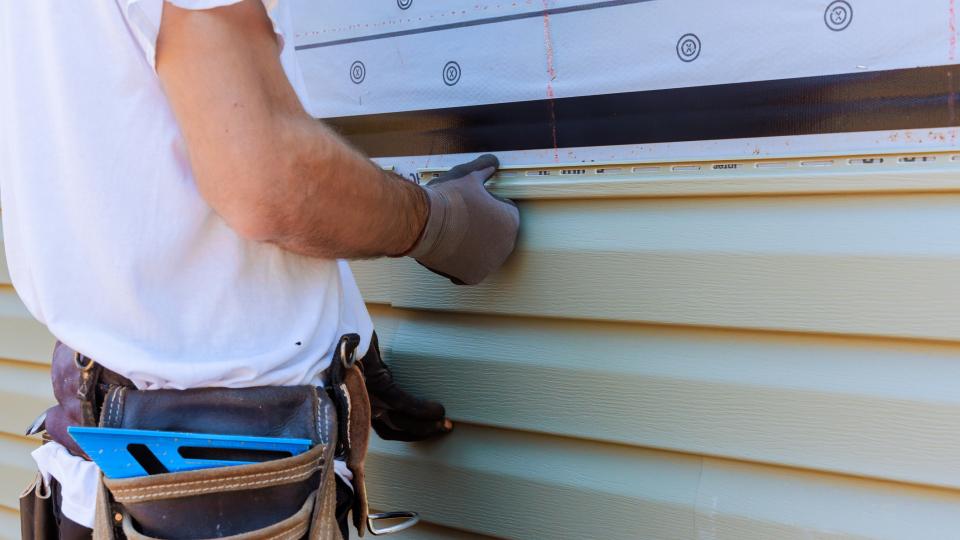
Excerpt: A siding job can look finished while water damage grows behind the walls. Careful material checks, honest documentation, and qualified installers protect the property long after the crew leaves.
Siding is more than a home's outer finish. It is a barrier against wind, rain, pests, and moisture. Properly installed replacement siding helps protect that barrier, while poor installation can hide problems until repairs become expensive.
I've investigated enough home-improvement failures to recognize the most common siding replacement mistakes. They often turn a low price into a case of paying twice. In the latest episode of the Trust Issues podcast, I discussed the shortcuts, storm scams, and contract terms that deserve close attention before siding work begins.
Key Takeaways
- Replacement siding should be evaluated for the home's climate, sun exposure, budget, and long-term moisture protection—not just its upfront price.
- A contractor should remove the old siding, inspect and document the sheathing, repair concealed damage, and address flashing and other wall details before covering the surface.
- Verify the manufacturer, product line, color, profile, trim, warranty, and installation scope in writing, then confirm that the delivered materials match the contract.
- Treat storm-related offers and insurance claims carefully, and require licensing, insurance, references, certifications, written payment terms, and approved change orders.
- A durable siding project depends on qualified workmanship and a sound wall assembly beneath the finished exterior, not just attractive new panels.
Moisture Damage Starts Behind the Siding
My first exposure to siding’s importance came during the Louisiana-Pacific engineered wood siding scandal of the 1990s. More than 800,000 homeowners found that defective siding absorbed moisture and deteriorated far sooner than expected. The damage disrupted home sales across the country and led to a class-action payout that cost Louisiana-Pacific more than $500 million.
Manufactured siding was developed for understandable reasons. As access to old-growth cedar and redwood became more limited and expensive, builders needed lower-cost materials for the housing booms of the 1980s and 1990s. Factory-made boards were uniform, easy to install, and stamped with a wood-grain texture.
However, the material’s weakness appeared after years of weather exposure. Moisture entered or remained against the underlying surface, causing water damage and eventually wood rot. Before house wrap became standard, many walls also lacked a continuous weather barrier. Swelling, mold, and buckling or warping could follow.
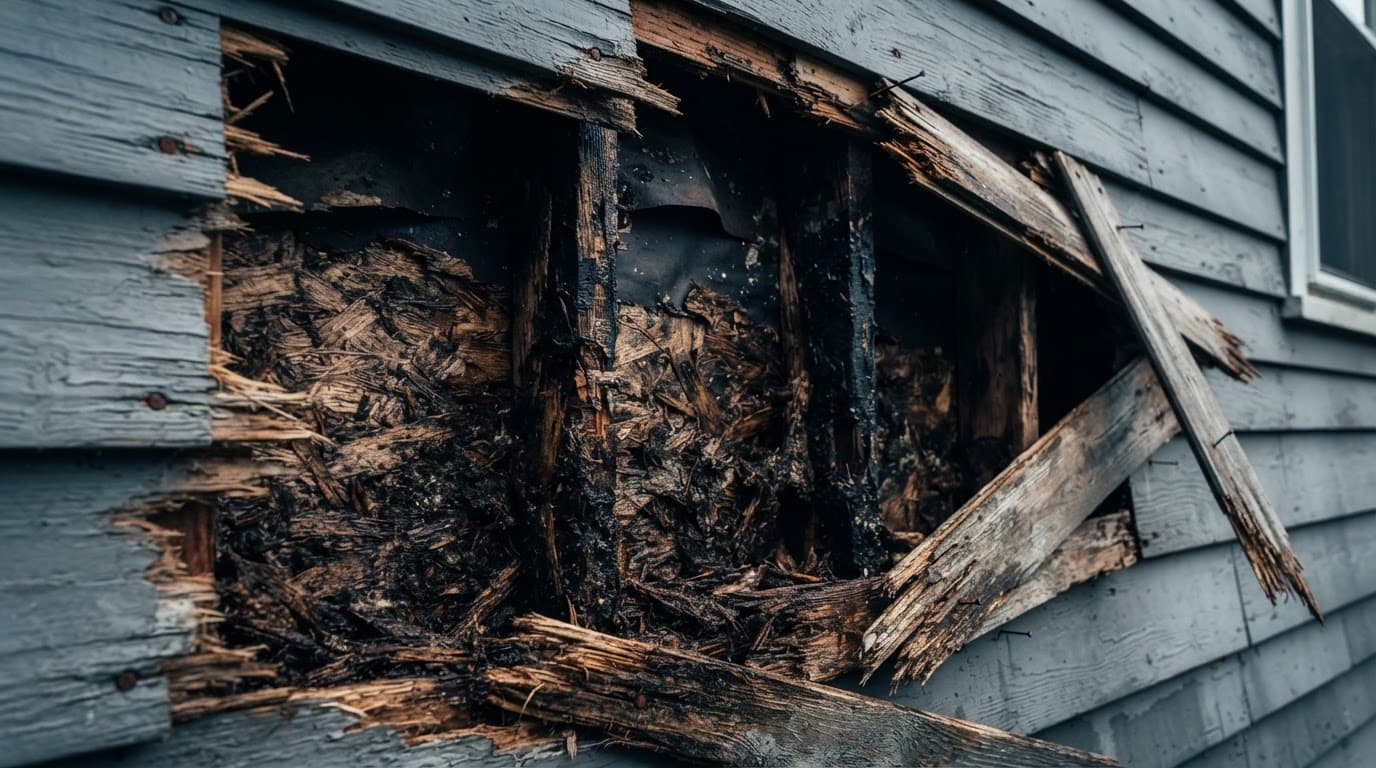
Modern composite and engineered products are far better than many earlier materials, and some carry warranties of 50 years or more. Still, no warranty can undo poor installation or protect a homeowner from a storm chaser who disappears after collecting a deposit. Even durable replacement siding cannot compensate for a failed wall assembly or careless workmanship.
Material Choice Needs a Clear Written Scope
An exterior renovation involving replacement siding should start with a practical comparison. Evaluate your siding options against the home's local climate, sun exposure, and budget.
Fiber Cement Siding and Vinyl Siding Have Different Strengths
Ed Rollins, an exterior-renovation specialist with TrustDALE Certified Partner Roof-Tastic & Beyond Exteriors joined me on the podcast to talk through the key issues with what's truly a major investment in your home. Ed says he sees fiber cement and vinyl siding most often in the Atlanta market. Fiber cement siding offers water resistance, fire resistance, durability, and a substantial, traditional appearance. It costs more, but many homeowners prefer its solid look and long-term performance.
Vinyl siding's chief benefit is lower maintenance. It doesn't need regular painting, and its lower upfront cost can make it sensible when budget matters. Installers must also allow for expansion and contraction, so panels can move without distortion. Both products can perform well when the details are handled properly.
Verify What Arrives at the Property
The contract should identify the manufacturer, product line, color, profile, trim, warranty, and installation scope. Confirm that delivered replacement siding matches those written details, and photograph the materials before installation.
Ed pointed to one field clue from the jobs he sees: gray, unprimed fiber-cement boards may indicate a builder-grade product, while yellow primer can identify a premium primed product. That visual check is useful, but it should never replace written manufacturer documentation.
Good Siding Work Includes What You Cannot See
Siding demands more custom work than many people realize. A replacement siding project must account for each property’s window trim, corners, bays, gables, cantilevered sections, and transitions. Installers need accurate cuts, tight fits, and watertight details around every opening.
The biggest shortcut Ed sees is failure to replace damaged sheathing after old siding comes off. The installer must inspect the underlying surface and identify any water damage before proceeding. That wall surface may have absorbed moisture for years, especially on homes with older LP siding installed before house wrap became standard.
Covering damaged sheathing with replacement siding does not repair the wall. It only hides the problem until it grows.
You should expect an installer to remove the old material, inspect the exposed wall, show you the homeowner any damage, and explain repairs before covering it. Good siding installation follows a clear sequence: remove, inspect, repair, document, and then cover. Quality control also includes checking window flashing, correct nail placement, and properly aligned butt joints around openings and transitions.
The same standard applies after any serious water event. Wet drywall, wood, carpet, and other organic material can support mold growth within days. Prompt removal, proper drying, and follow-up documentation help confirm that affected areas are safe to cover.
Whether the bidders are home service companies working on houses or commercial service companies working on occupied buildings, the work should include evidence of conditions behind the finished surface.
Storm Claims Require Care and Documentation
A storm can bring legitimate damage, but it can also attract solicitors who move quickly through affected neighborhoods. A storm can damage a home, but a scammer can make the loss worse.
National Insurance Crime Bureau figures show that contract fraud rose 40% over three years. And that means denied claims. Insurers deny roughly 10% of claims after identifying fraud. Those figures explain why homeowners should pause when a storm-chasing siding contractor urges them to file a claim for small dents, minor chips, or damage that may not be covered.
A recommendation for replacement siding does not automatically establish a covered loss. Insurance disputes can be difficult and expensive, as shown in a New York Times article reporting on homeowners who struggled to receive claim payments. You should never be pressured into filing a claim you don't understand. When real damage is documented, it can be appropriate for the professional to meet with the adjuster and compare notes at the property.
Before hiring a professional, ask:
- Are you licensed and insured for this work?
- Do you hold current manufacturer certifications?
- Can you provide local references and photos of completed siding projects?
- How will you handle damaged sheathing or other concealed conditions?
- Will you put materials, warranties, payment terms, and change-order prices in writing?
Deposits, Change Orders, and Energy Questions
The cost to replace siding commonly ranges from $12,000 to $35,000. Premium fiber-cement or engineered-wood projects can exceed $40,000, especially when replacement siding includes concealed repairs. Ed said his company commonly uses a 50% deposit, while financing can allow qualified customers to begin with no money due upfront. That does not make a large advance payment automatic or safe. The payment schedule should match actual progress, materials, and documented work.
Unexpected charges can be legitimate when hidden damage appears behind the siding. A fair contract can establish a per-sheet price for correcting the underlying surface before work begins. Then, when the wall is open, the contractor should show the damage, explain how many sheets are needed, and obtain written approval for the change order.
A single sun-damaged wall may not require replacement of all siding. Insulated siding and vinyl siding can add some insulation value, but cavity insulation and air-sealing may have a larger effect on energy efficiency. Opening the wall may also reveal missing insulation or other conditions that need attention.
Shake-style siding, board-and-batten panels, and accent trim can improve the curb appeal of a home exterior without requiring a complete replacement. The design choice is secondary to the work behind it.
Frequently Asked Questions
What is the most serious siding replacement mistake?
Covering damaged sheathing without inspecting or repairing it is one of the most serious mistakes. New siding can hide moisture damage, rot, or mold while the underlying problem continues to grow.
How can homeowners verify that the right siding materials were delivered?
The contract should list the manufacturer, product line, color, profile, trim, warranty, and installation scope. Homeowners should compare those details with the delivered materials and photograph everything before installation begins.
How should concealed siding damage be handled?
The installer should show the homeowner the exposed damage, explain the required repair, and provide a written change order before proceeding. A contract can also include per-sheet pricing for damaged sheathing discovered after the old siding is removed.
Should homeowners accept a storm chaser’s recommendation to file an insurance claim?
Not automatically. Homeowners should document actual damage, confirm what their policy covers, and avoid filing a claim based only on a contractor’s pressure or recommendation.
How much should a siding replacement deposit be?
There is no universally safe deposit amount, but a large upfront payment should not be treated as automatic. Payment terms should be written clearly and tied to materials delivered, documented progress, and completed work.
The Work Must Hold Up After the Crew Leaves
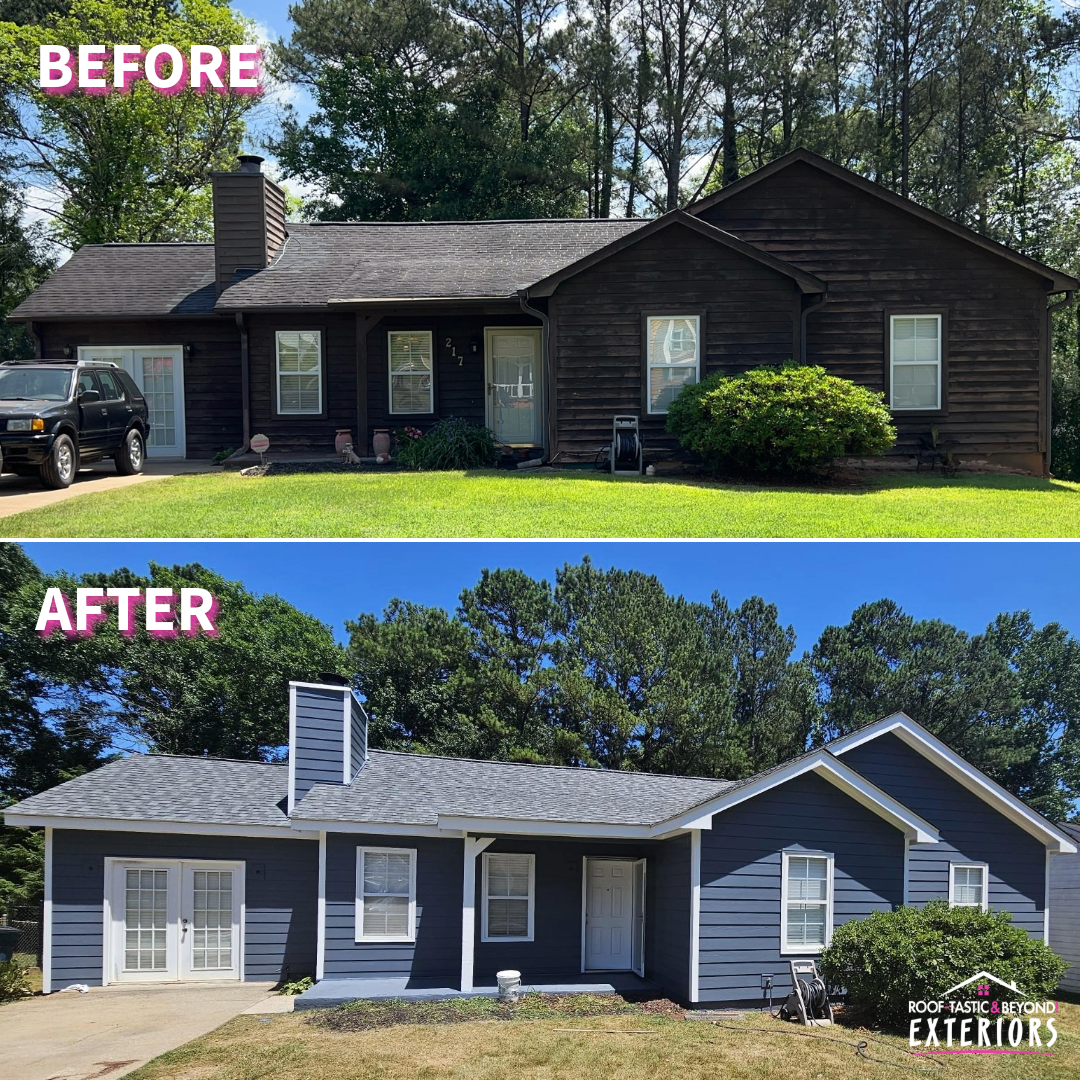
A well-done siding installation like this one by Roof-Tastic can transform the look of a home
A durable siding job protects a property by accounting for visible boards and the concealed wall system beneath them. Replacement siding is only one part of a sound wall assembly. The installer's judgment, documentation, and attention to moisture matter just as much. A properly considered system may also support energy efficiency, but moisture control must come first.
I’ve seen too many homeowners discover that siding replacement mistakes and shoddy work turned a bargain bid into a second project. Always look for a clear contract, verified materials, photos of concealed damage, and a trustworthy siding contractor who stands behind the work, like Roof-Tastic. As a TrustDALE Certified Partner, their work comes with the added protection of TrustDALE's $10,000 Make It Right Guarantee.