
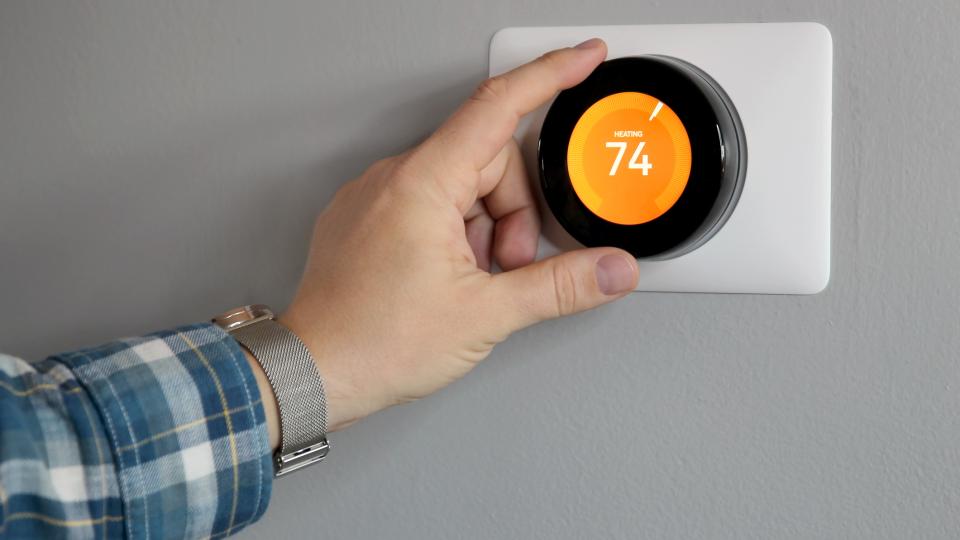
The nights are getting chilly, so you flip on the heat for the first time in months. A few minutes later, there's a strange smell drifting through the house. Is that normal, or should you shut it off?
Most of the time, a faint burning-dust smell is just dust that settled on your furnace over the summer burning off. But some smells are warning signs, and a couple of them mean you need to get out of the house right away.
The key question is whether the smell fades or gets worse. Here's how to tell the difference, what you can safely check yourself and when to call a pro.
Furnace Smells at a Glance
| What you smell | What it may mean | What to do |
|---|---|---|
| Faint burning dust that fades | Dust burning off after months of sitting idle | Keep an eye on it. Call a pro if it lingers or gets stronger. |
| Musty or damp | Possible moisture near the system or in the ductwork | Schedule a professional assessment. |
| Rotten eggs or sulfur | Possible gas leak | Get out now. Call 911 and your gas company from outside. |
| Burning plastic or electrical | Possible overheating or wiring trouble | Shut off the furnace if it's safe to do so, and call an HVAC technician. |
| Smoke or fire | Fire | Get out now and call 911. |
| Nothing (but a CO alarm or symptoms) | Possible carbon monoxide | Get everyone outside and call 911. |
Key Takeaways
- A dusty smell should fade as your furnace runs. There's no official time limit that makes it "safe."
- Rotten eggs means leave. Get out immediately and call 911 and your gas company from a safe spot.
- Burning plastic, smoke or sparks need urgent attention. Don't keep running the furnace.
- Carbon monoxide has no smell, so working CO alarms and a fast response to symptoms are critical.
- Keep DIY checks simple. Stick to the filter and vents you can easily reach, and call a pro for lingering odors or venting concerns.
Why Does My Furnace Smell When I First Turn It On?
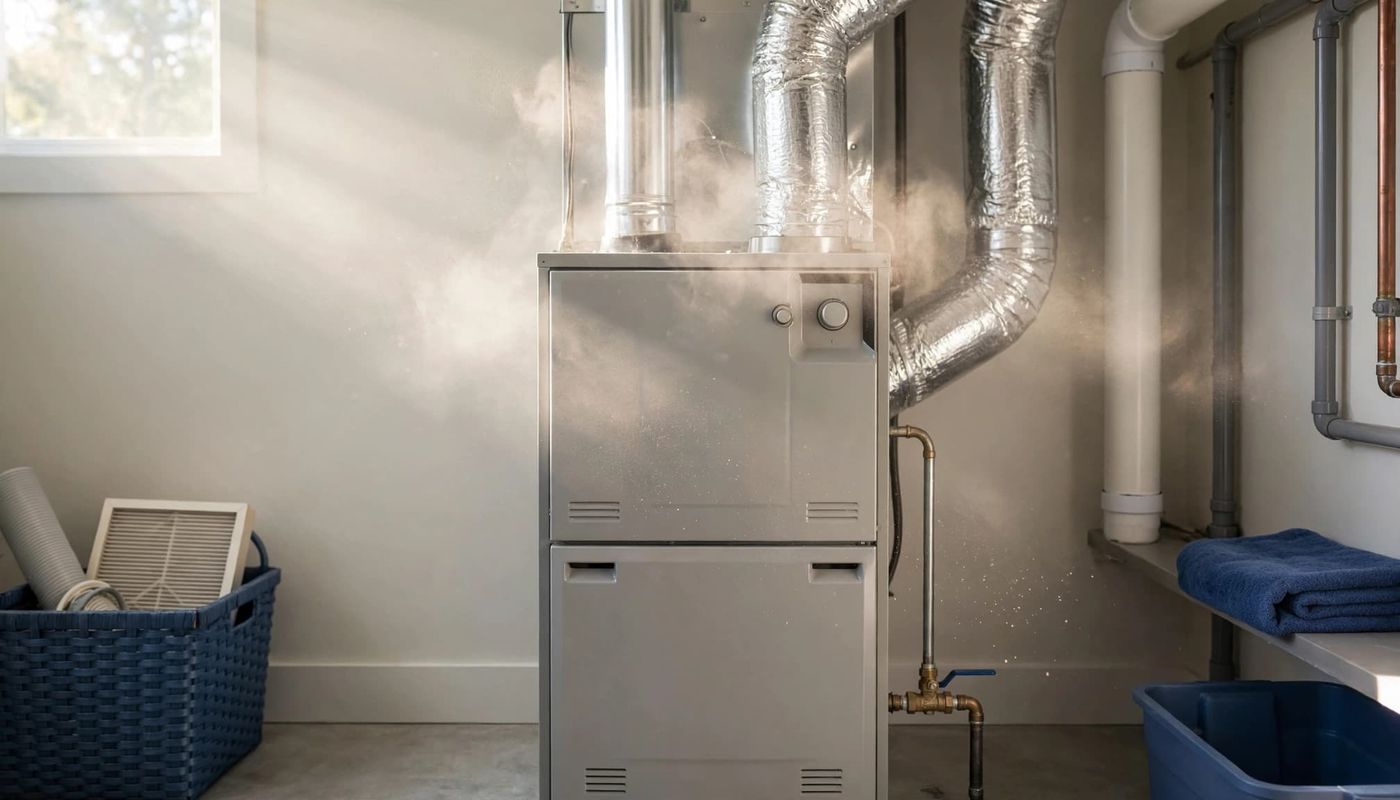
While your furnace sits unused all summer, dust settles on its parts. When those parts heat up for the first time, the dust burns off and creates that familiar smell.
But don't assume a smell is harmless just because it's the first cold night of the season. Timing alone doesn't prove the cause.
When a Dusty Smell Is Probably Fine
A faint, dusty smell on startup is usually nothing to worry about if:
- It fades steadily as the furnace runs
- It doesn't get sharper or stronger
- There's no smoke
You may see online claims that the smell should be gone within a certain number of minutes. There's no official number, so don't treat a time estimate as permission to keep running a furnace that smells wrong.
Brand-new furnace? Follow the installer's or manufacturer's instructions. If the smell sticks around or turns sharp and acrid, shut the system off and have a professional take a look.
What About a Musty Smell?
A musty smell isn't the same as burning dust. It could point to moisture near the system or in your ductwork, which may be worth a professional check for mold or mildew. Keep in mind that a smell alone can't confirm either one.
How a Dirty Filter or Blocked Vent Can Make It Worse
A filter packed with dust restricts airflow, and a clogged filter can cause your furnace to run poorly. Furniture or rugs covering your vents can block airflow, too.
You can check an easy-to-reach filter yourself (see the steps below). But don't open equipment panels or take the furnace apart to hunt for the smell. Swapping the filter is basic maintenance. It doesn't prove the wiring, burners or exhaust venting are safe.
Furnace Smells That Mean Act Now
Some smells call for action before any troubleshooting. And carbon monoxide is dangerous precisely because you can't smell it.
Rotten Eggs: Possible Gas Leak
Natural gas has no smell on its own. Gas companies add an odorant to give it that sulfur, rotten-egg smell so you'll notice a leak.
If you smell it:
- Don't touch lights, appliances, phones or even the thermostat inside the affected area.
- Leave immediately.
- Call 911 and your gas company from a safe spot outside.
- Stay out until officials say it's safe to go back in.
The National Fire Protection Association's fuel-gas emergency guidance explains why you should always report a suspected leak from outside the building.
Burning Plastic: Possible Overheating
A strong burning-plastic or electrical smell, or a sharp, acrid odor, isn't normal. It can be a sign of trouble with wiring insulation, especially if you also notice buzzing, sparking or a breaker that keeps tripping.
- If you can safely shut off power to the furnace, do it. Then call a qualified HVAC technician.
- Don't keep resetting the breaker or restarting the furnace to "test" it.
- If there's smoke or fire, get out and call 911. Don't stop to look for the source.
Carbon Monoxide: No Smell at All
Furnaces that burn fuel can produce carbon monoxide (CO), a gas you can't see or smell. That means a furnace smell can't tell you whether CO is present, and no smell doesn't mean you're safe.
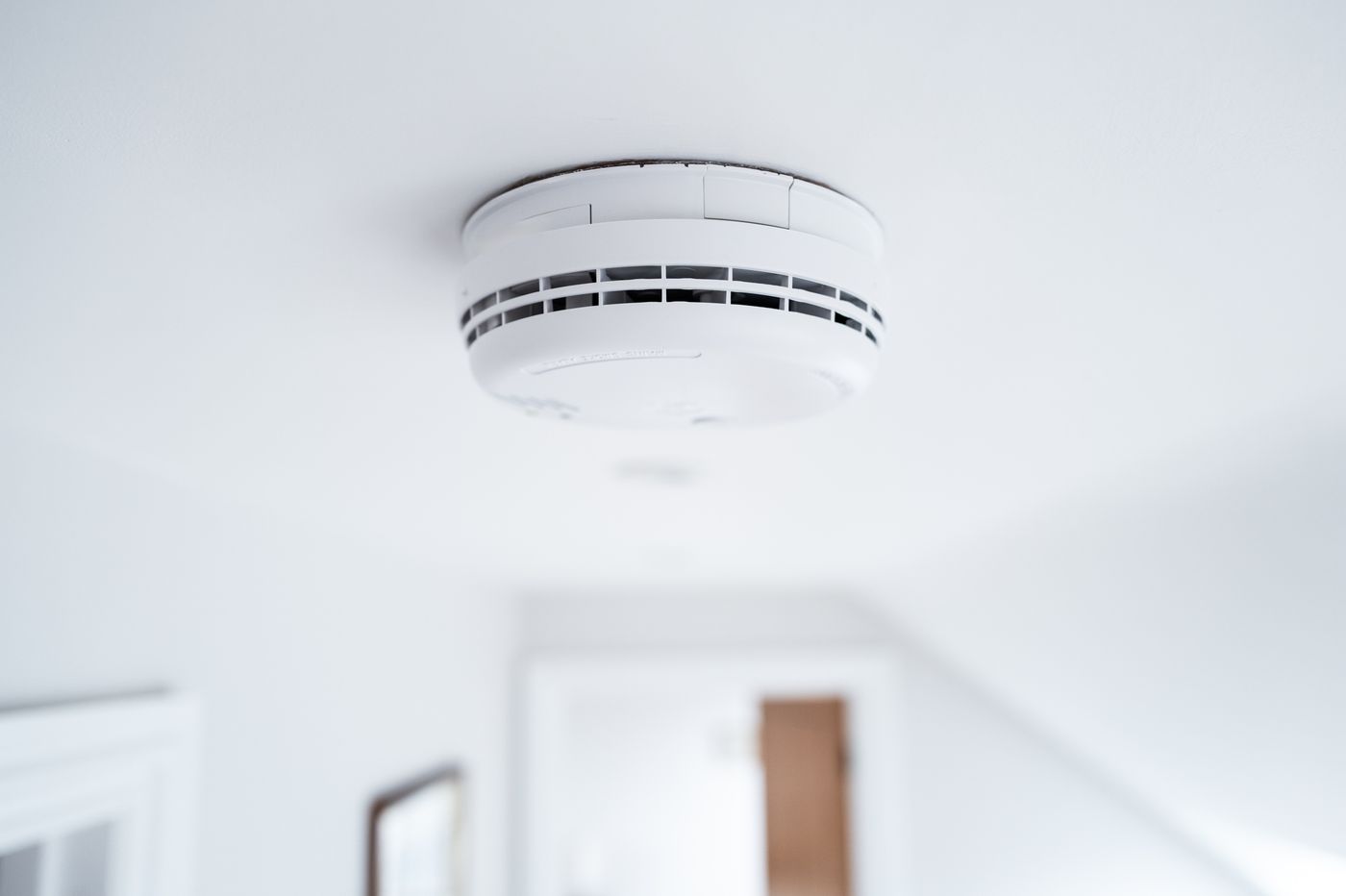
If your CO alarm goes off, or anyone in your home has a headache, dizziness, nausea or shortness of breath, get everyone outside and call 911.
The U.S. Consumer Product Safety Commission's carbon monoxide fact sheet recommends:
- CO alarms on every level of your home
- CO alarms outside sleeping areas
- Battery-operated alarms or alarms with battery backup
- Following each alarm's installation and maintenance instructions
What You Can Safely Check Before Calling for Furnace Repair
Only do these checks if there's no emergency: no gas smell, no CO alarm, no smoke. Turn the furnace off first, and stick to what you can see and reach easily.
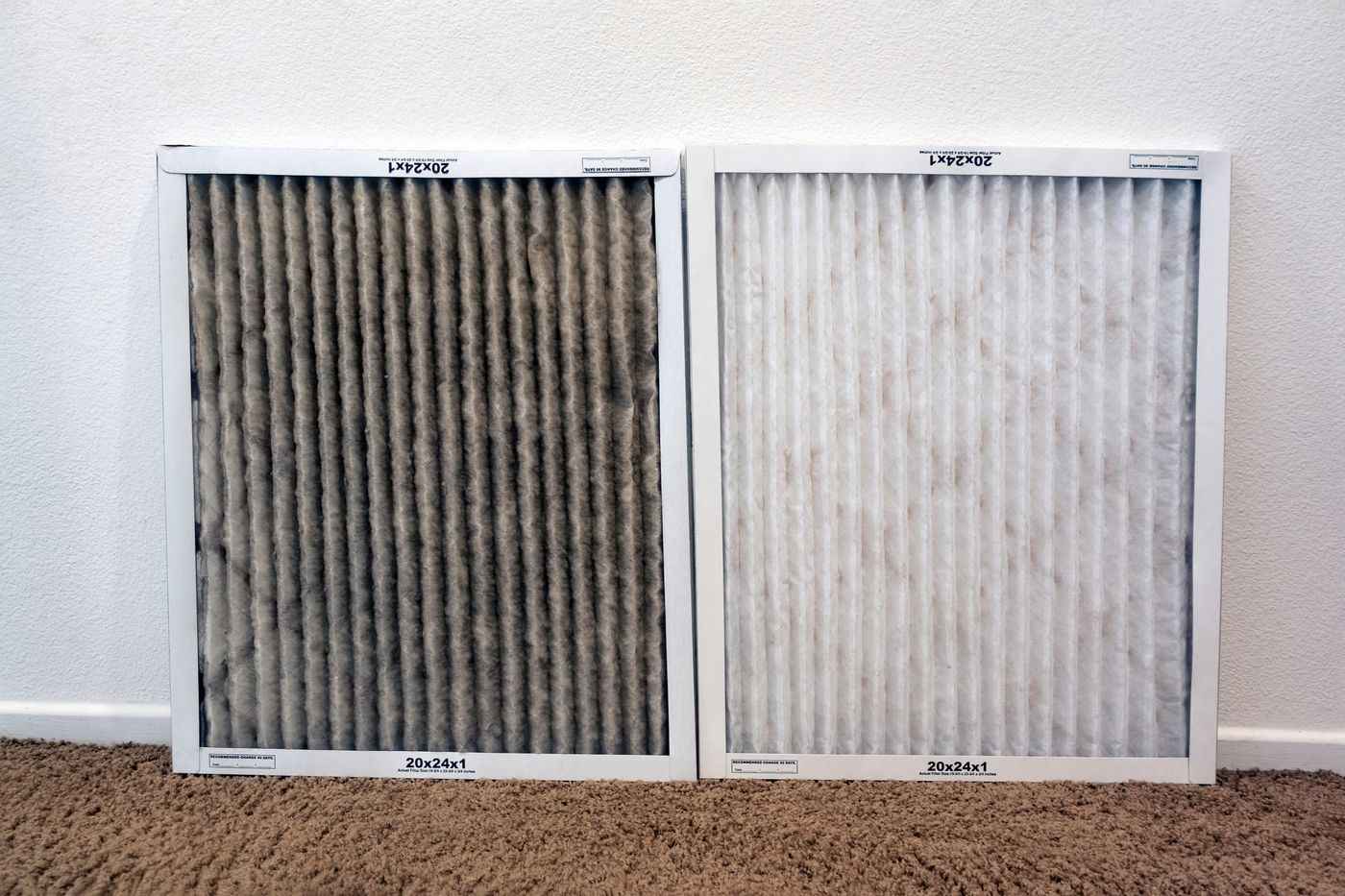
Step 1: Check the Air Filter
- Look for visible dust buildup. A clogged filter restricts airflow.
- Replace it with the size and type listed in your furnace instructions.
- Follow the arrows on the filter that show which way the air should flow.
- Don't assume a thicker, more restrictive filter is better for your system.
- Never run the furnace without a filter if it requires one.
Step 2: Clear the Area Around Your Furnace
- Keep anything that can burn at least three feet away from the furnace.
- Move cardboard boxes, paper and laundry without touching the equipment or blocking any ventilation openings.
- Don't store gasoline, solvents or other flammable products near the furnace.
A clean filter and a clear space help your furnace run safely, but neither one explains a burning smell you can't account for.
Step 3: Look for Venting Problems (Without Taking Anything Apart)
- Indoor vents: Make sure furniture, rugs or stored items aren't blocking your supply and return vents. These are different from the flue or exhaust vent that carries combustion gases outside.
- Chimney or flue: Look for soot or dark stains on any visible surfaces.
- Outdoor exhaust: If you can see it from the ground, check for obvious blockages. Don't climb up or reach into it.
The U.S. Consumer Product Safety Commission recommends having a professional check for vent leaks and blockages. Don't reconnect loose vent pieces, remove nests or try to repair the combustion system yourself.
When to Shut Off Your Furnace and Call an HVAC Pro
Turn off the furnace and call a professional if you notice:
- A burning smell that lingers or gets worse
- Strange smells that keep coming back
- The furnace acting up for no clear reason
- Soot, dark stains or a possible exhaust blockage
Remember, emergencies like a gas smell, CO alarm or smoke mean you evacuate first. They're not a "schedule an appointment" situation.
Don't Skip the Fall Tune-Up
The best time to have your furnace checked is before heating season starts. A fall tune-up gives a technician a chance to inspect your fuel-burning equipment before you're relying on it every day. The U.S. Consumer Product Safety Commission's heating equipment safety guidance stresses the importance of professional inspections and working alarms.
Before You Approve a Furnace Repair
A technician may inspect parts like the blower motor and heat exchanger, but a smell alone doesn't pinpoint a faulty part. Before you approve any work:
- Ask what's causing the problem and what evidence points to it.
- Make sure the fix matches the diagnosis. A recommendation for duct cleaning, new parts or a new furnace should address the specific problem they found.
- Get it in writing. Ask for the diagnostic fee, the proposed work and the total price.
- Compare warranties. Equipment and workmanship warranties are separate, so ask about each one and who handles claims. A manufacturer's parts warranty doesn't automatically cover labor.
- Question a replacement. If they recommend a new furnace, ask why a repair won't work and whether any existing warranty applies.
Keep the diagnosis, estimate and final service record together.
Find a Trusted HVAC Company
You can find Vetted HVAC Service Providers on TrustDale.com. Every TrustDALE Certified Partner has passed our rigorous seven-point inspection process and is backed by our free to you $10,000 Make It Right Guarantee.
Furnace Smell FAQs
How long should a dusty furnace smell last?
There's no official time limit. Instead of watching the clock, look for the smell to clearly fade as the furnace runs. If it sticks around, gets worse or comes back the next time the heat kicks on, shut the system off and schedule an inspection.
Should I turn off my furnace if it smells like burning?
Yes, if it's safe to do so and the smell is strong, sharp, plastic-like or getting worse. Don't turn it back on just because the smell goes away after you shut it off. If you see smoke or fire, get out and call 911.
Can you smell carbon monoxide from a furnace?
No. Carbon monoxide has no smell. Act on a CO alarm or symptoms right away instead of waiting to smell something. The U.S. Consumer Product Safety Commission recommends testing your CO alarms monthly so you know they work.
Can a dirty furnace filter cause a burning smell?
A dirty filter can restrict airflow and contribute to dust buildup or overheating. But a dirty filter doesn't prove it's the only cause of the smell. Replace it with the right filter, and call a pro if the smell continues.
How often should I have my furnace inspected?
Once a year for fuel-burning furnaces, even if everything seems fine. The inspection should cover venting and combustion safety, not just whether warm air comes out of the vents. Testing your furnace before cold weather hits also gives you time to fix problems before you depend on it every day.
Let Your Nose (and Your CO Alarm) Guide You
A faint, dusty smell that fades on the first cold night is usually just dust burning off. A smell that lingers, gets worse, smells like gas or turns sharp and acrid is a different story.
And since carbon monoxide has no smell, your nose can't tell you your furnace is safe. Keep your DIY checks simple, act fast on emergency warning signs and leave the diagnosis to a qualified professional.