
Your furnace has been sitting quietly all summer. Then the first real cold snap hits, you crank up the thermostat, and... nothing. Now you're shivering in a cold house, and every HVAC company in town is booked solid.
It happens to a lot of homeowners, and it's mostly avoidable. A quick test run now, before you actually need the heat, gives you time to catch problems and get them fixed on your schedule instead of in a panic.
Here's how to check your furnace safely, which warning signs mean it's time to call a pro, and how to pick an HVAC company you can trust.
Should You Turn On Your Heat Before You Need It?
Yes. A quick preseason test tells you whether your furnace:
- Responds when you change the thermostat
- Blows warm air through your vents
- Actually warms up your home
It can also tip you off to weak airflow or anything that seems off, while you still have time to schedule a repair.
Timing matters, too. ENERGY STAR's maintenance checklist recommends booking an annual heating checkup with an HVAC contractor in the fall, because contractors get busier as the weather turns cold.
One important caveat: your test only shows that the system turns on and makes warm air. It doesn't prove every part is safe or in good shape. And there's no magic number of minutes to run it, so follow your furnace manual instead of guessing.
How to Test Your Furnace Safely (No Tools Required)
Before you start, a ground rule: keep your checks outside the furnace cabinet. Don't touch gas connections, adjust the burners or bypass any safety controls. And if you already smell gas, skip the test entirely and get out of the house (more on that below).
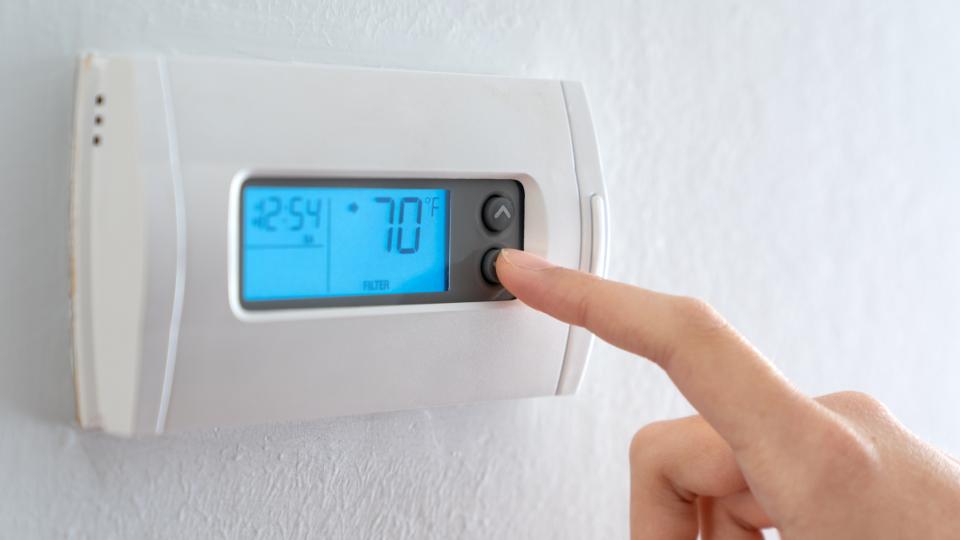
Step 1: Fire Up the Thermostat
- Switch your thermostat to Heat.
- Set the temperature a few degrees above the current room temperature.
- Listen for the furnace to kick on, then check that warm air is coming out of your vents.
Watch and listen, but don't remove any panels. If the furnace won't start, keeps turning on and off, or doesn't heat, stop there and call an HVAC pro. Hitting reset over and over won't fix the real problem, and it can make it harder to diagnose.
If everything runs normally, set the thermostat back to your usual temperature. Keep in mind this test confirms the furnace works. It can't tell you whether it's burning fuel safely or whether internal parts like the heat exchanger are in good condition.
Step 2: Check the Filter
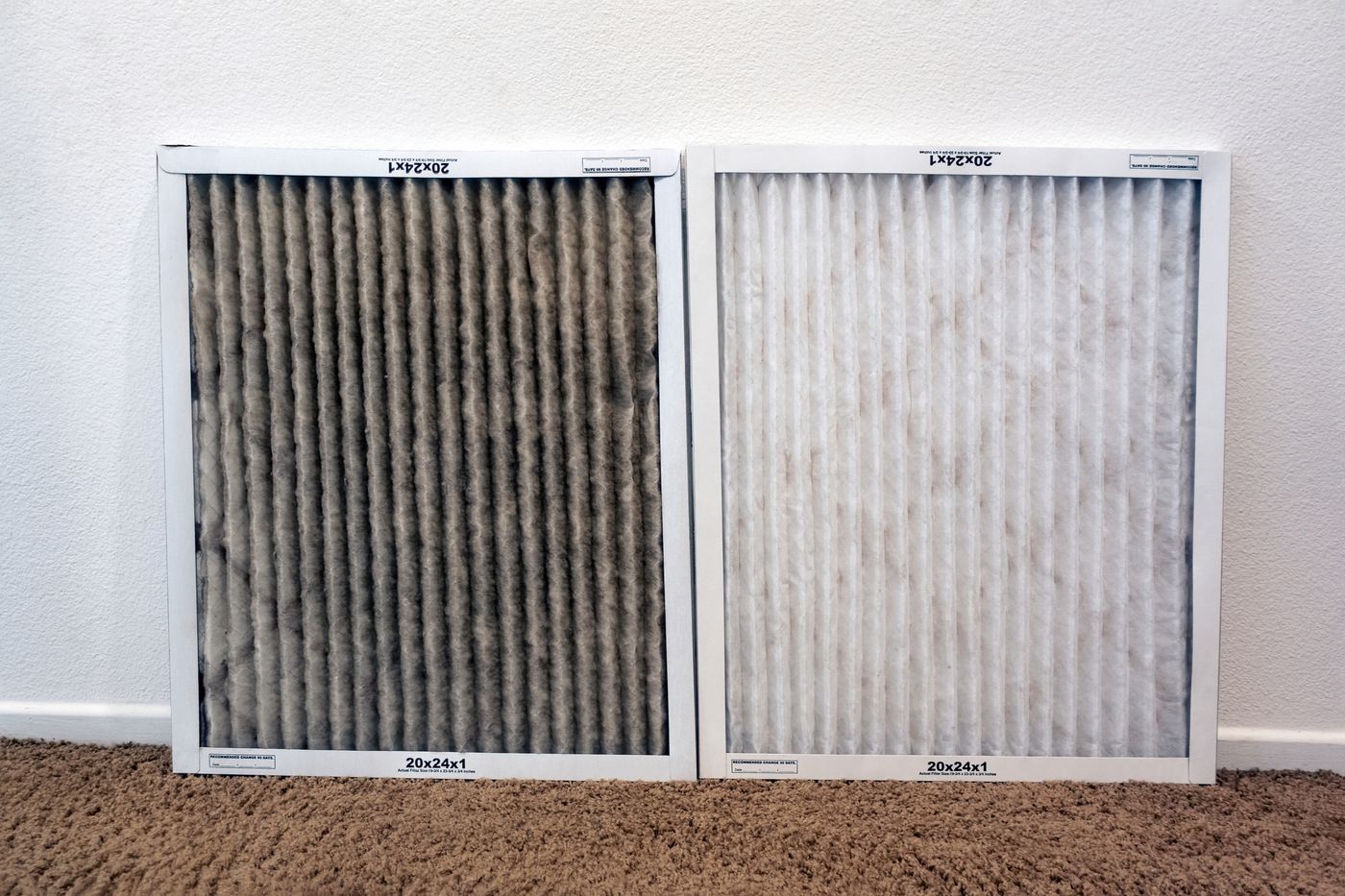
With the system off, check your air filter if it's easy to reach, following the filter's instructions. Clean it if it's reusable, or swap it out if it's disposable. If you'd have to open the furnace cabinet to get to it, leave that job for your technician.
ENERGY STAR recommends checking your filter monthly. How often you actually replace it depends on the filter type and your home. Pets and dust can mean more frequent changes.
Step 3: Clear the Vents and Furnace Area
- Indoor vents: Move furniture and rugs off supply and return vents.
- Around the furnace: Clear away boxes and anything else stored nearby.
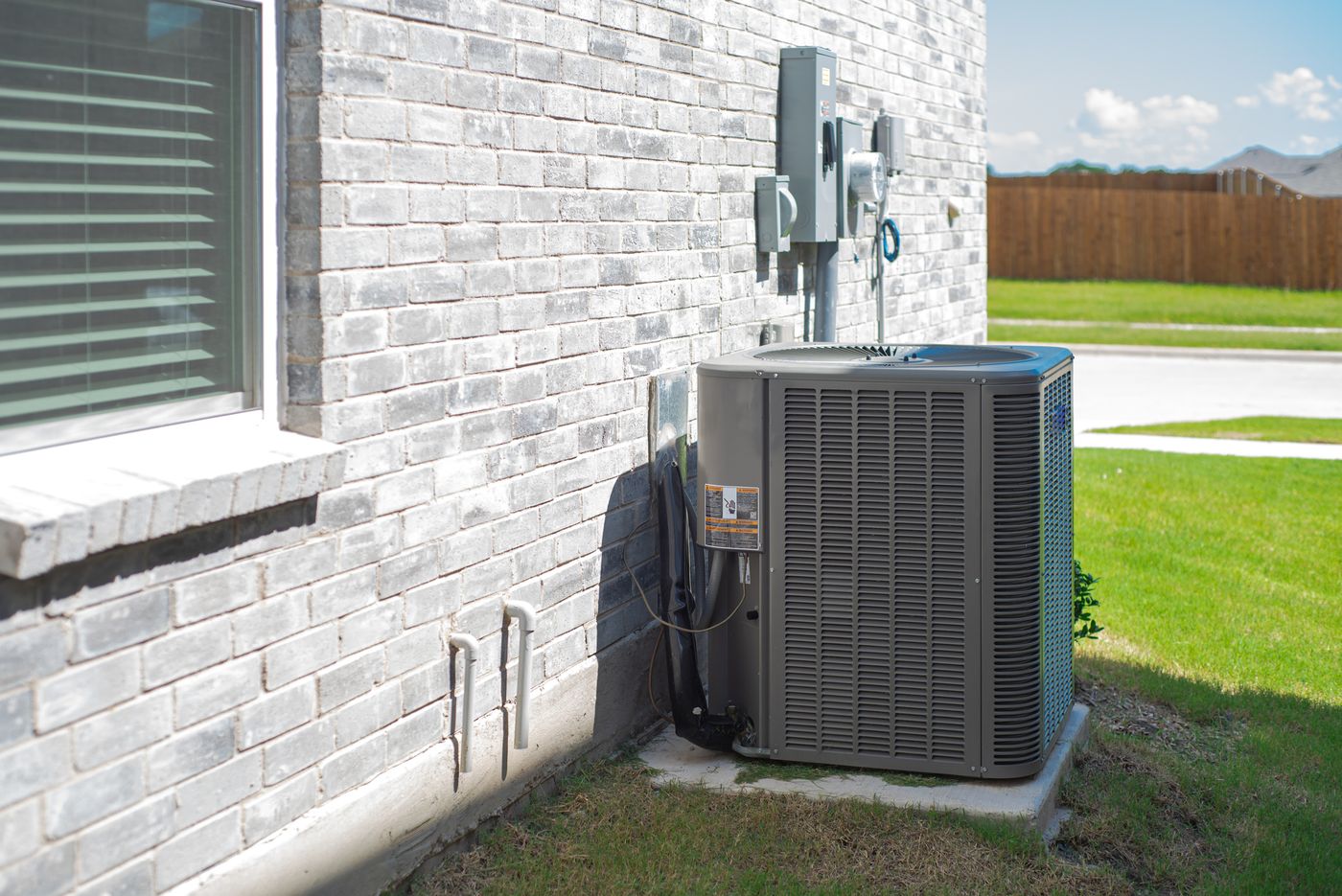
- Outdoor exhaust openings: From the ground, make sure leaves and debris aren't blocking them. Don't disconnect any piping or climb onto the roof to check a vent.
Furnace Warning Signs That Mean It's Time to Call a Pro
You know how your furnace normally sounds and smells, so pay attention to anything different during your test. Some issues just need a service appointment. Others mean you need to leave the house right away.
Strange Noises and Odd Behavior
A little ticking when the furnace starts up can be normal as the metal heats and expands. But call a technician if you notice:
- Persistent banging, scraping or other unusual noises
- Short cycling (turning on and off frequently)
- Weak heat
- Visible damage
- A furnace that won't start
A no-start can have lots of causes, including ignition failure, so let the technician figure out why. Jot down what you saw and heard so you can describe it when you call.
Smells: What's Normal and What's Not
Usually okay: A brief burning-dust smell the first time you turn on the heat after months off.
Not okay: An odor that lingers or gets worse, especially one that smells like burning plastic. Turn off the furnace and call for service.
Emergency: A gas or rotten-egg smell. Don't schedule an appointment. Follow the steps below.
Smell Gas or Hear a CO Alarm? Get Out Now
If You Smell Gas
- Don't flip switches or use appliances or phones inside.
- Leave the building immediately.
- Call 911 and your gas utility from outside, well away from the suspected leak.
Don't try to find or fix the leak yourself.
If Your Carbon Monoxide Alarm Goes Off
- Get everyone outside into fresh air.
- Call 911 or the fire department.
- Stay out until responders say it's safe to go back in.
Remember, you can't see or smell carbon monoxide. No odor doesn't mean no danger.
Make Sure Your CO Detectors Actually Work
The U.S. Consumer Product Safety Commission (CPSC) recommends:
- A working carbon monoxide detector on every level of your home
- One outside each separate sleeping area
- Testing them every month
Follow each alarm's instructions, including when to replace it. One thing many people don't realize: the test button only checks the alarm's circuitry, not whether the sensor is still accurate.
Book Your Fall Furnace Tune-Up Now
Your DIY check is a great first step, but it's no substitute for a professional tune-up. Schedule annual furnace maintenance every fall, and check your furnace manual for any care requirements specific to your model.
Booking before the first cold snap also means that if you do need a repair, you won't be stuck making a rushed decision in an emergency.
Questions to Ask Before You Book
- What does the visit include? Ask whether the technician checks the ignition, burners, venting, heat exchanger and blower motor.
- How will you report what you find? That should include anything that could affect how efficiently your furnace runs. (Just know that a tune-up can spot problems, but it can't guarantee a lower energy bill.)
- What's the price? Confirm it upfront, and make sure no one does additional paid work without your approval.
How to Vet an HVAC Company
- Ask for their license and proof of liability insurance. Licensing rules vary by location, so verify credentials with your local licensing authority. A business registration alone doesn't prove someone is qualified to work on HVAC systems.
- Get it in writing. If they recommend a pricey repair or a new furnace, ask for a written diagnosis and an itemized estimate.
- Compare apples to apples. When getting multiple quotes, compare the same scope of work, not just the lowest advertised price.
- Read before you sign. That includes agreements on a tablet. Ask who handles warranty claims, too.
Find a Trusted HVAC Pro in Georgia
Looking for help in Georgia? Choose a TrustDALE Certified HVAC provider. Every one has passed our rigorous seven-point investigative vetting process and is backed by the TrustDALE $10,000 Make It Right Guarantee.
Furnace Startup FAQs
How long should I run my furnace for a preseason test?
There's no one-size-fits-all answer. Follow your furnace manual, and remember that a short run doesn't prove every part is safe or working properly.
If my furnace passes the test, do I still need maintenance?
Yes. A test shows the furnace responds to the thermostat and blows warm air. It doesn't replace an annual professional tune-up.
Is a burning smell normal when I first turn on the heat?
A brief burning-dust smell is common after months of sitting unused. If the smell lingers or gets worse, especially if it smells like burning plastic, turn off the furnace and call a pro.
What should I do if I smell gas or my CO alarm goes off?
Leave the building right away and call 911 from outside, away from the danger. Don't go back in until responders say it's safe.
Your Fall Furnace Checklist
Don't wait until the first freezing night to find out your furnace won't start. This week:
- Test your thermostat and check for warm air at the vents
- Check (and clean or replace) your filter if it's easy to reach
- Clear your vents and the area around your furnace
- Test your carbon monoxide detectors
- Book a professional tune-up, especially if you noticed any warning signs
A quick check tells you whether your furnace can keep your home comfortable. It won't predict your winter energy bill, but it will give you time to make smart decisions instead of rushed ones.