

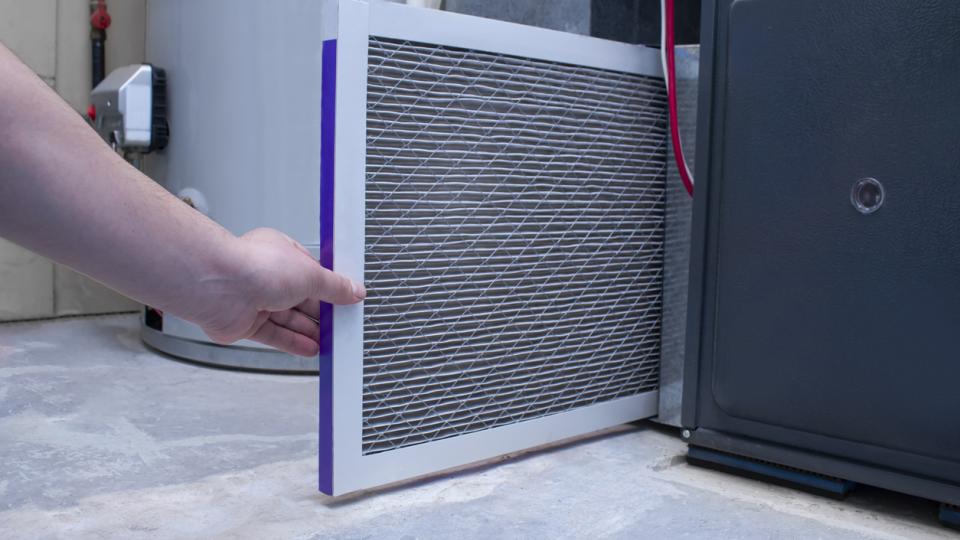
A better air filter sounds like an easy win. Cleaner air, fewer allergens, less dust on the coffee table. What homeowner wouldn’t want that? The problem starts when a filter catches more particles than your HVAC system can comfortably pull air through.
That’s where indoor air quality gets a little trickier than the packaging aisle makes it seem. In this blog, we’ll look at how filter upgrades can backfire, how to choose the right filter for your home, what to check each season, and when it’s worth calling an HVAC professional before your system starts wheezing behind the walls.
The Filter Aisle Has a Trap Door
Most homeowners shop for filters by instinct. Higher number, better filter. Done.
Well, not exactly.
MERV ratings measure how well a filter captures particles in the air. A higher MERV filter can catch smaller particles, which can be useful for homes with pets, dust issues, seasonal allergies, or nearby construction. But airflow still matters.
If your HVAC system wasn’t designed for a dense filter, that upgrade may force the blower motor to work harder just to move air through the house.
That can show up as weak airflow, longer run times, hot or cold rooms, and a system that seems to struggle after a “better” filter goes in. Sometimes the filter isn’t bad. It’s just a bad match.
Start With the System, Not the Sticker
Before buying the highest-rated filter on the shelf, check your HVAC manual or ask your technician what filter range your equipment can handle. Many homes do well with a middle-range pleated filter, changed on a steady schedule. Homes with older systems, undersized returns, or duct issues may need a more careful approach.
A thicker media filter cabinet may be a better long-term upgrade than forcing a dense one-inch filter into a system that already has limited airflow. It gives the air more surface area to move through, which can improve filtration without choking the system as quickly. That’s not a DIY guess-and-hope project. It should be evaluated by someone who can look at static pressure, duct sizing, and return air.
Your Seasonal Air Checkup
A filter alone can’t fix indoor air. It’s one player on a bigger roster.
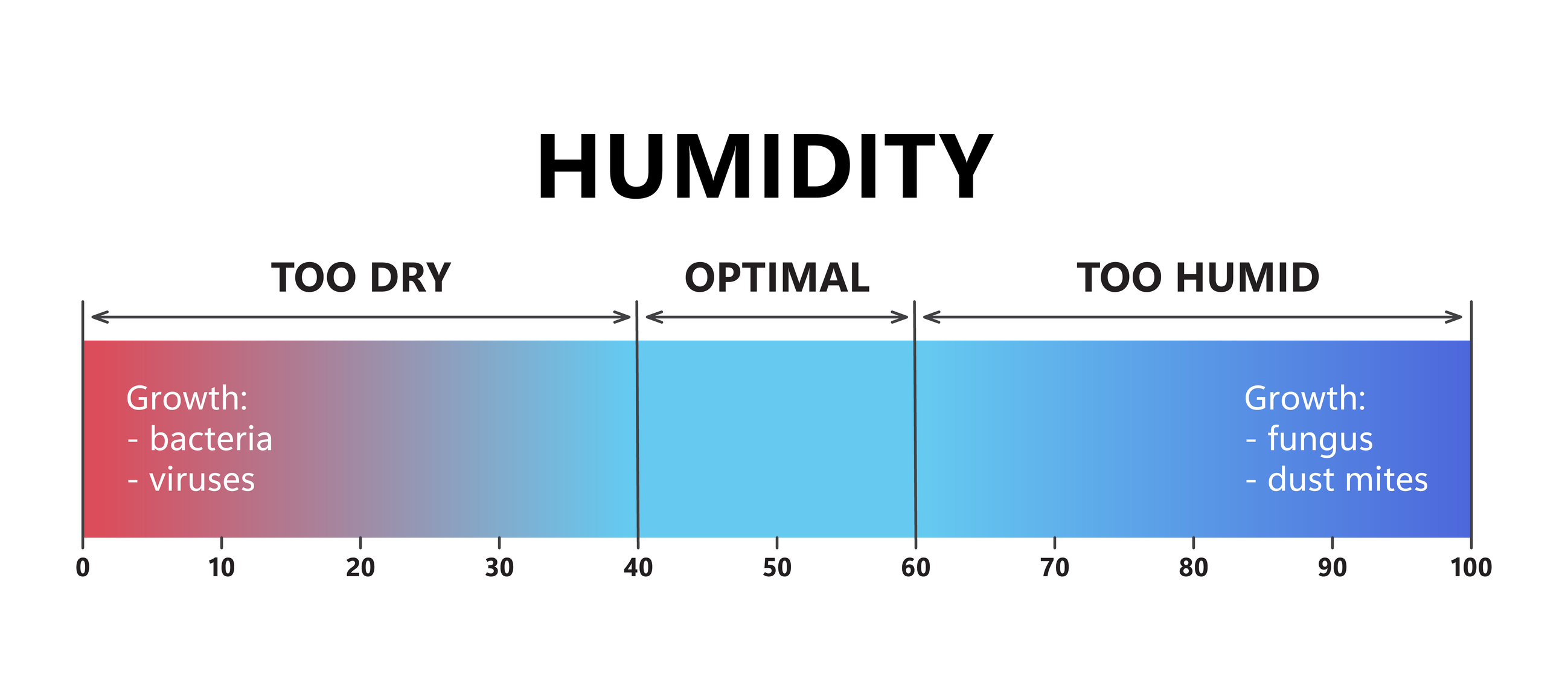
In spring, replace the filter before pollen season gets comfortable in your home. Look around vents for dust streaks, blocked registers, or furniture sitting too close to supply vents. Summer brings humidity, so keep an eye on indoor moisture with a basic humidity gauge. The EPA recommends keeping indoor humidity between 30 and 50 percent, which can help reduce conditions that support mold growth.
Fall is a good time to vacuum return grilles, check for musty odors when the heat first kicks on, and make sure filters haven’t been ignored during the cooling season. In winter, watch for dry air, heavy dust, and rooms that never seem to get comfortable. Those symptoms may point to filtration, duct leakage, poor circulation, or a system that needs service.
Smart Controls Help, But They Don’t Do Everything
Smart thermostats can help homeowners use heating and cooling more efficiently, especially when schedules change during the day. Heating and cooling can account for a large share of home energy use, so better control can make a real difference.
Still, a thermostat can’t overcome a clogged filter, blocked vent, weak blower, or leaky duct. Use reminders, alerts, and scheduling features, but don’t let the app become the whole maintenance plan. Good indoor air still depends on airflow you can actually feel.
When to Call a Pro
Call an HVAC professional if a new filter seems to reduce airflow, your system runs longer than usual, rooms feel uneven, or dust comes back fast after cleaning. You should also get help before adding UV lights, whole-home dehumidifiers, advanced filtration, or air purifiers connected to your HVAC system.
A good technician can test airflow, check static pressure, inspect ductwork, and recommend upgrades that fit your home instead of fighting it. Cleaner air is the goal, but your HVAC system still has to breathe.
For trusted help with indoor air quality, filter upgrades, system tune-ups, and HVAC performance concerns, start with a vetted TrustDALE certified HVAC partner. The right assessment can help you improve the air in your home without creating a bigger repair bill in the process.