
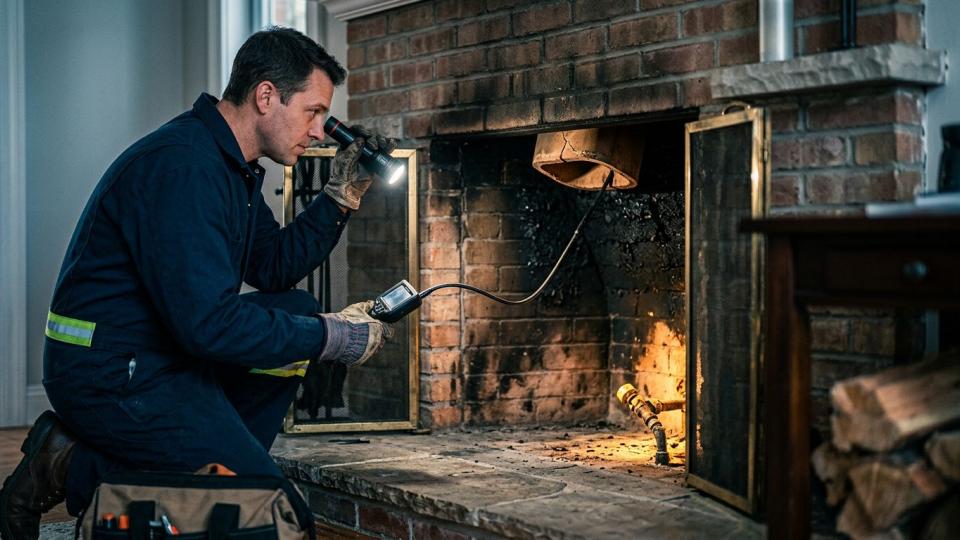
An idle fireplace can conceal a gas leak, creosote buildup, or water damage. Careful inspections and documented repairs help separate a real safety concern from a sales pitch.
An idle fireplace is not necessarily a safe fireplace. A loose gas fitting, damaged flue tile, or hidden moisture problem can remain out of sight until the first cold night sends a household back to the hearth.
Fireplace safety depends on workmanship, regular maintenance, and contractors who can document what they find. The consequences of getting any of those wrong can include fire, carbon monoxide exposure, and even major property loss.
You can watch the Trust Issues podcast on the TrustDaleTV YouTube channel or listen wherever you get podcasts
Fall is when neglected fireplace trouble reappears
When I was a beat reporter in Raleigh, North Carolina, each fall, home-fire stories returned as fireplaces came back into use after months of inactivity.
National Fire Protection Association figures that show the scale of the problem:
- About 44,000 home-heating fires occur each year.
- Roughly 13,000 involve fireplaces.
- At least 500 deaths, thousands of injuries, and millions of dollars in property damage are tied to home-heating fires annually.
A fireplace may look clean at the opening while serious trouble sits above the firebox or at the top of the chimney.
A gas-log job revealed a dangerous installation
One TrustDALE investigation my team took on clearly highlights the risks of shoddy work. Donna and her husband hired a company to convert their wood-burning fireplace to gas logs. About a year passed before they tried to use it. When the pilot light would not stay on, Donna called the installer and said the company declined to come out only to relight it, offering an inspection instead for nearly $300.
Rather than pay the fee, the couple called their local gas company. After the technician lit the pilot, Donna smelled gas. The technician used a meter and found gas escaping from a connection, then attributed the issue to faulty installation.
A fireplace should never be used when a gas leak is suspected.
I sat down with Christian Little of TrustDALE Certified Partner Chimney Solutions for an episode of the Trust Issues podcast, to look at chimney safety. We reviewed this investigation, and Little said the installation appeared to lack a gas-leak test before the crew left. Without testing, a technician cannot know whether every connection is secure. A gas appliance needs leak testing before the job is complete.
Donna said meaningful progress began after TrustDALE got involved. Workers arrived on a Saturday morning, removed the faulty components, repaired the fittings, replaced a rusted pipe, and relit the pilot. The fireplace then worked properly.
A credible chimney inspection goes beyond the fireplace opening
Little's central recommendation is simple: schedule a chimney inspection every year. That applies to wood-burning fireplaces, gas-log systems, and fireplaces that appeared to work properly the previous season.
A level-two inspection can include dust-control measures such as drop cloths and vacuums, followed by an examination of the interior, exterior, roof, chimney structure, and flue. Video scanning gives the homeowner a view inside the system rather than relying on a verbal description.
A company that never checks the roof or chimney exterior presents a potential warning sign. Roof-level problems may remain invisible from the living room, even when the fireplace itself has not been used.
Reliable home service companies can explain their inspection process before work begins. Technicians should also receive continuing education because chimney safety standards can change as new hazards come to light. Homeowners should ask about insurance and Chimney Safety Institute of America certification. The institute's CSIA.org directory can help identify certified technicians.
Creosote and moisture can hide inside the flue
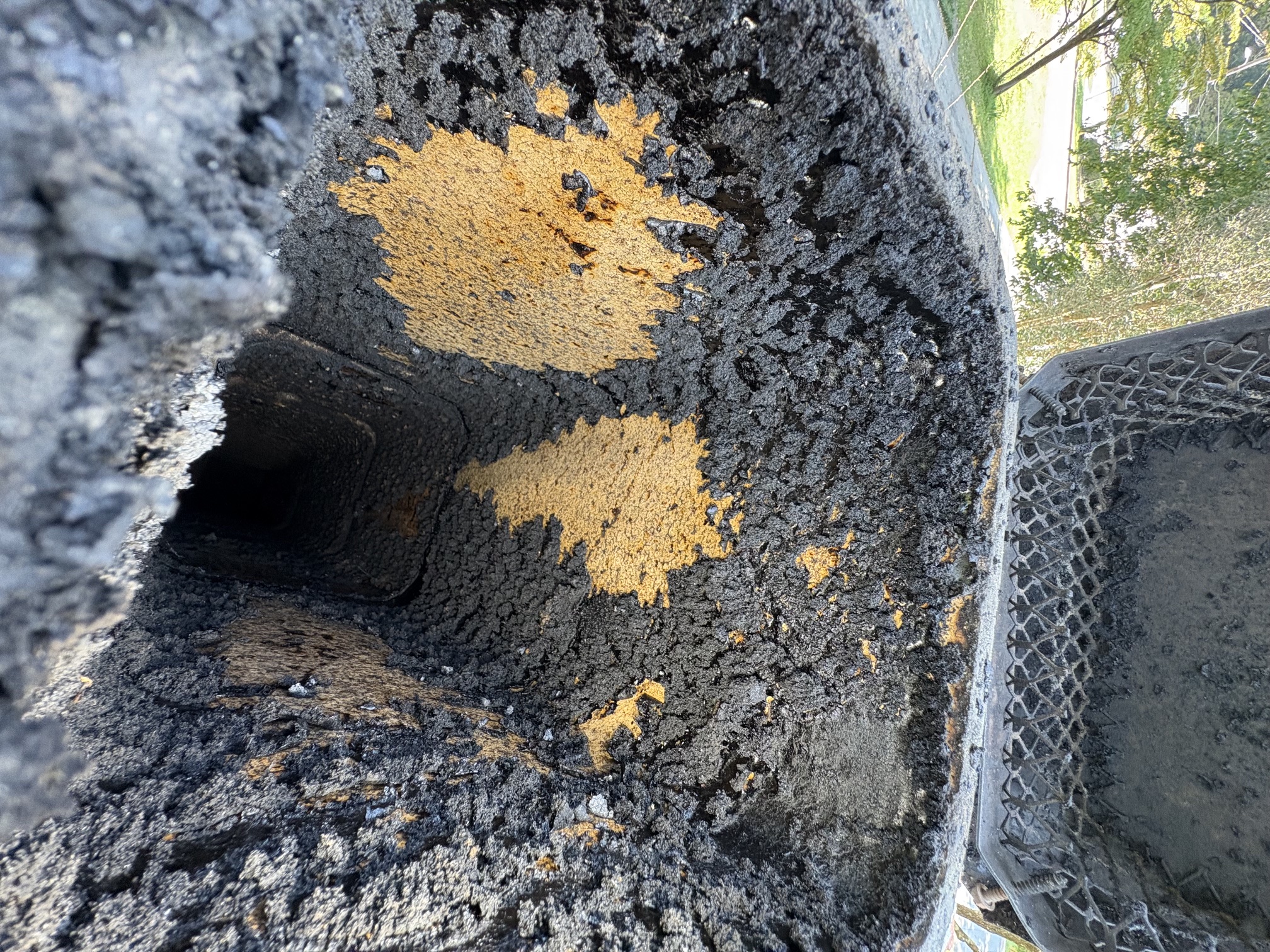
A camera inspection can reveal creosote, cracks in flue tiles, and moisture inside the chimney system. Those images give a homeowner a factual basis for deciding whether a repair or cleaning is warranted.
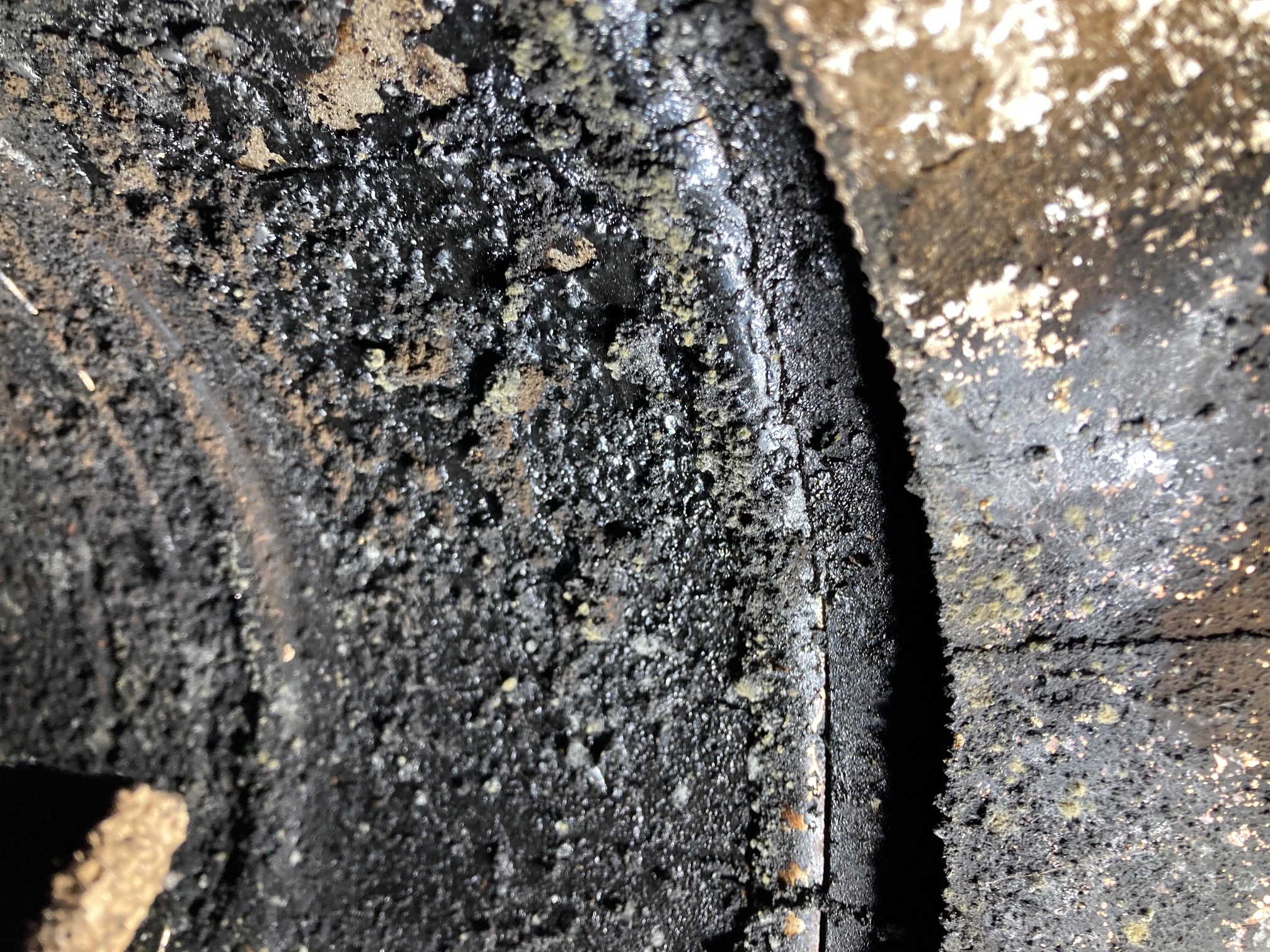
Creosote is more than ordinary ash or soot. Little described three stages of buildup:
| Creosote stage | Typical appearance |
|---|---|
| Stage one | Sooty or ashy residue |
| Stage two | Flaky deposits |
| Stage three | A glazed, tar-like coating |
Little described creosote as extremely flammable and a carcinogen. Heavy buildup can create a fire hazard that a homeowner cannot see from below.
Moisture also creates problems. It can damage masonry, cause rust, and affect the mechanical parts of a gas-log system. Little warned that rusted gas-log components can allow more carbon monoxide to return to the room.
Cheap chimney offers can become high-pressure repair pitches
A $49 chimney-cleaning coupon may sound like a bargain, but Little urged caution with direct-mail and social-media offers for unusually cheap sweeps, free inspections, or low-cost cleaning packages.
The concern is not that every discount is fraudulent. The problem arises when a technician enters the home, gives a vague warning about severe damage, produces no photographs or video, and demands a deposit for costly repairs. A low advertised price can become a large repair estimate with little evidence behind it.
Legitimate findings can be explained. A qualified technician should show the condition, describe why it developed, and provide a written estimate for the recommended work. Homeowners should also be wary of same-day repair pressure after storms or during door-to-door sales visits. Good repairs require preparation, and a contractor should not manufacture a "buy now" deadline.
Some grocery-store fireplace logs claim to help clean a chimney. Little said certain brands may dry out creosote and make professional sweeping easier. They do not replace an inspection or cleaning.
Even an unused fireplace needs attention
One viewer had lived in a home for five years without using the fireplace. Little still recommended an inspection because problems can develop at the roofline, chimney cap, exterior masonry, or inside the flue even when no fire has been lit.
A real estate transition is another sensible time for service. A new owner may not know the fireplace's maintenance history, the age of its gas components, or whether prior repairs met safety standards.
Warning signs include gas or unusual odors, water stains, exterior rust, visible cracks, and other chimney damage. When gas odor is present, Little's advice was straightforward:
- Contact a chimney professional if one can respond promptly.
- If that is not possible, contact the gas company.
Smoke and carbon monoxide detectors should be installed and tested each season. Water leaks also deserve prompt attention because water is the number one enemy of masonry. Over time, it can weaken the chimney and contribute to mold or mildew elsewhere in the structure.
For homeowners, property managers, and commercial service companies responsible for occupied buildings, documented chimney work protects more than the fireplace itself. Local options are available through Find Vetted Home Service Providers.
Fireplace safety rests on proof, not promises
A working pilot light or a clean hearth does not prove that a fireplace is safe. The stronger standard is an annual inspection, evidence from inside the flue, and a contractor willing to explain the work in plain terms.
The most serious chimney scams thrive where proof is absent. Photos, video, written estimates, certification, and leak testing make it harder for hidden hazards and unsupported repair claims to remain hidden. What makes it easier? Using a TrustDALE Certified company like Chimney Solutions to inspect your chimney and fireplace, and do any necessary repairs. They've already passed my 7 point inspection, so you have the assurance of knowing they're a company you can trust. And they're backed by my $10,000 Make It Right Guarantee.