

Excerpt: Summer heat can shorten a roof's service life as ultraviolet exposure stresses shingles, membranes, flashing, and attic systems. Damage often builds slowly as humidity, trapped attic heat, and sudden storms interact, making documented inspections and clear repair estimates especially important.
When it comes to the question of if summer is doing an number on your shingles, the clear answer is yes. The question, "Can summer heat damage your roof?" matters because high temperatures aren't the only stressor on your roof. Ultraviolet exposure, humidity, trapped attic heat, and sudden storms coupled with extreme heat can interact with aging materials, turning small weaknesses into leaks.
For homeowners, business owners, and property managers, the issue is less about panic and more about evidence. Summer roofing problems usually develop gradually, so the complete roofing system should be evaluated before deciding whether replacement is needed. A faded or hot roof doesn't automatically need replacement, but it does need an honest assessment of its condition.
Key Takeaways
- Summer heat can accelerate roof aging by causing expansion and contraction, ultraviolet damage, moisture buildup, and stress around seams, fasteners, flashing, and penetrations.
- Warning signs include curled or cracked shingles, missing granules, blisters, ceiling stains, hot attics, damaged sealants, open membrane seams, and standing water.
- Balanced ventilation, adequate insulation, reflective materials, clean gutters, and routine maintenance can reduce heat-related stress but cannot repair worn roofing materials.
- Repair or replacement decisions should consider the condition of the complete roofing system, including the surface, deck, flashing, drainage, roof age, and prior repairs.
- Property owners should request documented findings, labeled photos, itemized estimates, material specifications, warranty details, and proof of licensing and insurance while avoiding high-pressure storm-repair offers.
Can Summer Heat Damage Your Roof?
Repeated heat makes roofing expand during the day and contract overnight. That movement can loosen fasteners, strain seams, and open tiny gaps around penetrations. Ultraviolet light also dries protective oils in some materials, leaving surfaces more brittle over time.
The main roofing materials respond differently to prolonged heat. Asphalt shingles may curl, crack, or shed their protective granules. Metal roofing expands and contracts at a different rate than its fasteners and trim, especially on standing seam designs. Flat-roof membranes can blister, split at seams, or soften where water ponds. Tile withstands heat well but can crack, while wood shakes can dry and split without proper upkeep.
Stone coated steel offers strong resistance to heat and changing weather, while composite polymer products provide a lightweight alternative. Their performance still depends on installation quality, ventilation, climate, and product specifications. Class 4 roofing materials may help reduce hail damage, but they don't eliminate heat-related aging.
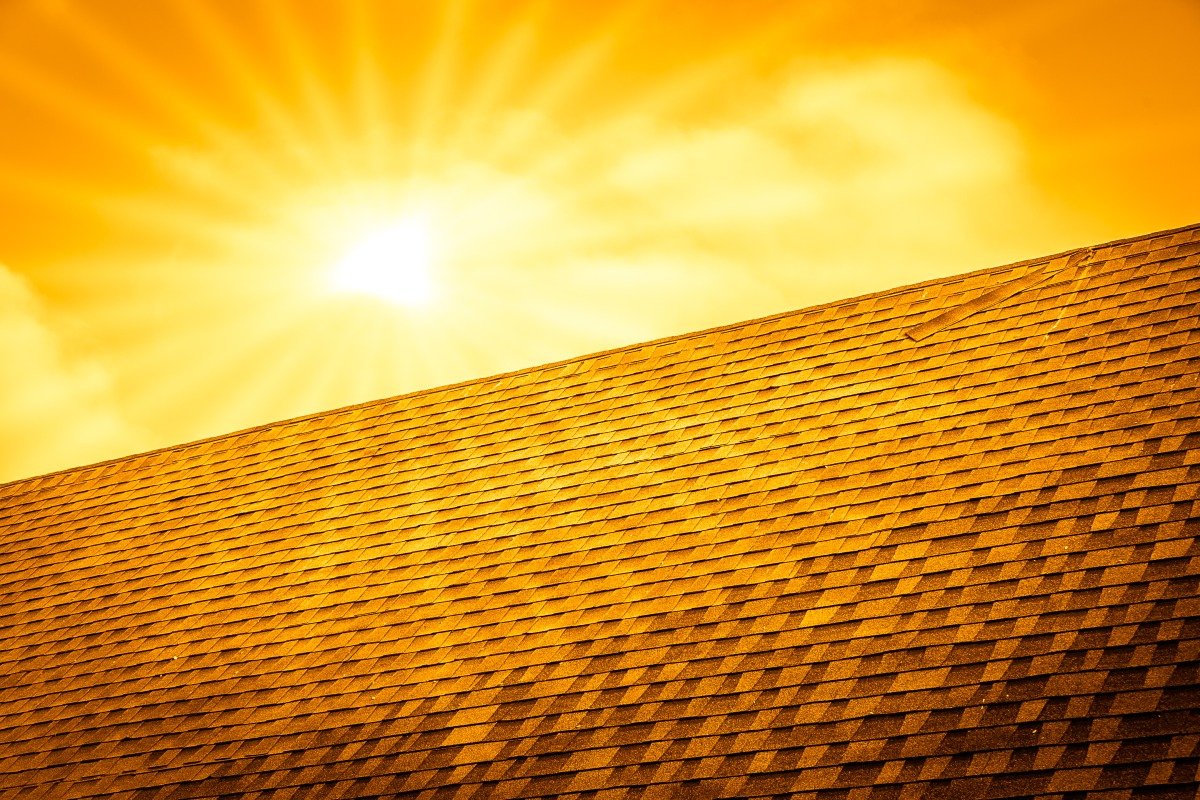
Dark surfaces, low-slope residential roofing, limited shade, and older materials absorb more heat. Effective roof ventilation, including properly placed attic vents, helps limit temperatures beneath the roof deck. A roofing system relies on the surface, deck, fasteners, flashing, and attic working together. Summer heat can damage your roof gradually, then make wind-driven rain and hail more destructive when storms arrive.
Heat alone may not cause immediate failure. However, it can speed up normal aging and expose weak points that a passing visual check misses.
Roofing Warning Signs That Summer Heat Is Causing Damage
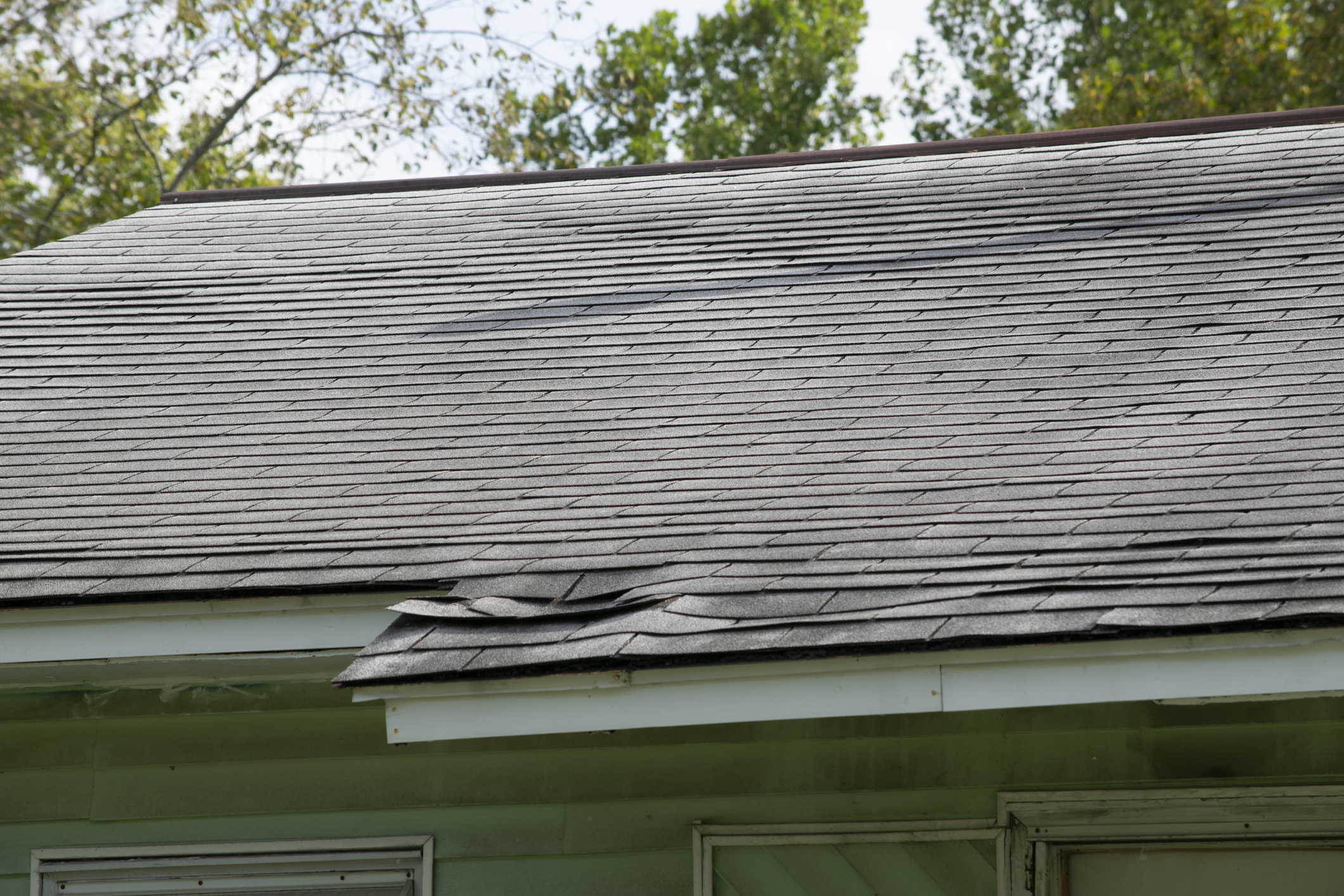
A ground-level look can reveal concerns, but it can't confirm a diagnosis. Different roofing materials show heat stress differently. An inspection is appropriate after storm damage, a leak, or several warning signs appearing together.
Shingles That Curl, Crack, Blister, or Lose Granules
Curled edges, brittle tabs, exposed fiberglass mat, and bare-looking patches deserve attention. Asphalt shingles may also shed granules into gutters, especially after installation. Heavy or persistent buildup can indicate surface wear.
Blisters may form when heat and moisture become trapped in roofing layers. These flaws reduce water resistance, allowing wind and rain to spread damage beyond the original spot.
Roof Leaks, Ceiling Stains, and Rising Indoor Heat
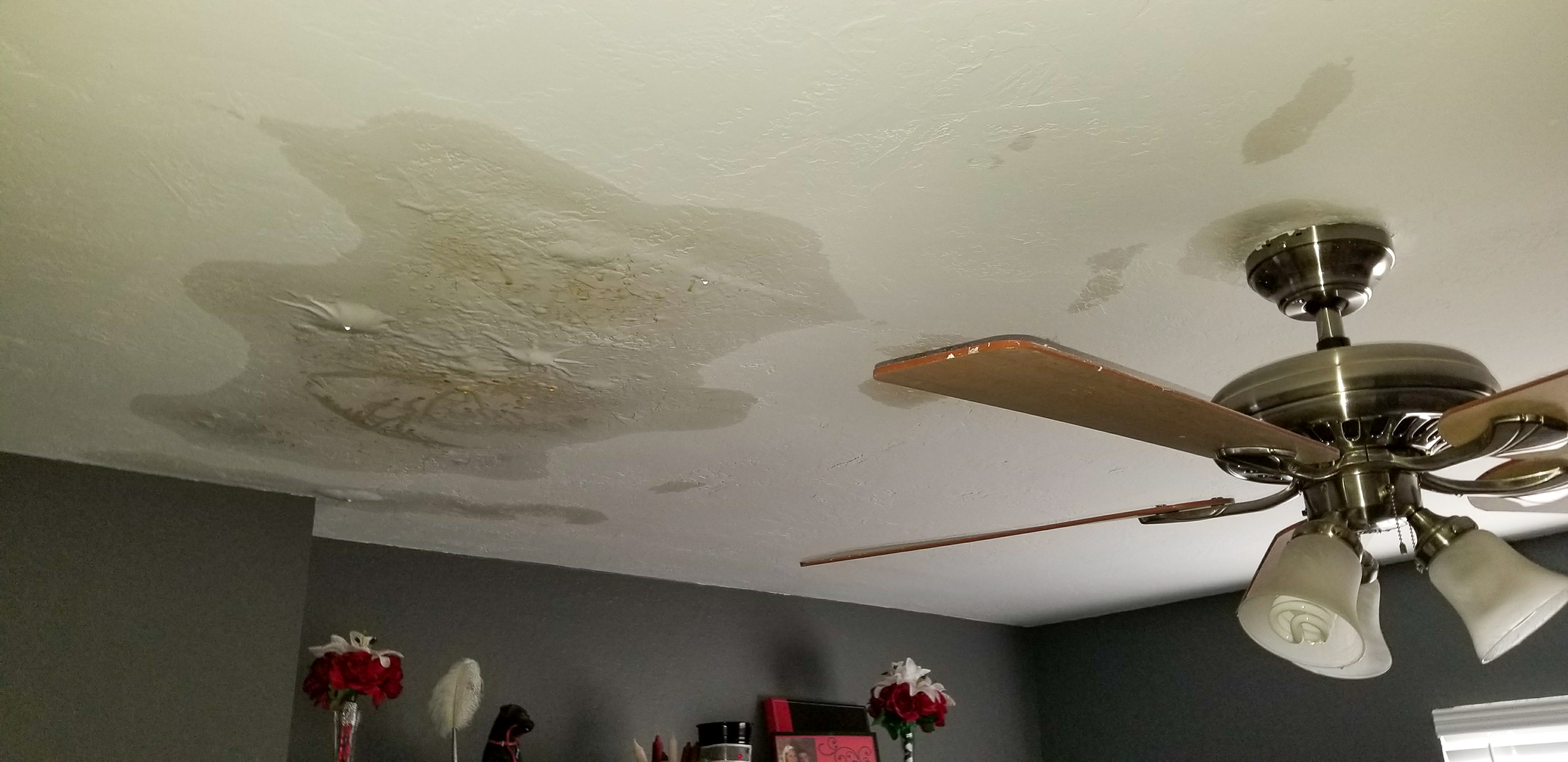
Water stains on upper-floor ceilings, damp insulation, musty odors, and unexplained moisture near exterior walls can point to a roof leak. Plumbing, condensation, and HVAC issues can create similar evidence.
A very hot attic, high cooling costs, or rooms that hold heat may indicate ventilation or insulation problems. These symptoms don't prove failure in the roofing system. They do warrant a closer look at the full assembly.
Damaged Flashing, Sealants, Vents, and Flat-Roof Membranes
Heat can dry caulk and sealants around chimneys, skylights, pipes, and vents. Flashing may lift at an edge, rubber vent boots can crack, and the drip edge may pull away at the perimeter. On low-slope residential and commercial roofs, watch for open seams, soft membrane areas, and standing water that remains after dry weather.
Some installation details aren't visible from the ground, including an ice and water shield or roof deck protection. Their condition or presence should be confirmed through records or a professional inspection, not inferred from a photo.
Photos taken during an inspection make it easier to compare conditions after the next storm.
How Ventilation, Insulation, and Maintenance Reduce Heat Damage
Balanced roof ventilation moves excess attic heat and moisture outside. Adequate insulation slows heat transfer into living and working spaces. Together, they support the roofing system but do not repair worn shingles or open seams.
Light-colored and reflective roofing materials may reduce heat absorption where the building design and local code allow. They can help roofing stay cooler. Large commercial flat roofs also need a maintenance plan for drains, penetrations, seams, and rooftop equipment.
Residential roofing maintenance includes clearing gutters and trimming branches away from the roof. Inspect visible flashing, the drip edge, and the gutter apron during routine care. A repair or reroofing scope should identify whether ice and water shield, starter strip shingles, roof deck protection, and leak barriers are included where appropriate. These protective details are not universal requirements for every roof.
Keep dated photos of the drip edge and gutter apron before and after cleaning or repairs. When qualified help is needed, property owners can Find Vetted Home Service Providers with clear business information and accountability standards.
Repair or Replace After Heat Damage
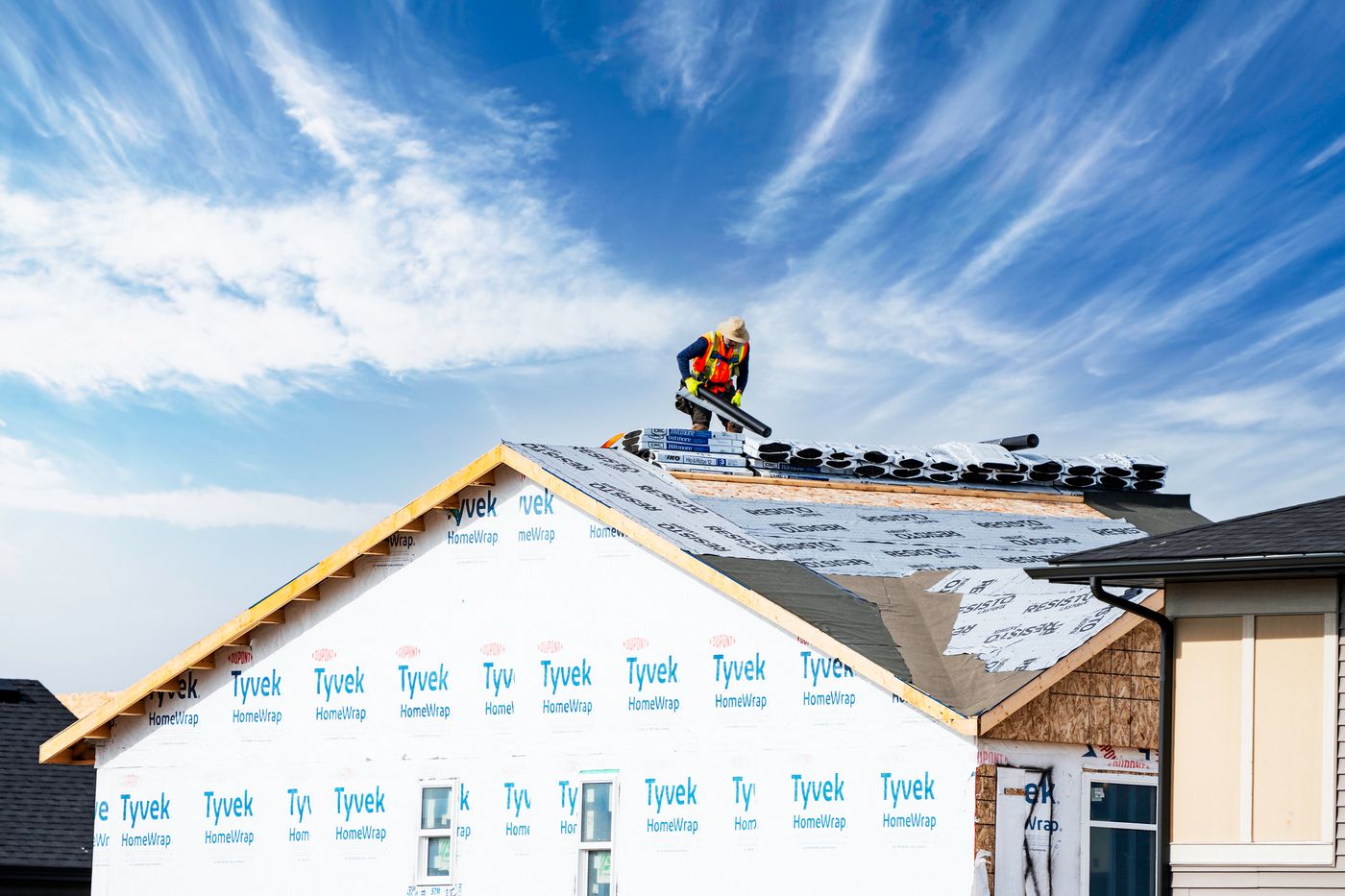
A targeted repair often makes sense when damage is limited and the remaining material is in good condition. Material compatibility can shape roofing decisions, especially when existing roofing materials meet newer products. Replacement becomes more reasonable when leaks recur, materials near the end of their useful life fail, or defects cover broad sections.
Evaluate the entire roofing system, including the surface, flashing, deck, and drainage components. The decision should also consider roof age, affected area, prior repairs, code requirements, material availability, and total cost over time.
Replacement options vary by building needs. Metal roofing can provide long service life, including in standing seam designs. Stone coated steel may balance durability and weight, while another stone coated steel option may suit buildings with structural limits. Composite polymer products can fit projects seeking lighter materials and longer service life. A composite polymer option still requires careful review of climate, warranty, and repairability. Solar energy shingles may suit solar-integrated designs, while class 4 roofing materials can help address hail-impact concerns. No single roofing materials option is right for every building, climate, budget, or roof shape.
If an insurance claim is involved, payment depends on policy definitions, depreciation, deductibles, limits, and coverage terms. Replacement cost value does not guarantee full replacement funding, and actual cash value may reflect depreciation before payment.
Property owners should request written findings, labeled photos, an itemized estimate, material specifications, warranty terms, and proof of licensing and insurance. The roofing scope should identify included work and materials. Depending on the project, the estimate may specify ice and water shield, roof deck protection, starter strip shingles, leak barriers, gutter apron, and drip edge. It should also clarify whether a separate drip edge is included at all required roof edges.
A qualified roofing contractor can explain how material compatibility affects the repair. A guide to reading a roofing estimate can help identify vague scopes and unexplained charges. Major roof replacement proposals deserve a second opinion.
How to Avoid Summer Roof Replacement Scams
Summer storms bring legitimate repair needs, but they also attract salespeople who use roofing concerns to create urgency. The Federal Trade Commission warns consumers about home-improvement scams that begin with unsolicited offers and pressure to act before comparing bids.
Warning signs include:
- A salesperson appears uninvited and claims a new roof is necessary after a quick glance at storm damage.
- The estimate lacks measurements, quantities, roofing materials, manufacturer or product specifications, repair alternatives, or a completion schedule.
- The contractor requests a large upfront payment or demands an immediate signature.
- Someone promises insurance will cover everything, offers to waive the deductible, asks the owner to exaggerate damage, or wants to control the insurance claim.
- The company cannot provide a local address, verifiable credentials, or a written contract.
Owners should verify any roofing contractor through licensing records, insurance documentation, references, and an independent inspection. A BBB accredited listing can provide another signal, but it does not replace those checks or a written contract.
Owners should contact their insurer through a known phone number or official website, rather than a number supplied by a salesperson. They should understand whether the policy uses replacement cost value or actual cash value. They should also read any agreement carefully before assigning benefits or authorizing work. A brief inspection from the ground is not evidence for a full roof replacement.
Frequently Asked Questions
Can summer heat damage an otherwise healthy roof?
Yes. Repeated expansion and contraction, ultraviolet exposure, and trapped attic heat can accelerate normal aging even when a roof has no immediate leak. The effect depends on the roofing material, installation quality, ventilation, climate, and maintenance.
What are the first signs of heat-related roof damage?
Look for curled or cracked shingles, excessive granules in gutters, blisters, brittle sealants, lifted flashing, and open seams on flat-roof membranes. Ceiling stains, damp insulation, musty odors, or an unusually hot attic also justify a closer inspection.
Can better attic ventilation prevent roof damage?
Balanced ventilation can move excess heat and moisture out of the attic and reduce heat transfer into the building. It supports the roofing system, but it cannot repair worn shingles, failed flashing, or open seams.
Should a heat-damaged roof be repaired or replaced?
A targeted repair may be appropriate when damage is limited and the remaining materials are in good condition. Replacement becomes more reasonable when leaks recur, materials are near the end of their useful life, or defects affect broad sections of the roofing system.
How can property owners avoid summer roofing scams?
Get an independent inspection, verify licensing and insurance, compare written estimates, and avoid contractors who demand immediate signatures or large upfront payments. Do not allow a salesperson to exaggerate damage, promise that insurance will cover everything, or control the insurance claim.
A Roof's Summer Test
Summer heat can shorten a roof's life and expose vulnerabilities that have built up over time. Heat, ventilation, drainage, and materials all affect how the roofing system performs. A small detail, such as a drip edge, may reveal broader maintenance needs.
A worn-looking roof does not automatically require replacement. Documented conditions, transparent pricing, and qualified workmanship matter more than a contractor's urgency. Material choices, including stone coated steel, should match the building, climate, and budget. Make informed roofing decisions based on evidence, not pressure. You can find top quality roofers who have already been vetted and passed TrustDALE's 7 point inspection process at Trustdale.com. That's why they're backed by TrustDALE's $10,000 Make It Right Guarantee.