

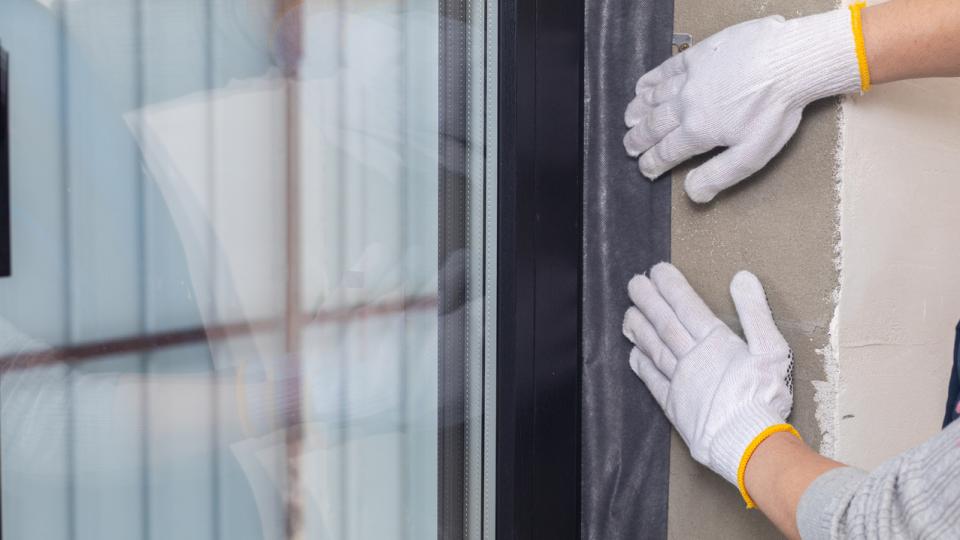
New windows can make a house look sharper almost overnight, but the prettiest glass in the world can’t save a poor installation. Behind the trim, caulk lines, and fresh exterior finish, there’s one detail homeowners rarely ask about until a stain appears on the wall: flashing.
In this guide, you’ll learn why flashing deserves a bigger role in the window installation conversation, what can go wrong when it’s rushed, how to ask better questions before hiring a contractor, and why a window specialist like Nelson Exteriors is worth considering when your home needs more than a quick swap.
The Part of the Window You’ll Never Admire
Most homeowners focus on frame color, grid pattern, energy performance, and how much natural light the new windows will bring into the room. Those choices matter, of course, but flashing lives in a different category. It’s part of the protective system around the window opening, placed where water would otherwise look for a way into the wall.

A good window installation has to account for rain, wind, siding, trim, house wrap, and the way water travels once it touches the exterior. Flashing helps direct that water away from vulnerable seams.
When it’s done well, you probably won’t think about it again. When it’s missing, poorly layered, or treated like an afterthought, the problem may stay hidden until the wall starts showing signs of moisture.
Why Caulk Isn’t a Raincoat
Caulk has a job, but it doesn’t include carrying the whole weatherproofing burden for your windows.
Over time, exterior sealants naturally shrink, crack, separate, or wear down from sun and movement around the house. You may see a neat bead of caulk and assume the window is protected, when the real protection should always be layered behind the visible finish.
That’s where flashing comes in. It gives water a path out, instead of trusting a single, exposed seal to hold forever. That kind of layered thinking is especially important around windows, since leaks aren’t always immediately noticeable. Moisture has a sneaky way of getting into wall cavities, touching insulation, staining drywall, or damaging trim long before anyone connects the issue back to the installation.
The Small Clues Around a Big Problem
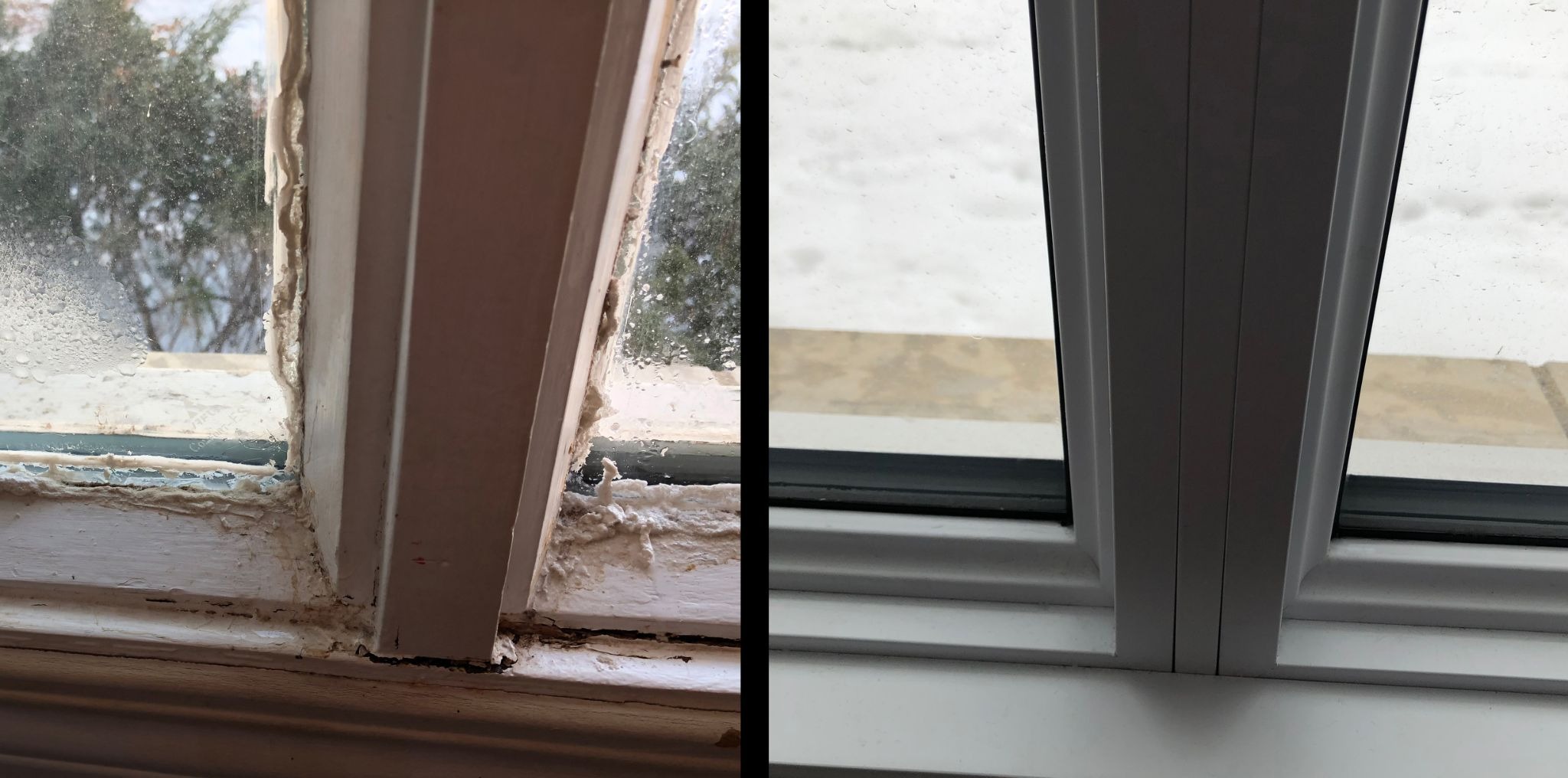
Sometimes the first warning signs of a window leak seem relatively harmless: a little bubbling paint near the sill, a darker spot along the trim, a musty smell after heavy rain, or a window that suddenly seems draftier than it used to.
Other times, the clue appears outside, where cracked caulk, soft trim, or staining beneath the window suggests water hasn’t been moving where it should.
Before replacing windows, take a slow walk around the inside and outside of your home. Pay special attention to windows that face wind-driven rain, sit beneath roof valleys, or are surrounded by older siding.
Those areas often deserve closer inspection, because the window may not be the only issue. The surrounding exterior has to work with the new installation, not against it.
What to Ask Before the Crew Arrives
A good contractor won’t be annoyed by informed questions. The right questions can reveal whether the installer is considering the whole wall system or just the window unit itself.
Ask these before signing a window installation contract:
- How will the existing opening be inspected before the new window is installed?
- What flashing materials will be used around the window?
- How will the flashing be layered with the house wrap, siding, or trim?
- What happens if damaged wood is found after the old window is removed?
- Will exterior trim, sealant, and cleanup be included in the scope?
- Who should I contact if I notice moisture or air movement after installation?

The beauty of these questions is that you don’t have to become a construction expert to understand the answers. They simply help you find out if your contractor has a real plan before your old windows come out.
Why Nelson Exteriors Fits the Job
Window installation sits right in the middle of a home’s exterior system, which is why Nelson Exteriors is a strong fit for this kind of work. Along with window installation, they’re experts in a range of exterior renovation services. That’s important, because it means they understand that a window opening is rarely isolated from the materials around it.
Nelson Exteriors is also an Andersen Certified Contractor, which gives homeowners another useful signal when comparing window companies. For everyday consumers, the value is practical: you’re looking for a contractor that understands product performance, installation details, and the way a finished exterior should hold up after the crew leaves. Flashing is exactly the kind of detail where that approach counts.
Don’t Let the Invisible Work Become the Expensive Part
A window that looks beautiful on installation day still has to survive years of rain, heat, shifting seasons, and daily use.
Flashing may not be the part guests compliment from the driveway, but it is one of the biggest reasons your new windows stay dry, solid, and trouble-free.
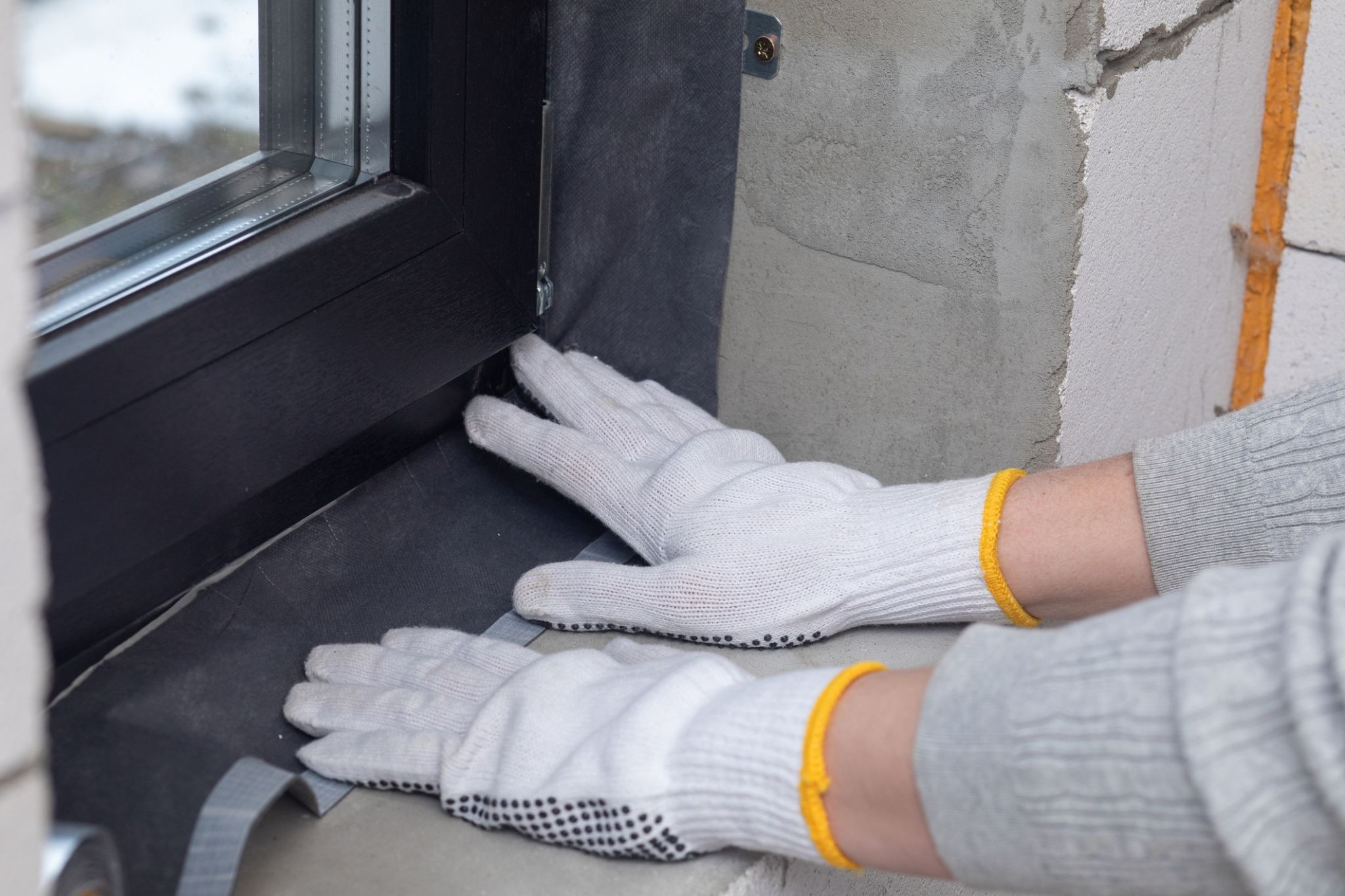
If you’re planning a window replacement project, start with the details you can’t see.
Ask how the opening will be protected. Ask what happens behind the trim. Ask whether the installer understands the full exterior around the window.
When you’re ready to compare options, TrustDALE certified partner Nelson Exteriors can help you approach the project with the kind of care a leak-free installation deserves.